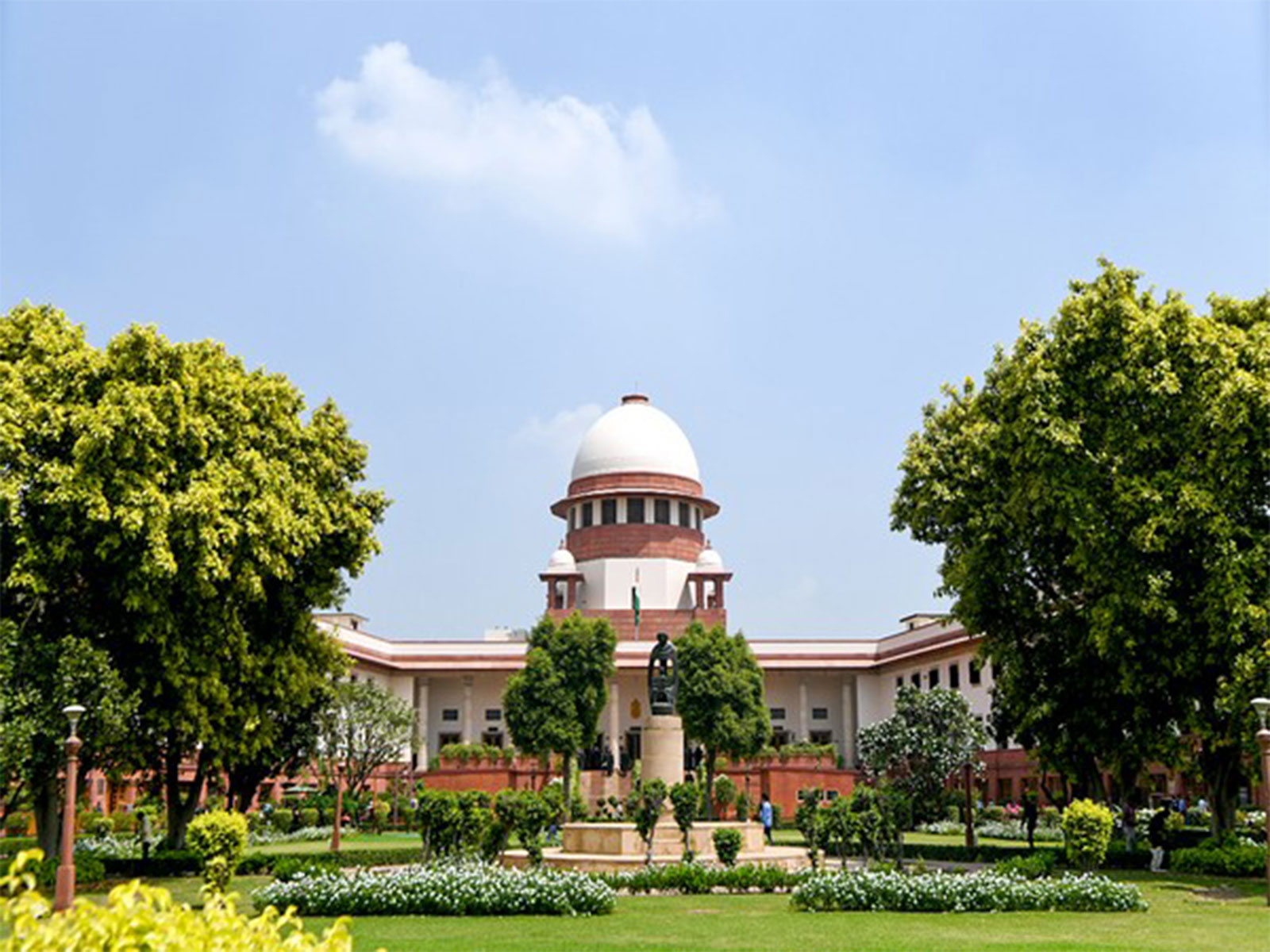
Section 163 imposed in October to avoid a July-like law and order crisis: Delhi police to SC
Nov 03, 2026
New Delhi [India], November 3 : The Delhi Police has justified its Section 164 restrictions on protests and public gatherings during certain days in October across several parts of the capital by citing the sensitivity of the area, the events that unfolded in July this year during the NEET Paper leak protests and the possibility of large gatherings leading to traffic obstruction, danger to human life and disturbance of public tranquillity.
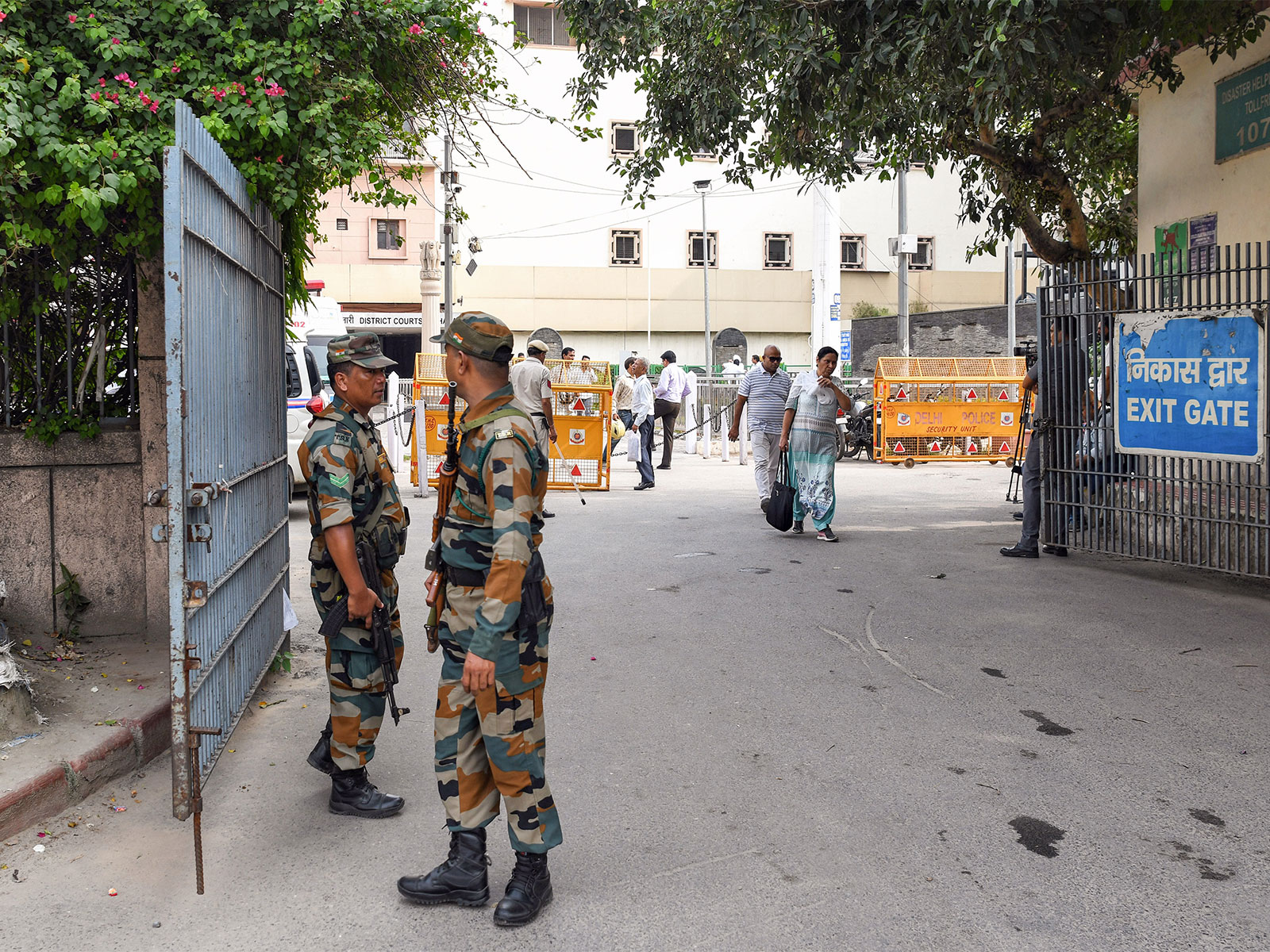
In an additional affidavit before the Supreme Court, Delhi Police Commissioner Anurag Kumar said New Delhi district covers sensitive locations including Jantar Mantar, Parliament, Rashtrapati Bhawan and India Gate and that restrictions under Section 163 of the Bharatiya Nagarik Suraksha Sanhita (BNSS) were imposed to prevent a recurrence of law-and-order problems.
The affidavit was filed in response to a plea by CPI(M) leader M.A. Baby pursuant to the Supreme Court’s October 15 direction asking the Delhi Police to place on record the orders issued under Section 163 in New Delhi.
The police said there are 15 police districts in Delhi, divided into 72 sub-divisions, and that such orders are imposed depending on the “emergent jurisdictional law and order situation”.
“Given the sensitivity of the area, i.e. New Delhi District (which includes Jantar Mantar, Parliament, Rashtrapati Bhawan, India Gate, etc.) and the events which unfolded in July 2026 during the earlier round of protests, the necessary order(s) under Section 163 of the BNSS were promulgated to avoid any further law and order situation which would lead to obstruction of traffic, danger to human life and/or disturbance of public tranquillity.”, it said.
The seven orders placed before the court relate to Connaught Place, Tughlaq Road, Parliament Street, Chanakyapuri, Barakhamba Road, Safdarjung Enclave and Defence Colony. The orders broadly prohibit public meetings, assemblies of five or more persons, processions and demonstrations, slogan shouting, speeches and carrying specified objects such as firearms, banners, placards, lathis and other items. Picketing or dharnas in public places are also prohibited without written permission.
The affidavit says that the restrictions were not framed uniformly as a blanket prohibition across New Delhi. They were issued by the respective police sub-divisions and were justified in the individual orders by reference to the character and use of the particular area, it adds.
The Connaught Place order, for instance, describes the area as one “frequented by heavy vehicular and pedestrian traffic” and says reports had been received that unrestricted public meetings, processions and demonstrations were likely to obstruct traffic, endanger human safety and disturb public tranquillity.
The Connaught Place order covers the entire Connaught Place sub-division, including the Mandir Marg and Connaught Place police station areas, but specifically excludes Jantar Mantar. It was issued for 60 days from August 21.
For the Tughlaq Road area, the police cited the presence of India Gate, Kartavya Path, Central Vista Lawns, embassies and the Ambassador’s residence. The order similarly records that unrestricted meetings, processions and demonstrations could cause traffic obstruction, pose a danger to human safety and disturb public tranquillity.
The Tughlaq Road order went a step further by also prohibiting the movement of heavy vehicles such as trucks and tractors in the specified area, apart from restricting gatherings, processions, demonstrations, speeches and dharnas without permission.
The Parliament Street order also relies on the nature of the area as a busy zone carrying heavy vehicular and pedestrian traffic. It says reports indicated that unrestricted public meetings and processions could cause “obstruction to traffic, danger to human safety and disturbance of public tranquillity”.
In Chanakyapuri, the police cited the presence of Rashtrapati Bhawan, the Prime Minister’s residence, foreign embassies, vital installations and adjoining localities.
It consequently prohibited public meetings, assemblies of five or more persons, processions, demonstrations, slogan shouting and speeches, besides picketing or dharnas without written permission. The restrictions covered the jurisdictions of the Chanakyapuri and South Avenue police stations.
The Barakhamba Road order followed the same reasoning, describing the area and adjoining localities as busy places with heavy vehicular and pedestrian traffic. It said unrestricted gatherings were likely to cause traffic obstruction, danger to human safety and disturbance of public tranquillity.
The police have relied on Section 163 of the BNSS as the legal mechanism for imposing these preventive restrictions. The orders state that the power was exercised pursuant to the relevant delegation under the Delhi Police Act and the notifications issued by the Ministry of Home Affairs.
The orders also make clear that a breach is not merely a violation of an administrative direction. Persons contravening the restrictions are stated to be punishable under Section 223 of the Bharatiya Nyaya Sanhita, 2023.
The Delhi Police has therefore defended the restrictions as preventive measures based on the prevailing law-and-order assessment in particular areas, rather than as a general prohibition on the right to protest. It has told the Supreme Court that the restrictions were considered necessary because gatherings in these protest-prone and sensitive parts of the capital could interfere with traffic, public safety and public tranquillity .