Semicon 2.0 will attract greater investment, create high-value opportunities for youth: PM Modi
Jul 15, 2026
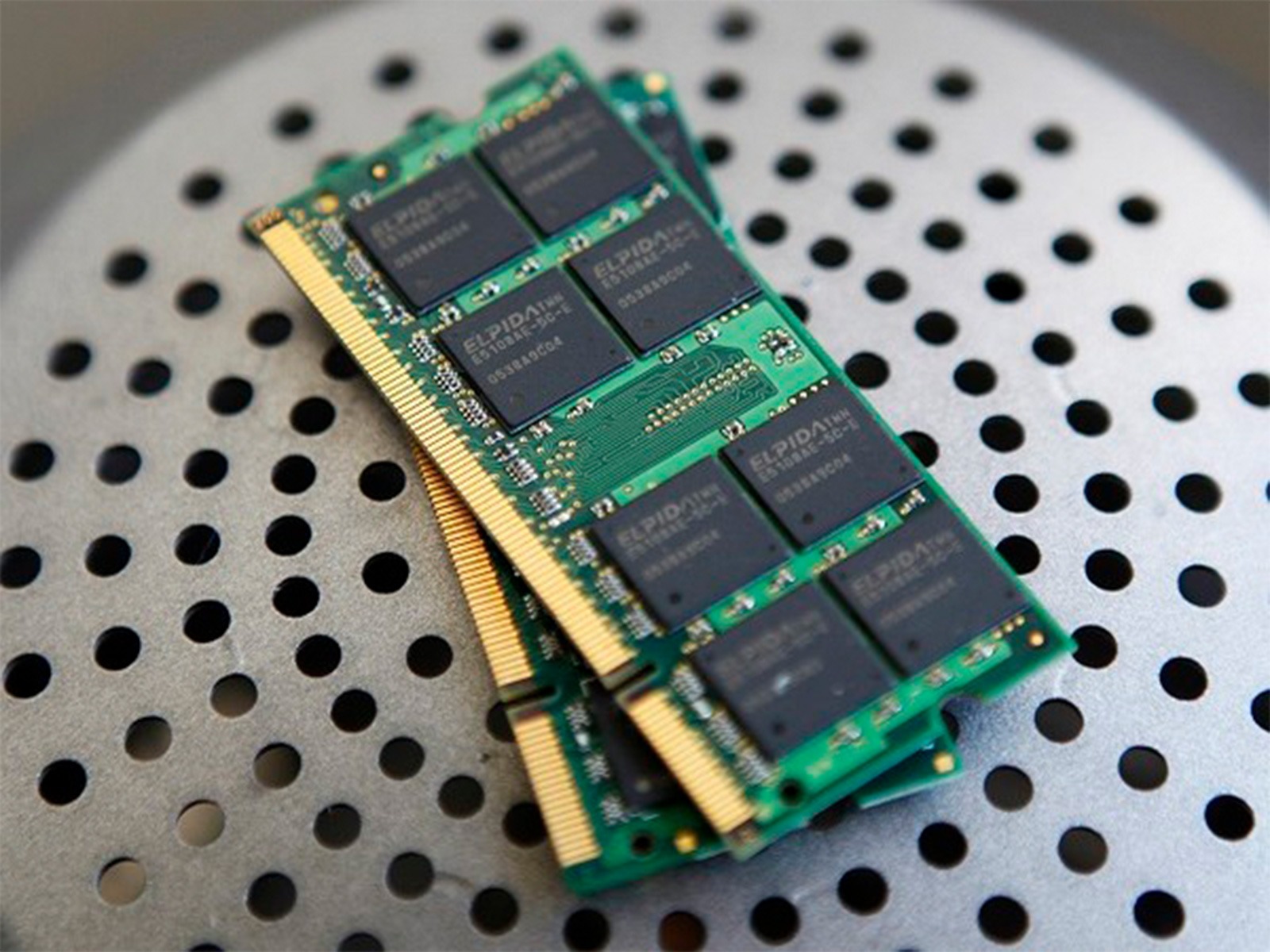
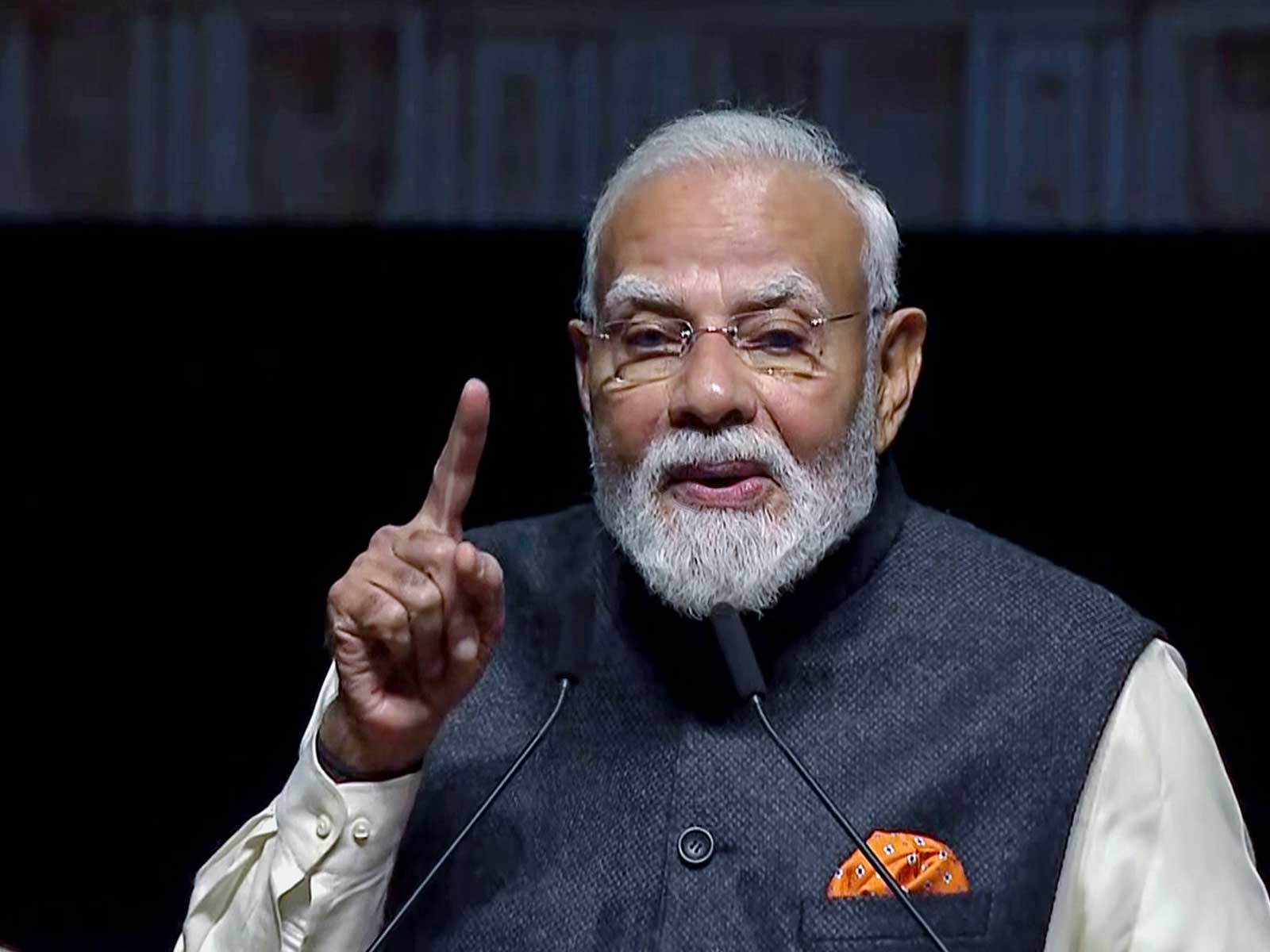
New Delhi [India], July 15 : Prime Minister Narendra Modi on Wednesday hailed the Union Cabinet's approval of the Semicon 2.0 program with an outlay of Rs 1.27 lakh crore, which aims to make India a global centre for semiconductor design, manufacturing and innovation.
In an X post, PM Modi said, "India's semiconductor journey gets even more vibrant."
"The Cabinet has approved Semicon 2.0 with an outlay of Rs 1,27,500 crore, reaffirming our long-term commitment to making India a global centre for semiconductor design, manufacturing and innovation. Powered by our youth, Semicon 2.0 will strengthen every aspect of the semiconductor ecosystem. Semicon 2.0 will attract greater investment, create high-value opportunities for our youth, strengthen supply chains and advance technological self-reliance in critical sectors," he noted.
https://x.com/narendramodi/status/2077390846417330419
According to the Centre, the Semicon 2.0 program is based on six pillars, namely chip design, manufacturing, fabrication plants (fabs), research, strengthening the ATMP/OSAT industry and talent development among youth.
Under Semicon 2.0, the aim is to develop IPs, designs of chips and systems with this approach. Companies involved in the manufacturing and R&D of the machines and manufacturing of materials, chemicals and gases that are essential for manufacturing semiconductors will be incentivised.
Under the program, efforts will be made to attract more manufacturers to set up fabs to manufacture chips in India.
The Prime Minister also hailed the Cabinet's decision to approve railway multitracking projects, the doubling of the Paradeep-Haridaspur line and the fourth line between Rajkharsawan and Dangoaposi, as a "major connectivity boost" in Odisha and Jharkhand.
"A major boost to connectivity and economic growth in Odisha and Jharkhand! The Cabinet has approved two important railway multitracking projects, the doubling of the Paradeep-Haridaspur line and the fourth line between Rajkharsawan and Dangoaposi. These projects will further growth in Odisha and Jharkhand. They will expand the railway network, ease congestion and boost tourism," PM Modi wrote on X.
https://x.com/narendramodi/status/2077388762196398168
The government has approved a 6/4-lane elevated corridor along the banks of the River Varuna for pilgrims to the Kashi Vishwanath Temple and a six-lane corridor along the banks of the River Ganga in Varanasi, Uttar Pradesh.
PM Modi said, "We are resolute in making darshan of Baba Vishwanath in Varanasi even more accessible and convenient with the expansion of connectivity in Uttar Pradesh. In this direction, today our government has approved the construction of a 6/4-lane elevated corridor along the banks of the Varuna River. This project will not only serve as a model for our cities of cultural importance, but will also make the lives of people here easier through infrastructure development."
"We are committed to the development of world-class infrastructure in Kashi. In line with this, today we have approved the construction of a state-of-the-art 6-lane corridor along the banks of the Ganga. This will further improve access to the city's major religious, educational, and cultural sites. At the same time, the reduced pressure on the road network will make commuting even smoother. This project will accelerate economic development in Purvanchal," he added.
He also lauded the approval of the National Urea Investment Policy-2026 to encourage investment and strengthen self-reliance in urea production.
"Our government is leaving no stone unturned for the welfare of our farmer brothers and sisters across the country. In this direction, today the proposal for the National Urea Investment Policy-2026 has been approved. This will not only encourage investment for the establishment of new gas-based urea production plants, but will also give new strength to the resolve for self-reliance in urea production," he wrote in a separate post.
According to Ministry of Chemicals and Fertilizers, the key changes in comparison to NIP-2012 includes the separation of fixed and variable costs for greater transparency, introduction of a viable Return on Equity (RoE) band with a floor at 12 per cent and a ceiling at 16 per cent, and mitigation of foreign exchange risk through conversion of fixed cost into INR after four years based on prevailing exchange rates. These measures are estimated to result in savings of over Rs 250 crore for each plant established under NIPU-2026 compared to NIP-2012.