Spinal Cord Injury Rehabilitation: What Does Rehabilitation Really Involve?
Sep 15, 2026
HT Syndication
New Delhi [India], September 15: No family is ever ready for the call. A road accident, a fall from a height, a diving accident and within hours, everything a person knew about their body and their future has shifted. The doctors stabilise. The surgery happens. And then, somewhere in a hospital corridor, a family member asks the question that nobody has quite answered yet – what does life look like from here? The answer depends more than most people realise on what happens in the weeks and months that follow – specifically, how soon structured rehabilitation begins and how well it is delivered.
What Is Spinal Cord Injury Rehabilitation?
It's a coordinated form of neurological rehabilitation. The goal is simple. Help the body and mind adapt after damage to the spine.
Every injury is different. Some people regain a lot of function. Others focus more on adapting to permanent changes. Recovery potential depends largely on whether the injury is complete or incomplete – classified using the ASIA Impairment Scale. A complete injury means no function below the injury level, an incomplete injury means some remains. This distinction shapes the entire rehabilitation plan.
This isn't a short process. Spinal cord injury recovery often takes months, sometimes years. Progress can be slow, but consistent, guided care makes a real difference over time.
What Does Spinal Cord Injury Rehabilitation Involve?
It involves several parts, all working together.
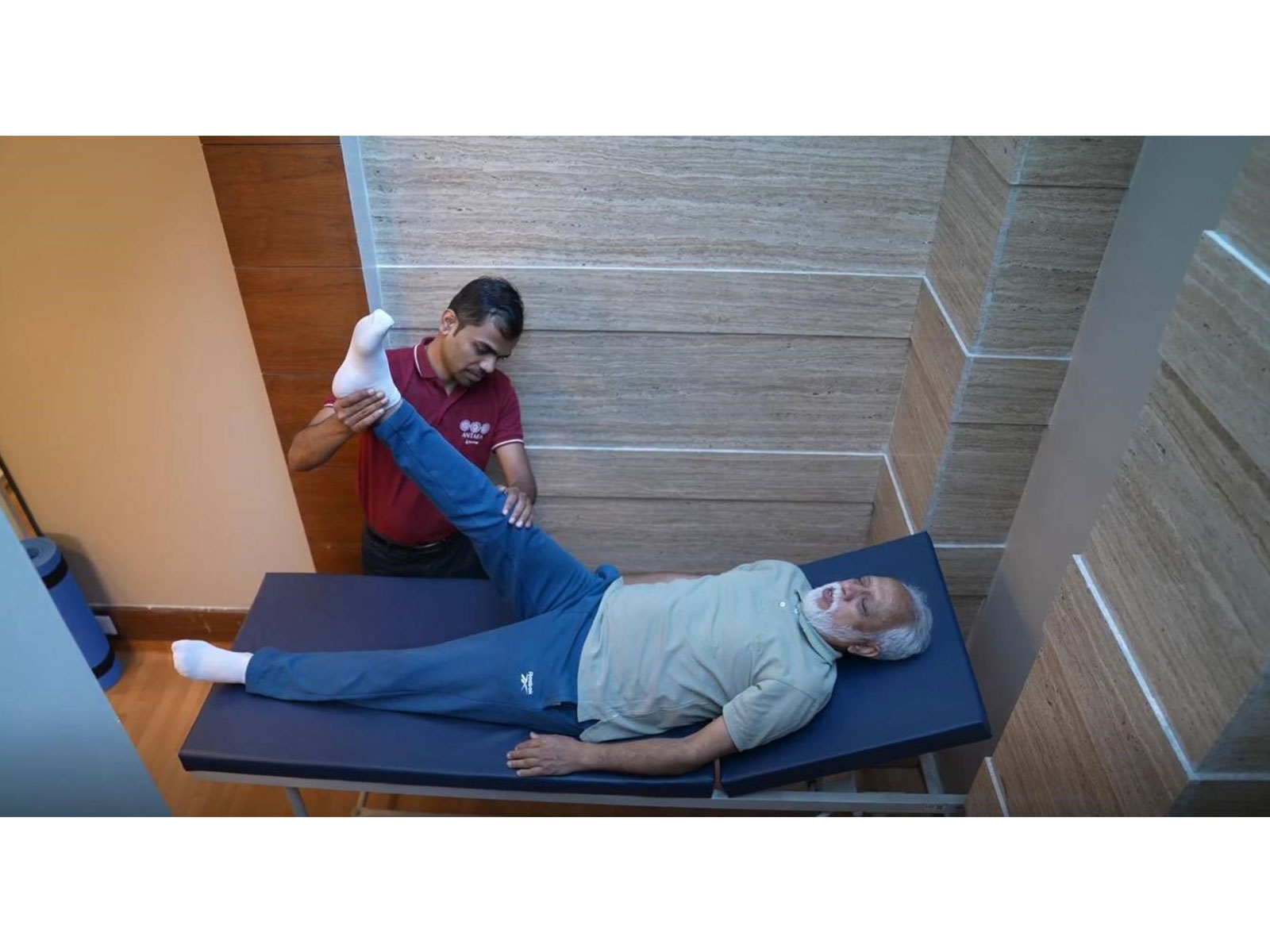
Physiotherapy for spinal cord injury comes first. It focuses on strength, movement, and whatever mobility remains possible. Early sessions often start with simple range-of-motion work, even before someone can sit up on their own. Over time, this expands into balance training, transfers, and where possible, walking practice using support equipment.
Occupational therapy for spinal cord injury runs alongside this. It focuses on daily tasks. Dressing. Eating. Using the bathroom independently. Adaptive tools often get introduced here, things like modified utensils or transfer boards, built around what the person can actually do.
Bladder and bowel management is often an important part of spinal cord injury rehabilitation. Spinal cord injuries can affect bladder and bowel function, and learning new routines may require ongoing, hands-on guidance and support. A structured bladder and bowel management programme can help improve independence, comfort, and quality of life.
Pressure ulcers are another important complication, particularly when mobility is limited. According to the WHO International Perspectives on Spinal Cord Injury report1, regular skin assessment, repositioning, pressure relief, and appropriate support surfaces are important for reducing the risk of pressure ulcers in people with spinal cord injury.
Psychological support deserves real attention too. Research published in The Lancet Neurology found that post-spinal cord injury depression affects approx. 30 percent of survivors2, along with the challenge of adjusting to major changes in daily life during neurological recovery. Nutrition is an active part of rehabilitation. Elevated protein supports wound healing and prevents muscle wasting. Calcium and vitamin D maintain bone density during immobility. A dietitian working within the rehabilitation team manages all of this alongside therapy.
At Antara Care Homes, this all comes together under one roof. It offers a structured eurological rehabilitation where physiotherapists, occupational therapists, nurses, and nutritionists work as one team, not as separate appointments scattered across different places. That kind of coordinated neuro rehab tends to produce steadier, more consistent progress.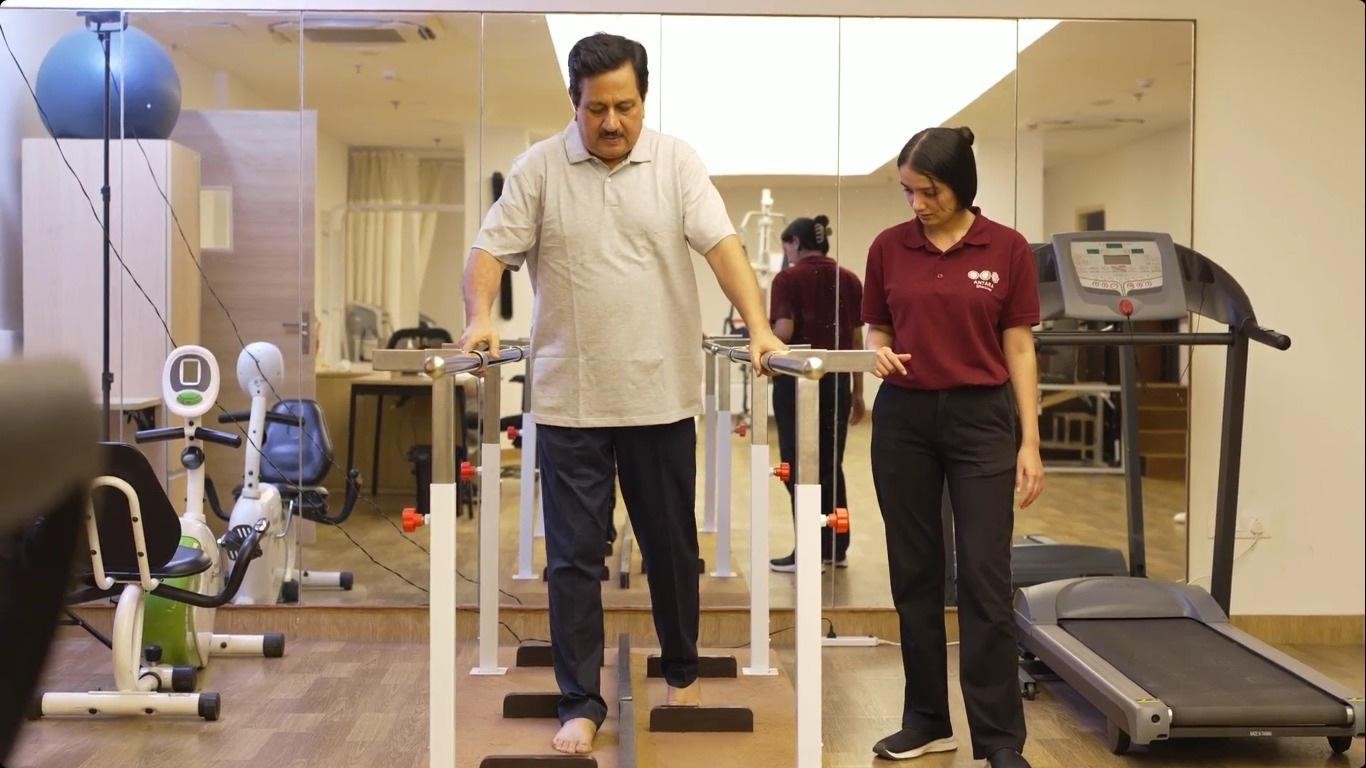
Managing Health and Preventing Complications
Spinal cord injuries bring real medical risks, and managing them matters just as much as physical therapy.
Pressure sores are common when mobility is limited. Regular repositioning helps prevent them. So does proper skin care, checked daily.
Blood clots are another risk, especially early on. Movement, even passive movement, helps reduce this. Respiratory issues can also develop, particularly with higher injuries, so breathing exercises often become part of the routine too.
Spasticity, muscle tightness that can develop after spinal injury, gets managed through stretching, positioning, and sometimes medication. Autonomic dysreflexia – a sudden, potentially dangerous rise in BP triggered by stimuli below the injury level, it is a medical emergency that families and caregivers must be trained to recognise. It occurs most commonly in injuries above T6 and requires immediate intervention. Common triggers include a full bladder, pressure sores, or tight clothing. Knowing the signs, sudden severe headache, flushing, sweating above the injury level and responding quickly is a clinical skill that good rehabilitation programmes teach formally.
Setting Goals for Spinal Cord Injury Recovery
Goals shift depending on the injury. For some, walking again is realistic, and rehabilitation builds toward that directly. For others, the focus turns to maximizing independence within new limits. Both paths are valid, and both take real, sustained work.
Good spinal cord injury treatment sets goals early, then adjusts them as progress unfolds. Small wins matter here. Sitting independently. Feeding oneself. These moments build toward bigger ones over time, and celebrating them keeps motivation strong through a long recovery.
How to Choose a Spinal Cord Injury Rehabilitation Centre
Look for a place with real experience in spine injury cases specifically, not general rehabilitation alone.
Ask about the team. If they have a neurological rehabilitation where physiotherapists, occupational therapists, and psychologists should all work together, sharing one plan. Ask how goals get set, and how often the plan gets reviewed as things change.
The environment is equally important. Check whether the centre has wheelchair-friendly spaces, mobility support, emergency facilities and other safety features needed during recovery.
Families should also be kept involved and informed throughout the rehabilitation journey.
It is also important to check whether the centre provides end-to-end insurance claim support, especially for post-operative care.
Finally, look for a centre with the right recovery infrastructure, medical support and rehabilitation therapies to help the patient work towards greater independence.
Conclusion
Spinal cord injury rehabilitation is a long road, but it's one built on real progress, not guesswork. Physical therapy, daily living skills, medical care, and emotional support all need to work together. Choosing the right team, and starting early, shapes how that whole journey unfolds. Antara Care Homes delivers comprehensive, condition-specific rehabilitation for spinal cord injury patients, from physiotherapy and nutrition to in-house pharmacy and insurance claims support – all co-ordinated under one clinical team. From therapy and nutrition to robotic gait training, in-house pharmacy and insurance support, everything is managed under one roof. This helps patients and their families to focus on recovery while the care team takes care of the rest.
FAQs
1. How long does spinal cord injury rehabilitation take?
It varies widely. Many people continue seeing progress for a year or more with consistent therapy.
2. Can someone walk again after a spinal cord injury?
It depends on the injury's severity and location. Some regain significant movement; others focus on adapting to permanent changes.
3. What does occupational therapy help with after spinal cord injury?
It helps rebuild daily skills like dressing, eating, and using adaptive tools for greater independence.
(ADVERTORIAL DISCLAIMER: The above press release has been provided by HT Syndication. ANI will not be responsible in any way for the content of the same.)