“Strengthening Anganwadis begins with empowering women who serve at grassroots”: Delhi Assembly Speaker Gupta
Oct 31, 2026
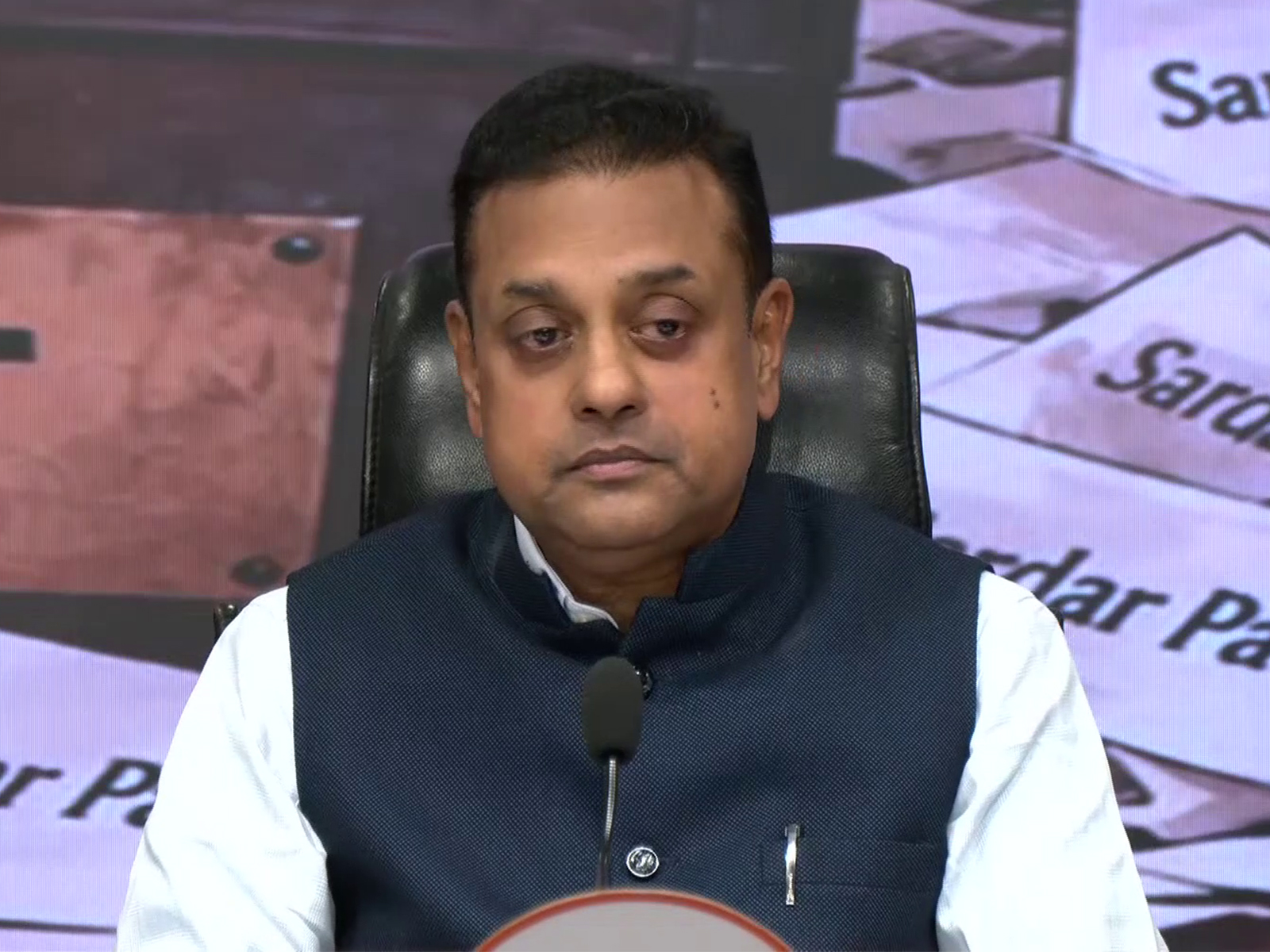
New Delhi [India], October 31 : Delhi Legislative Assembly Speaker Vijender Gupta on Saturday emphasised the need to empower Anganwadi workers to strengthen grassroots service delivery, describing them as a vital link between government welfare schemes and beneficiaries.
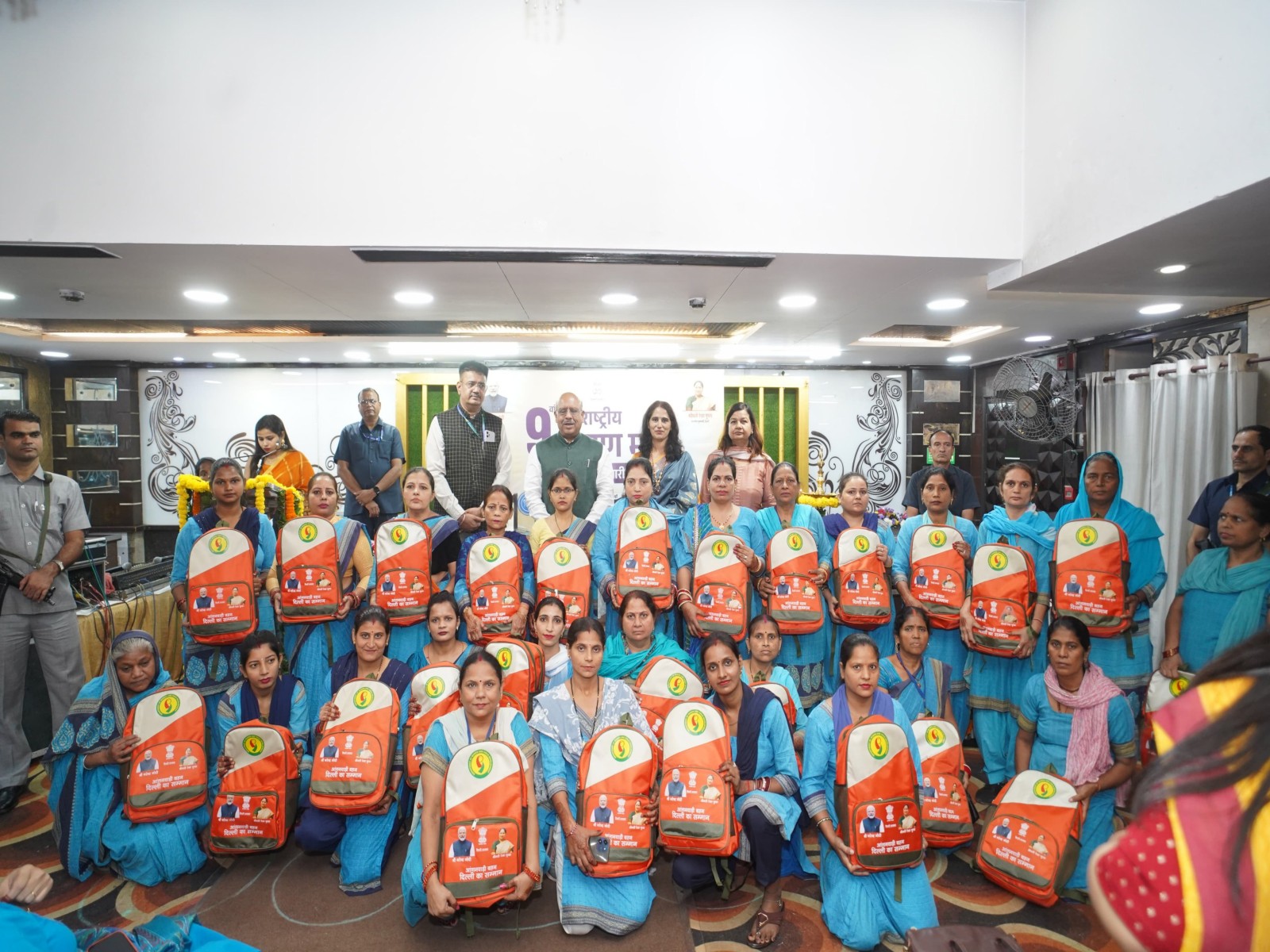
He made the remarks at a programme held at Aggarwal Dharamshala in Rohini, as part of the 9th Rashtriya Poshan Maah.
“Strengthening Anganwadis begins with empowering the women who serve at the grassroots. Anganwadi workers are the vital link between government welfare programmes and the families they are intended to serve. Their contribution must be recognised not merely in words, but through meaningful support that makes their everyday responsibilities easier,” said Speaker Vijender Gupta.
Bags and essential kits were distributed to Anganwadi workers to facilitate their fieldwork and daily responsibilities.
Organised under the theme “Hamari Anganwadi, Hamari Jimmedari” (Our Anganwadi, Our Responsibility), the programme emphasised transforming Anganwadi Centres into community-owned hubs for nutrition, early childhood development and family welfare.
Addressing the gathering, Gupta highlighted the indispensable role of Anganwadi workers in ensuring that essential nutrition and welfare services reach the most vulnerable sections of society. He observed that these frontline workers serve as the first point of contact for expectant mothers, young children and families requiring nutritional assistance.
The distribution of field kits was aimed at easing their day-to-day responsibilities, particularly household visits, community outreach and awareness campaigns, while strengthening their ability to deliver services effectively.
Emphasising that the fight against malnutrition requires sustained public participation alongside government intervention, Speaker Vijender Gupta underscored the need to strengthen Anganwadi Centres as institutions of community engagement and collective responsibility.
He noted that early childhood nutrition and development lay the foundation for a healthier and more productive society, and that improving nutritional outcomes requires close coordination between frontline workers, families and local communities. He further stressed that empowering Anganwadi workers with adequate resources and institutional support was essential to improving the reach and effectiveness of welfare programmes.
The programme reaffirmed the objectives of the Poshan Abhiyaan, particularly the need to promote nutritional awareness, strengthen early childhood care and encourage greater community ownership of Anganwadi Centres. Gupta reiterated that recognising the contribution of frontline workers and providing them with practical support would be central to ensuring that nutrition initiatives translate into tangible improvements in the lives of women and children.