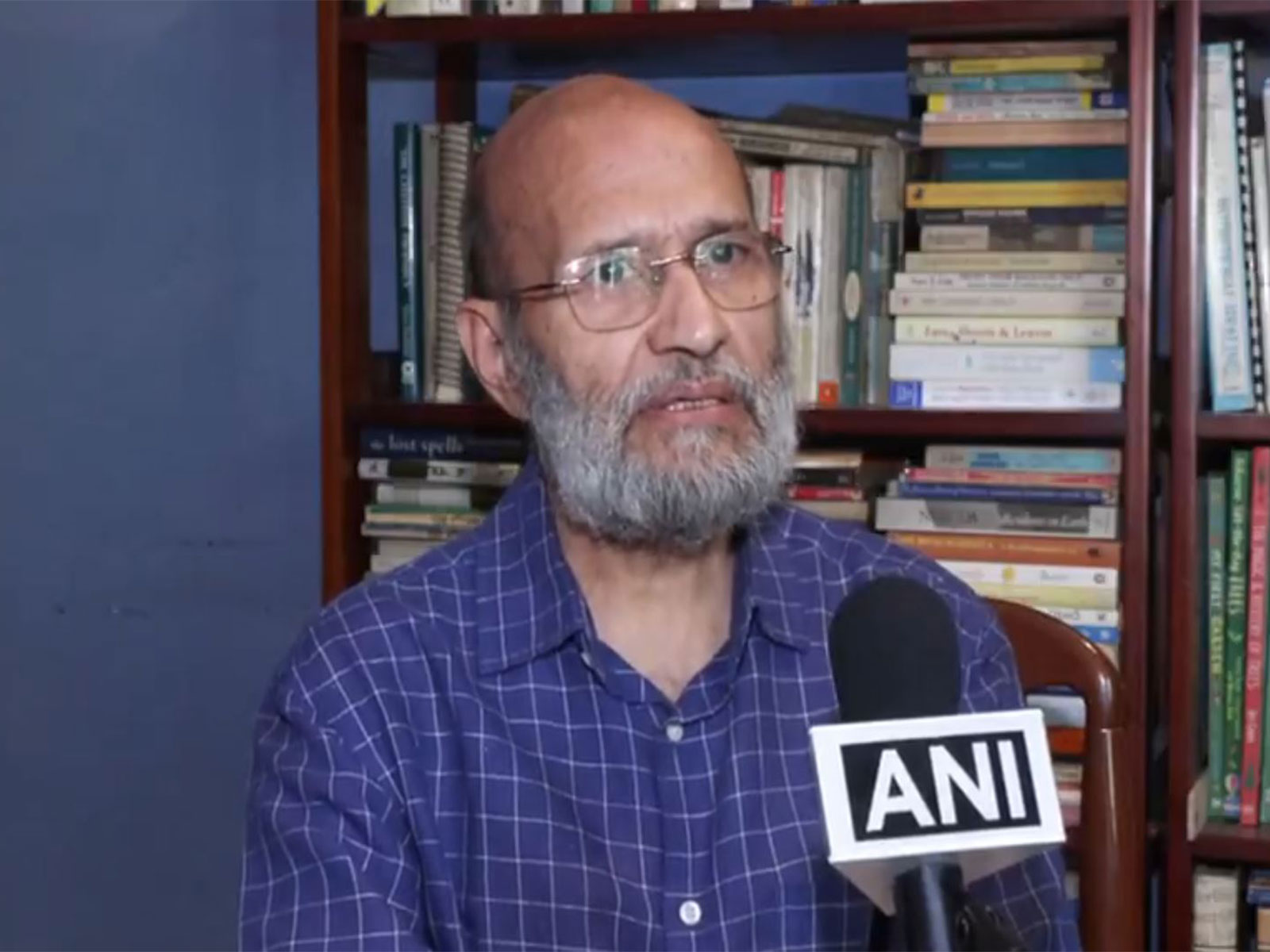
Tax wealthy, not fuel and gold: Former UN Advisor, economist Santosh Mehrotra warns of Rupee slump, job losses
May 16, 2026
By Kaushal Verma
New Delhi, [India] May 16 : Former UN Advisor and economist Santosh Mehrotra, on Saturday, urged the government to shift its fiscal strategy by aggressively taxing the super-rich and high-net-worth individuals instead of relying on regressive indirect taxes like fuel and gold duties, which he warned are compounding inflation and destroying jobs.
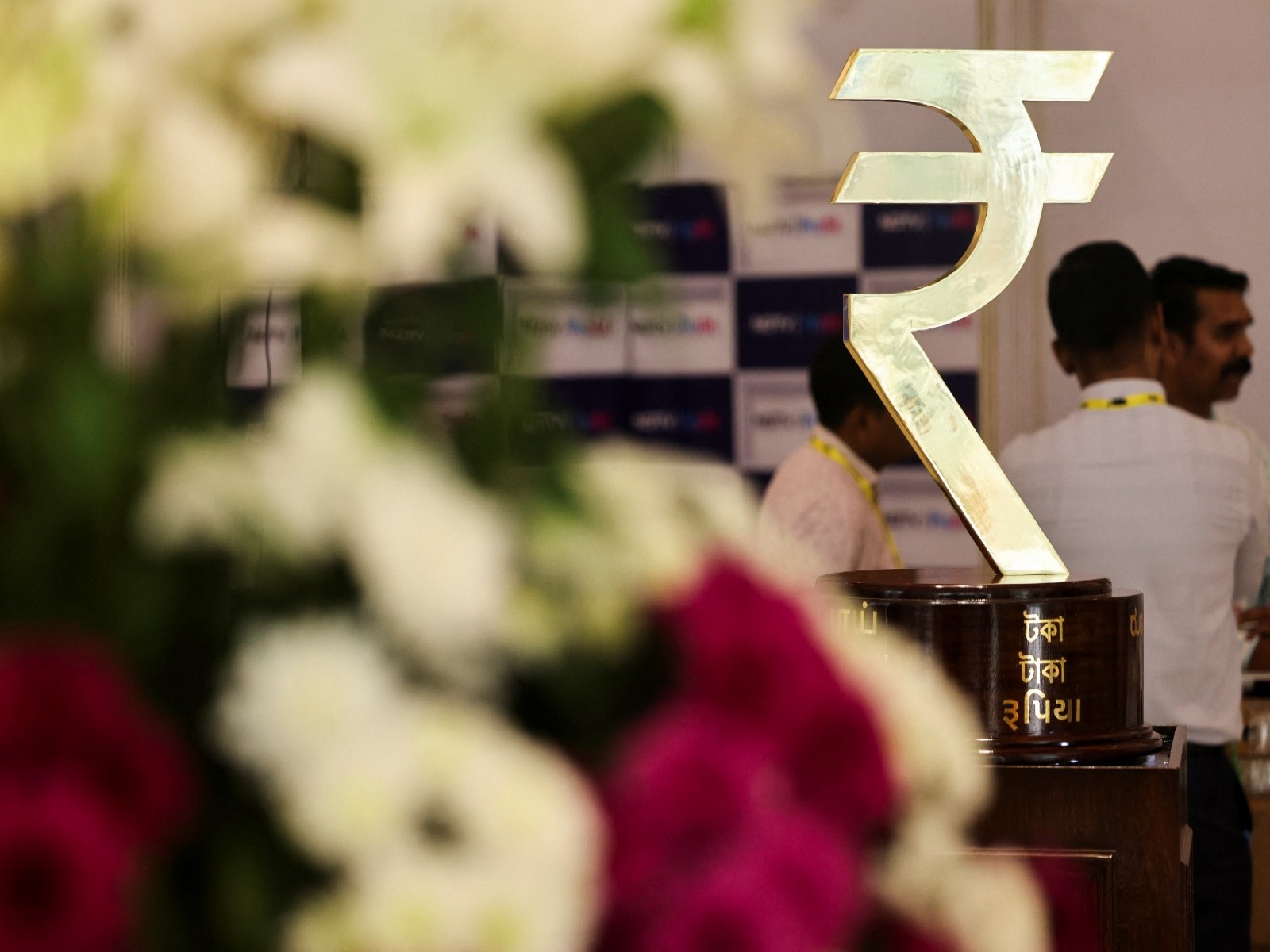
Speaking to ANI against the backdrop of escalating geopolitical tensions in West Asia, the prominent economist painted a stark picture of the macroeconomic pressures facing India, warning that the Indian Rupee could slide to ₹100 against the US dollar within the next quarter.
Mehrotra argued that higher indirect taxes on petrol, diesel and gold are worsening inflation and hurting jobs and advised the government to mobilise resources more effectively by taxing high-net-worth individuals rather than increasing duties that impact the wider population.
"It would make a lot of sense to impose surcharges on high-net-worth individuals and on dollar billionaires. You then don't have to raise the price of petrol, raise the price of diesel, apply a duty on gold and stuff like that, which leads to job losses," Mehrotra told ANI.
He added, "You can easily mobilise resources for the government by getting the super wealthy, the high-net-worth individuals to pay more," while cautioning that excessive reliance on indirect taxes disproportionately burdens middle- and lower-income households.
Mehrotra said rising inflation, slowing growth, geopolitical tensions and pressure on the rupee were compounding economic stress. He also warned that crude oil prices could surge sharply if tensions in West Asia continue.
"If the war continues, no question, it will go beyond USD 150," he said on the possibility of crude oil prices crossing USD 150 per barrel.
Mehrotra further said disruptions in oil, gas, fertiliser and LPG supplies were already affecting MSMEs and labour-intensive sectors such as ceramics, restaurants and gems and jewellery, resulting in job losses and reverse migration of workers to rural areas.
On the rupee, he cautioned that continued geopolitical tensions and external pressures could trigger sharper depreciation.
"What has happened in the last three months is that the rupee has gone from under 90 rupees to nearly 96 to a dollar. Now this is going to have its own inflationary impact," he said, adding that the rupee could "very easily" touch Rs 100 against the US dollar within a quarter.