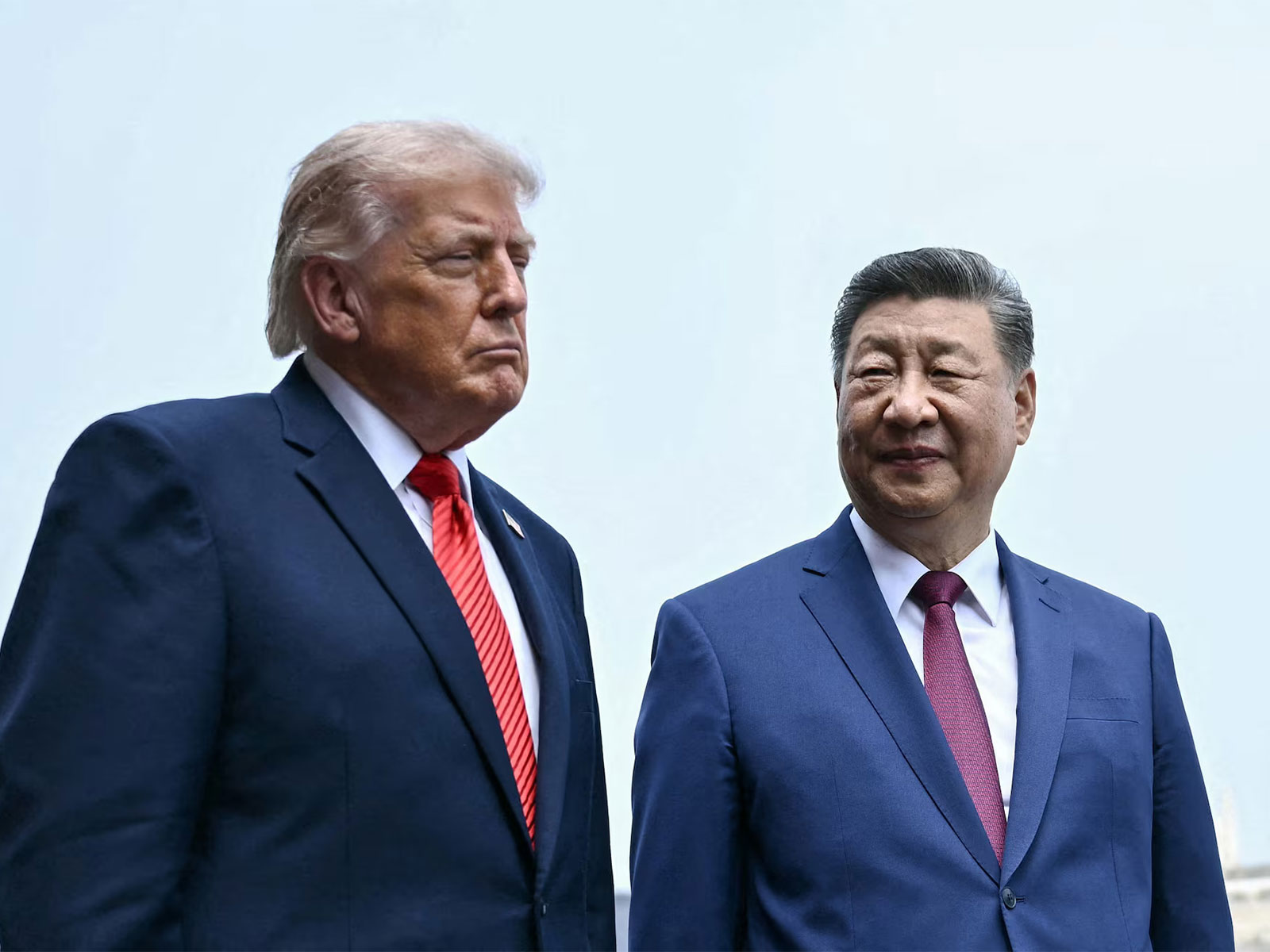
The status quo remains after Xi visits Trump
Sep 29, 2026
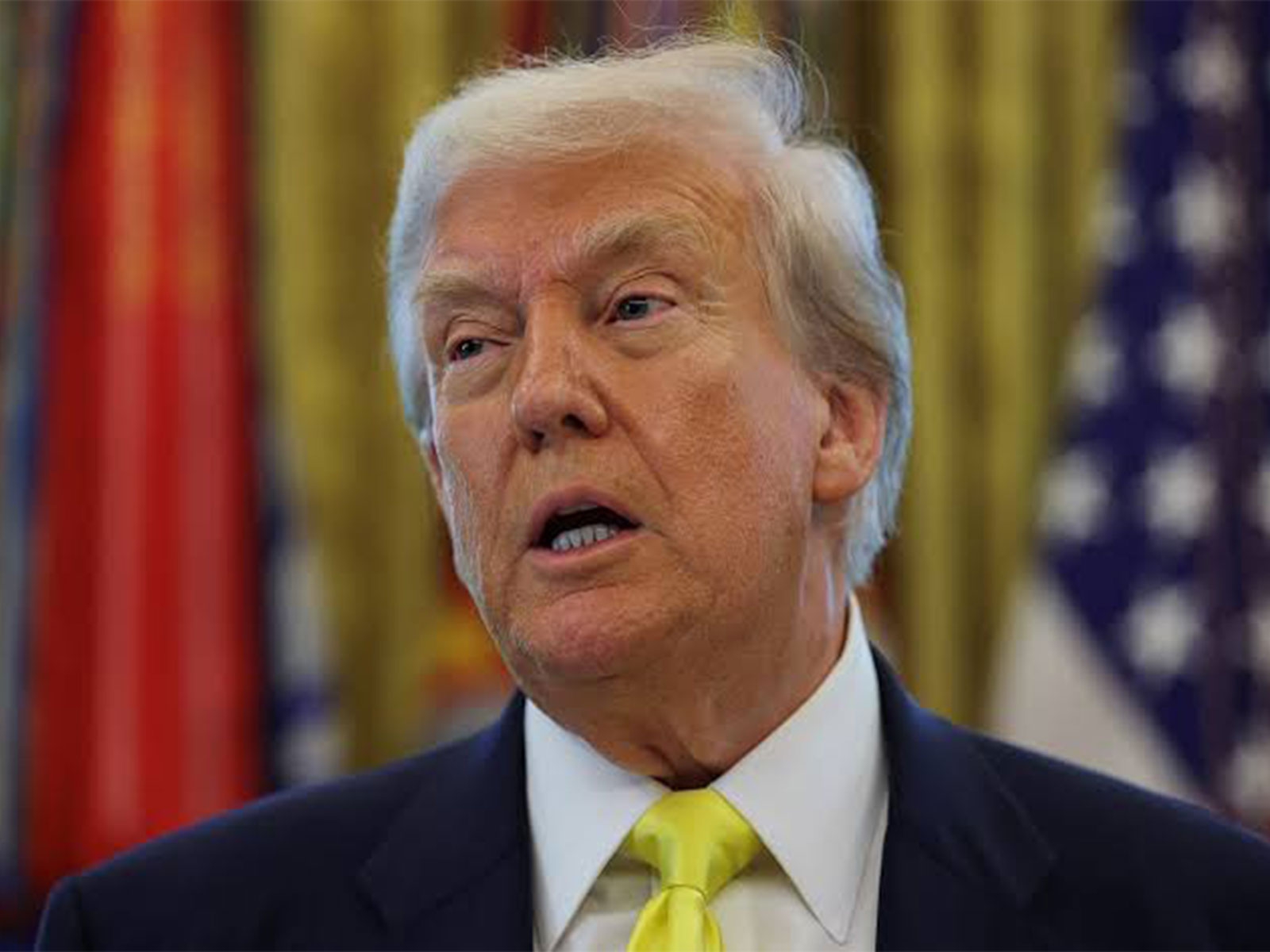
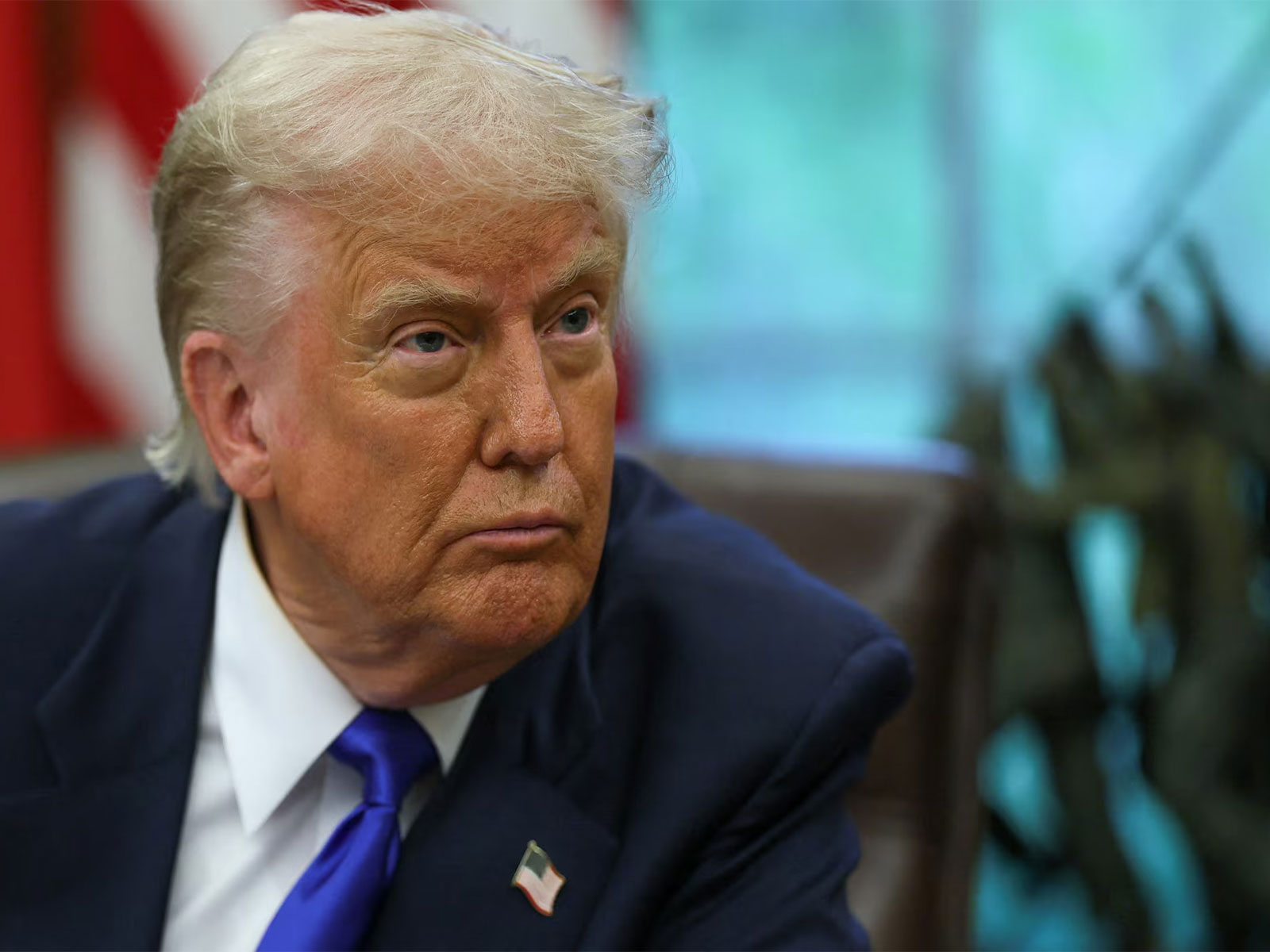
Hong Kong, September 29 : The leaders of the world’s two most powerful countries met in Washington, DC, from 23-25 September 2026. This summit between President Donald Trump and Chairman Xi Jinping was much anticipated, but the results were underwhelming and did nothing to diminish the intersecting trajectories of the two nations.
However, some take it as a positive that the two countries remain committed to engagement. Certainly, it is better than fighting, yet neither side has any manoeuvre room or appetite for compromise. That means problem areas such as Taiwan are simply kicked down the road yet again.
There were also head-scratching moments, such as when David Perdue, the US Ambassador to China, related how Trump offered to sell weapons to Beijing. What was Trump thinking? China is the USA’s greatest strategic threat, and he is offering weapons or military equipment to authoritarian China?
Ryan Hass, Director of the US-based Brookings Institution’s John L. Thornton China Center, commented, “If there was any ambiguity about whether President Trump views China as a security threat, this disclosure by Perdue puts the question to rest. Trump’s offer to sell weapons to China will be unsettling to American partners at the pointy edge of China’s spear.”
At the same time, Trump is withholding large packages of arms sales to democratic Taiwan so he can use them as a bargaining chip with China. He did so as a gesture towards Xi, but has got nothing in return. Will Trump finally realise that Taiwan is not a bargaining chip to be used in his gamesmanship with Xi?
Drew Thompson, a Senior Fellow at the S. Rajaratnam School of International Studies in Singapore, is of the opinion that, “Trump may say things off the cuff that make Taipei (and US allies) uncomfortable, but that will not change the long-term trajectory and trend of US security commitments to Taiwan. Nor will it affect cross-strait relations, which are not progressing towards Beijing’s primary objective of peaceful unification.”
However, Thompson believes Trump will not approve the next arms sales notification to Taiwan till early 2027, after an APEC meeting scheduled for November and a G20 gathering in December.
Perdue also shared this regarding Taiwan: “China has tried to coerce change in that regard. We’re not changing the language. We’re not changing our position there. We want peace across the strait. We don’t want coercion. We don’t support independence. And we think that, you know, President Xi has gotten that message. POTUS has shown respect and listened to their side of that argument, but we’re more stable on that issue today than we have been in the last decade.”
However, the USA should have given a stronger rebuttal by saying it “opposes” coercion. Comparing Perdue’s assessment with Trump’s remarks to the media showed worrying gaps too. The president said of Taiwan, “We didn’t talk about it too much. Right now it’s, you know, fine. It’s just moving along. But we didn’t spend a lot of time talking about Taiwan.”
The statements put out by the two governments after their summit indicated their different priorities too, as each jostled to put a gloss on the proceedings to prove they had gained the upper hand.
Beijing’s statement mentioned the fact that the two parties “reached eight deliverables and understandings”. The first of those points was, “The two sides agree to build ‘a constructive China-US relationship of strategic stability on the basis of respect, fairness and reciprocity’.”
Yet in its Mandarin version, China’s word for “reciprocity” has a very different nuance. For Trump, “reciprocity” is a transactional word – “If you do something for me, I’ll do something for you”. Yet China is using the word to indicate both mutual respect and equal status between two peers. This illustrates how two countries at loggerheads are battling for control of the narrative.
Other points in the “eight deliverables” were mutual support in attending the APEC Economic Leaders’ Meeting and G20 Summit in each other’s countries; an agreement that Iran should not develop nuclear weapons or exact tolls in the Hormuz Strait; and a reminder that the two countries were allies in World War II.
The latter seems an odd point. Consider that Japan and the USA were adversaries in World War II, and yet they now are allies. The opposite is true of China – they were once allies, but communist China is now a strategic competitor of the USA.
Continuing with the “deliverables”, China and the USA praised the Sino-US economic and trade consultation mechanism, as well as the Board of Trade and a reduction in tariffs. They also praised “visible outcomes” in counter-narcotics efforts. However, China’s arrest of a couple of dozen distributors is merely a drop in the flood of fentanyl flowing from China to the USA.
The final two points listed by Beijing encompassed “establishment of the China-US AI Dialogue to exchange views on risks and benefits” related to artificial intelligence. The next meeting will occur by November, and they will also establish a bilateral communication channel for AI incidents. The final deliverable was the lease of two pandas to Atlanta Zoo. Additionally, China mentioned a memorandum of understanding on crisis communication and prevention between the two militaries to be established “as soon as possible”. However, such agreements already exist, and China refuses to answer the phone when the USA calls. What point is there in rehashing this, when Beijing holds hostage any communications whenever it gets in the huff? The White House fact sheet did not mention this agreement, and one US official even said the issue was never even discussed during the summit.
In the USA’s readout of the summit, Trump reiterated that the US forward military presence contributes to a free and open Indo-Pacific, something avoided in the Chinese statement since it is a serious sticking point. The USA also called for trilateral arms control negotiations between the USA, Russia and China, something again left unmentioned by China.
Adding a dose of reality, Derek J. Grossman, Founder and Chief Analyst of Indo-Pacific Solutions, commented, “Trump wants China, Russia, US nuclear talks – ain’t gonna happen.” Drew Thompson, introduced earlier, said: “Some pundits were critical that the Trump-Xi meeting did not create breakthroughs or outcomes, and was instead long on ceremony and short on substance. The summit was never the place for detailed discussions. It is an opportunity for the two leaders to present authoritative positions and increase mutual understanding. Observers hoping for breakthroughs fail to appreciate that Xi Jinping is not a negotiator; he is the penultimate leader who guides the communist party. Summits such as Xi’s state visit serve as forcing functions and a hard deadline to prompt the two bureaucracies to work towards outcomes and reach compromises.”
The Singapore-based American suggested talks between US Treasury Secretary Scott Bessent and Chinese Vice Premier He Lifeng prior to Xi touching down in Washington, DC actually produced the most tangible outcome. They resulted in a three-month extension of a trade truce through January 2027.
As usual, the state visit was full of pageantry and photo opportunities. Xi and his wife Peng Liyuan got the full red-carpet treatment from Trump, and in fact the last time a US president greeted a head of state at Andrews Air Force Base was in 1962.
In moments of bonhomie, Trump clapped Xi on the back. Was Trump’s hospitality over the top? Some might argue so, while others describe it simply as political currency. However, the respect accorded Xi should be compared to the despicable treatment Trump and his acolytes gave President Volodymyr Zelenskyy in the White House in February 2025.
It is also unclear if Trump deliberately, or accidentally, insulted Xi by taking him to visit historical documents at the National Archives. After showing off the Declaration of Independence and the US Constitution, Trump also turned out the 1844 Treaty of Wanghia – regarded by China as an unequal treaty and emblematic of its Century of Humiliation – and the 1951 Treaty of San Francisco. China is critical of the latter, which negotiated a separate peace between the Allies and Japan on behalf of the United Nations, because it excluded China and the USSR. Consequently, Beijing maintains that the treaty’s provisions concerning Taiwan or China’s territorial sovereignty are “entirely illegal and null and void”.
These documents, as well as the 1895 letter from the Guangxu emperor to President Grover Cleveland, are considered deeply humiliating to China’s historic memory. Yet Trump gleefully showed them to Xi. Thompson commented: “Stark differences on strategic issues were downplayed. Both sides were satisfied by reporting that their positions had been made clear to the other. President Trump also made a conscious choice not to publicly raise politically explosive scandals, including China’s intelligence support to Iran, which reportedly resulted in the deaths of US service members, or the seizure of Australian F-35 parts in Hong Kong. While those immediate problems as well as the strategic issues were likely covered in the White House talks behind closed doors, there is no indication that either side compromised or closed gaps on long-entrenched positions.”
He concluded, “Both leaders got what they wanted from the visit.” There was political capital for Xi, as he heads to the 5th Party Plenum in October and the 21st Party Congress a year later. Thompson also pointed out, “The question is how Xi reciprocates, and whether Trump can translate bonhomie and protocol treatment into concessions and compromise on priority issues.”
He remarked, “Will Xi tell them Trump is sincere and they should make compromises, concessions and commitments in exchange for US concessions? Or will he tell them to hold firm, not concede anything and keep pressing the US side to accommodate
Beijing and change.”
This is the real question. China is expert at gaining concessions and giving little in return. It is therefore likely the strategic stalemate in which China and the USA find themselves will continue. With mutual suspicion reigning supreme, there is no real prospect of a shared vision and common goals.
Parsing why China views the USA so negatively, Thompson explained: “At the most macro level, Xi Jinping is deeply suspicious of the United States and the West in general. He sees the West as a threat to the communist party, a threat to ideological and political cohesion that he believes is necessary for the survival of the party. Beijing fundamentally sees the relationship in terms of competition, not cooperation (despite China’s rhetoric). Historically, competition was about catching up to the West, but today it is about surpassing, taking ‘commanding heights’, in order to gain absolute security for the party.”
Dependency on the USA is an intolerable risk for Xi. Furthermore, “All agreements with the US are a potential trap, and he will therefore not enter into an agreement that limits his decision space or actions, or increases dependency or exposure to the West,” Thompson assessed. Whether it is their trade relationship of national security matters, Washington, D.C.’s and Beijing’s interests are unaligned.
Giving another point of view, Evan A. Feigenbaum, former advisor to two US secretaries of state, noted that in “the Venn diagram between what Beijing wants and what Washington wants out of this relationship, the overlapping middle has shrunk quite a lot”.
Feigenbaum concluded, “So there really just isn’t the growth of tangible, measurable, government-enabled cooperation that you would expect from such a frenetic pace of summits. Form and function are diverging rather dramatically, compared to the decade of the 2000s, which I would describe as the high-water mark of regional and global coordination between the United States and China.”
Giving a more positive take, Thompson noted: “Trump and Xi achieved a respectful, cordial stalemate –which is a type of stability – a way to prevent differences from destabilising the bilateral relationship at least until next year. That opens opportunity for the two governments to negotiate in the coming months at functional levels to continue to make progress on difficult issues.”