"There is an employability problem": EAC-PM Member Sanjeev Sanyal flags skill gap, says companies struggle to find 'right mix of skills'
Aug 19, 2026
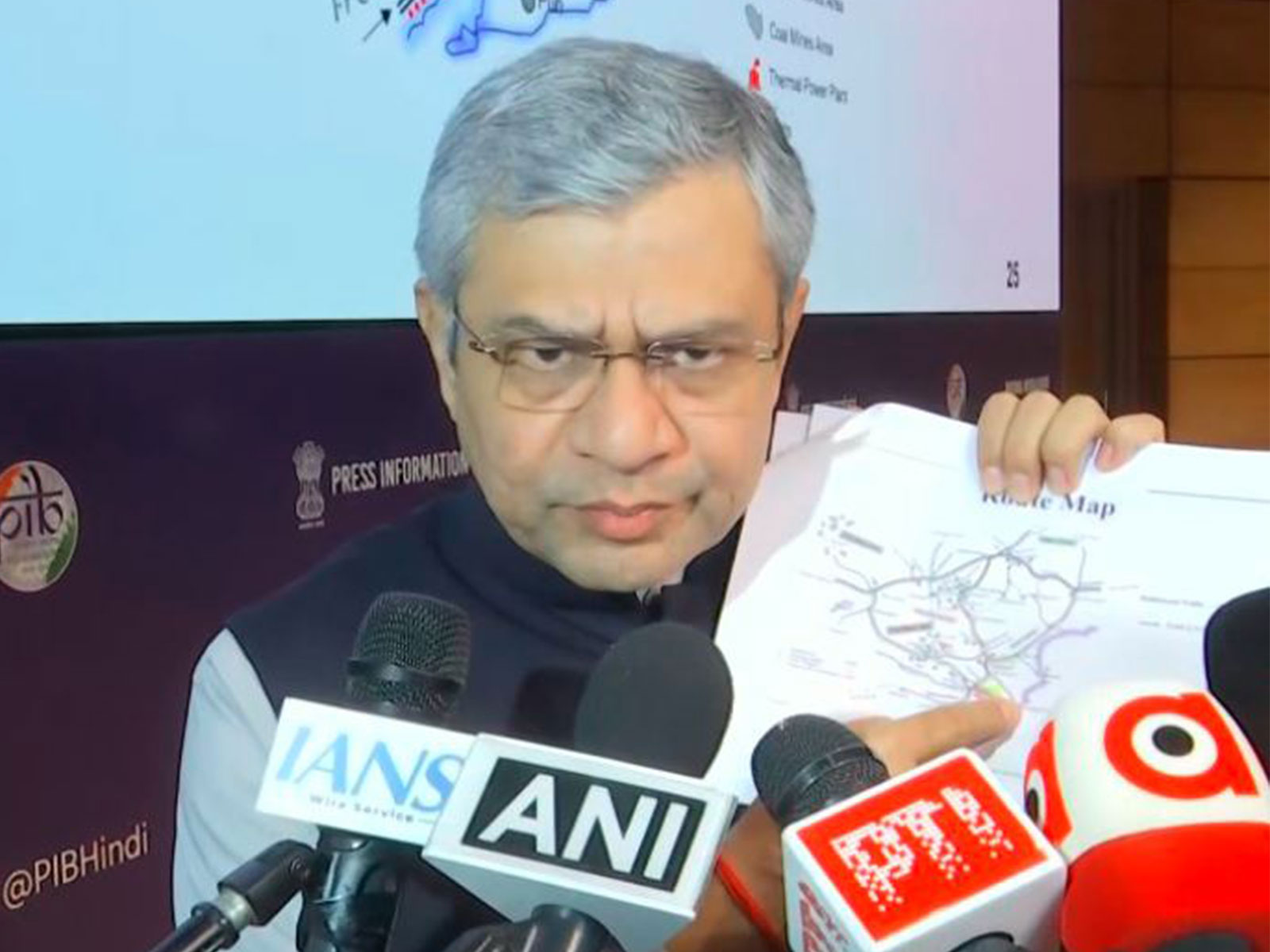
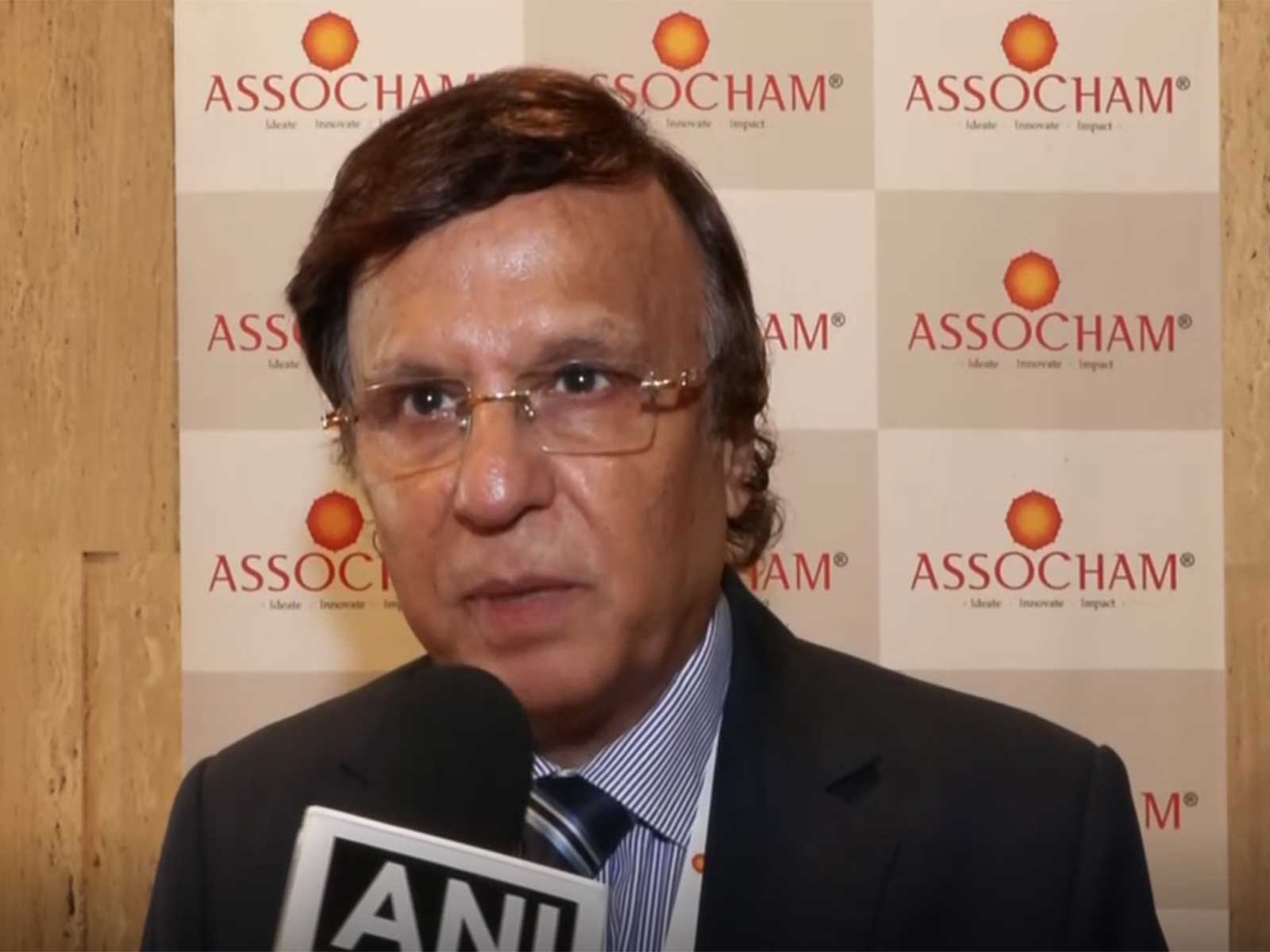
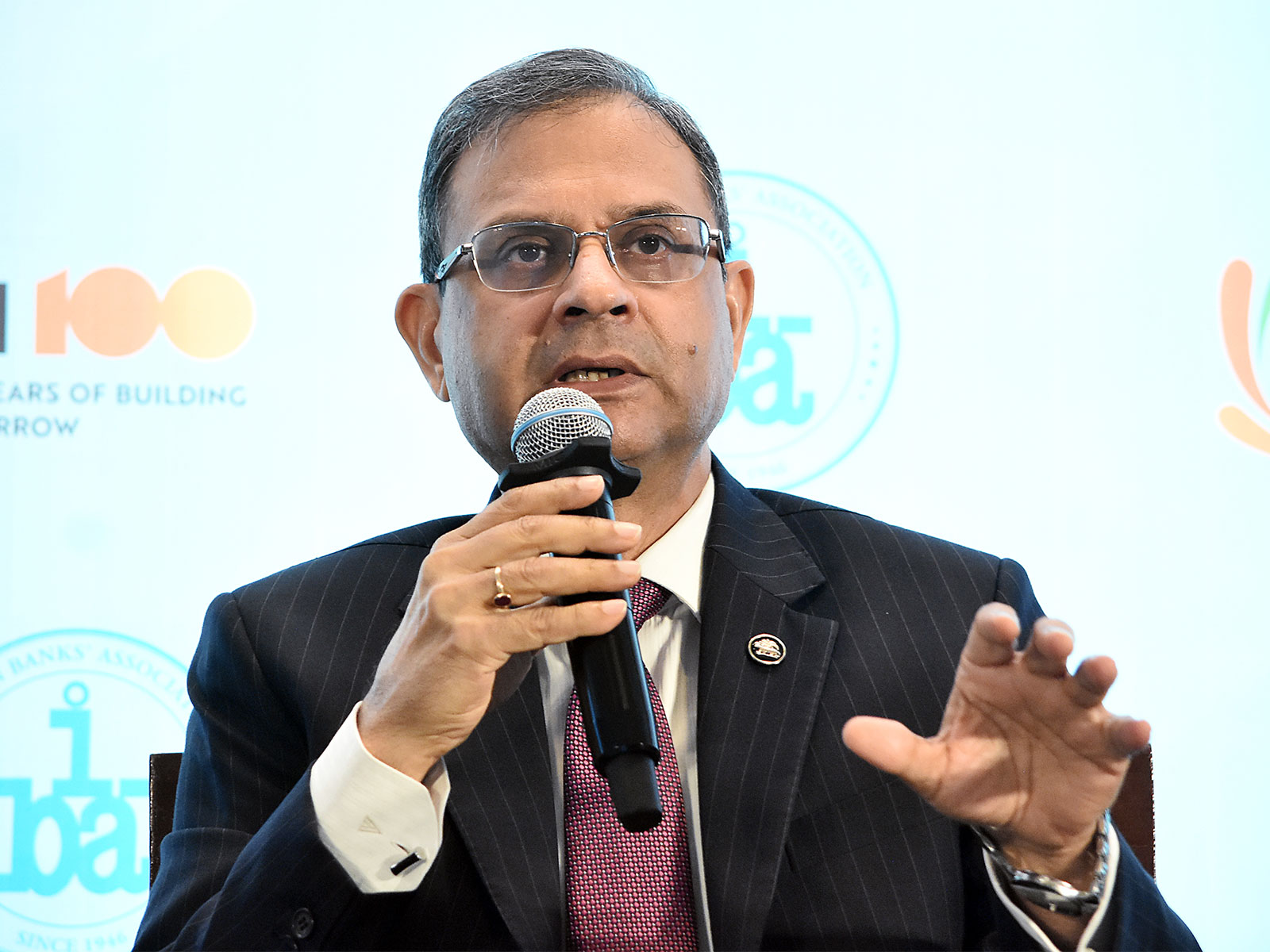
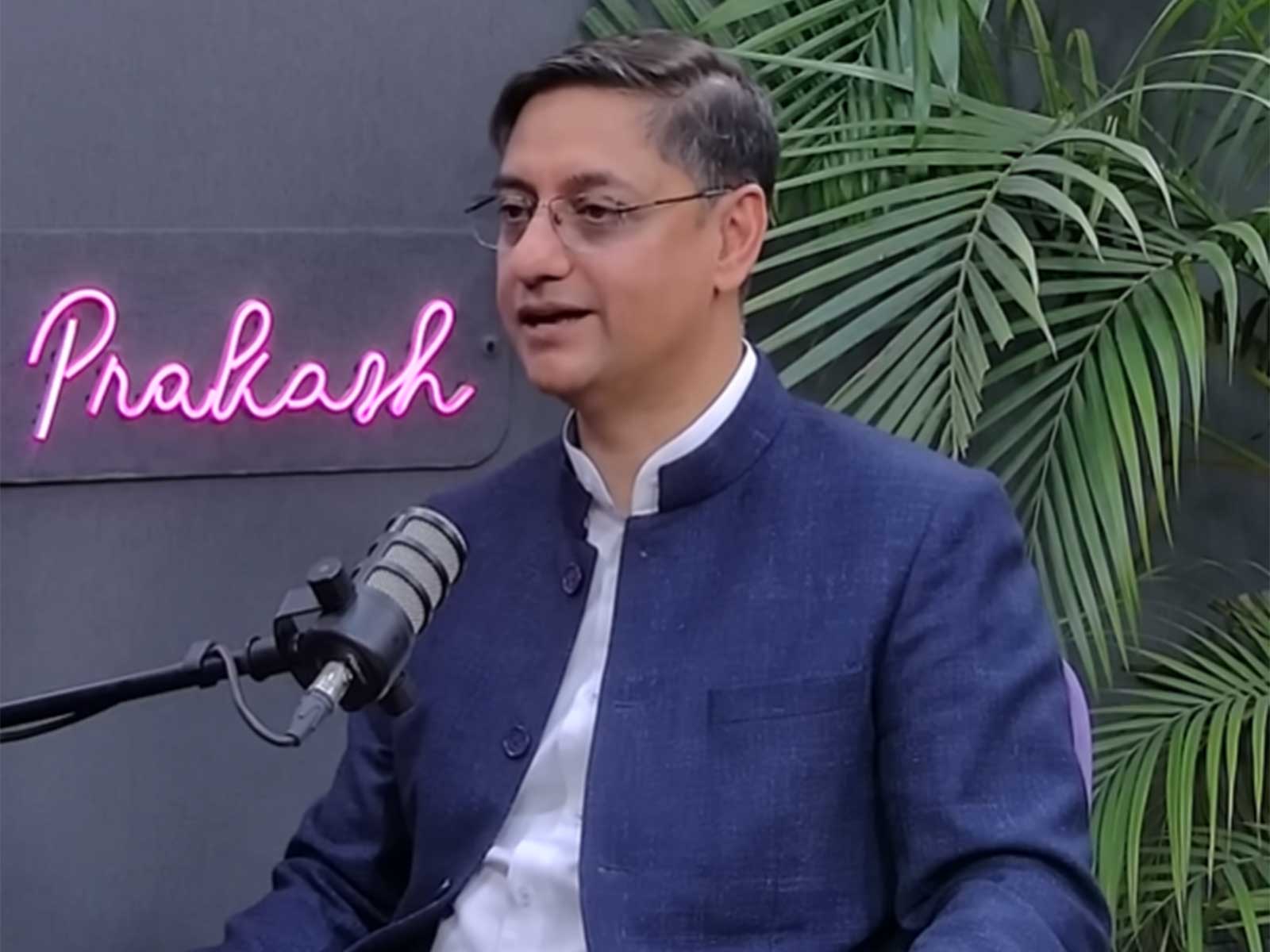
New Delhi [India], August 19 : Sanjeev Sanyal, Member of the Economic Advisory Council to the Prime Minister (EAC-PM), said India's education system needs to be fundamentally reoriented towards careers, jobs and skills, arguing that the country is facing an "employability problem" rather than simply an unemployment problem, with many graduates lacking the skills required by industries even as companies struggle to find workers with the "right mix of skills".
In an interview with ANI, Sanyal said many graduates are not adequately trained in areas where jobs are being generated, while companies, including large firms and Small and Medium Enterprises (SME), struggle to find people with the right mix of skills and motivation.
Sanyal said, "Rather than an unemployment problem, there's an employability problem that needs to be thought seriously." He said India needs to direct its education system "much more clearly towards careers, jobs, and skills" and address the social perception around vocational and practical skills.
He said companies often report a shortage of suitably skilled workers even as graduates struggle to find jobs.
"A lot of the graduates that come out of our system come out not adequately trained in the area where jobs are being generated. If you talk to companies, even large companies, but also particularly SMEs and so on, they will tell you they actually have a shortage of people, that they can't seem to be able to hire enough people with the right kind of mix of skills," he added.
On competitive examinations, Sanyal said standardised exams were introduced to replace a more complicated system and argued that the focus should be on improving their functioning rather than rejecting them.
"Don't forget what the world was like before it existed. It was a world of multiple exams with capitation fees and so on. The whole reason you wanted this is to create a standardised system where you take one exam in that space and hopefully, young men and women can prove themselves in that field. The NEET system is not an improvement on the previous system is simply missing the point. After all, what is the other system? So yes, we need to make this one work, but let the debate be about how to make it work rather than about whether NEET is a bad system. I'm sorry. The alternatives are much, much worse," Sanyal said.
Sanyal stressed that examination integrity must be ensured at every stage, from setting questions to conducting the examination and declaring results.
He said, "There is obviously the integrity of the examination system itself, which is how the questions are set, making sure that those questions are not leaked, and of course the taking of the exam and making sure that the results are commensurate with the performance of the student."
Sanyal said the concept of a "productive" job also needs to be reconsidered, "What a good society is, where the labour market is fluid. The economist's view of a good labour market is not one of secure and so-called productive jobs. But whether or not the labour market is fluid and is able to keep adjusting to the new requirements of the system. So that is what is, for an economist, a good labour market."
Sanyal also advocated allowing young people to enter the workforce earlier while pursuing education alongside employment.
"For a large proportion of people, they should be able to go to work at 18 and be able to do their course on the side. And by the way, many people do it already. You ask commerce students, for example; they do the chartered accountancy on the side. They are going to work. They are doing apprenticeships. This should actually be the way much of education should happen. You can begin to deploy 18-year-olds into the workforce, and they can enhance their skills along the way," he added.