TMC faces upheaval as Muslim vote fragments; BJP consolidates gains in West Bengal
May 04, 2026
By Vinay Sharma
New Delhi [India], May 4 : The 2026 West Bengal Assembly elections have delivered a significant blow to the Mamata Banerjee-led Trinamool Congress (TMC), as the long-held assumption of a consolidated Muslim and secular vote bank has crumbled.
A surge of regional and identity-based parties has successfully fractured the TMC's traditional support base, paving the way for a dominant showing by the Bharatiya Janata Party (BJP) in urban and suburban corridors.
The high-stakes state assembly elections were narrativised as "saving Bengali culture", with both the Bharatiya Janata Party (BJP) and TMC attempting to marry food and politics. The West Bengal Assembly elections witnessed door-to-door campaigns by candidates, especially from the BJP, holding fish in their hands.
In other words, the West Bengal assembly elections witnessed political parties engaging in a mix of identity politics and lifestyle choices.
It can be argued that West Bengal witnessed massive polarisation of voters during election campaigns, with the BJP taking a firm stand in favour of ousting illegal Muslim immigrants from Bangladesh in order to consolidate the Hindu vote and the fragmentation factor among Muslim voters, with various regional parties attempting polarisation of the 'other side' with promises of restoring Muslim 'dignity'.
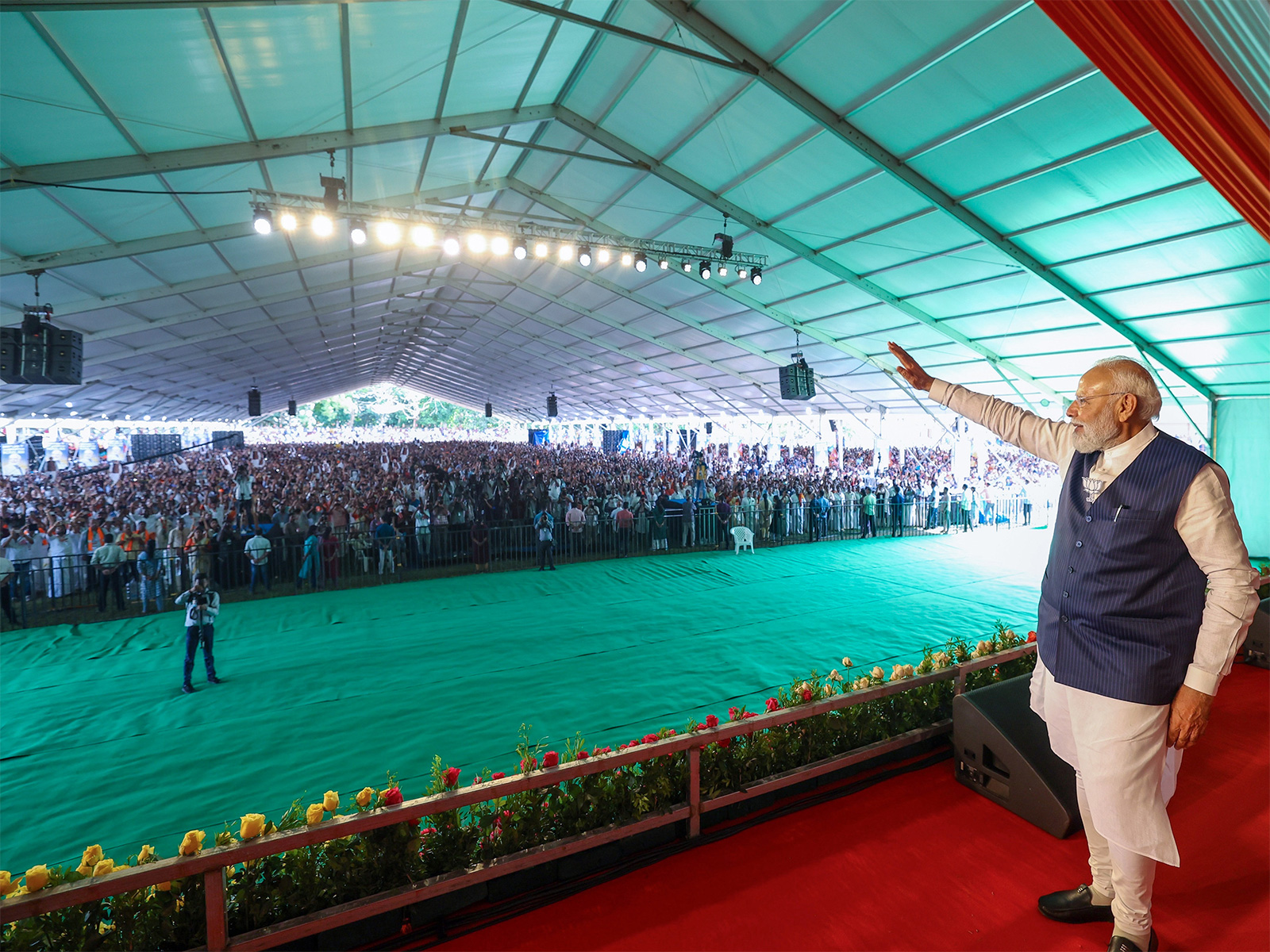
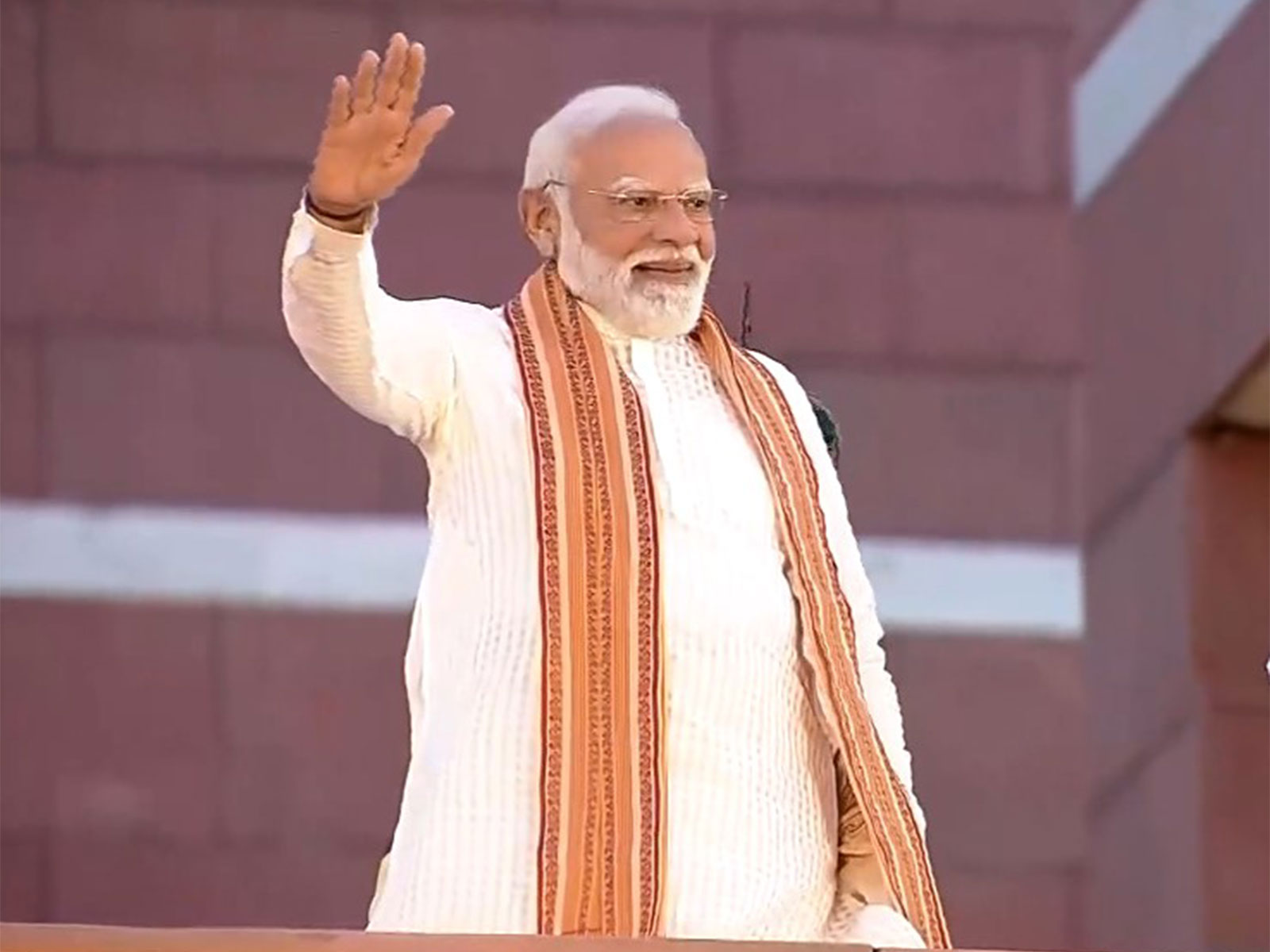
TMC campaigns attacked and countered the BJP over the latter's charge regarding 'unregulated migration' of illegal immigrants from Bangladesh. The BJP tending to the urban-suburban population with such issues seems to have worked well in consolidating the 'Hindu' vote.
While the TMC relied on its "saving Bengali culture" narrative to unify voters, the emergence of smaller parties catering specifically to Muslim representation and "dignity" has stripped away crucial margins. These votes did not shift to the BJP; rather, they were absorbed by a cluster of regional players.
The pro-Muslim parties have managed to put cracks in Muslim votes, giving way for the BJP's consolidation of seemingly united Hindu vote, including secular ones, especially in urban areas.
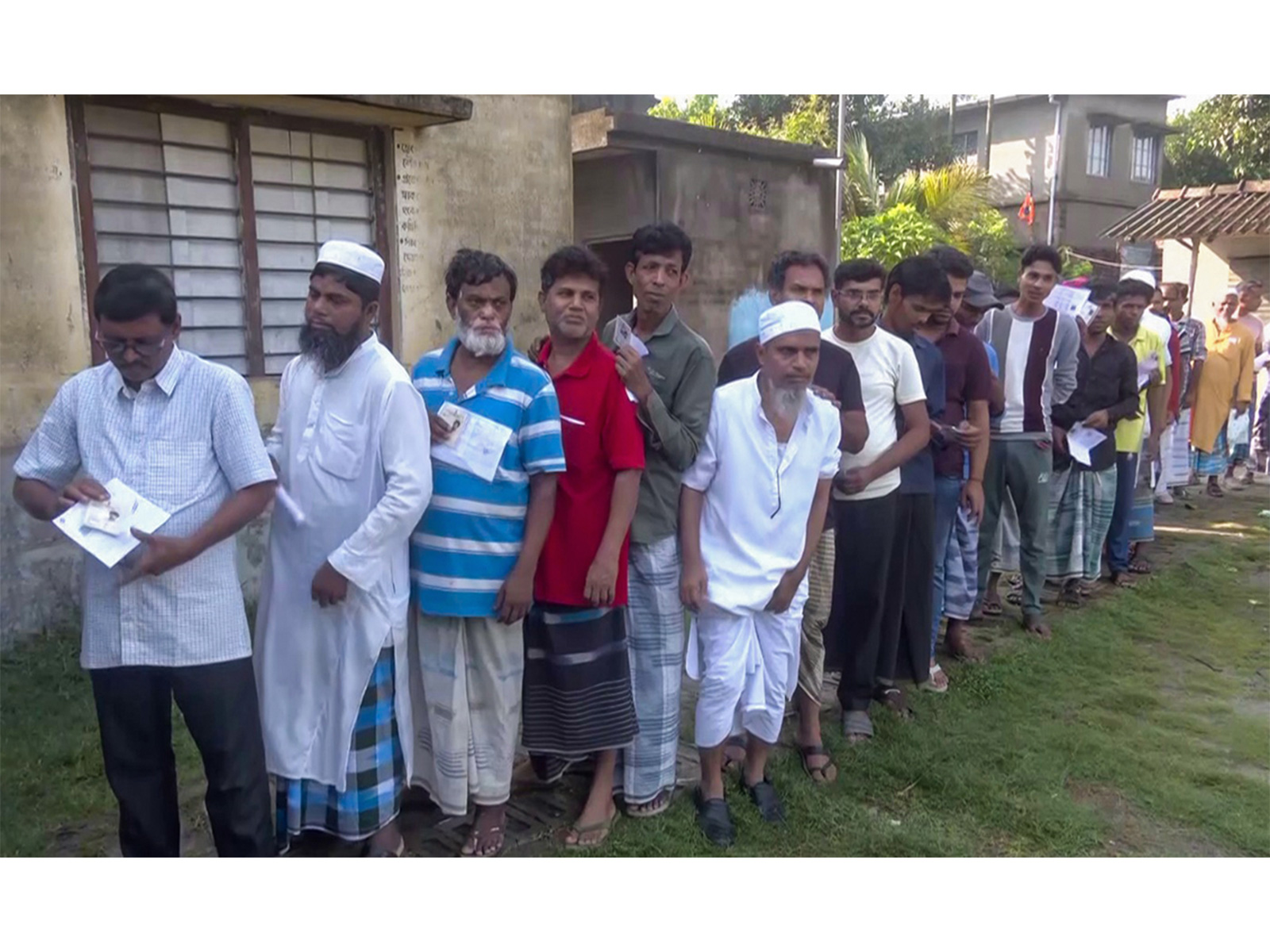
Traditionally, the Mamata Banerjee's party has relied on the consolidation of the Muslim vote. However, it has changed in these Assembly elections, with the BJP gaining in some of the constituencies fully or partially dominated by Muslim electors.
It must be noted that Muslim votes where TMC is losing ground have not been shifted to the BJP, but the cluster of regional parties playing to the gallery of Muslim and somewhat secular vote, while emphasising the need for Muslim representation and dignity.
Aam Janata Unnayan Party (AJUP), founded by suspended TMC leader Humayun Kabir, has made a dramatic impact. Kabir has won from the Rejinagar and Nowda assembly constituencies by margins of 58,876 and 27,943 votes, respectively, while All India Secular Front (AISF), MD Nawsad Siddique, maintains a lead of over 28,000 votes in Bhangar.
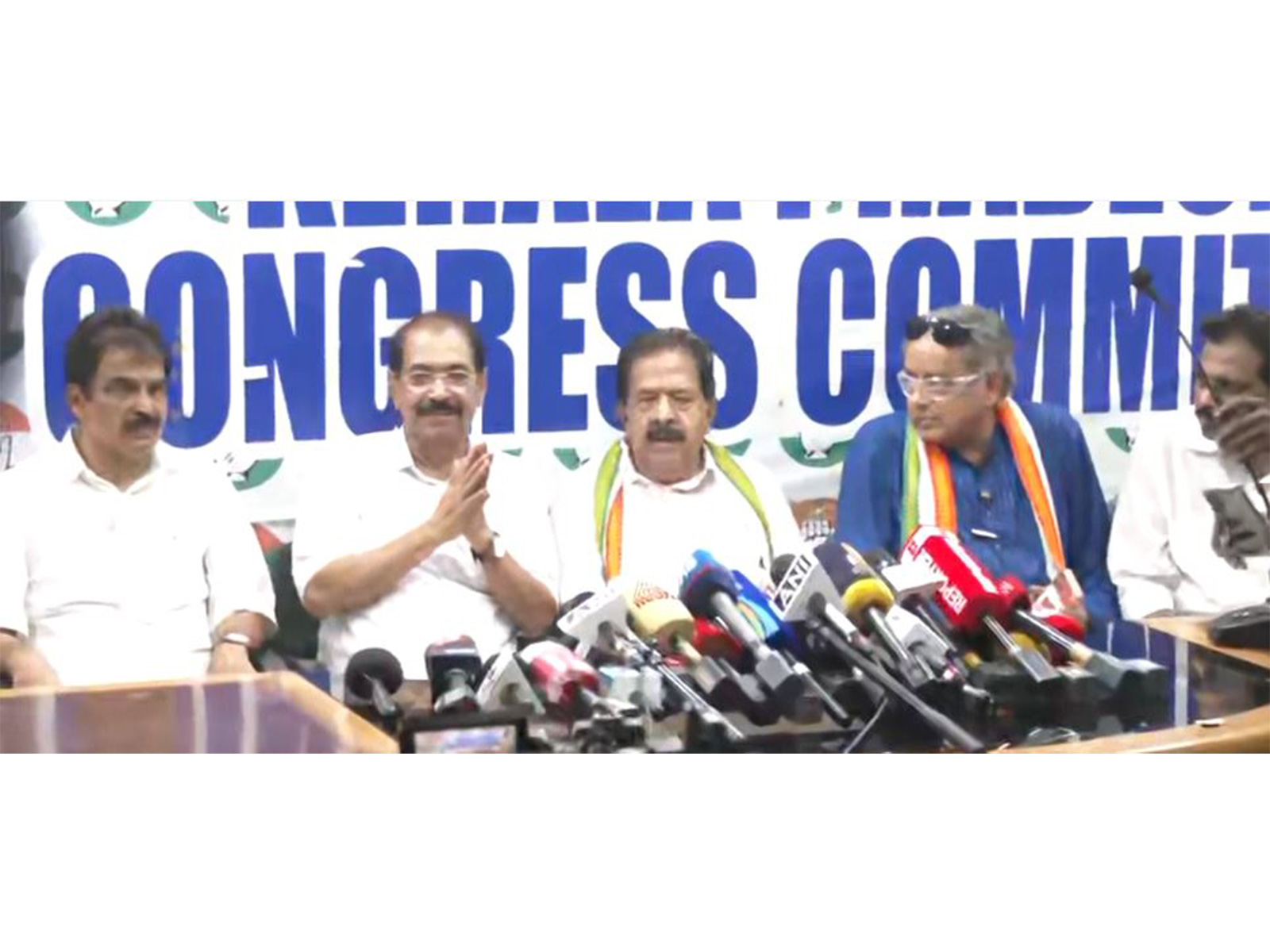
Two candidates from the Muslim community fielded by Congress - Motab Shaikh and Julfikar Ali - have also won from Farakka and Raninagar assembly constituencies, respectively.
The CPI(M), allied with Abbas Siddiqui's ISF, has gained ground in Domkal, with candidate Mostafijur Rahaman leading. Congress's Motab Shaikh is currently holding a lead in Farakka by over 8,000 votes.
Humayun Kabir stirred a political controversy by laying the foundation stone of Babri Masjid in Murshidabad district, where scores of Muslims visited from across different states and offered prayers.
Kabir was suspended by the TMC for raising these issues as Mamata Banerjee's party campaigned in favour of secular principles and maintaining the religious harmony in West Bengal.
All this to say that TMC has failed to consolidate the Muslim vote in key constituencies dominated by electors from the Muslim community.
According to ECI, the recorded vote share of the BJP stands at 45.64 per cent, followed by TMC at 40.80 per cent.
Other parties, including CPI(M) and Congress, hold smaller vote shares at 4.35 per cent and 3.11 per cent, respectively.
The results represent a failure of the TMC's attempt to project itself as the sole protector of minority interests against the BJP's firm stance on illegal immigration. By failing to keep regional spoilers at bay, Mamata Banerjee's party now finds itself caught in a pincer movement: a unified Hindu electorate on one side and a fragmented, disillusioned minority vote on the other.