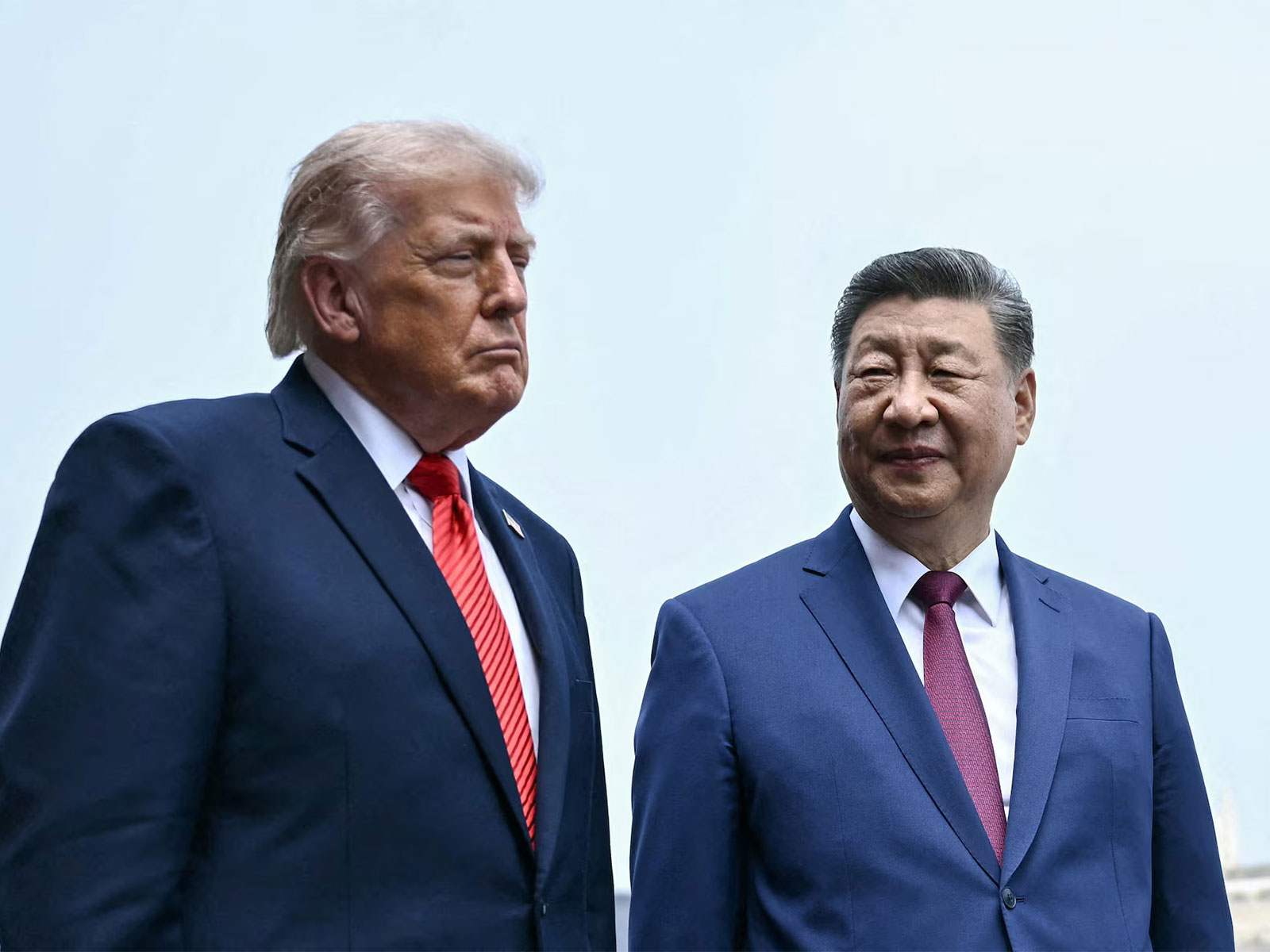
Trump’s $14 billion "bargaining chip", Taiwan arms sale looms over Xi summit: NYT report
Sep 21, 2026
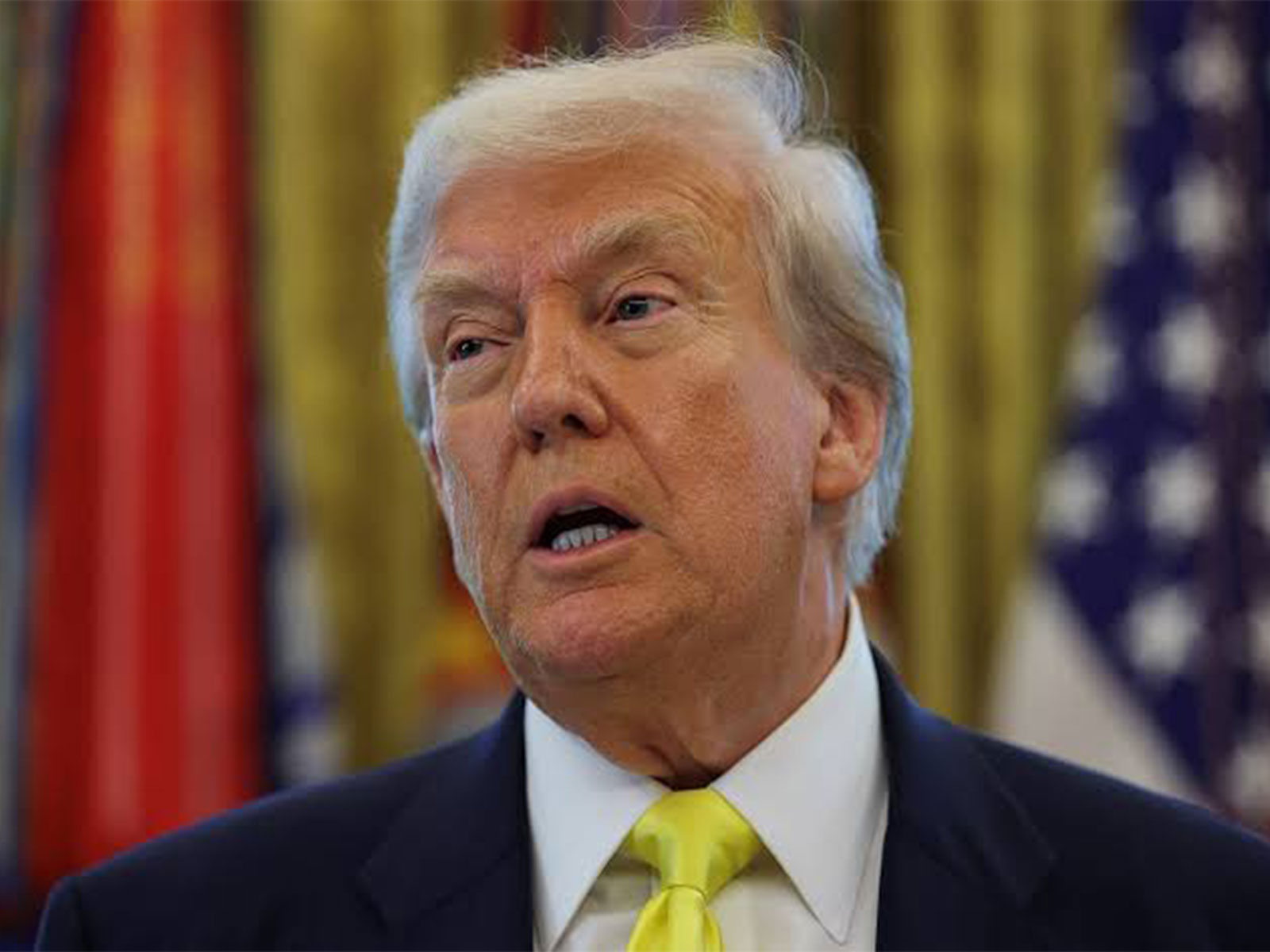
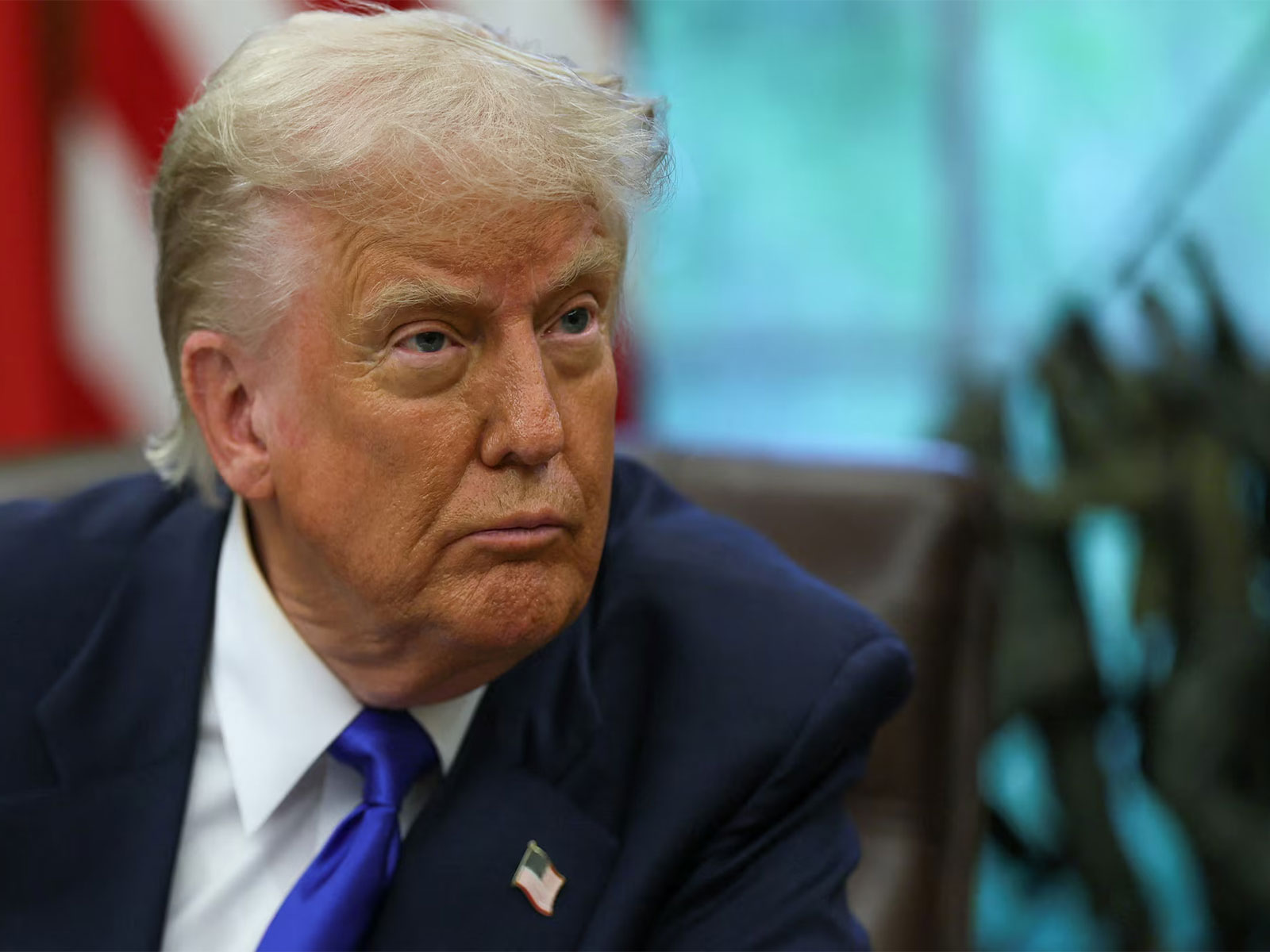
Washington, DC [US], September 21 : A proposed USD 14 billion US arms sale to Taiwan is emerging as a critical point of friction ahead of US President Donald Trump’s meeting with Chinese President Xi Jinping this week, as Beijing urges Washington to maintain a freeze on the transaction while Taipei stresses that safeguarding the island directly serves American interests, according to a report by The New York Times.
The report indicates that Xi is anticipated to press Trump to further postpone the delivery package, which encompasses defensive assets such as missiles, anti-drone systems and air-defence infrastructure. Trump has previously deferred approval of the transfer, characterising the arrangement as a potential “negotiating chip” in diplomatic engagements with Beijing.
Beijing asserts sovereignty over Taiwan and consistently objects to any military transactions between Washington and the self-governed island. This diplomatic tension has escalated ahead of the upcoming Washington summit, where bilateral discussions are slated to cover economic exchanges, technological competition and broader areas of disagreement.
Taiwan depends substantially on American defence backing to bolster its capabilities against mounting military pressures originating from the mainland. During prior discussions, Xi cautioned Trump that mismanaging the Taiwan file could severely damage overall US-China ties.
Xin Qiang, director of the Centre for Taiwan Studies at Fudan University, informed The New York Times that Taiwan remains the single most volatile factor capable of triggering a sharp diplomatic rupture between the two superpowers, making the prolongation of the arms freeze a primary objective for Beijing.
Meanwhile, Trump has positioned the military package as a tactical instrument for leverage. Following a meeting with Xi in Beijing last May, Trump characterised the proposed transaction as a “very good negotiating chip” for Washington.
In the event that the US administration proceeds with the sale, Beijing retains alternative countermeasures, including potential curbs on rare-earth exports or a decision by Xi to forgo the upcoming Group of 20 summit in Miami this December, which Trump is scheduled to host.
For Taiwanese President Lai Ching-te, the protracted delay presents acute domestic political challenges. Lai has actively advocated for enhanced defence budgets and expanded procurement of US military hardware, responding in part to Washington's demands that international partners assume greater financial responsibility for their security.
Ryan Hass, a former China director at the US National Security Council and current Brookings Institution fellow, told The New York Times that Beijing's tactical approach likely seeks to drag out the review process to allow China's military modernisation to outpace Taiwan's force acquisition timeline.
Despite these hurdles, operational security cooperation between Washington and Taipei persists. Taiwanese Defence Minister Wellington Koo noted an increased operational visibility of American military advisers during the territory's recent annual Han Kuang drills.
Furthermore, Chen Ming-chi, a deputy Taiwanese foreign minister managing US affairs, told The New York Times that officials in Washington remain cognisant of the strategic necessity of maintaining steady arms transfers.
The prevailing ambiguity represents a departure from Trump's first presidential term, during which his administration cleared approximately USD 18 billion worth of defensive equipment for Taiwan.
In his current term, Trump has prioritised pragmatic diplomatic engagement with Beijing, accompanied by a noticeable scaling back of official public commentary concerning Taiwan, a trend highlighted in an analysis by The New York Times noting that US War Secretary Peter Hegseth and other officials have omitted references to the island in major addresses.
Consequently, the arms dispute intensifies the sensitivity of the presidential summit in Washington, where Taiwan will vie for priority alongside trade negotiations, rare-earth supply chains, artificial intelligence policies and the ongoing war involving Iran.