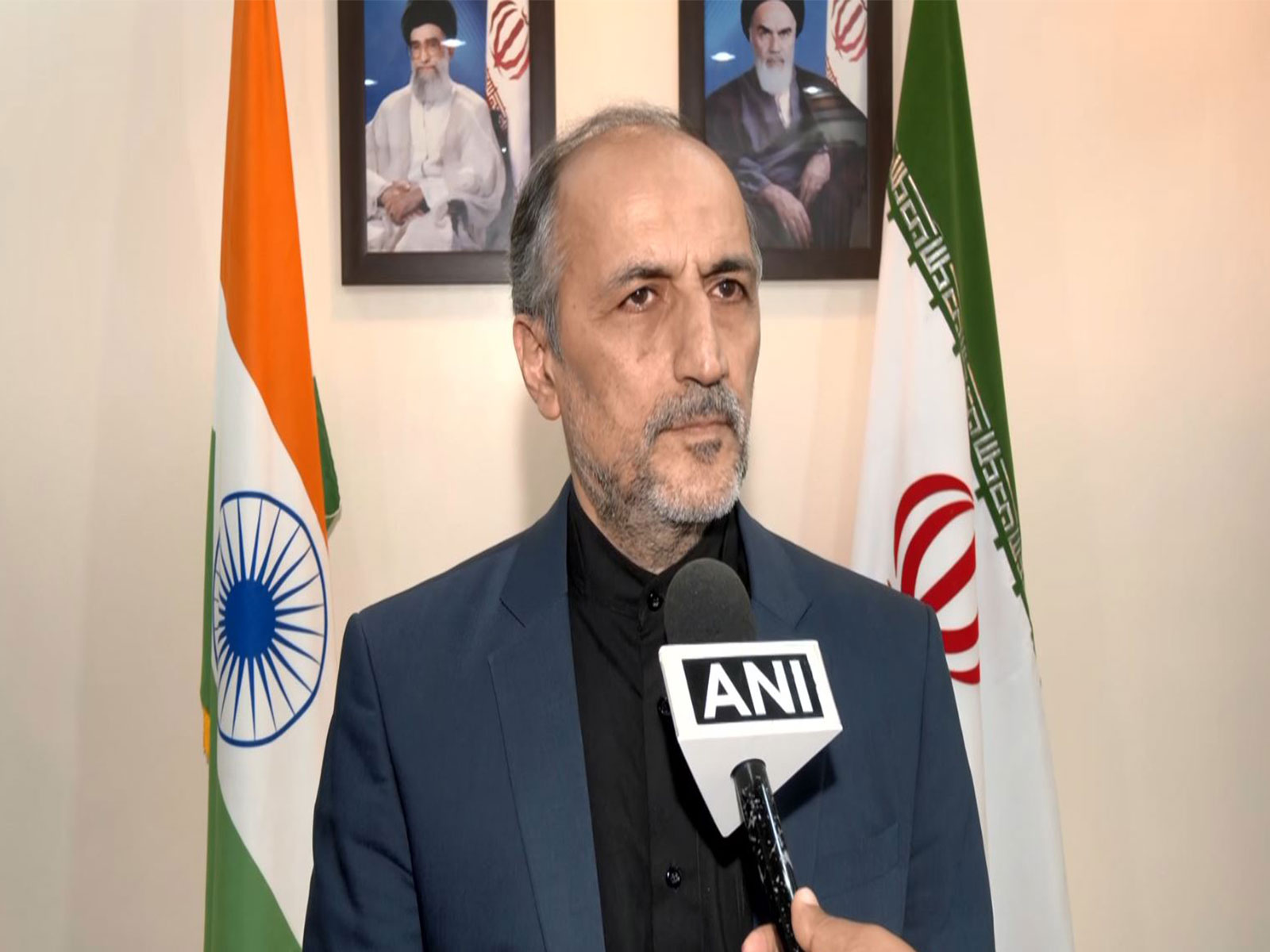
Trump's claims of "collapse" stem from "propaganda": Iranian Consul General in Mumbai
Apr 29, 2026
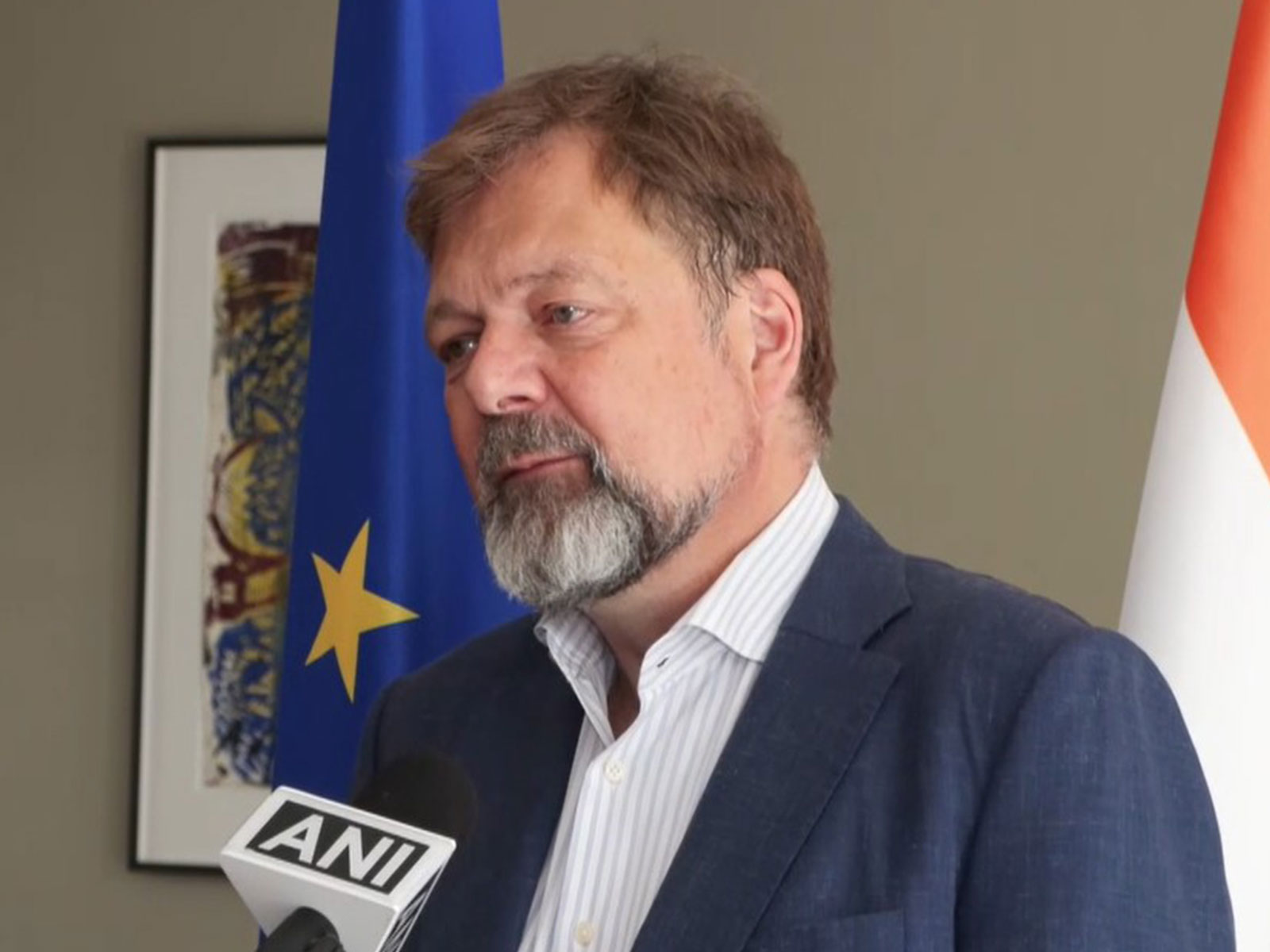
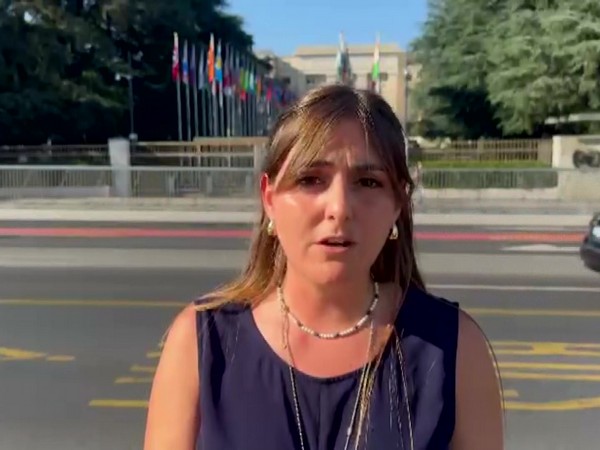
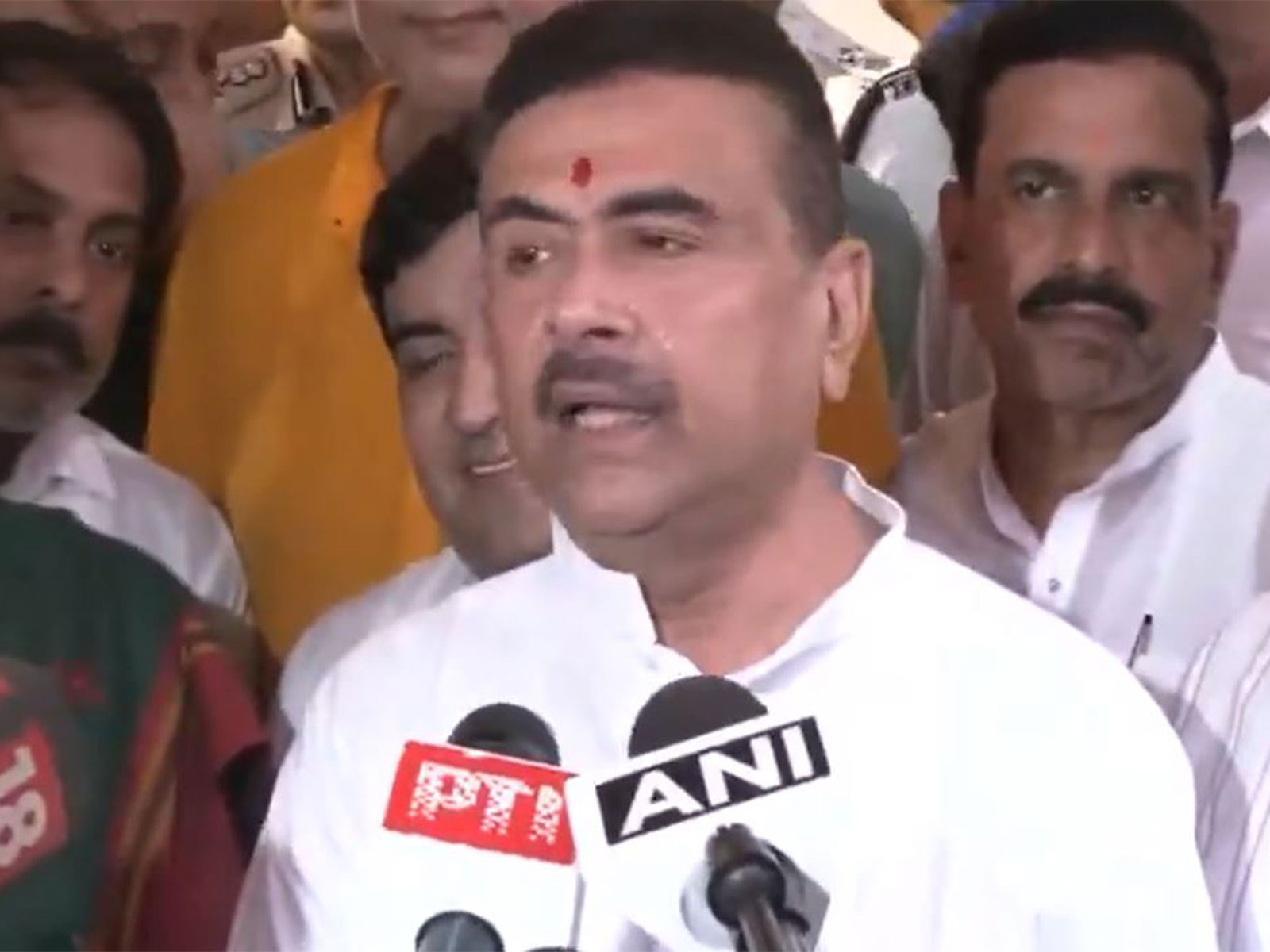
Mumbai (Maharashtra) [India], April 29 : Iran's Consul General in Mumbai, Saeid Reza Mosayeb Motlagh, has dismissed claims regarding Tehran's economic and political stability, describing assertions made by US President Donald Trump as often stemming "either from misperceptions or from propaganda considerations."
Speaking to ANI, the Consul General addressed the alleged financial losses and diplomatic pressure facing the Islamic Republic, stating that he had "not encountered any credible source supporting the assertion that Iran is incurring daily losses of such magnitude."
These remarks come as President Trump has voiced significant dissatisfaction with Tehran's recent diplomatic overtures. The US President asserted that Washington will not advance negotiations unless the nuclear issue is tackled directly.
President Trump also claimed that Iran had indicated it was in a "state of collapse" and was consequently pushing for the reopening of the Strait of Hormuz "as soon as possible". Highlighting global security risks, Trump warned that should Iran obtain nuclear armaments, "the whole world would be held hostage".
Addressing these economic pressures, Motlagh warned that any attempt at an economic blockade would be counterproductive. He noted that "even if such a scenario were hypothetically true, it would not be a constructive course of action, as it would lead to widespread negative consequences not only for Iran but for the global economy, including the United States itself."
The Consul General pointed to rising domestic costs in the West as evidence of this fallout, observing, "We are already witnessing increases in fuel prices, energy costs, and general consumer expenses in the United States." He suggested such measures are an attempt to "navigate domestic challenges" but will "ultimately prove ineffective and unfavourable."
However, reports from The Wall Street Journal suggest that the US administration is bracing for an extended period of economic confrontation. Trump has reportedly instructed his team to formulate plans for a sustained blockade of Iran, a strategy designed to cripple the Iranian economy and oil exports by strictly controlling maritime access to its ports.
According to The Wall Street Journal, the President prefers this blockade as a more effective, lower-risk alternative to either a renewed aerial bombing campaign or a policy of total disengagement.
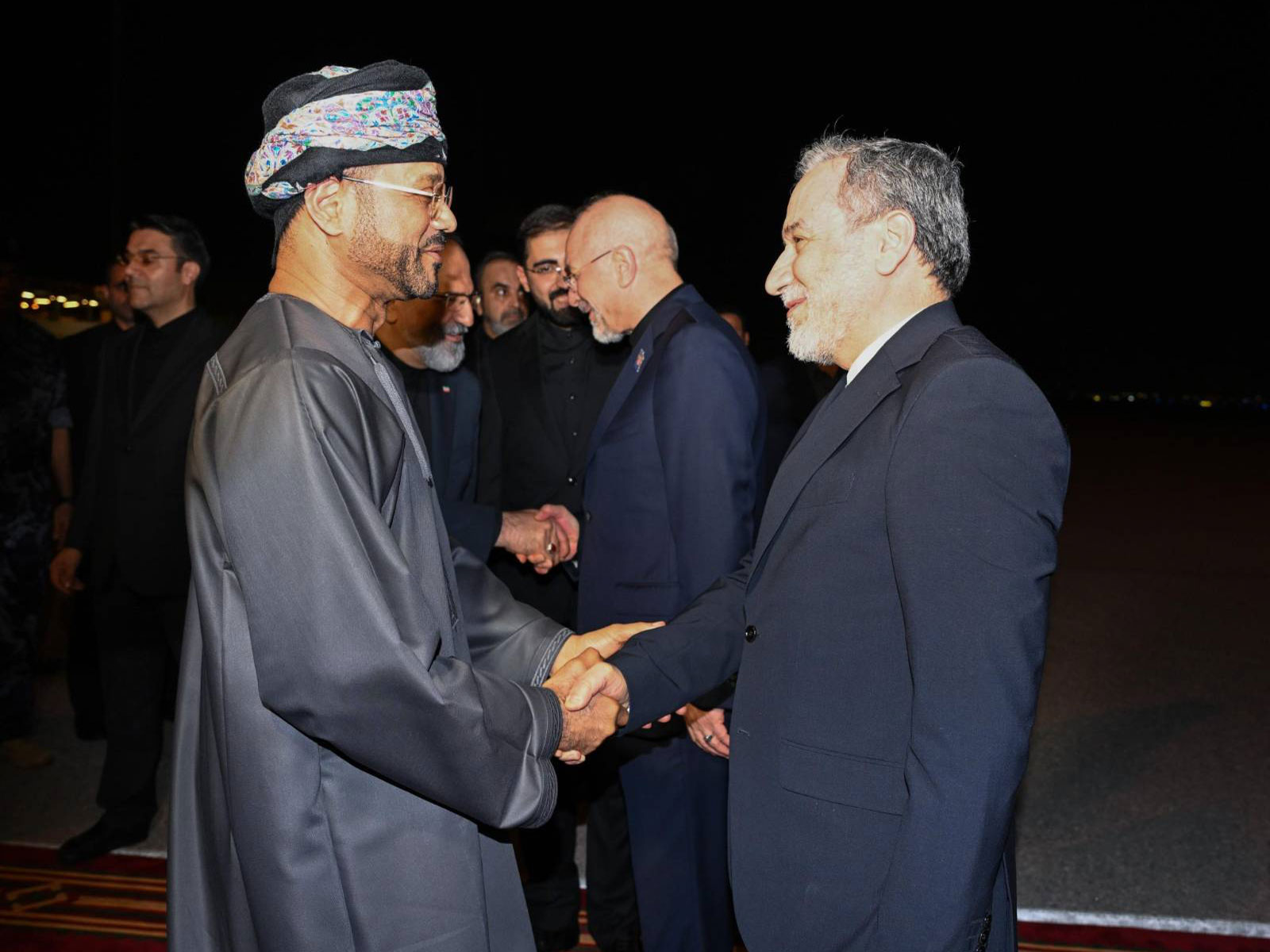
On the diplomatic front, Motlagh clarified the nature of Foreign Minister Abbas Araghchi's recent international engagements, which occurred amid this mounting pressure. He denied that a specific negotiation team had been dispatched for talks, explaining that the Minister undertook a "regional tour that included visits to Pakistan, Oman, and Russia." "I do not confirm that this trip was intended for negotiations," he said, describing the visits as "common for foreign ministries."
This follows a proposal from Iran focused on an immediate ceasefire in West Asia and the restoration of traffic through the strategically vital Strait of Hormuz. Notably, the proposal sought to postpone discussions on its nuclear programme, missile technology, and existing sanctions.
The regional response to Tehran's actions remains firm. In a meeting held in Saudi Arabia, leaders of the Gulf Cooperation Council (GCC) formally rejected what they characterised as Iran's "illegal actions" regarding the closure of the strait and threats to maritime passage. The bloc advocated for enhanced military integration, specifically the creation of a ballistic missile early warning system.
Regarding the regional security situation and ceasefire violations in Lebanon, the Consul General criticised the Israeli regime, asserting that "Israel has repeatedly failed to adhere to its commitments." Touching upon brewing oil-related tensions between the UAE and Saudi Arabia, Motlagh maintained that it was "primarily concerning the countries involved" and that Tehran has "neither been involved in nor interfered in this matter."
The Envoy also shared personal observations from a recent visit to Iran, describing a "combination of an ordinary way of life with a sense of epic resilience." He affirmed that the country's Supreme Leader is "alive, in good health, and fully in control of affairs," dismissing reports to the contrary as attempts to "undermine public morale."