Union MoS Prataprao Jadhav launches Tobacco-Free Youth Campaign 4.0, calls on youth to lead nationwide movement
Oct 28, 2026
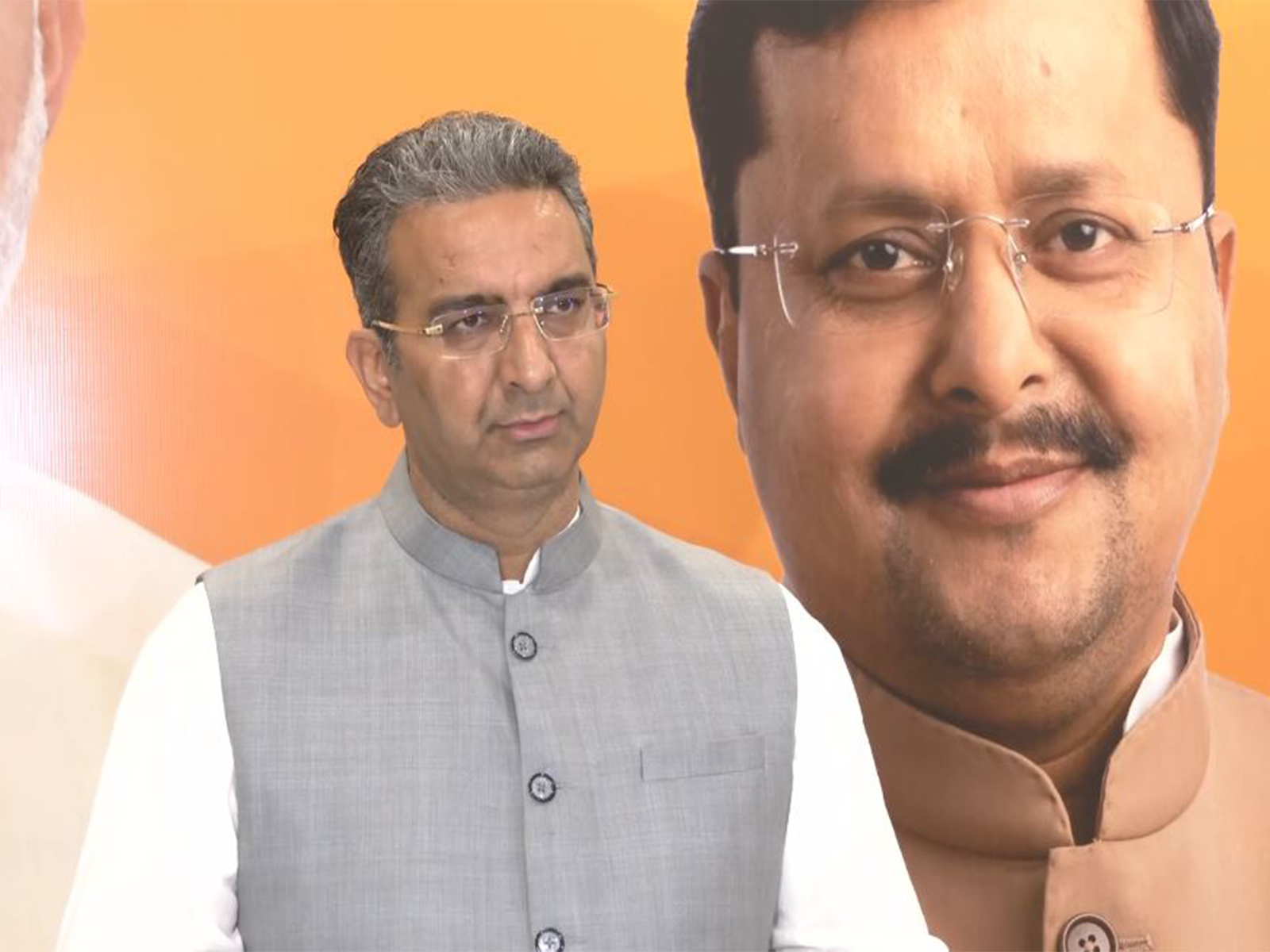
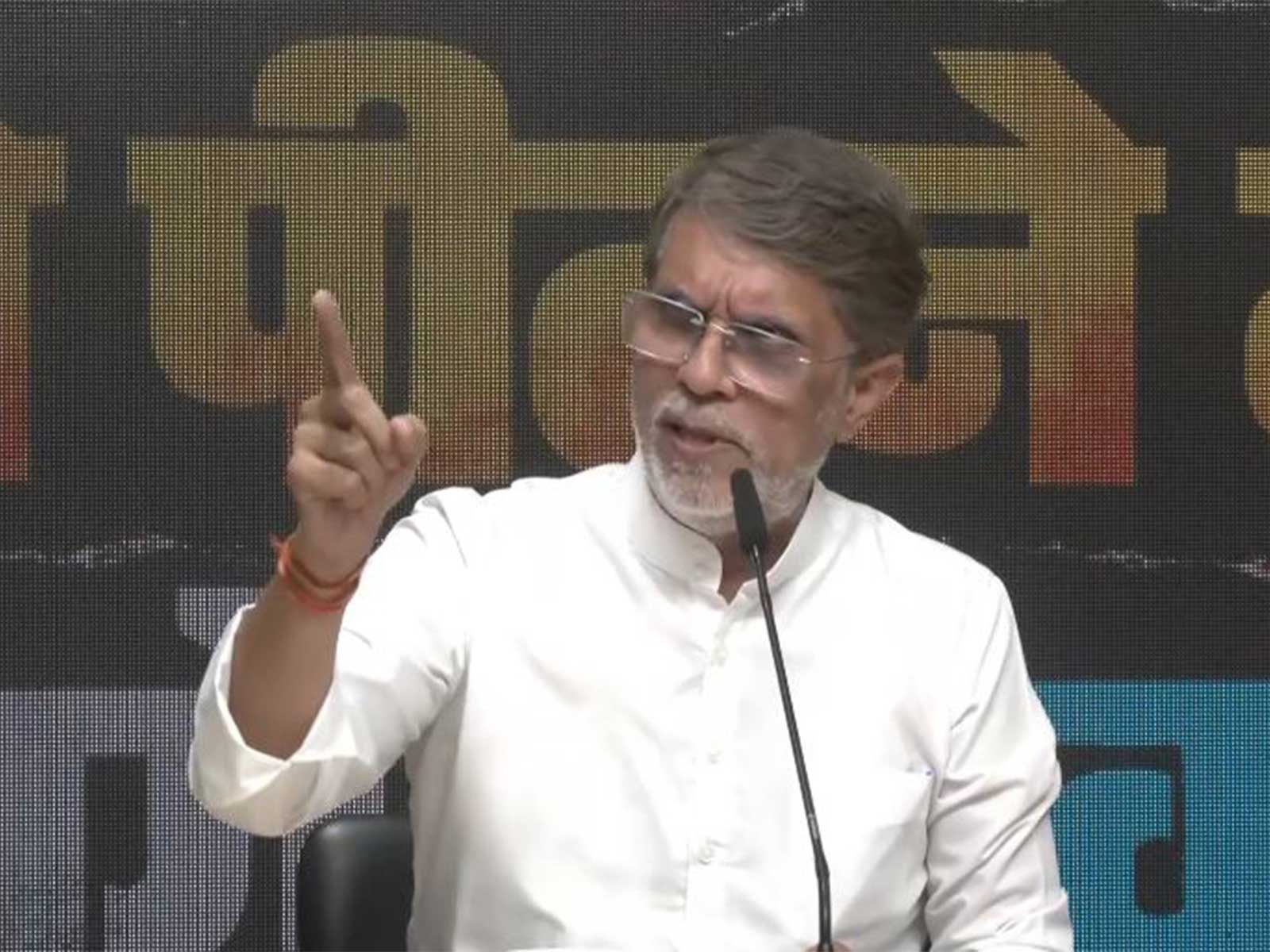
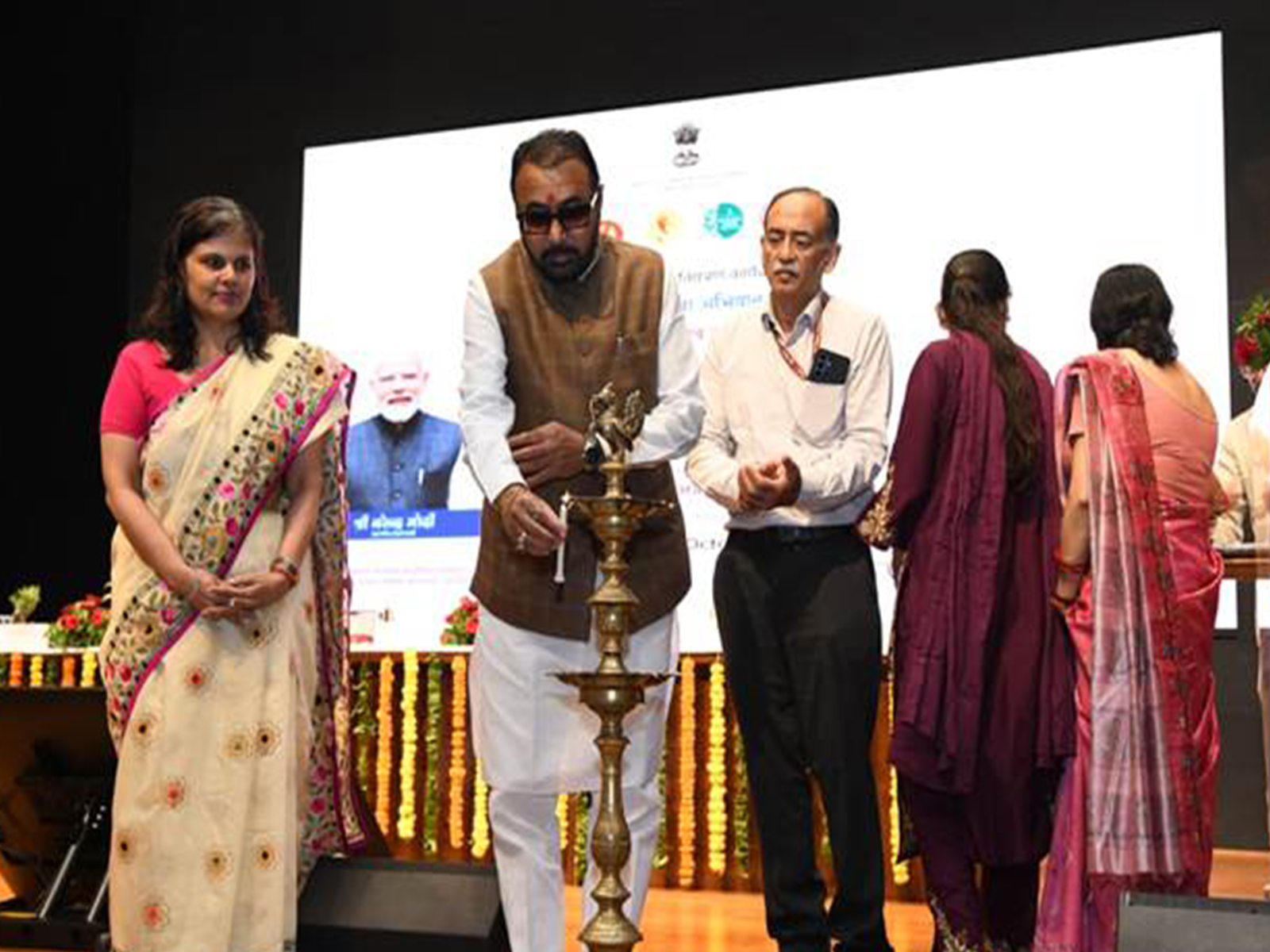
New Delhi [India], October 28 : Union Minister of State (Independent Charge) for Ayush and Union Minister of State for Health and Family Welfare, Prataprao Jadhav, on Wednesday launched the fourth edition of the Tobacco-Free Youth Campaign (TFYC 4.0) at the Atal Bihari Vajpayee Institute of Medical Sciences (ABVIMS) and Dr. Ram Manohar Lohia (Dr. RML) Hospital in New Delhi, calling for a nationwide people's movement to protect young people from tobacco use and nicotine addiction.
The 60-day nationwide campaign, being undertaken by the Ministry of Health and Family Welfare, seeks to prevent tobacco initiation among young people, encourage tobacco cessation, strengthen enforcement of tobacco control laws and promote tobacco-free environments across the country.
According to the Ministry of Health and Family Welfare, building on the achievements of its previous three editions, which have seen over 5.8 lakh educational institutions and more than 73,000 villages declared tobacco-free, the fourth edition marks a significant expansion of the initiative, with universities and colleges emerging as a major focus of this year's campaign.
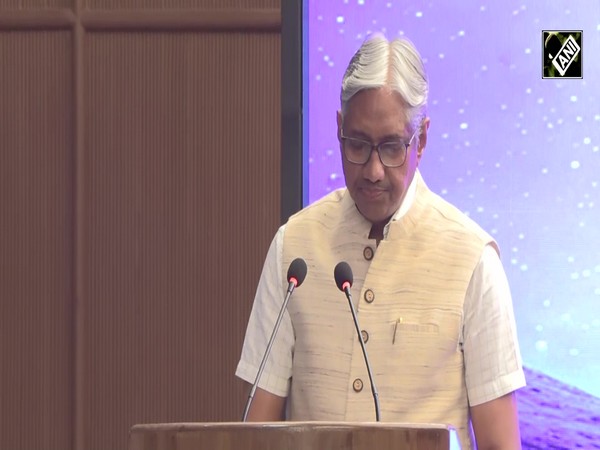
Addressing the gathering, Jadhav urged the country's youth to firmly reject tobacco and other addictive substances and embrace healthy, fulfilling and addiction-free lives. He emphasised that the health and well-being of young people are central to India's aspirations of becoming a developed nation.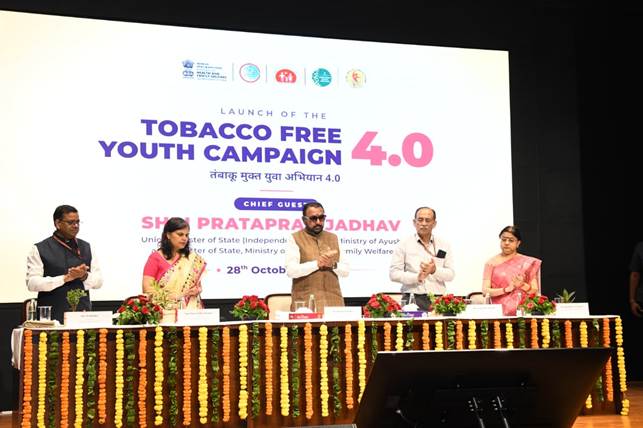
Highlighting the pivotal role of young people in nation-building, the Minister said that India's youth are its greatest strength and that their energy, talent, creativity and determination will shape the country's future. He stressed that protecting the younger generation from tobacco and addiction is both a public health imperative and a national responsibility.
“Protecting our youth from tobacco and addiction is essential for building a healthy, strong and developed India,” Jadhav emphasised, calling upon educational institutions, families, communities and government agencies to work together to create an environment in which young people can realise their full potential without the burden of addiction.
The Minister drew attention to the serious health consequences of tobacco consumption, noting that tobacco smoke contains more than 7,000 chemicals, including numerous toxic and cancer-causing substances, which can severely damage different organs of the body. He cautioned that tobacco use not only endangers the health of users but also exposes family members, children and others to the harmful effects of second-hand smoke.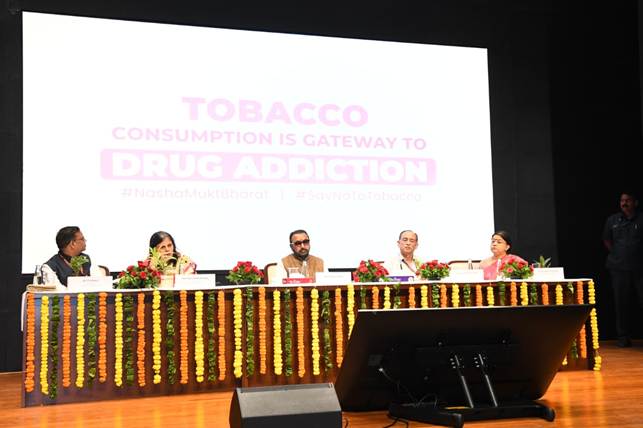
Expressing particular concern about nicotine use during adolescence, Jadhav observed that nicotine exposure at a young age can adversely affect brain development, attention, memory and learning abilities. He underlined the need to prevent tobacco initiation at an early age, when young people are particularly vulnerable to developing nicotine dependence.
Jadhav stated that under the visionary leadership of Prime Minister Narendra Modi and the guidance of Union Health Minister Jagat Prakash Nadda, the Government of India has been consistently strengthening its efforts to protect citizens, particularly children and adolescents, from the harmful effects of tobacco.
He noted that the Ministry of Health and Family Welfare has been organising the annual 60-day Tobacco-Free Youth Campaign since 2023, focusing on tobacco prevention, cessation, stronger enforcement and community participation. The campaign, he said, has steadily evolved into a nationwide initiative bringing together students, teachers, educational institutions, enforcement agencies, healthcare professionals and communities.
Referring to the achievements of the previous three editions, the Minister highlighted that over 5.8 lakh educational institutions and more than 73,000 villages have been declared tobacco-free, reflecting the expanding reach of the initiative and the growing commitment of stakeholders across States and Union Territories.
He observed that the sustained efforts of the government, supported by educational institutions and communities, have contributed to greater awareness about the dangers of tobacco and strengthened the country's tobacco control movement. Referring to national survey findings, including the Global Adult Tobacco Survey and Global Youth Tobacco Survey, he highlighted the importance of continued preventive efforts, particularly among adolescents aged 13–15 years.
The Minister emphasised that the campaign must transcend the boundaries of a government programme and evolve into a mass movement driven by the active participation and leadership of young people.
Recalling Prime Minister Narendra Modi's message on de-addiction during his Mann Ki Baat address on 30 August 2026, Jadhav said that the Prime Minister had called upon citizens to collectively work towards keeping India's youth away from addiction and ensuring that they lead healthy and addiction-free lives.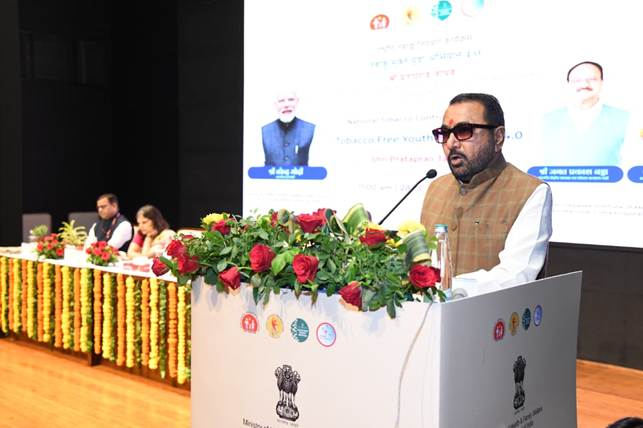
He urged young people to carry forward this message and become agents of change in their schools, colleges, families and communities.
Jadhav called upon all stakeholders to take the message of ‘Say No to Tobacco’ to every corner of the country and ensure that tobacco prevention becomes a shared social commitment.
The Minister concluded his address by administering the ‘Say No to Tobacco’ pledge to all participants, reaffirming their collective commitment to staying away from tobacco, encouraging others to quit and contributing to a healthier, tobacco-free society.
The launch of TFYC 4.0 builds on the achievements of three successive nationwide campaigns that have progressively expanded tobacco prevention activities, strengthened enforcement and mobilised educational institutions and communities across the country.
The first Tobacco-Free Youth Campaign, launched on 31 May 2023 to coincide with World No Tobacco Day, laid the foundation for a focused national effort to prevent tobacco use among young people. During the campaign, more than 1,42,184 educational institutions and 12,000 villages were declared tobacco-free. Enforcement activities under tobacco control laws resulted in fines exceeding ₹1 crore, highlighting the emphasis placed on regulatory compliance alongside awareness generation.
The second edition, launched in September 2024, significantly expanded the reach of the initiative through intensified awareness activities, enforcement drives and community participation. During this phase, 1,67,762 educational institutions and 27,534 villages achieved tobacco-free status, while strengthened enforcement measures resulted in fines exceeding ₹1.1 crore.
Building on this progress, TFYC 3.0, launched in October 2025, further consolidated the campaign's achievements. During its implementation, 2,57,807 educational institutions and 33,850 villages were declared tobacco-free.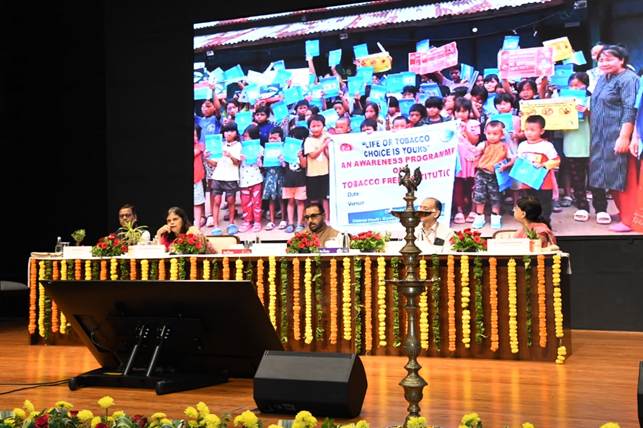
The third edition also recorded substantial progress in enforcement and capacity building. More than 58,000 enforcement drives were undertaken, leading to 1,45,477 challans under Section 4 of the Cigarettes and Other Tobacco Products Act (COTPA), 2003, which prohibits smoking in public places. In addition, more than 60,000 enforcement personnel and tobacco cessation counsellors were trained to strengthen tobacco control implementation and cessation support.
Taken together, the first three editions have seen over 5.8 lakh educational institutions and more than 73,000 villages declared tobacco-free, demonstrating the scale of the nationwide mobilisation and the growing ownership of tobacco control initiatives by institutions, local administrations and communities.
A major distinguishing feature of Tobacco-Free Youth Campaign 4.0 is its dedicated focus on Higher Educational Institutions (HEIs), with universities and colleges being encouraged to play a more proactive role in preventing tobacco use and promoting healthy lifestyles.
Recognising that adolescence and early adulthood are critical stages for the initiation of tobacco use and the development of long-term health behaviours, the campaign seeks to engage young people at a stage when sustained awareness and positive peer influence can have a lasting impact.
Through its focus on higher educational institutions, TFYC 4.0 aims to strengthen tobacco-free campus environments, promote awareness about the harmful effects of tobacco and nicotine, encourage students to make informed health choices and mobilise educational institutions as active partners in tobacco prevention.
Universities and colleges will be encouraged to undertake awareness activities, strengthen compliance with tobacco-free educational institution guidelines, promote peer-to-peer engagement and actively involve students and faculty members in tobacco prevention efforts.
The initiative seeks to transform campuses into centres of tobacco prevention and youth-led action, enabling students to become advocates for healthier lifestyles not only within their institutions but also among their families and communities.
The special focus on higher education institutions adds a new dimension to the campaign by reinforcing the role of young people as participants, influencers and leaders in the national tobacco control effort.
Six Key Strategies to Drive TFYC 4.0 Across the Country
To translate the campaign's objectives into coordinated action, TFYC 4.0 will be implemented through six key strategies, combining awareness, institutional engagement, community mobilisation, enforcement and digital outreach.
The campaign will focus on: Intensifying public awareness: Strengthening awareness and behaviour-change communication on the harmful effects of tobacco and nicotine addiction, particularly among children, adolescents and young adults, while motivating tobacco users to seek cessation support. Strengthening Tobacco-Free Educational Institutions: Promoting compliance with the Tobacco-Free Educational Institutions (ToFEI) guidelines and encouraging schools, colleges and other educational institutions to establish and sustain tobacco-free environments. Expanding Tobacco-Free Villages: Taking the Tobacco-Free Villages initiative to more communities by encouraging active involvement of local administrations, Panchayati Raj Institutions and community stakeholders.
It further focuses on strengthening enforcement of tobacco control laws: Reinforcing implementation of the Cigarettes and Other Tobacco Products Act (COTPA), 2003, and the Prohibition of Electronic Cigarettes Act (PECA), 2019, through coordinated enforcement and compliance activities. Leveraging social media and digital platforms: Expanding the reach of tobacco prevention messages through digital communication, social media campaigns and youth-oriented outreach to encourage greater public participation. Engaging universities and colleges: Placing special emphasis on higher educational institutions to promote tobacco-free campuses, encourage student-led awareness and integrate tobacco prevention into campus health promotion activities.
These strategies are designed to strengthen tobacco control at multiple levels, with particular emphasis on preventing initiation, encouraging cessation and ensuring sustained compliance with existing laws and guidelines.
TFYC 4.0 will adopt a comprehensive whole-of-government approach, recognising that protecting young people from tobacco requires coordinated action across health, education, youth development, local governance, law enforcement, communication and other sectors.
The Ministry of Health and Family Welfare will strengthen collaboration with key Central Ministries, including the Ministry of Education, Ministry of Electronics and Information Technology, Ministry of Information and Broadcasting, Ministry of Panchayati Raj, Ministry of Rural Development, Ministry of Youth Affairs and Sports, Ministry of Tribal Affairs, Ministry of Finance, Ministry of Home Affairs, Ministry of Corporate Affairs, Ministry of Housing and Urban Affairs, and Ministry of Social Justice and Empowerment, among others.
Coordination with States and Union Territories, enforcement agencies, educational institutions and local administrations will remain central to implementation.
The campaign will also seek to deepen engagement with development partners, civil society organisations, healthcare professionals and community-based institutions to ensure wider outreach, effective implementation and sustained participation.
By bringing together diverse stakeholders, TFYC 4.0 aims to reinforce tobacco prevention as a shared responsibility and integrate tobacco control efforts into institutions and communities across the country.
Addiction-Free Youth Essential for Realising Vision of Viksit Bharat: Union Health Secretary
Addressing the gathering, Smt. Punya Salila Srivastava, Secretary, Ministry of Health and Family Welfare, emphasised that sustained commitment, coordinated institutional action and active community participation are essential for advancing India's tobacco control efforts.
She congratulated Dr. Ram Manohar Lohia Hospital on being a tobacco-free campus and appreciated the institution's initiatives in promoting tobacco control and creating a healthier environment for patients, students, healthcare professionals and visitors.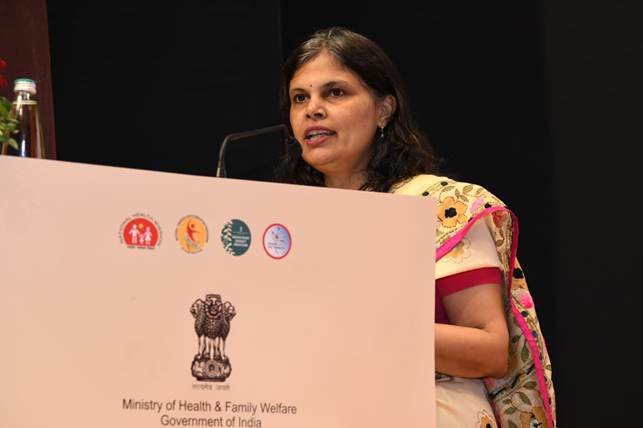
Referring to Prime Minister Narendra Modi's vision of Viksit Bharat, the Health Secretary underlined that the country's progress depends significantly on the health, confidence, productivity and well-being of its young population.
She observed that a physically and mentally healthy, confident and addiction-free generation is essential for building a strong and developed India.
Urging young people to stay away from tobacco and other harmful addictive substances, she called upon them to embrace healthy lifestyles and contribute to a culture in which tobacco use is discouraged and positive health choices are encouraged.
She also highlighted the importance of sustained tobacco prevention activities in educational institutions and communities, stressing that collective action and behavioural change are crucial for achieving lasting results.
The launch programme witnessed the participation of over 300 people, including senior government officials, healthcare professionals, students, representatives of development partners, civil society organisations and members of the media.
Among the dignitaries present were Smt. Punya Salila Srivastava, Secretary, Ministry of Health and Family Welfare; Dr. Loveneesh G. Krishna, Director General of Health Services; Dr. Akhilandeswari Prasad, Director, Dr. RML Hospital; and Dr. Yvan Hutin, WHO Representative to India, along with senior officials of the Ministry.
Students from ABVIMS also participated in the programme, reflecting the campaign's emphasis on the engagement of young people in tobacco prevention.
The event featured the screening of an educational video highlighting the harmful effects of tobacco and the importance of preventing tobacco-related diseases.
An important highlight of the programme was a patient testimonial under the Voice of Tobacco Victim (VoTV) initiative, in which a patient shared personal experiences of tobacco-related illness, bringing into focus the devastating consequences that tobacco consumption can have on individuals and their families.
A special campaign video was also screened, showcasing the achievements of the three previous editions of the Tobacco-Free Youth Campaign from 2023 to 2025. The video highlighted progress made by States and Union Territories in advancing tobacco-free educational institutions, tobacco-free villages, enforcement and community participation.
The awareness activities reinforced the campaign's central message that tobacco-related harm is preventable and that early prevention, informed choices and cessation support can help protect lives.
The Ministry of Health and Family Welfare has called upon States and Union Territories, educational institutions, government departments, civil society organisations, development partners, healthcare professionals, youth organisations and citizens to actively participate in TFYC 4.0 and contribute to its nationwide implementation.
Stakeholders have been encouraged to undertake awareness activities, promote tobacco-free educational institutions and villages, strengthen enforcement, facilitate tobacco cessation and engage communities in sustained tobacco prevention efforts.
The Ministry has also urged institutions and citizens to amplify tobacco control messages through social media and digital platforms, share campaign activities and good practices, and encourage wider public participation.
By placing young people at the centre of the initiative and strengthening collaboration across government, educational institutions and communities, Tobacco-Free Youth Campaign 4.0 seeks to translate awareness into action and action into lasting behavioural change.
The fourth edition reinforces the Government of India's commitment to safeguarding the health of the younger generation and building a society where children and young adults can grow, learn and thrive free from tobacco and addiction.
With the message of ‘Say No to Tobacco’ at its core, TFYC 4.0 aims to inspire a nationwide movement led by young people and supported by every section of society, contributing to the vision of a healthy, addiction-free and Viksit Bharat.