US announces visa restrictions targeting foreign nationals linked to "far-left terrorist" networks
Jul 17, 2026
Washington DC [US], July 17 : The United States Department of State on Thursday (local time) announced a new visa restriction policy targeting foreign nationals accused of supporting, financing, recruiting for, or facilitating activities linked to far-left terrorist and aligned groups.
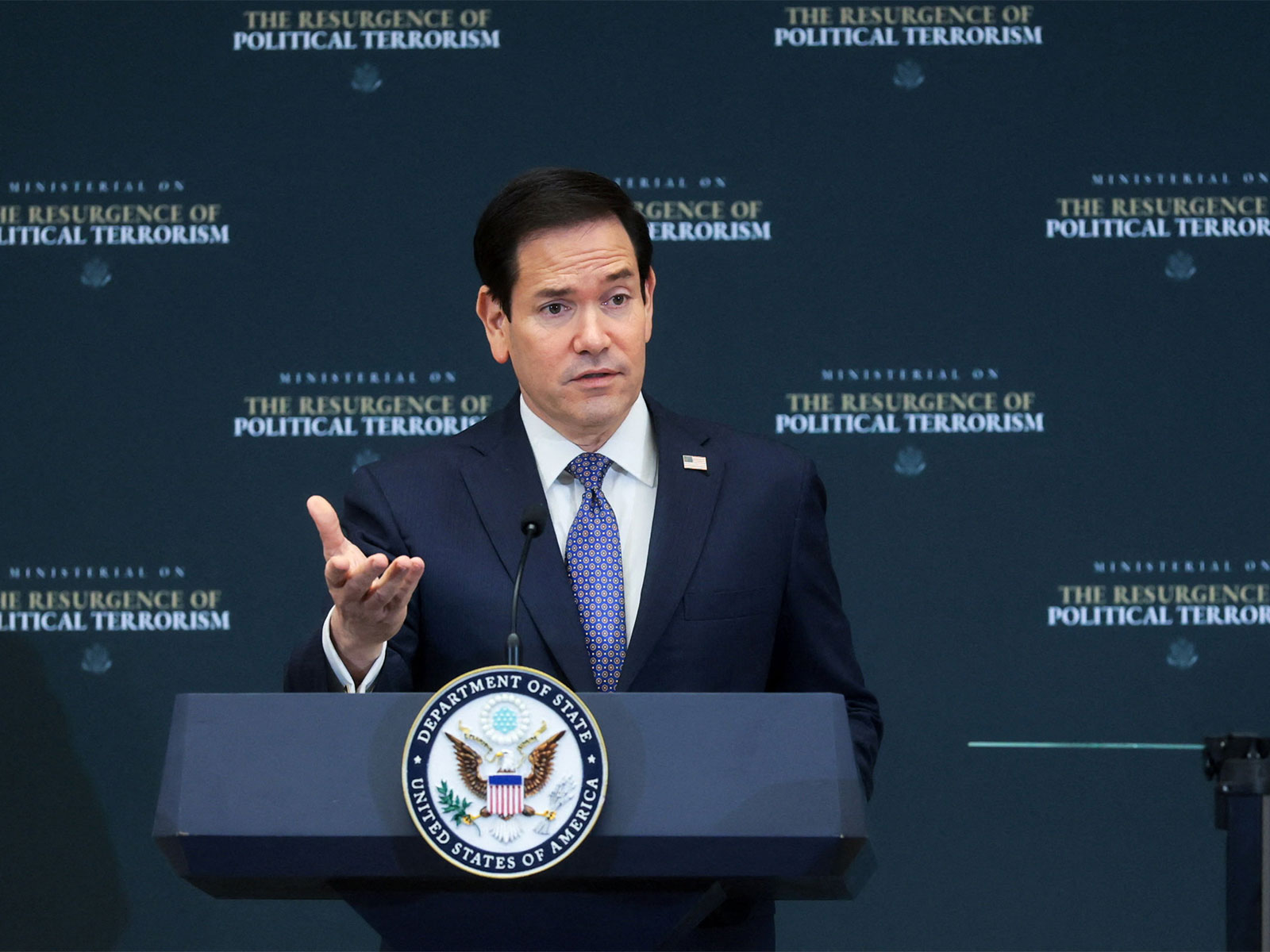
US Secretary of State Marco Rubio announced the policy, saying the measures were aimed at preventing individuals who support or enable political violence from entering the United States.
"Today, State Department is imposing new visa restrictions to bar Far-Left Terrorists from entering our country. Foreigners who finance, incite, or aid and abet Far-Left Terrorists are enemies of our civilisation. They are not welcome in the United States," Rubio said in a post on X.
The State Department said the move was taken in support of National Security Presidential Memorandum-7 and broader US government efforts to disrupt networks involved in political violence before they escalate into criminal activity.
According to the department, the policy will apply to members of far-left terrorist and aligned groups who have supported or incited acts of terrorism, backed violent criminal activity, participated in economic sabotage, financed or recruited individuals for violent actions, provided logistical support, or helped coordinate networks for violent activities.
The restrictions are being implemented under Section 212(a)(3)(C) of the Immigration and Nationality Act, which allows the US to deny entry to foreign nationals whose presence could have serious adverse foreign policy consequences.
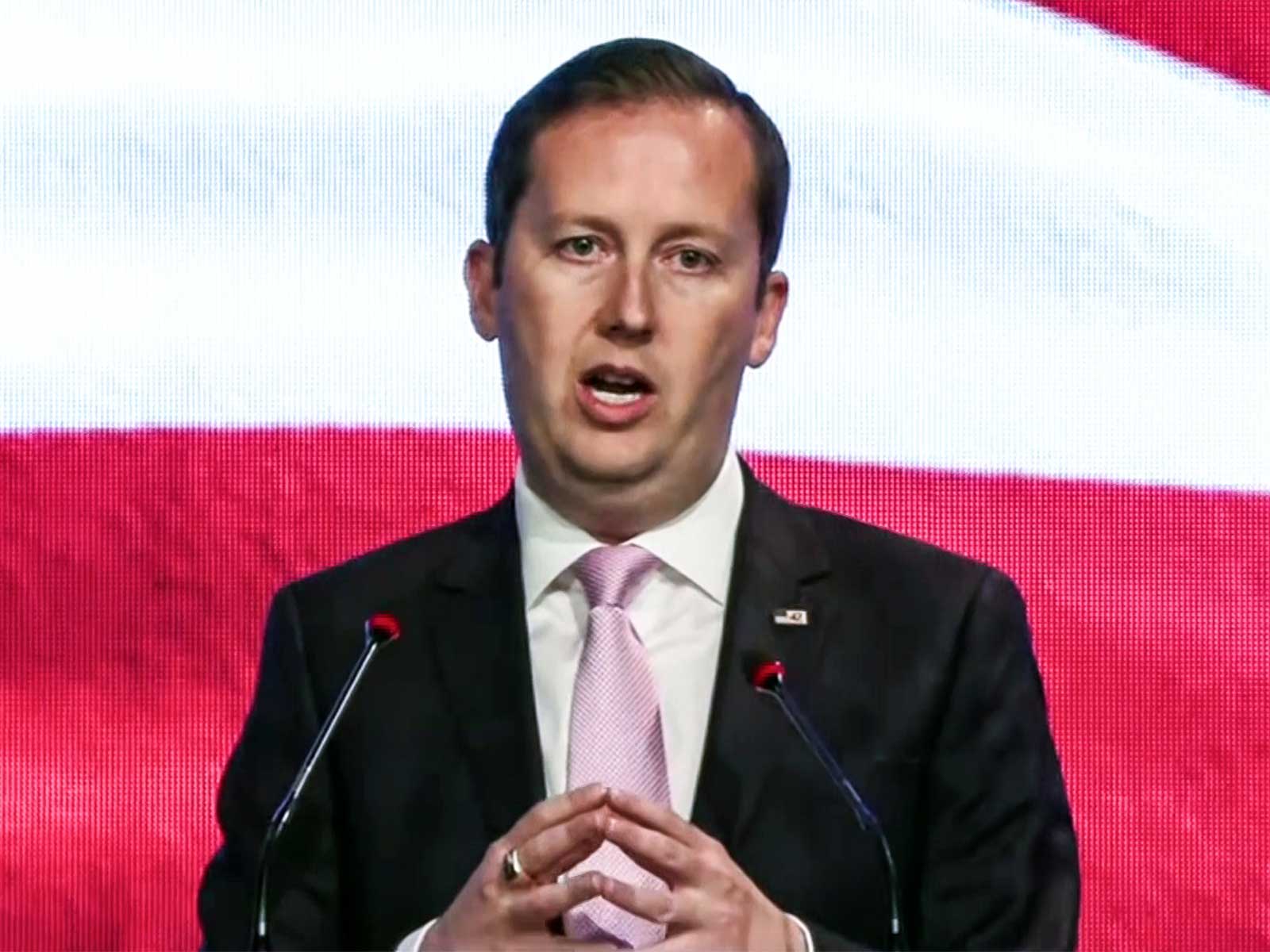
The announcement came following a State Department ministerial on the resurgence of political terrorism, which brought together representatives from 67 countries, according to a State Department spokesperson.
Addressing the ministerial in Washington, Rubio said the primary responsibility of any government was the protection of its people and country.
"The most essential duty of the state - the first responsibility, frankly, of any government of any kind - is the protection of its people, is the protection of its country," Rubio said.
He said the United States and its allies had long focused their counterterrorism efforts on traditional threats but argued that political violence from far-left extremist groups had received insufficient attention.
"For far too long, however, our counterterrorism doctrine has had a blind spot when it comes to extremist violence from the political left," Rubio added.
Rubio alleged that far-left terrorist groups use violence as a political tool, including intimidation, coordinated campaigns, bombings and other criminal activities aimed at influencing political outcomes.
"Far-left terrorist and aligned groups often use sophisticated, organised networks to perpetrate violence as a political tool - seeking to implement an extreme political vision through intimidation and coordinated campaigns of terror," the State Department said in its policy announcement.
During his remarks, Rubio said the threat posed by such groups was increasingly transnational and required cooperation among governments.
"This is an international conference because we are facing an international - we are facing a transnational threat," Rubio said, calling for greater intelligence sharing, coordinated law enforcement action and efforts to disrupt financial networks.
The Secretary of State also said the US had begun building a framework to counter what he described as far-left terrorist networks under the Trump administration.
"Under President Trump, for the first time, the United States is building the infrastructure, the partnership, and the strategy to defeat the scourge of far-left terror," Rubio said.
The State Department said the policy would restrict entry of foreign nationals who "finance, recruit, incite, or otherwise enable" violent networks, describing the move as an effort to prevent threats to US citizens, economic stability and domestic security.
The participating delegations were largely from Europe, along with representatives from Asia and the Western Hemisphere. Israel was the only Middle Eastern country represented, according to the list shared by the spokesperson, CNN reported.
According to CNN, several delegations were represented by ambassadors or working-level officials rather than foreign ministers, with sources citing scheduling constraints after invitations were issued earlier this month.