US tariff proposal poses 'serious threat' to Indian textile exports, forced labour allegations 'completely false': CITI Chairman
Jun 03, 2026
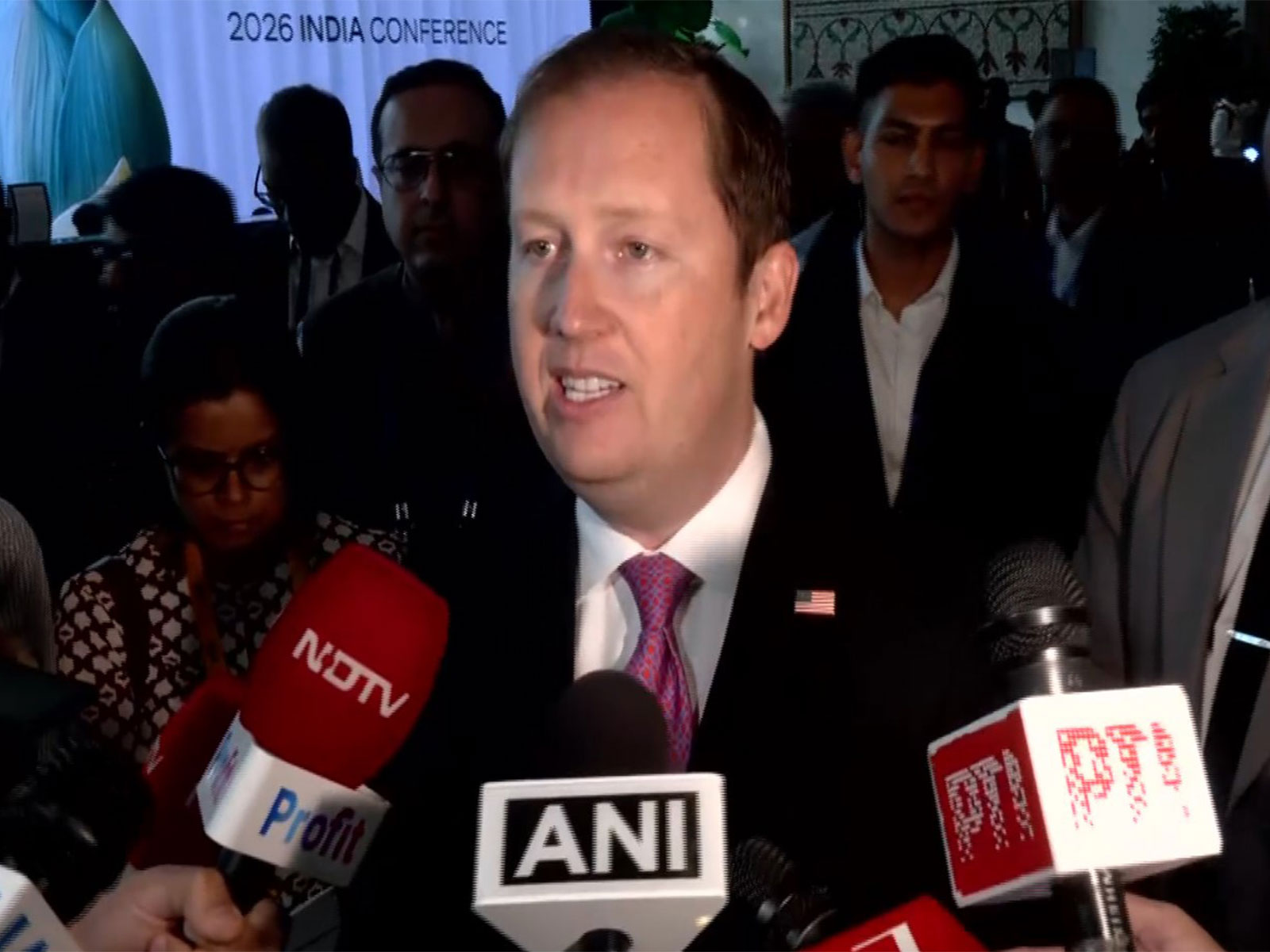
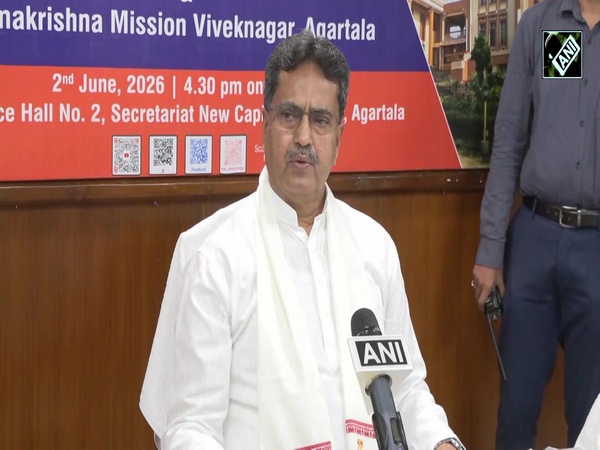
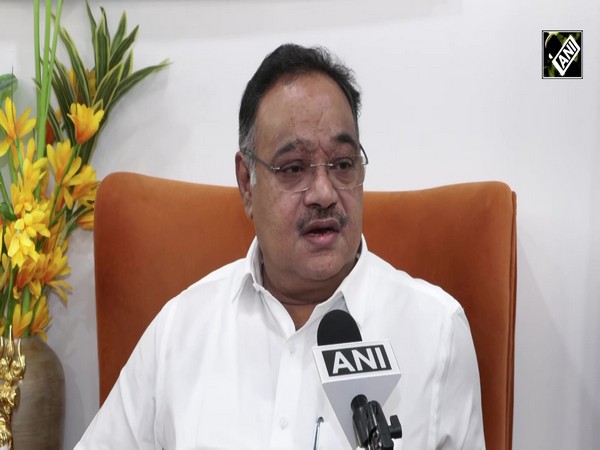
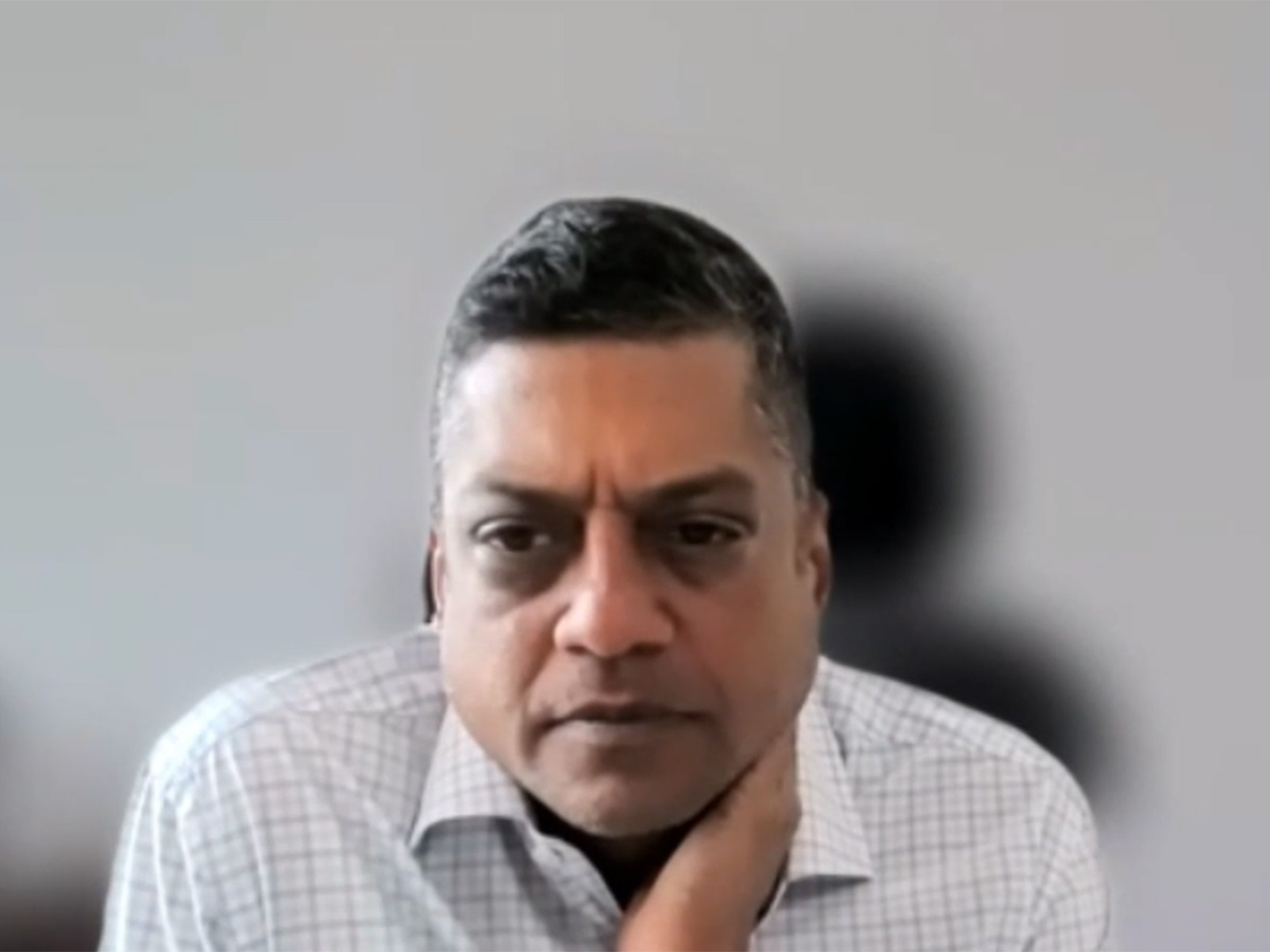
Coimbatore (Tamil Nadu) [India], June 3 : As US proposed fresh tariffs on 60 countries over export of goods made with forced labor including India, that does not have a reciprocal trade agreement with the US, Ashwin Chandran, Chairman of the Confederation of Indian Textile Industry (CITI), termed the move a "serious threat" to India's textile and apparel sector while rejecting the allegations as "completely false" and "unfair."
Speaking to ANI at Coimbatore, Chandran said the United States remains the biggest export destination for India's textile and apparel industry.
"US is the single largest market out of our country's total USD 36 billion dollars of exports," he said, adding that "almost USD 11 billion dollars went to the US last year."
Highlighting the significance of the US market, Chandran said, "this is a serious threat for Indian textile and apparel industry. From the industry side, we are countering these allegations or countering this investigation."
He further said, "We have very strongly represented against these allegations and against this investigation."
According to Chandran, any additional tariff on textile exports would negatively impact Indian manufacturers and exporters.
"US is our single largest trading partner. Our exports of USD 36 billion last year, last year we exported USD 36 billion in textiles and clothing from India. Out of this, USD 11 billion, about 40% was going to the US market," he said.
"So whether the tariff is 10 per cent, 12 per cent, 13 per cent, 14 per cent, 15 per cent, 20 per cent, any tariff will definitely hurt Indian textile exports and Indian textile companies will suffer losses," he added.
Chandran also warned that losing export orders could have long-term consequences for the industry.
"Indian textile and apparel industry was very badly affected, because once you lose customers, it is very difficult to gain back the customers in a short period of time," he said, noting that "textiles is a seasonal industry."
Explaining the impact of order cancellations, he said, "If you lose orders for one season, then that entire 3 or 4 months, you will lose the business and therefore your production will be severely affected."
He added that many companies had offered discounts to retain buyers. "Various companies in order to retain their customers, they have given discounts anywhere between 15 to 25 per cent discounts companies have given to retain their customers," he said.
Rejecting the allegations of forced labour, Chandran stated, "These allegations are completely unfair, completely false."
He said labour reforms and awareness initiatives had significantly improved industry practices. "In our industry, in the organized sector, this child labor or bonded labor, now in the organized sector, there are no such instances," he said, adding that global brands and retailers regularly conduct stringent audits of suppliers.
When asked about whether Oman's CEPA will be beneficial for the Indian textile industry, he said "We are dependent on the US and EU,"
"We are trying to diversify our exports and enter new markets. So, in this effort, Oman, New Zealand, such trade agreements are beneficial," he added.