"We are looking at ourselves through lens of all of you": Pak Minister Malik invokes Allama Iqbal at SCO Civilisational Dialogue Forum
Nov 21, 2026
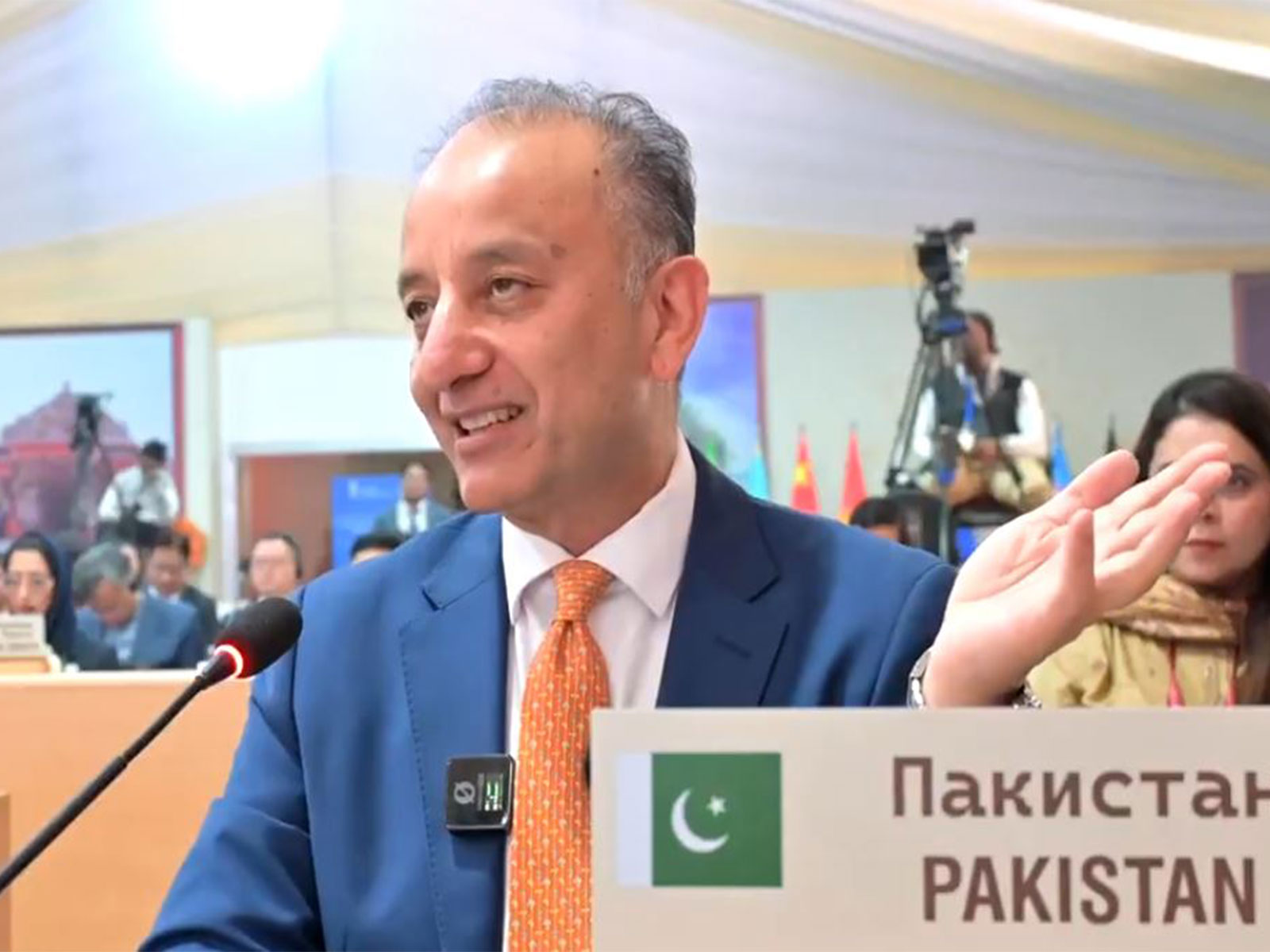
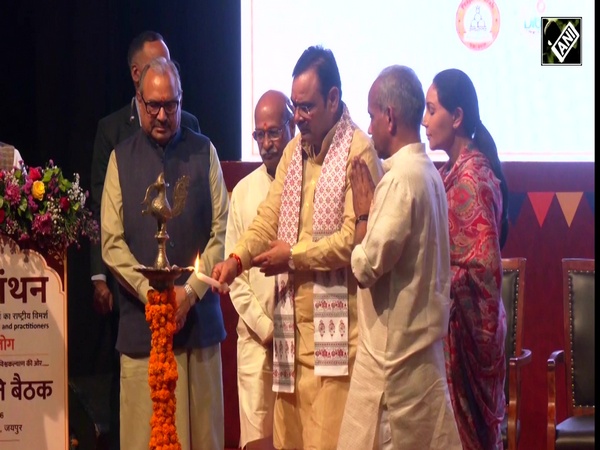
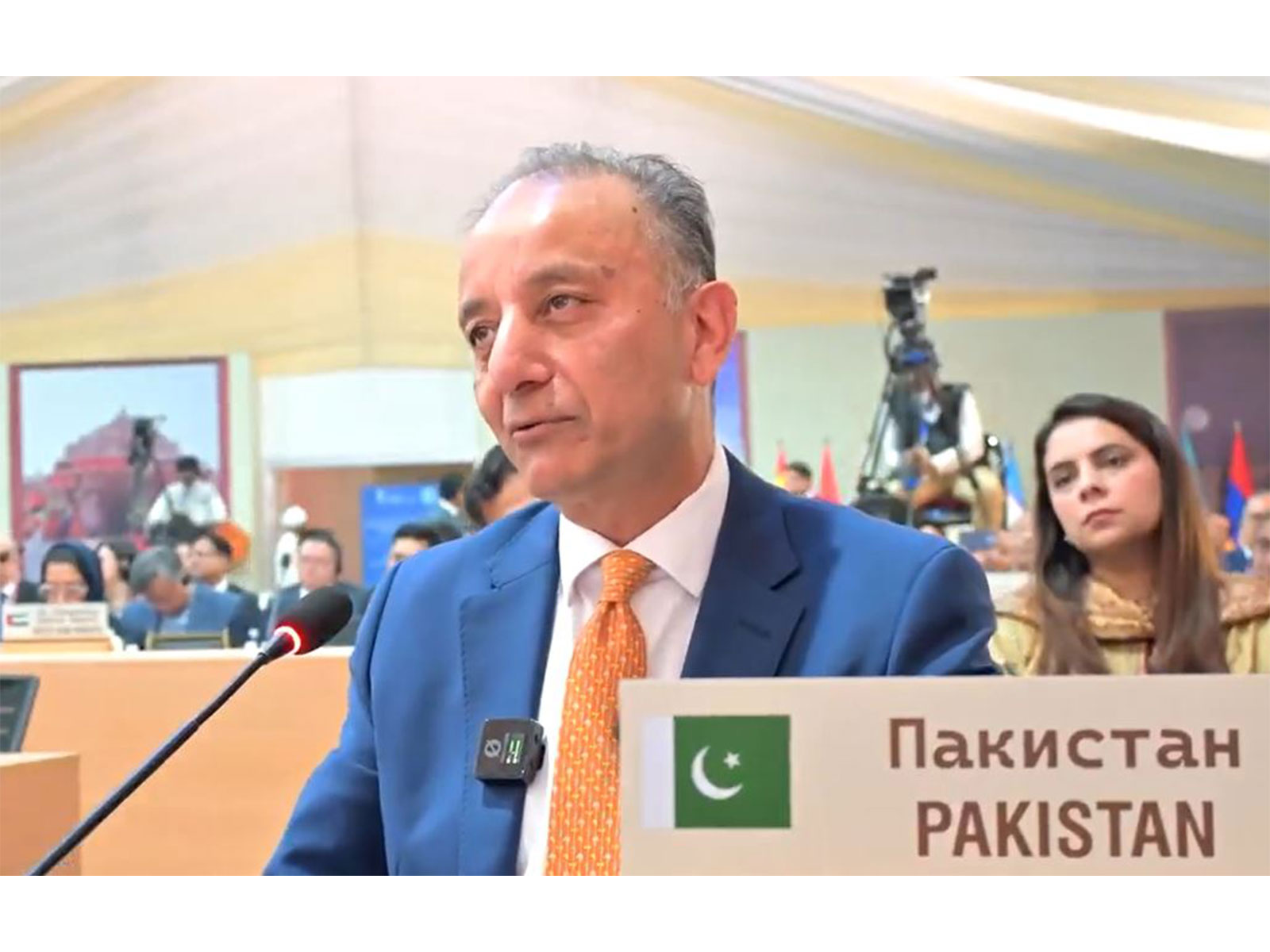
New Delhi [India], November 21 : Pakistan Federal Minister for Climate Change and Environmental Coordination Musadik Masood Malik, while invoking the words of Allama Iqbal, said, "We are looking at ourselves through the lens of all of you, through the eyes of all of you, and from the perspective of all of you," as he addressed the inaugural SCO Civilisational Dialogue Forum in the national capital on Saturday.
Leading the Pakistani delegation to the three-day forum, Malik emphasised the importance of dialogue, diversity and mutual understanding among civilisations, highlighting how different cultural identities and traditions could coexist, interact and enrich one another.
In his keynote address today, the Pakistani minister reflected on the shared literary and cultural heritage of Delhi, Lahore and Lucknow, beginning with references to celebrated Urdu poet Mirza Ghalib and his connection with Delhi.
"It felt quite strange to sit here, just a few miles from Ghalib's grave, and speak in English. So my heart felt that today I should speak the voice of my heart to you in Urdu," Malik said.
Drawing attention to Ghalib's literary legacy, he noted the irony that the poet, who considered himself a great poet of Persian, achieved worldwide recognition through Urdu.
"And how strange it is that Ghalib—whose grandfather came from Samarkand and who lies buried right here beside Nizamuddin—and who considered himself a great poet of Persian, is recognised today by the entire world because of Urdu," he said.
Malik also referred to Delhi's literary traditions and its ability to embrace different cultural influences, saying that the arrival of outside civilisations had not diminished the city's identity but had instead contributed to its growth and cultural richness.
"So Delhi was not diminished by the arrival of outside civilisations; it was not diminished by people coming from outside. Rather, through civilisations arriving from outside and through people coming from beyond, it only expanded, flourished, and grew stronger," he said.
Explaining the significance of the civilisational dialogue, Malik described it as an exchange of ideas and identities across different cultures, stressing that meaningful conversations were possible only when distinct identities and diversity were acknowledged.
"In Greek origin, in 'dialogue', dia means 'through', and 'logos' means 'meaning' or 'ideas'. So what does a dialogue amount to? A 'free flow of meaning through us, across civilisations.' That is what dialogue truly is," the Pakistani minister said.
He further underlined that dialogue required the acceptance of differences and the willingness to learn from other perspectives.
"Dialogue exists within distinct identities and within diversity. And this is the very dialogue we have come to engage in: numerous voices, numerous identities, and a dialogue among them; a free flow of ideas, a free flow of identities among them," Malik added.
Invoking the literary and philosophical legacy of Allama Iqbal, Malik then referred to the poet's imaginative journey to Paradise, accompanied by Persian poet Mawlana Rumi, highlighting how intellectual exchanges could transcend geographical, cultural and historical boundaries.
"Since Ghalib was mentioned, the name of Allama Iqbal naturally came to my mind. Allama Iqbal undertook an imaginary journey—an imaginary journey to Paradise. That is, while on the one hand, you excavated here and delved deep into the earth, Allama Iqbal undertook an imaginative journey and ascended into the heavens," he said.
Describing Iqbal's imagined companionship with Rumi, Malik highlighted the historical and geographical distance between the two poets, noting that their intellectual dialogue transcended centuries.
"There was an interval of six hundred years between them. Yet when he embarked on that journey, a Punjabi poet—a poet residing in Punjab—took along a poet born in Balkh, who had lived five to six hundred years before him," he said.
Reflecting on Iqbal's account, Malik spoke about two ways of understanding one's identity: through one's own perspective and through the eyes of others.
"One is our own perspective, meaning we continue to perceive ourselves solely through our own eyes.
"And the other perspective is one where we perceive ourselves through someone else's eyes—viewing ourselves from another's vantage point, through someone else's lens," he said.
Connecting the idea to the gathering at the forum, Malik concluded by emphasising the importance of understanding how others perceive different cultures and identities.
"So today, we are looking at ourselves through the lens of all of you, through the eyes of all of you, and from the perspective of all of you," he said.
Malik is leading the Pakistani delegation at the inaugural SCO Civilisational Dialogue Forum, being hosted by India in New Delhi from November 20 to 22.
The three-day gathering brings together participants from SCO member states, observers and dialogue partners to explore the region's interconnected civilisational heritage and strengthen cultural cooperation.
The Pakistani minister arrived in New Delhi on Friday and was received at the airport by Pakistan High Commission's Chargé d'Affaires in India, Saad Warraich. His visit marks the first visit by a Pakistani minister to India in three years.
The forum aims to promote cultural exchange, mutual understanding and people-to-people ties among countries in the Shanghai Cooperation Organisation (SCO) region, with discussions centred on the shared heritage and diversity of participating civilisations.