"We have no trust in Americans": Iranian Foreign Minister Abbas Araghchi slams US as main hurdle to peace
May 15, 2026
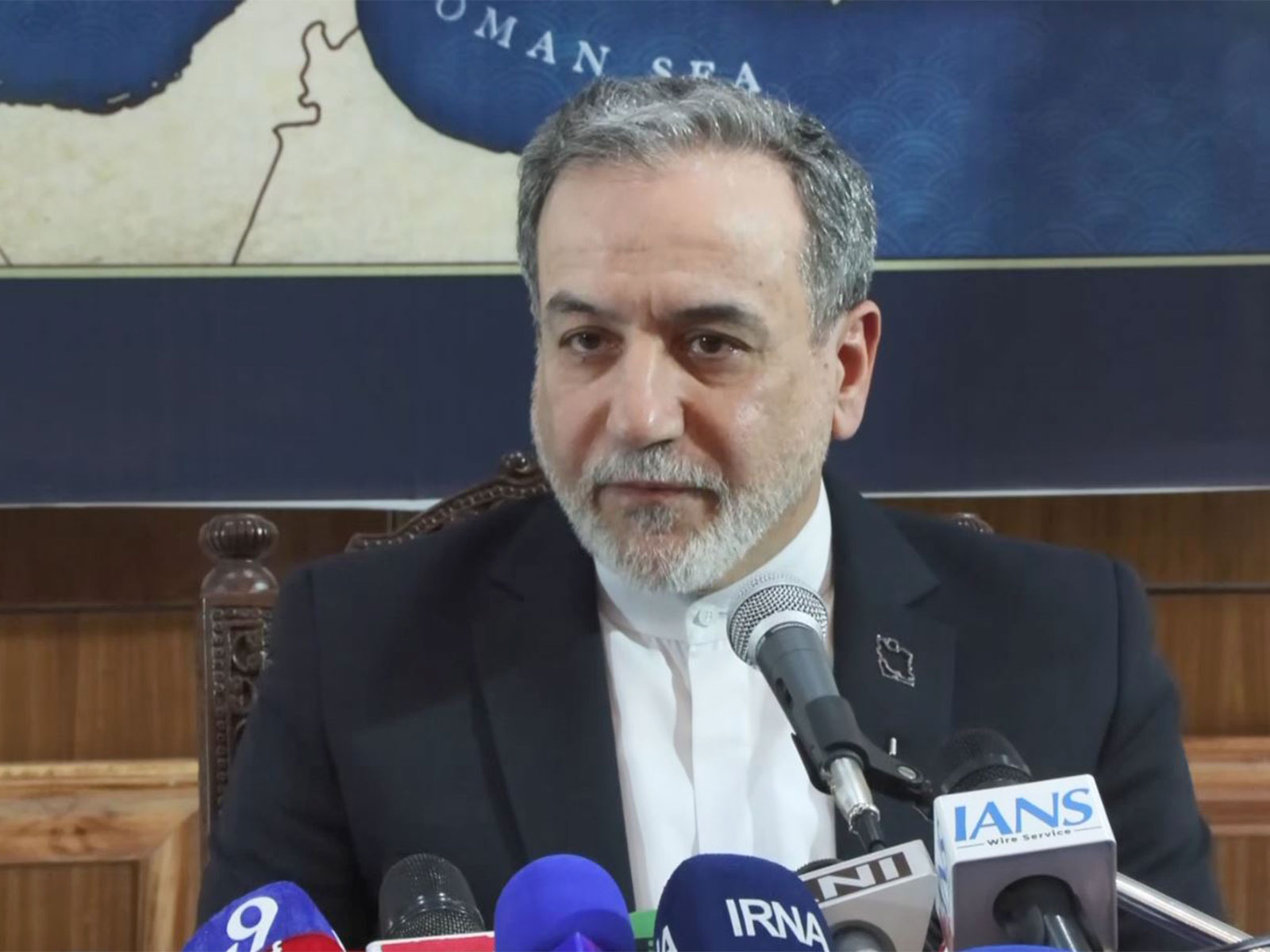
New Delhi [India], May 15 : Launching a scathing critique of Washington's diplomatic credibility, Iranian Foreign Minister Abbas Araghchi on Friday asserted that the United States remains the primary barrier to peace in West Asia. Araghchi claimed that after more than a month of failed military objectives, the US attempted to pivot toward dialogue, a move met with deep-seated skepticism in Tehran.
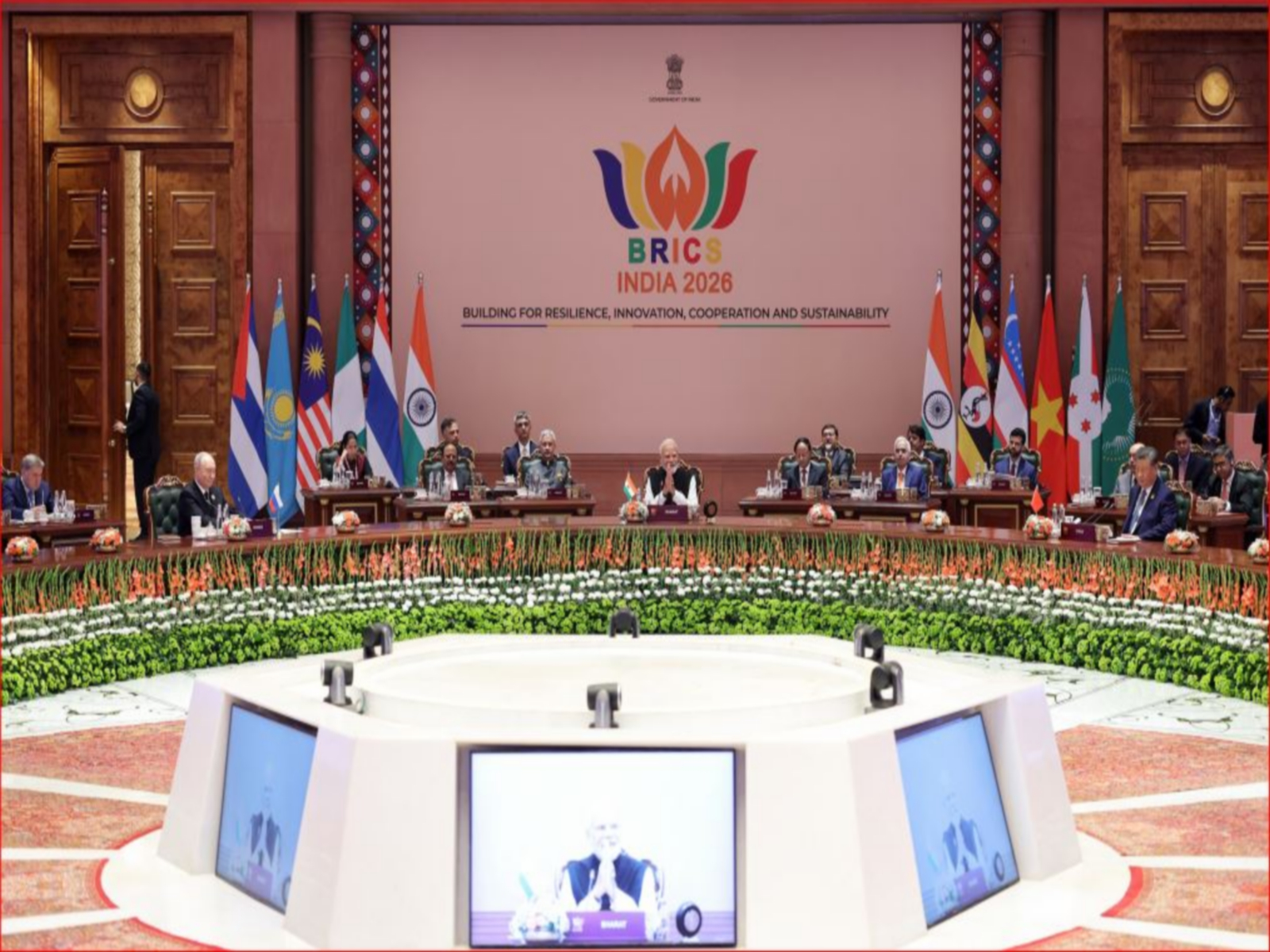
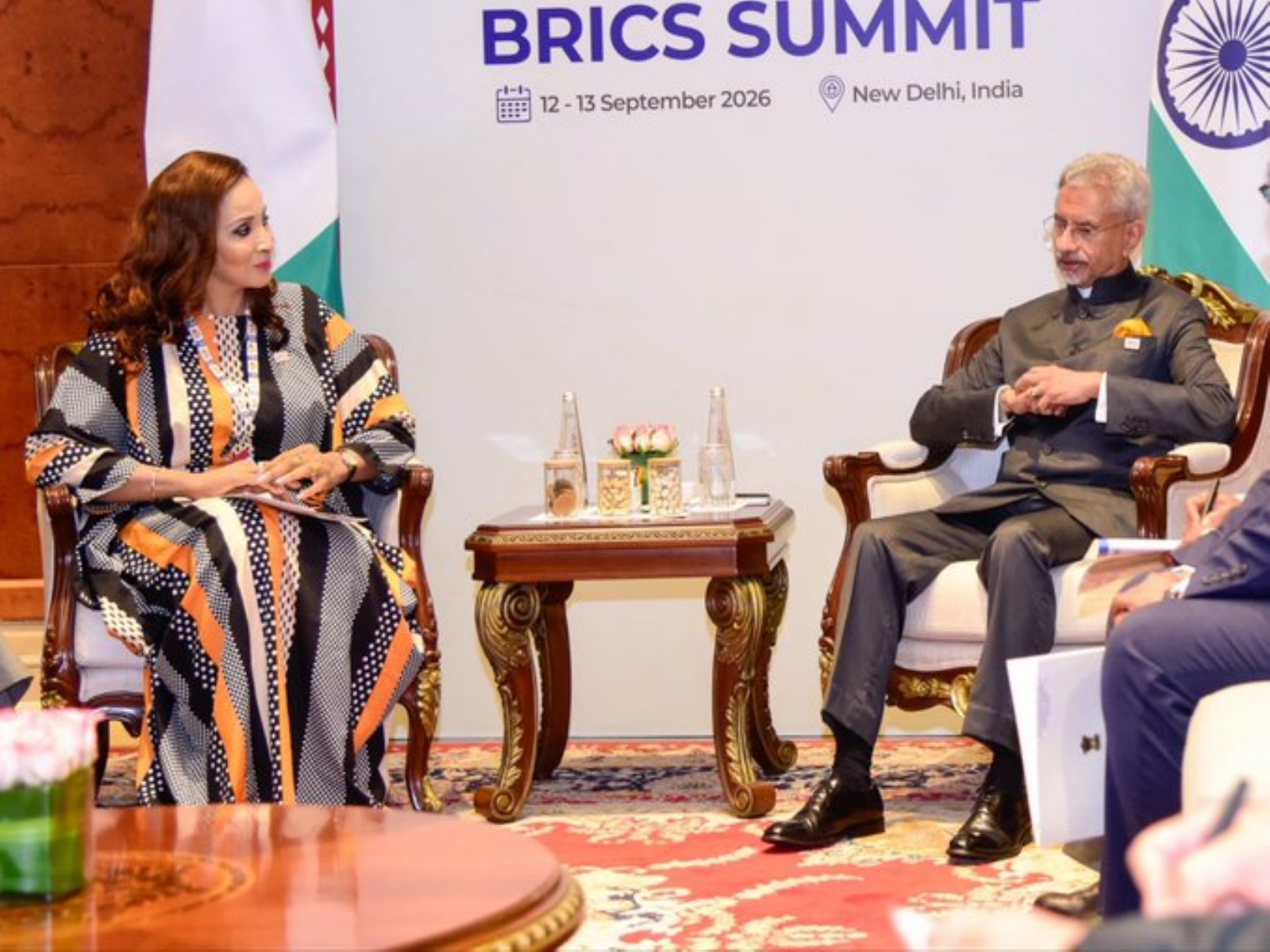
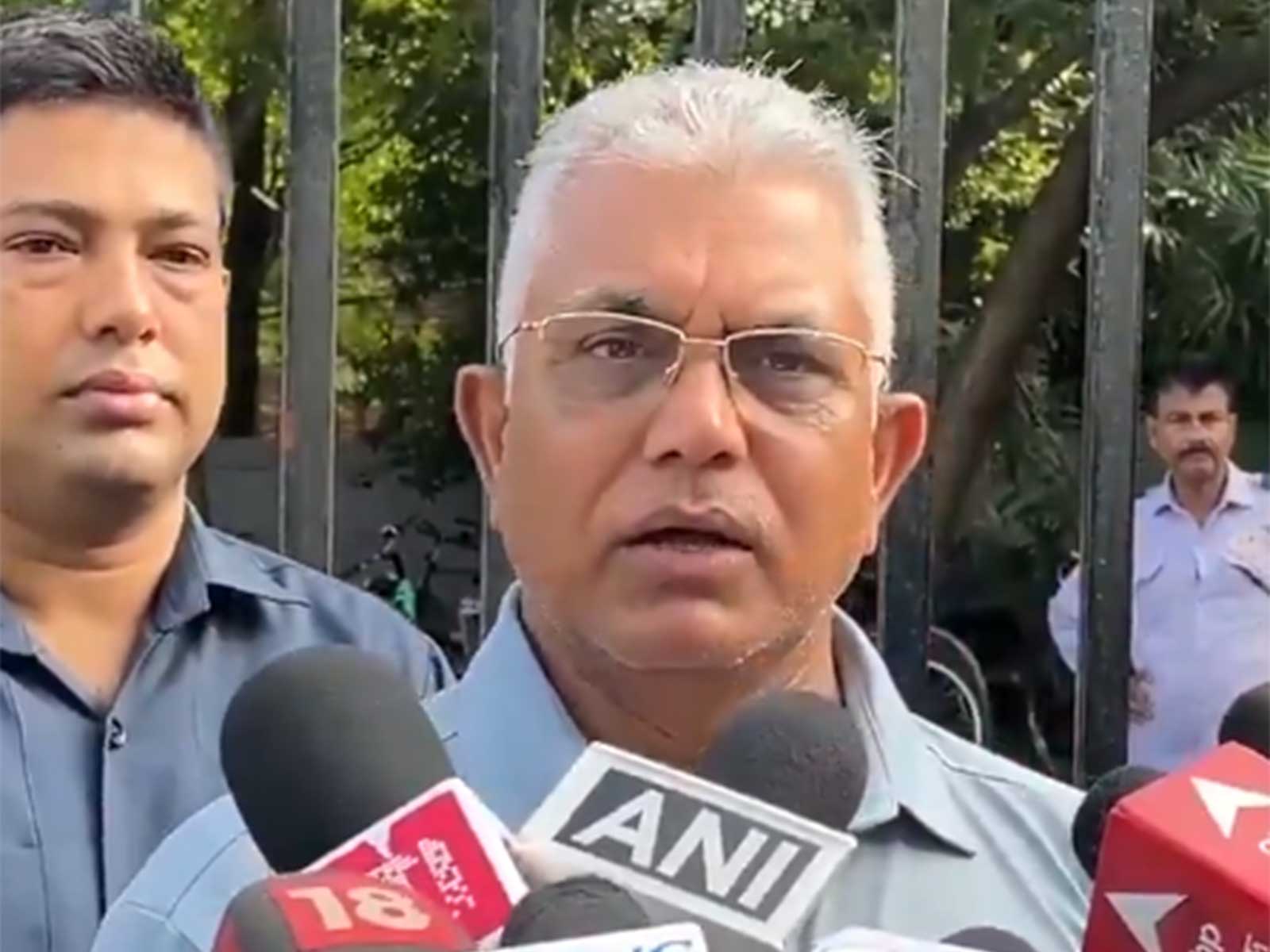
Addressing a press conference in New Delhi following a meeting of the BRICS Foreign Ministers, the Iranian Foreign Minister laid bare the trust deficit defining the current geopolitical standoff.
"Now, after 40 days of war, when the US became hopeless of achieving any goal in their aggression against Iran, they offered negotiation... We have no trust in Americans... This is the main obstacle in the way of any diplomatic effort. We have every reason not to trust Americans, while they have no reason not to trust us," he stated.
Despite the prevailing hostility, Araghchi noted that a "very shaky" ceasefire is currently holding, though he warned that Iran's patience should not be mistaken for submission.
"We are now in a state of ceasefire, although it's very shaky. But we are trying to keep it to give diplomacy a chance... There is no military solution to anything related to Iran. They have tested us time and again. We never bow to any pressure or threat... We also resist against any sanction... Iranian people only answer to the language of respect..." he emphasised.
The Foreign Minister further detailed a timeline of betrayal, alleging that a joint military strike by the US and Israel occurred precisely when diplomatic channels appeared to be open.
"My country has been the victim of an act of unprovoked aggression by the United States and Israeli regime, which happened right in the middle of negotiations we had with Americans... In the middle of diplomacy, they decided to attack us," Araghchi told reporters.
Amid this volatility, Araghchi expressed gratitude for international support, specifically lauding New Delhi's role in providing both diplomatic and material aid.
"We appreciate all those countries that condemned this attack. We appreciate the government and people of India, who expressed solidarity and sympathy towards the Iranian people. We appreciate the humanitarian assistance provided to us by the Indian government as a sign of solidarity..." he said, highlighting the strengthening bond between the two nations.
This diplomatic friction comes as the broader landscape of West Asia remains locked in a cold, precarious stalemate. The eruption of hostilities on February 28 pitted the combined forces of the United States and Israel against Iran, and though a fragile ceasefire currently holds, the region is defined by a high-stakes maritime tug-of-war within the strategic Strait of Hormuz.
This vital artery of global commerce has become the primary battleground of a shifting energy war. In a bid to cripple Tehran's economic lifeline, the US has enforced a stringent naval blockade designed to choke off Iranian petroleum exports.
In a retaliatory display of brinkmanship, Iran has imposed its own severe restrictions, partially shuttering the shipping lane to global traffic.
The consequences of this dual stranglehold have rippled across the planet, triggering massive spikes in international fuel prices. This has left the global energy market in a state of sustained, volatile disruption as the standoff continues to reshape regional and global trade.