“We work for America, not the global order”: Marco Rubio asserts US' 1st stance on China and trilateral engagement
Nov 10, 2026
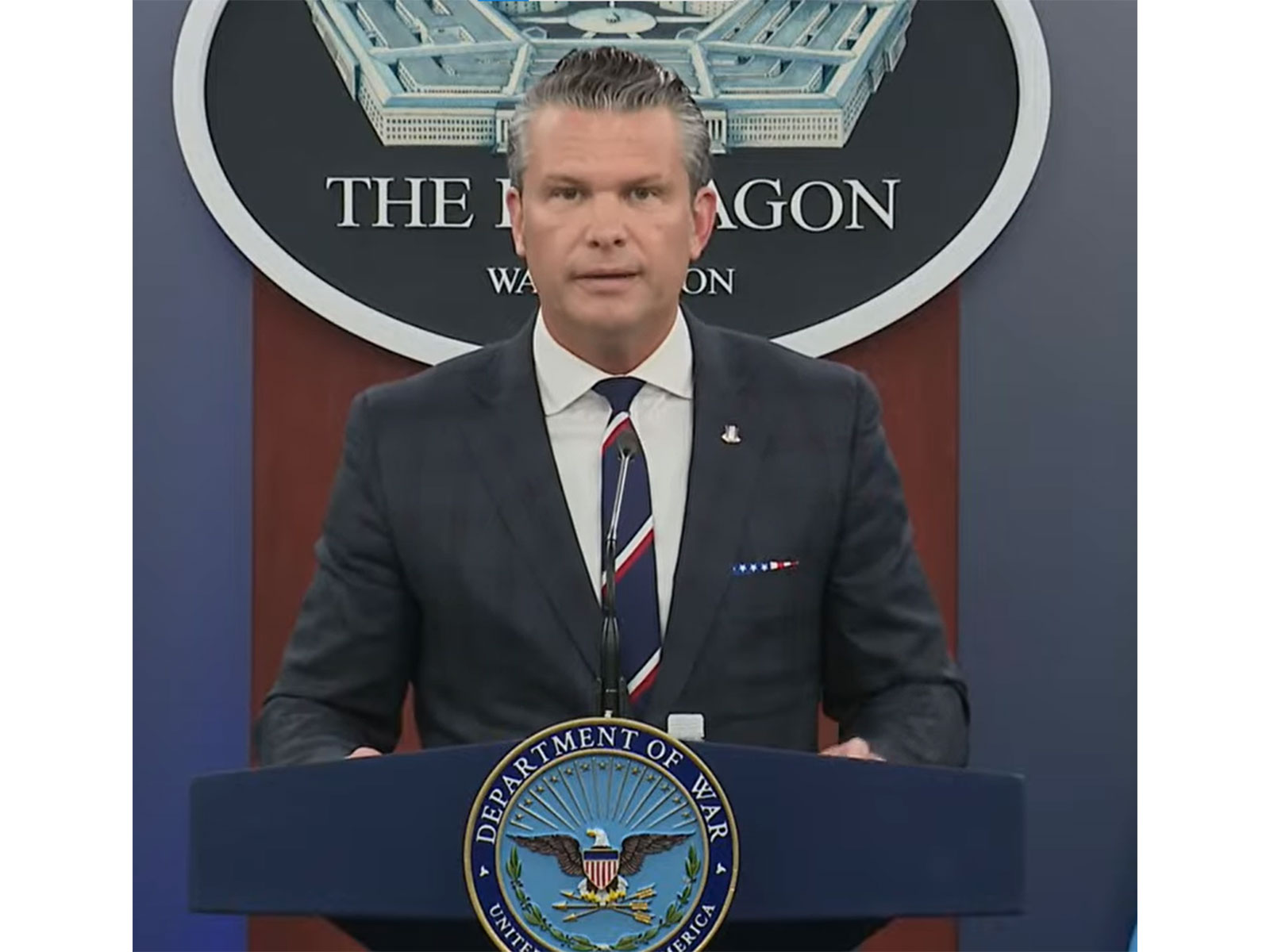
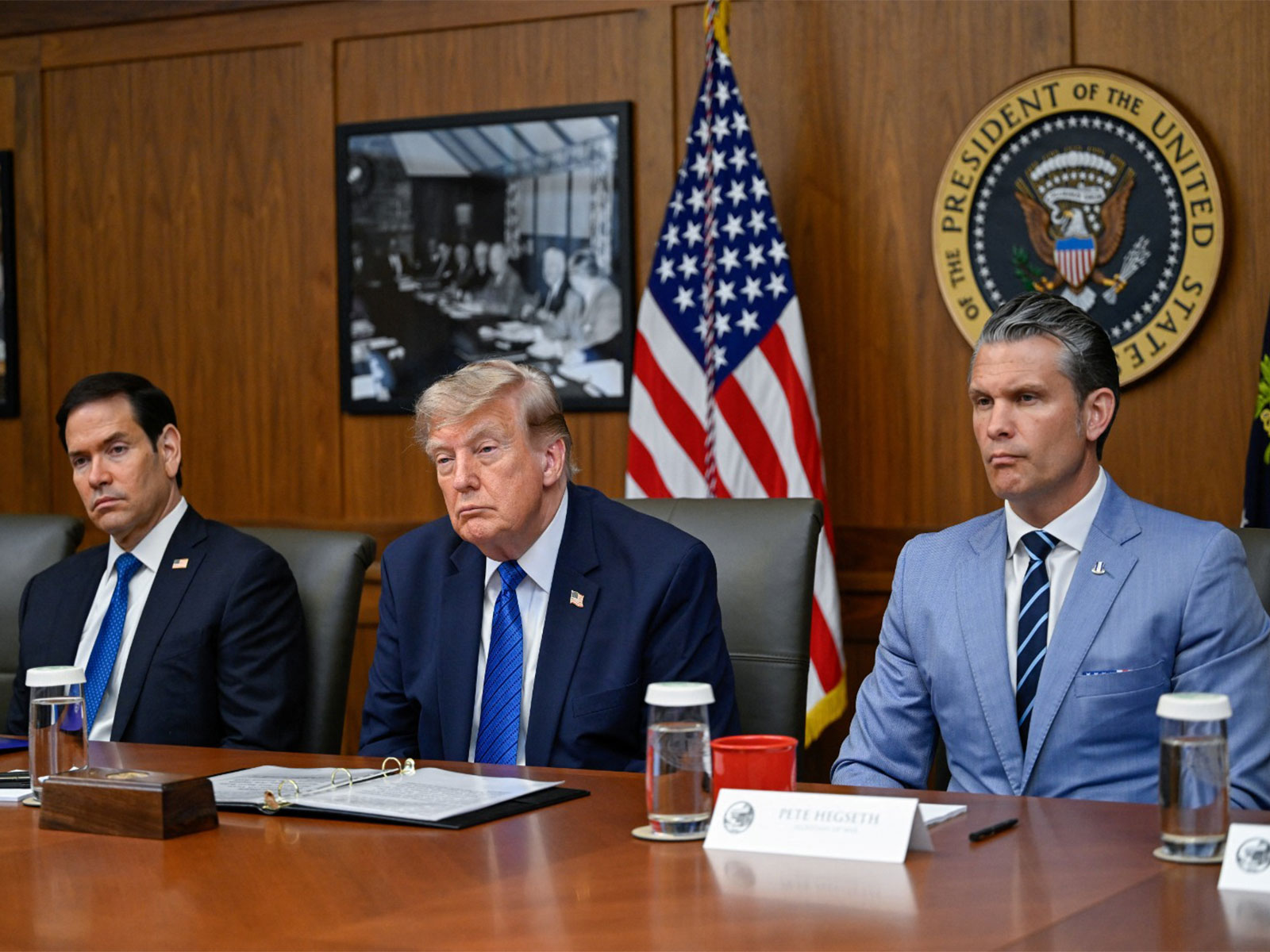
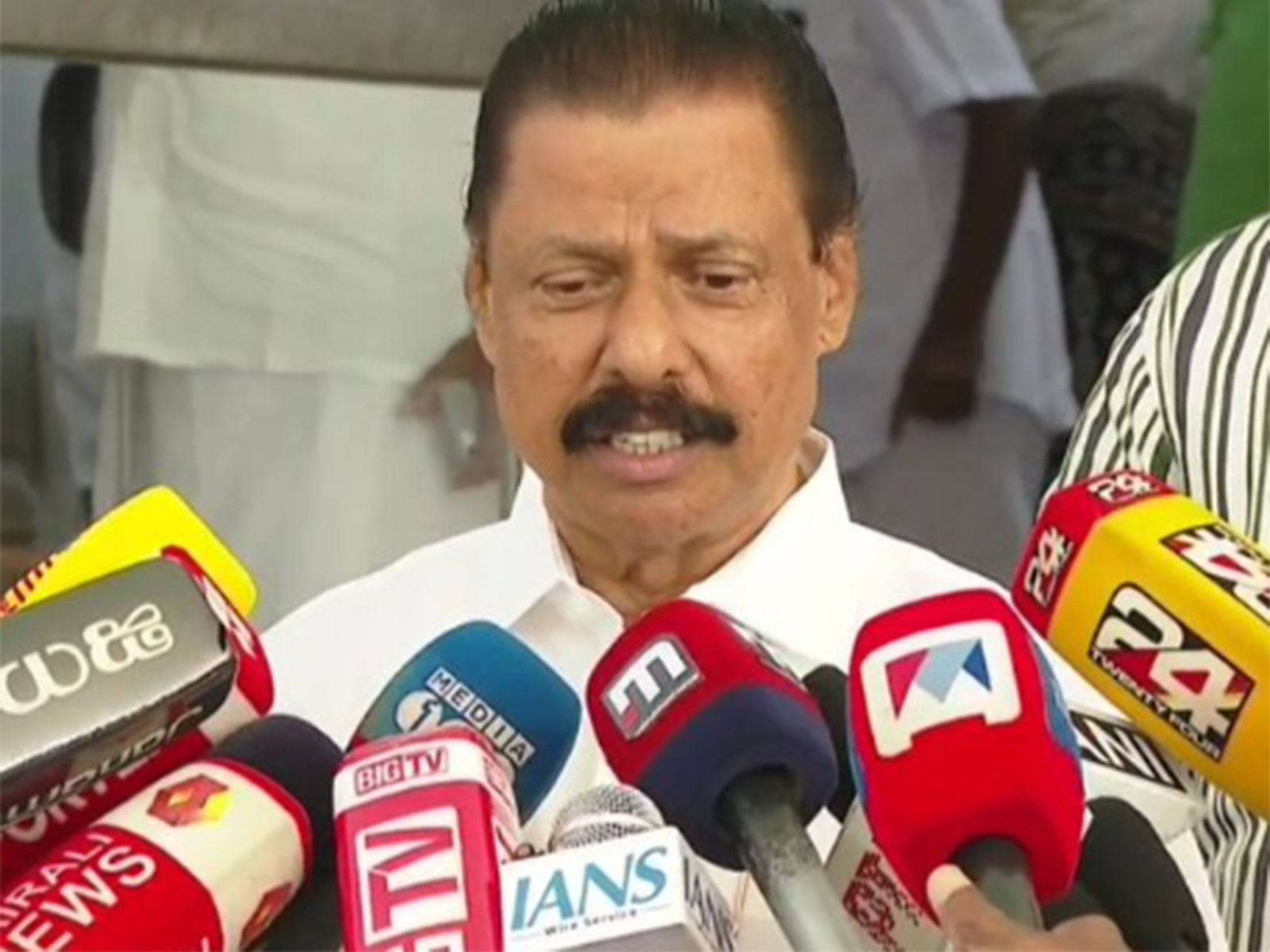
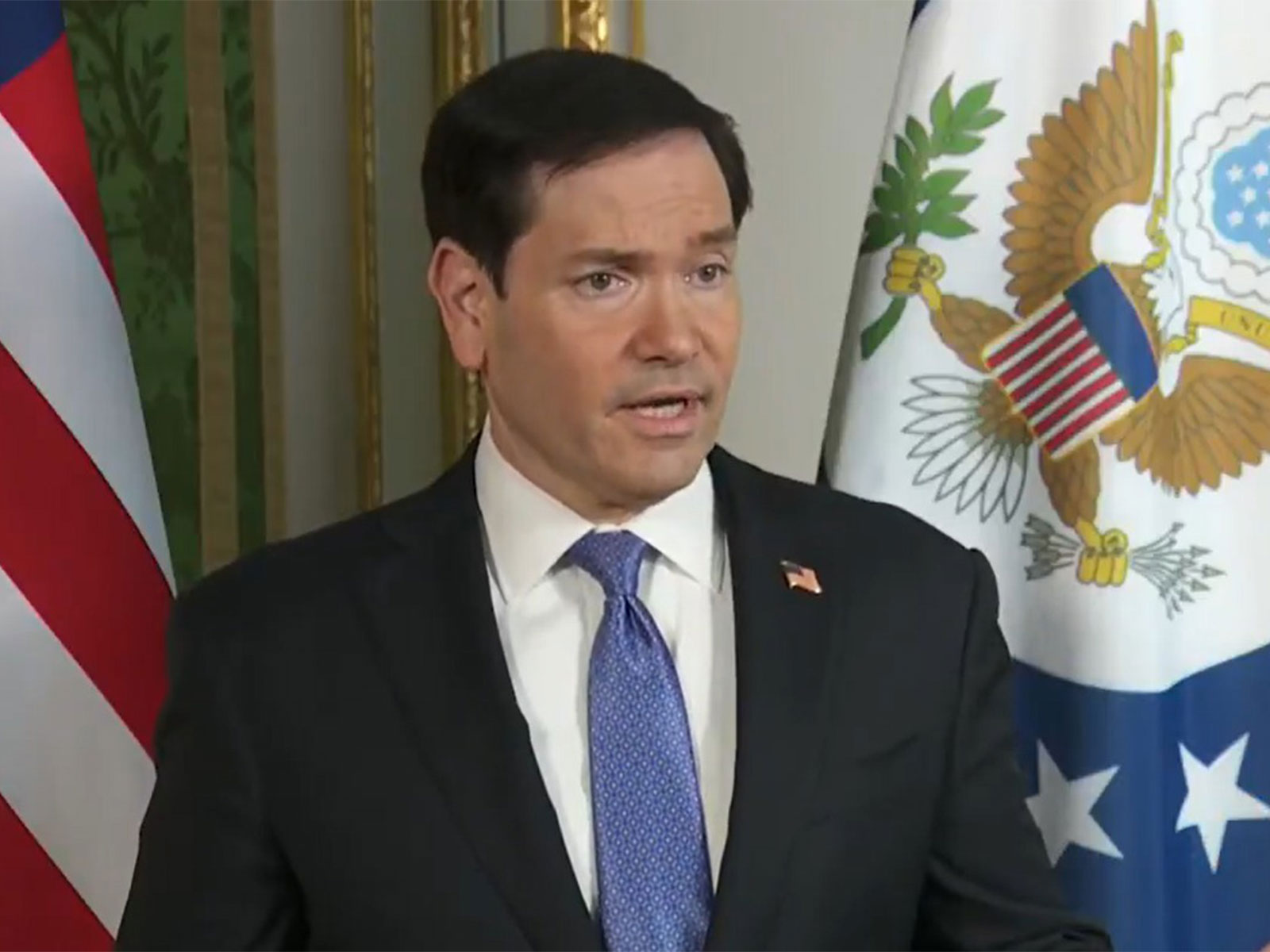
Paris [France], November 10 : In a reaffirmation of the administration's transactional and state-centric foreign policy posture, US Secretary of State Marco Rubio stated that Washington prioritises American national interest above international structures or foreign obligations, highlighted by recent intelligence warnings involving the technology sector.
Addressing the core friction between Washington and Beijing, Secretary Rubio emphasised that major power competition is an inevitable reality driven by competing national systems, on the sidelines of the G7 Foreign Ministers Meeting held in Paris, France.
“I think that the Chinese system is always going to act in the best interest of the Chinese system and the United States will always act in the best interest of the United States. So we're going to do whatever it takes. I work for the American people. The President represents and works for the American people. We are always going to be on the American side of every issue... We work for America. We don't work for the global order. We don't work for other countries. We work for the United States... And that will often put us in conflict or in disagreement with other countries, including China...”
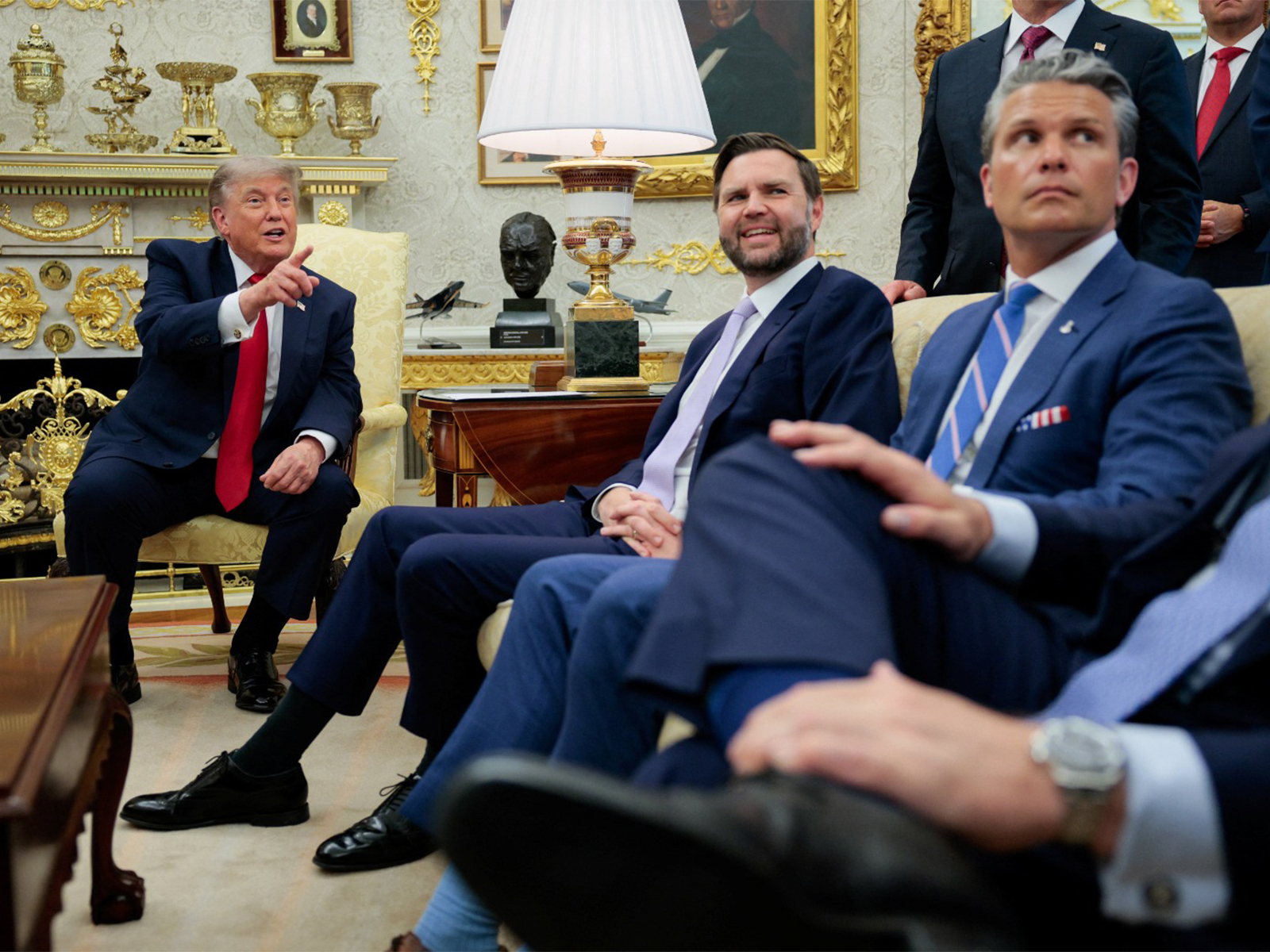
This comes in the backdrop of US President Donald Trump brushing it off when asked whether he had read a memo by Secretary of State Marco Rubio last spring flagging Nvidia CEO Jensen Huang's relationship with an alleged Chinese operative.
"I would certainly check with the intelligence people. It could have been mentioned. Certainly, it didn't make much of an impact on me," Trump said.
The New York Times reported that Rubio flagged the relationship in a document circulated ahead of the president's visit to Beijing in May.
His comments came amid continued support for Huang and an active investigation into his association with accused operative Alice Huang, also known as Huang Le.
Speaking to reporters during a White House press briefing, Trump said he had personally questioned Huang about the situation ."He said, 'I had no idea she was a spy', and I really believe him," Trump said.
Nvidia has initiated an internal inquiry into the incident, while the Federal Bureau of Investigation is also examining the connection.
"I know the FBI is looking into it in terms of something else, and I think that he'll be in good shape," Trump said.
Alice Huang, who shares no familial ties with Jensen Huang, previously served as managing director of Megaspeed, a Singapore-based company that maintained commercial partnerships with Nvidia.
The claims have raised national security concerns in Washington around potential intellectual property breaches involving Nvidia's advanced AI processors.
Jensen Huang had previously lobbied in Washington for relaxed export controls on Nvidia chip shipments to China. The administration later authorised delivery of the company's H200 chips to Beijing this year, though it remains unclear whether Chinese regulators will allow domestic firms to procure them in large volumes.
The revelations about Rubio's memo come after previous reporting by The New York Times that Trump had been briefed nearly a year earlier that US intelligence had surveilled Alice Huang over suspected espionage on behalf of Beijing. Initial surveillance established her association with an unidentified American national who was later identified as the Nvidia chief.
The report said Trump opted not to take punitive action at the time, viewing Nvidia's hardware as instrumental to US AI competition with China.
When asked Sunday about his inaction, Trump said he had no regrets and described Huang as "an honourable guy," adding that he "probably has an excuse for it." China has rejected the spy allegations, calling them a smear campaign against Beijing.
In response to questions regarding prospective high-level trilateral consultations involving the United States, Russia, and China, Secretary Rubio acknowledged Washington’s intent to explore high-stakes diplomatic channels, while remaining cautious about predicting outcomes.
“I don't want to characterise what they're open to or not. Suffice it to say that I think there's an intent to have that meeting. We're working to organise it and to frame it in the appropriate way... The President wants that meeting to happen if it's possible...”