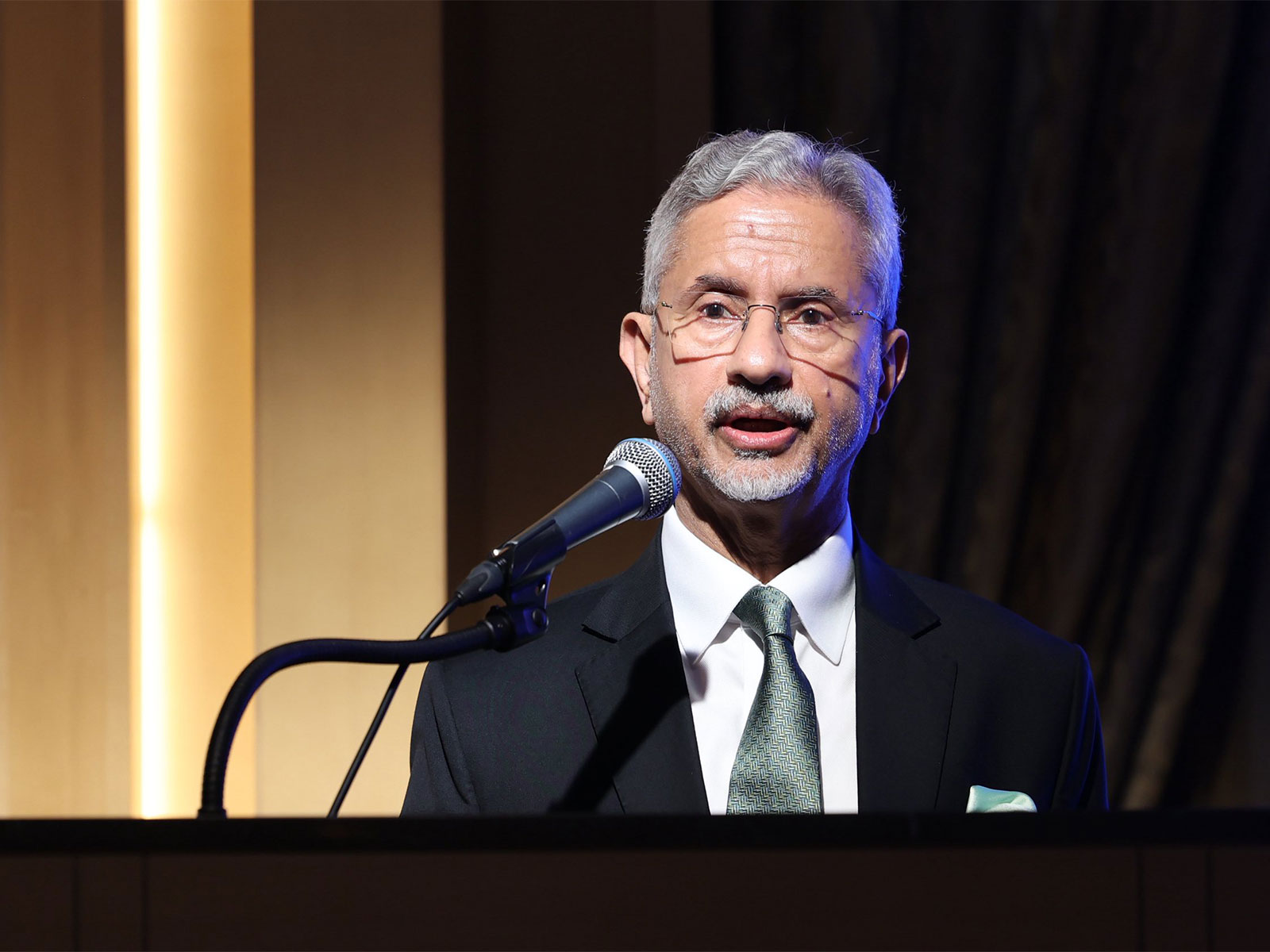
Weaponisation, chokepoints becoming enduring realities: EAM Jaishankar outlines 5 defining features of world
Nov 18, 2026
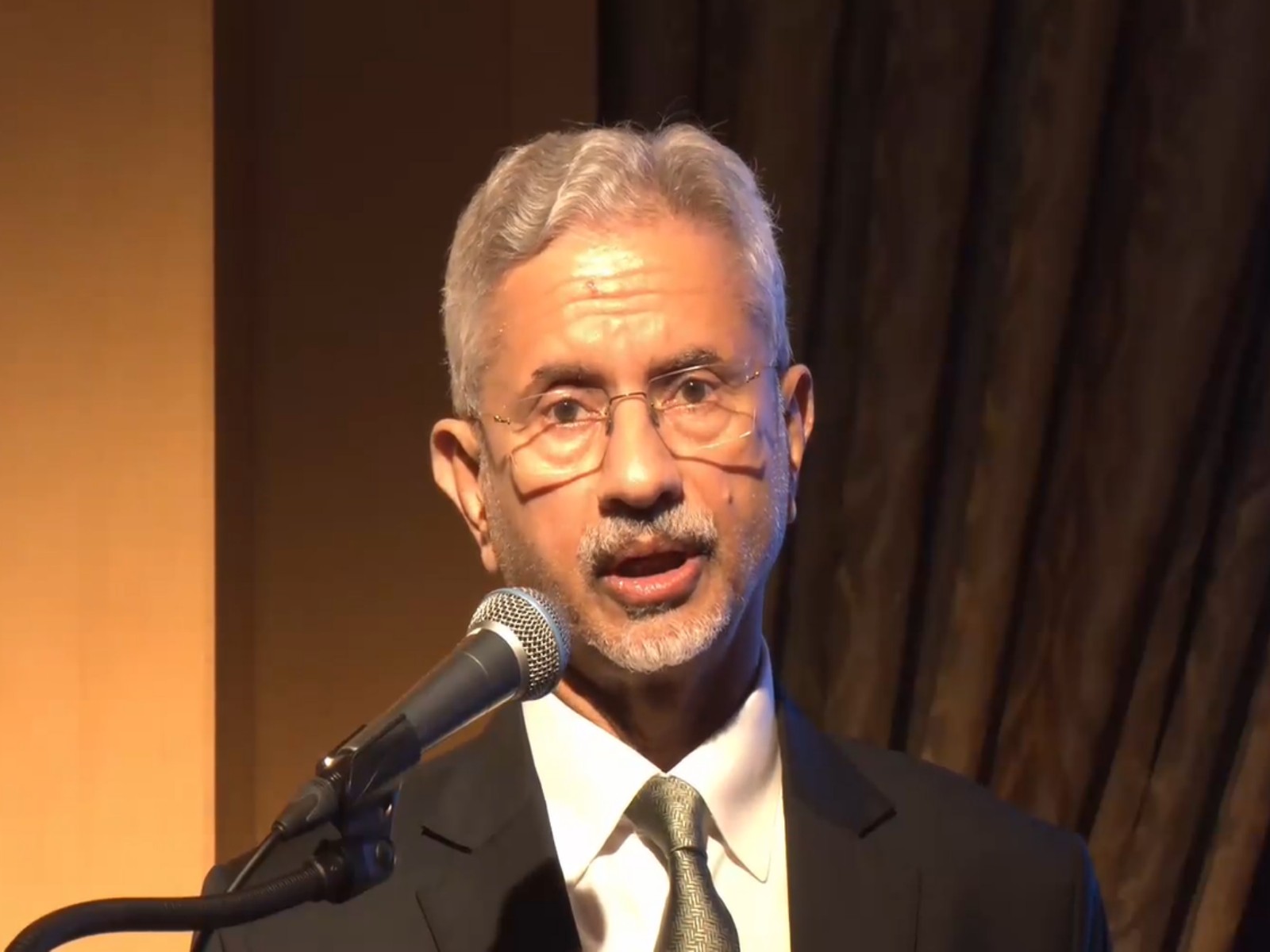
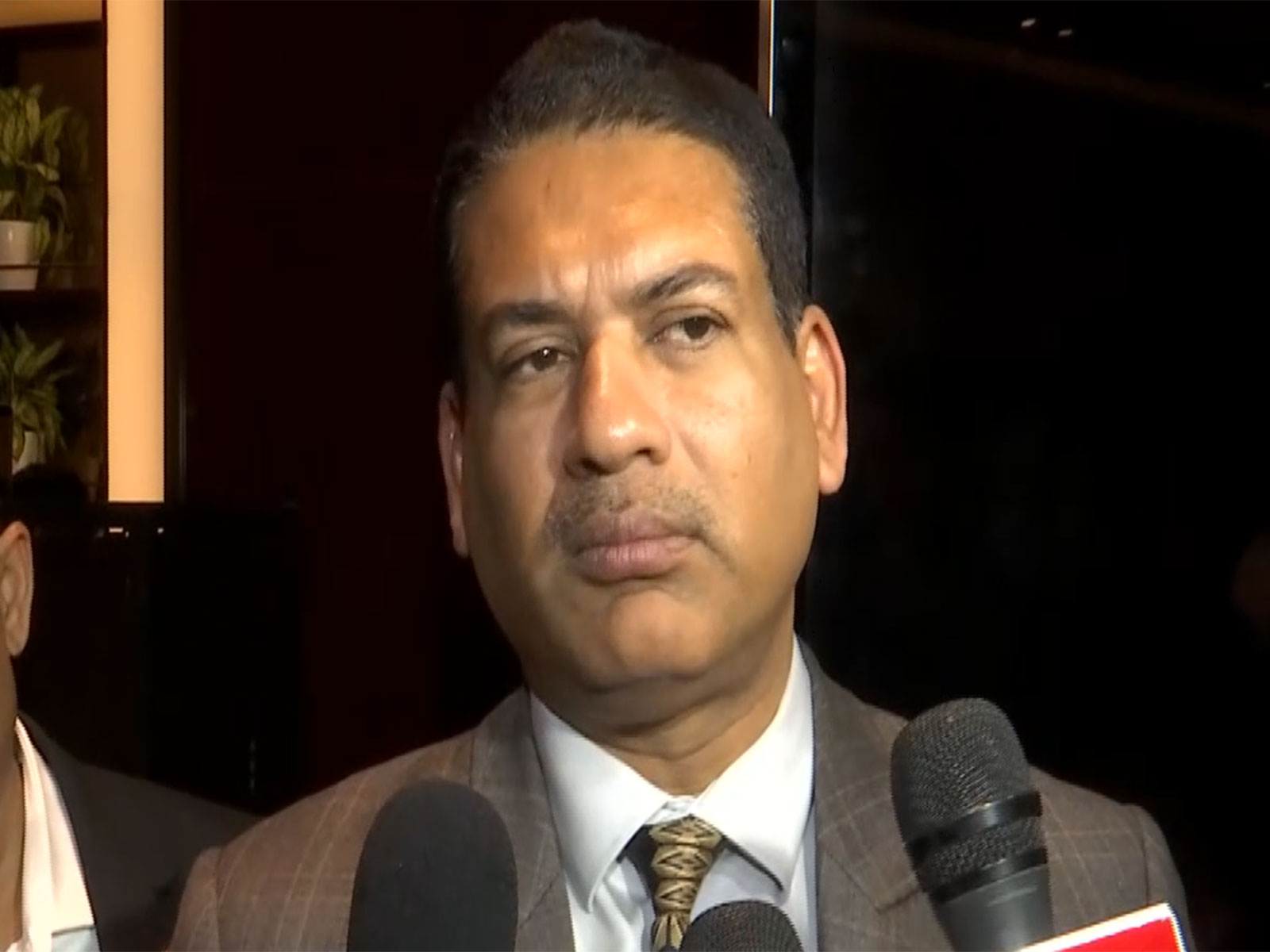
Tokyo [Japan], November 18 : External Affairs Minister S Jaishankar on Wednesday outlined five defining features of the current global order, including repeated shocks to the international system, weaponisation of resources and technology, greater risk-taking, economic de-risking and the growing importance of trusted partnerships.
Addressing the inaugural session of Raisina Tokyo 2026, Jaishankar said the international system was undergoing rapid changes following a series of disruptions, including the COVID-19 pandemic, major conflicts, trade disruptions and economic volatility.
"Let's start with the current state of the world. To my mind, it has five defining features," Jaishankar said, identifying the first as "the shocks to the international system".
"Its steady evolution through globalisation over multiple decades has now been subjected one after another to the Covid pandemic, two major conflicts, trade disruptions and economic volatility," he said.
The External Affairs Minister identified weaponisation and chokepoints as the second defining feature, pointing to the increasing use of resources, energy, market access, technology and finance as strategic instruments.
"Whether it is resources or energy, market access or technology, or indeed even finance, every aspect of global economic activity has been more and more openly weaponised by relevant players. Chokepoints and gateways, whether physical or virtual, have similarly become subject to strategic agendas. The era of rules, norms and assumptions is unfortunately rapidly eroding," he said.
Identifying greater risk-taking as the third feature, Jaishankar said a mindset of extreme competition and the temptation to translate leads into outcomes were increasingly shaping developments across different domains.
The fourth feature, he said, was de-risking and diversification, which had emerged as natural responses, particularly among major economies, to growing global uncertainties.
"Our choices are shaped now less by cost and efficiency, and perhaps more dependent on reliability and multiplicity. New supply chains and new economic arrangements are starting to come into being. The dangers of over-concentration are increasingly being felt, with all of us either seeking alternatives or seeking some form of mitigation," he said.
Highlighting the fifth feature, Jaishankar said trusted partnerships were becoming increasingly important for countries and businesses navigating an uncertain international environment.
"In such uncertain times, nations, as indeed enterprises, put a much greater value on trusted partners and shorter supply chains. We are getting increasingly clear-eyed about the gaming of rules and ensuring that these are not utilized to the disadvantage of those who abide by it," he said.
At the inauguration, Jaishankar said it was timely for India and Japan to strengthen their relationship amid a rapidly changing global landscape.
"It's a great pleasure to join you all today at the inauguration of Raisina Tokyo. This is an important part of the interconnected global conversations that the Raisina platform has set up across the world. It is both useful and timely that it takes place when Japan and India contemplate a rapidly changing global landscape and strategise on how to deepen their relationship," he said.
In a post on X following the event, Jaishankar said he had addressed the inaugural session alongside Japanese Foreign Minister Toshimitsu Motegi and outlined the five defining features of the contemporary international order.
https://x.com/DrSJaishankar/status/2123016524709679548
He also highlighted areas where Japan could deepen its engagement with India, urging it to recognise the transformation the country had undergone since 2014 and update its assessment of India's economic and technological progress.
Jaishankar said India's infrastructure development and domestic market made it an attractive destination for Japanese companies looking to expand manufacturing and production.
He also highlighted improvements in India's human resource development, with progress visible in education, skilling, innovation, startups, digital technology, space, drones, healthcare and defence.
The External Affairs Minister called for greater India-Japan collaboration in advanced manufacturing, semiconductors, critical minerals, information and communication technology, clean energy and pharmaceuticals.
He further emphasised the need to develop policies and frameworks for closer cooperation in security and defence, supported by stronger people-to-people connections and societal activities.
Underlining the historical foundations of bilateral relations, Jaishankar said India and Japan had never experienced a clash of interests and had maintained congenial relations throughout history.
"Under the leadership of PM Modi and PM Takaichi, we can see stronger cooperation between our countries," he said.
He also stressed that both countries must safeguard their national interests while encouraging freedom of choice and promoting growth and stability in the Indo-Pacific.
"India and Japan must secure their own national interests, while encouraging the freedom of choice and promoting growth and stability in the Indo-Pacific," Jaishankar said.
He added that stronger bilateral cooperation would contribute to regional and global stability.
"By expanding India-Japan ties, we will not only serve to stabilise and secure the Indo-Pacific but also add an important pillar to an increasingly multi-polar Asia and the world," he said.