"We're going to see more and more pluralism in global order": Former Australian PM Morrison on Mecca Defence Agreement
Aug 13, 2026
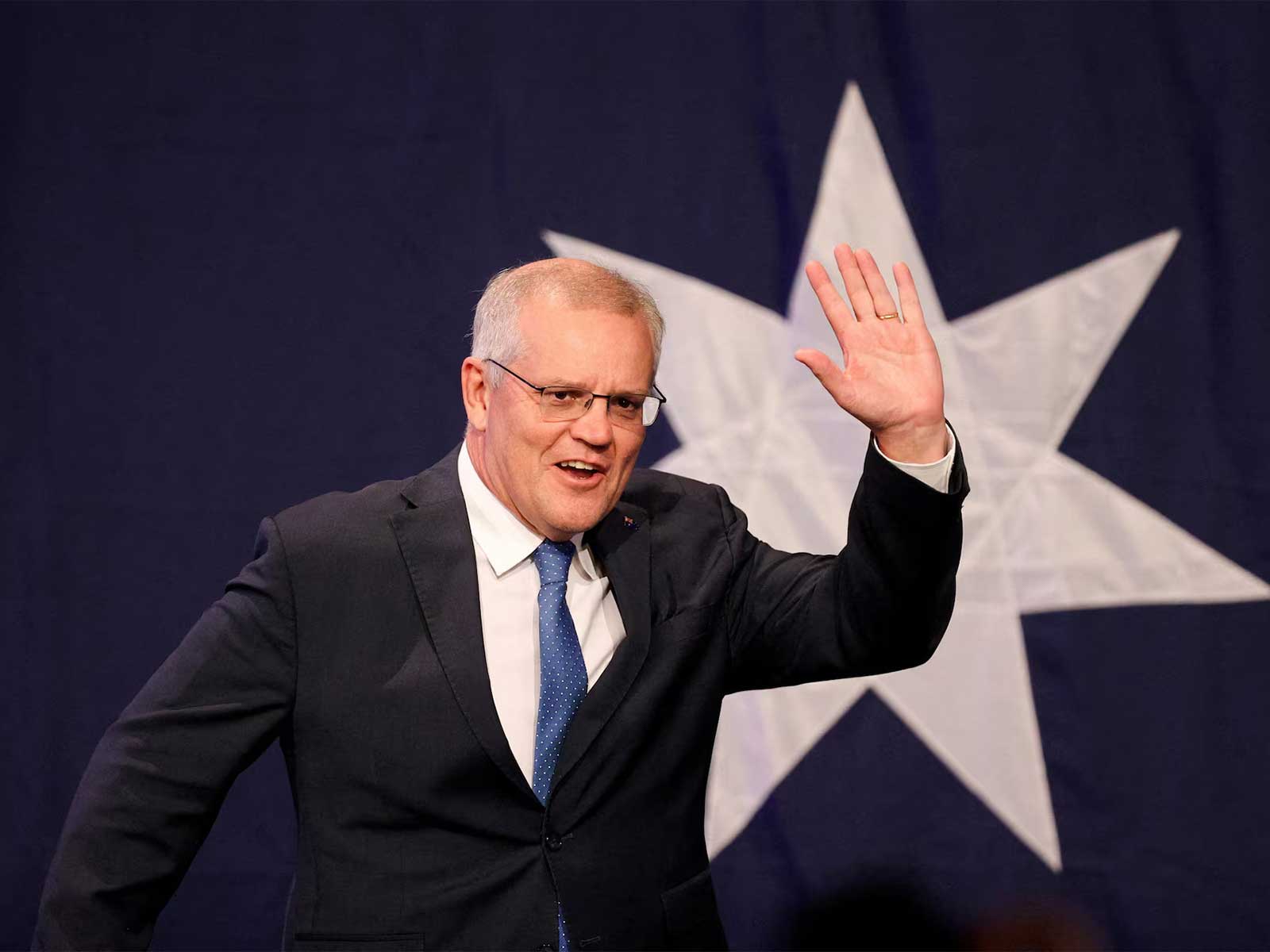
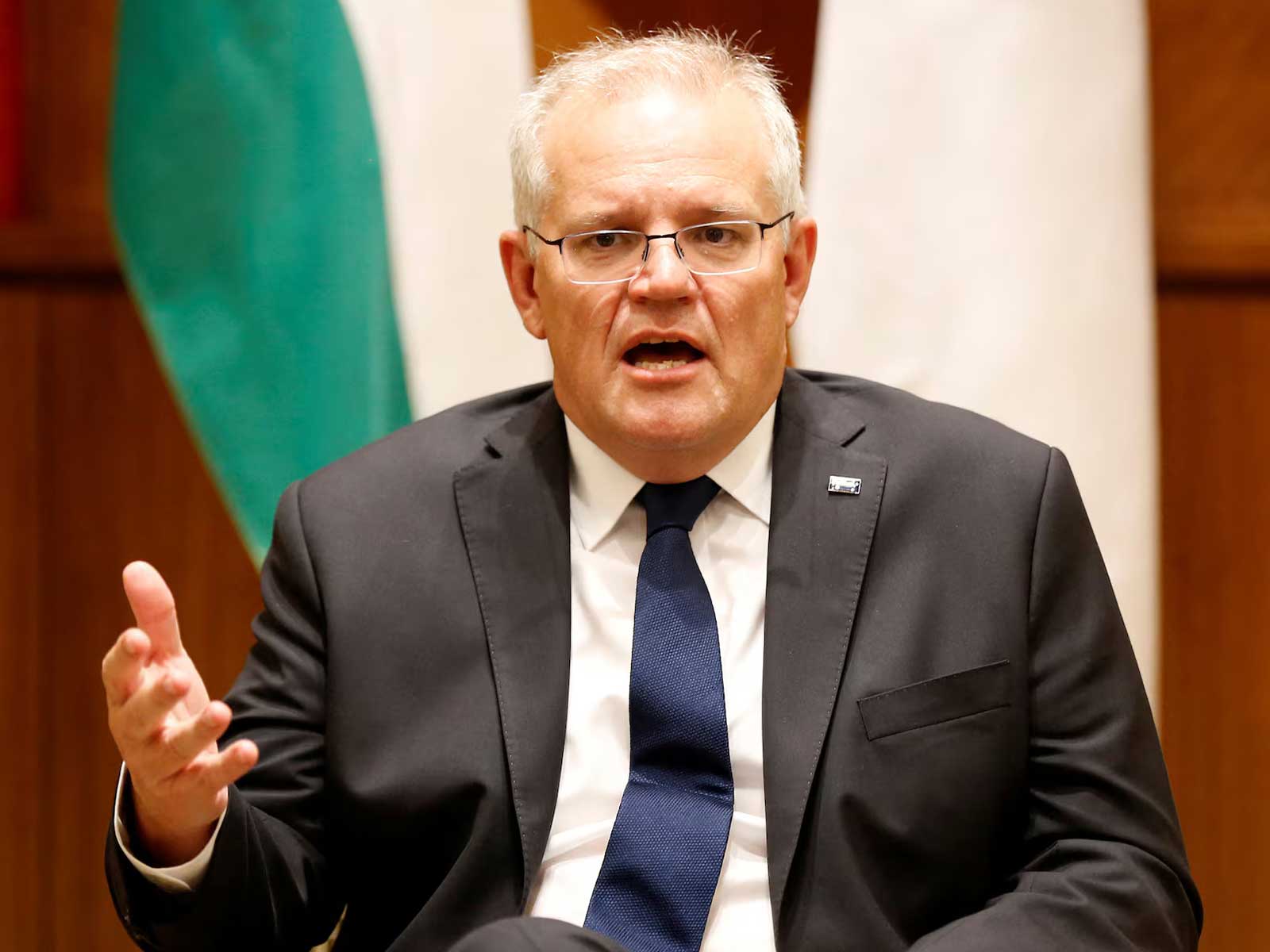
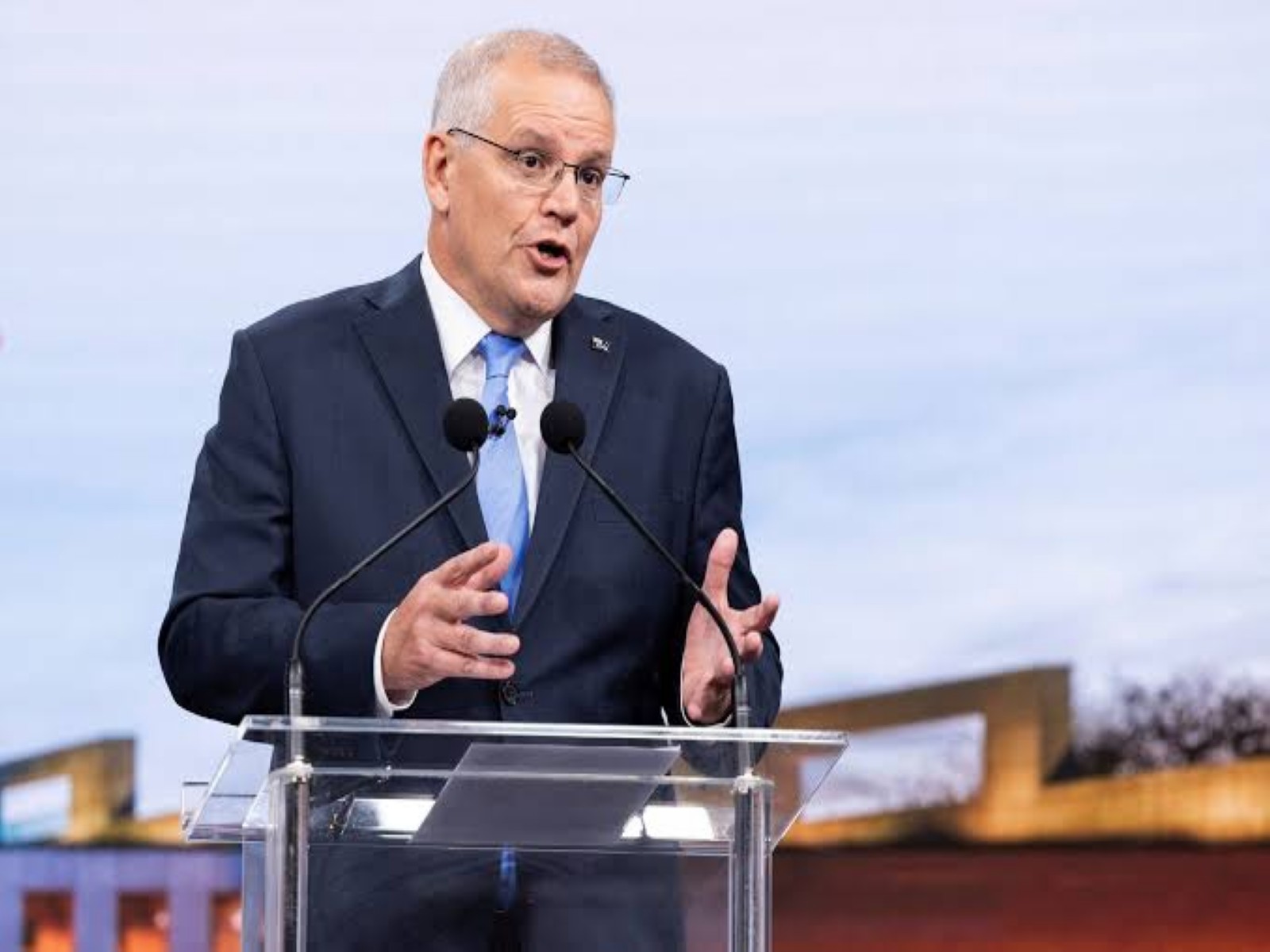
Sydney [Australia], August 13 : Former Australian Prime Minister Scott Morrison has stated that the emergence of the new Mecca Defence Agreement involving Saudi Arabia, Pakistan, and Turkey reflects a broader global shift towards a more distributed international order, with the Indo-Pacific absorbing significant economic fallout from Middle Eastern conflicts.
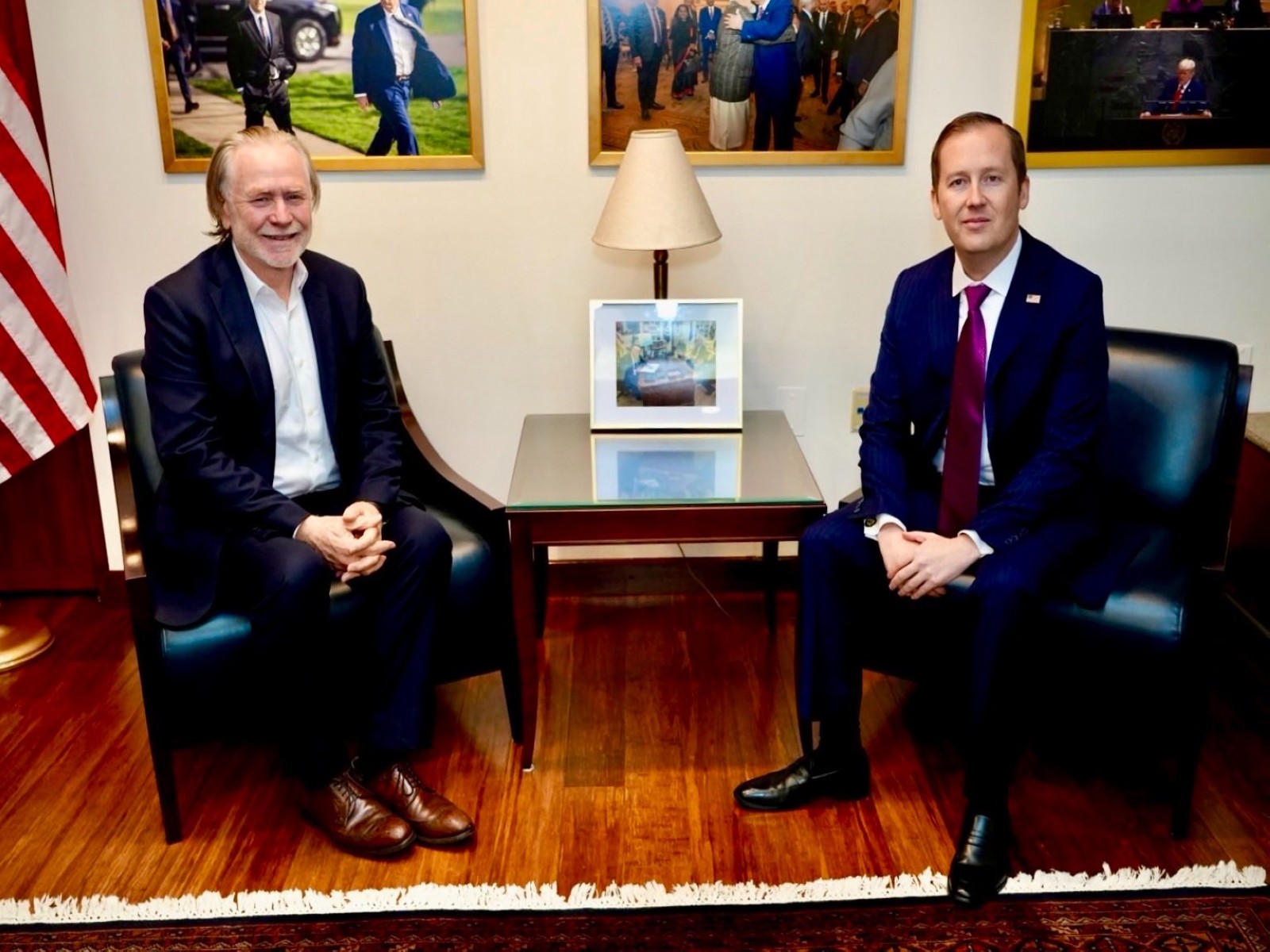
Speaking online as part of the Indo-Mediterranean Dialogues, the former Australian Prime Minister discussed the implications of the trilateral arrangement and the changing security landscape stretching from the Middle East to the Pacific.
On the wider consequences of the Mecca Defence Agreement and the conflict in the Middle East, Morrison noted that the ramifications were already being experienced well beyond the immediate region. He argued that outside the Middle East itself, the Indo-Pacific has likely borne the heaviest economic burden, particularly through elevated costs for oil, petrol, and diesel, leaving developing and emerging economies especially vulnerable.
However, Morrison viewed the signing of the pact as part of a much larger structural transformation in international relations.
"I think we're going to see more and more of this globally," Morrison said, observing that the global order is becoming increasingly decentralised. "Some call this the collapse of the order, but that's frankly those who used to run it. They're getting used to not running it quite the same way they used to," he noted.
For nations that historically possessed less influence over governing international institutions, Morrison emphasised that this global shift presents significant new opportunities. He anticipated a proliferation of smaller, focused arrangements to manage security, trade, intelligence, and critical technologies.
"We're going to see more and more pluralism in the global order," Morrison stated.
While acknowledging that Beijing will inevitably attempt to participate in and influence these emerging frameworks, Morrison expressed confidence that China will not necessarily dominate them.
"The minilateral process enables like-minded countries to band together to deal with particular problems or issues," he said, adding that in several instances, the core purpose of such groupings is to directly counter strategic pressure exerted by actors like China, Russia, Iran, or North Korea.
Rather than a single new overarching architecture replacing the traditional system, Morrison concluded that the future global order will be defined by overlapping networks of countries cooperating where their specific national interests coincide.
This systemic realignment identified by Morrison comes at a time when major regional powers like India are closely evaluating the local and global fallout of such minilateral security arrangements.
Ministry of External Affairs (MEA) official spokesperson Randhir Jaiswal stated during a biweekly news briefing on Tuesday that New Delhi is examining what the agreement could mean for its national security and regional stability amid the wider security turmoil in West Asia.
"Regarding the agreement that was signed recently, let me say that we continue to closely follow developments in the West Asia conflict," the spokesperson stated.
"As far as this particular agreement is concerned, we are examining its implications, both from the perspective of our national security as well as considerations of regional stability, peace and stability," Jaiswal said.
Emphasising New Delhi's steadfast commitment to protecting its strategic interests, the spokesperson added: "India remains fully committed to meeting or safeguarding its national interests and will take all necessary measures in this regard."
The accord was signed in Mecca on Friday, August 7, by Saudi Crown Prince Mohammed bin Salman, Turkish President Recep Tayyip Erdogan, and Pakistani Prime Minister Shehbaz Sharif, according to official releases issued by the three nations.
At the core of the treaty is a collective defence framework, stipulating that an armed attack against any single member country will be treated as an act of aggression against all three. Official declarations from the signatory nations indicated that the agreement is "intended to strengthen collective deterrence against any act of aggression" and "provides for the enhancement of all aspects of defence cooperation among the three states".
The pact also envisages broader military collaboration, including joint defence manufacturing initiatives and bolstered counter-terrorism efforts.
Addressing concerns surrounding the broader regional architecture, Saudi Arabia released a separate statement clarifying that the pact does not constitute a military alliance or a religious faction, nor does it involve nuclear pursuits or an attempt to trigger a regional arms race. Instead, Riyadh noted that the treaty is designed for "building sustainable self-reliant capabilities" while maintaining Saudi Arabia's existing relationships across Gulf, Arab, and global partners.
Elaborating further on the framework, Turkish President Recep Tayyip Erdogan presented the pact on social media platform X as a broad regional security arrangement rather than a measure directed at any specific nation. Erdogan highlighted that the arrangement relies on collective deterrence, expands defence cooperation, supports joint defence manufacturing, and strengthens anti-terror efforts. He added that the agreement upholds the inherent right of self-defence under Article 51 of the UN Charter, does not target any particular country, and remains open to other states committed to regional peace, prosperity, and stability.
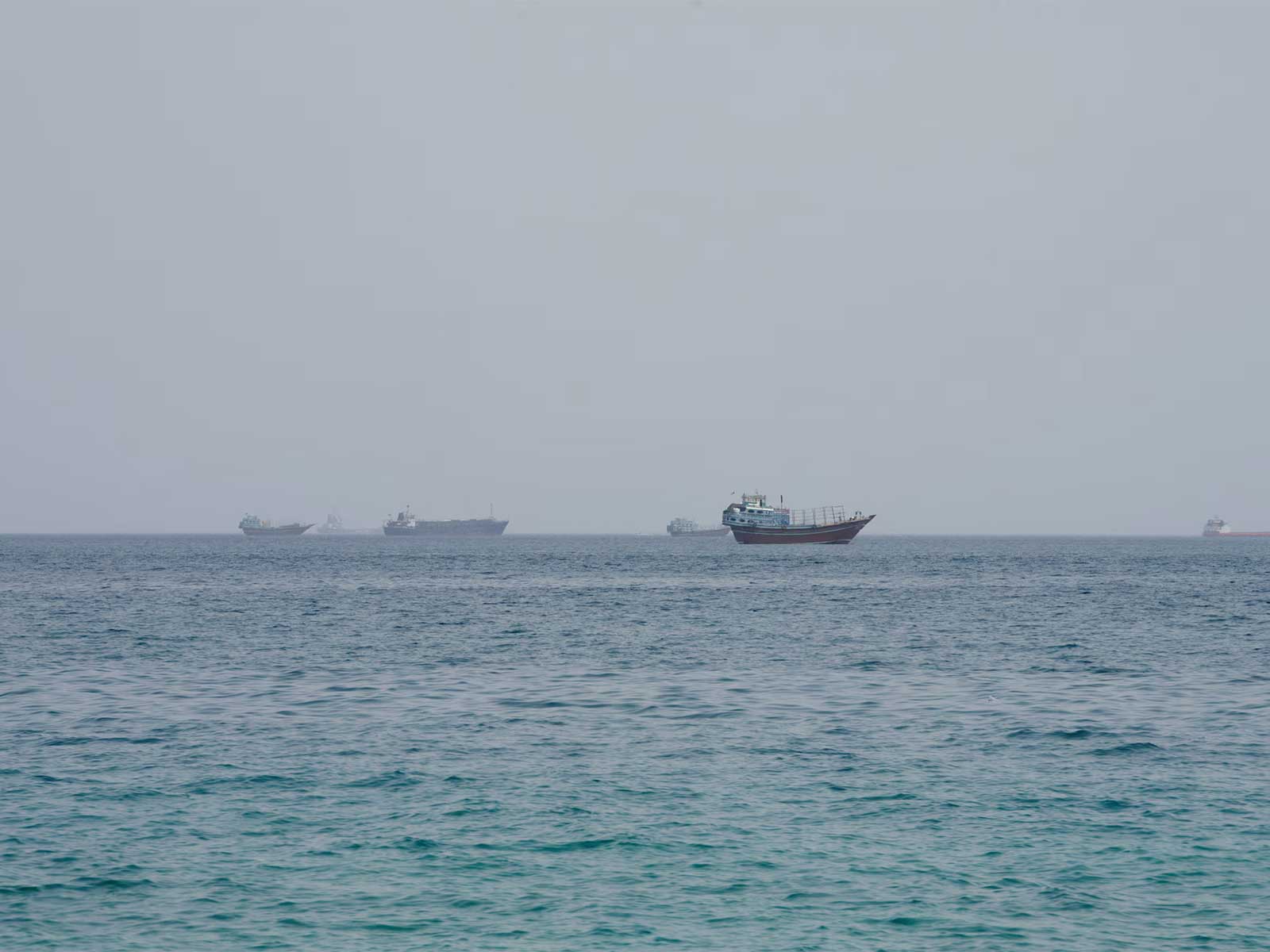
This tripartite framework materialises against the backdrop of an evolving security situation in West Asia, marked by military operations, the breakdown of ceasefires, and disruptions around the Strait of Hormuz affecting global energy supplies and maritime trade.
The Mecca agreement builds upon a foundational bilateral security framework established in September, when Pakistan and Saudi Arabia signed a defence pact that similarly categorised an attack on one signatory as an attack on both.