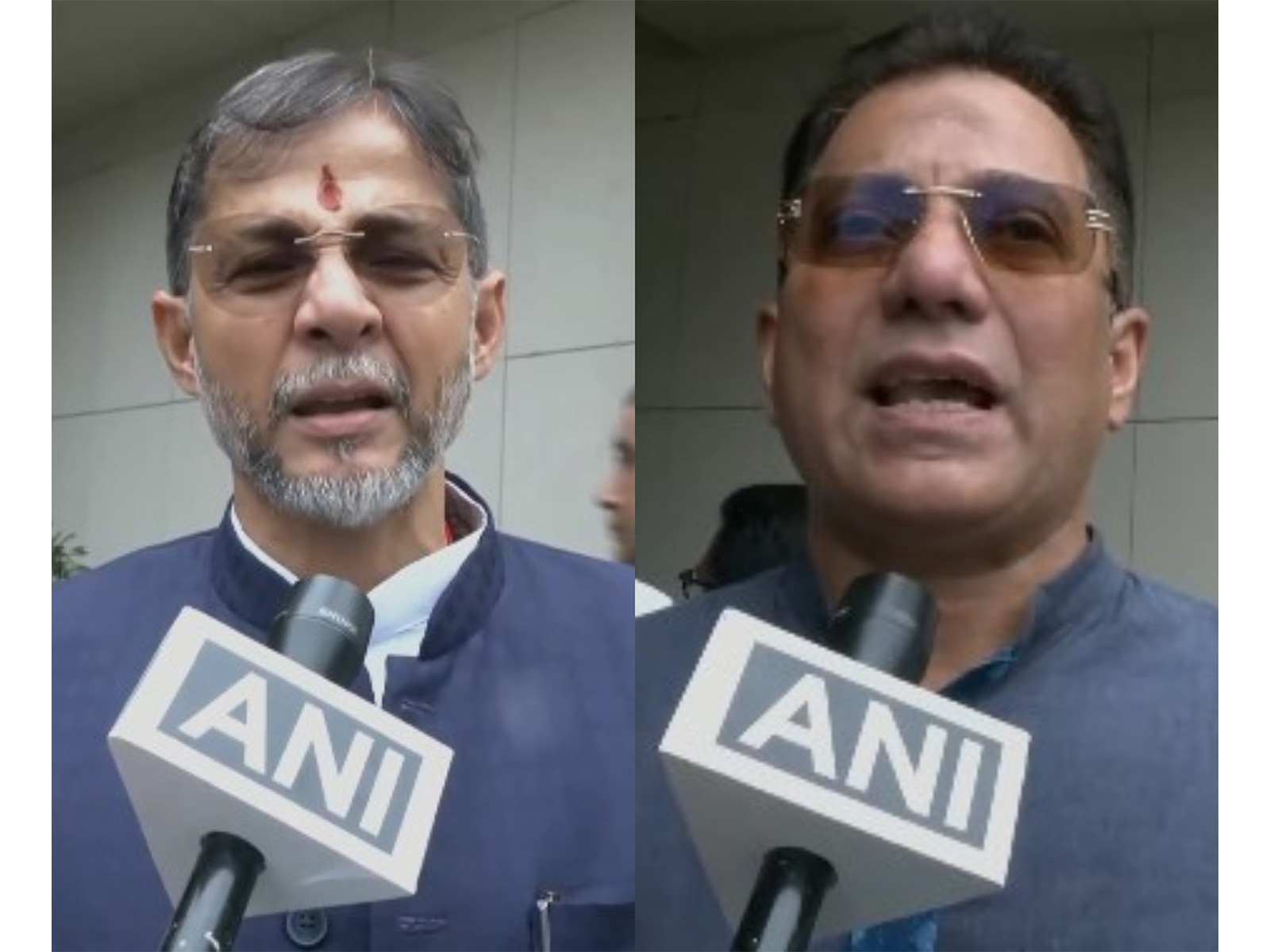
'Will go down in history': NDA leaders hail UCC in Assam Assembly, opposition leaders express concerns
May 27, 2026
Guwahati (Assam) [India], May 27 : Following the introduction of the Uniform Civil Code (UCC) Bill in the Assam Assembly, the legislation sparked sharp political reactions, highlighting a clear divide between the ruling NDA and Opposition parties over the proposed law.
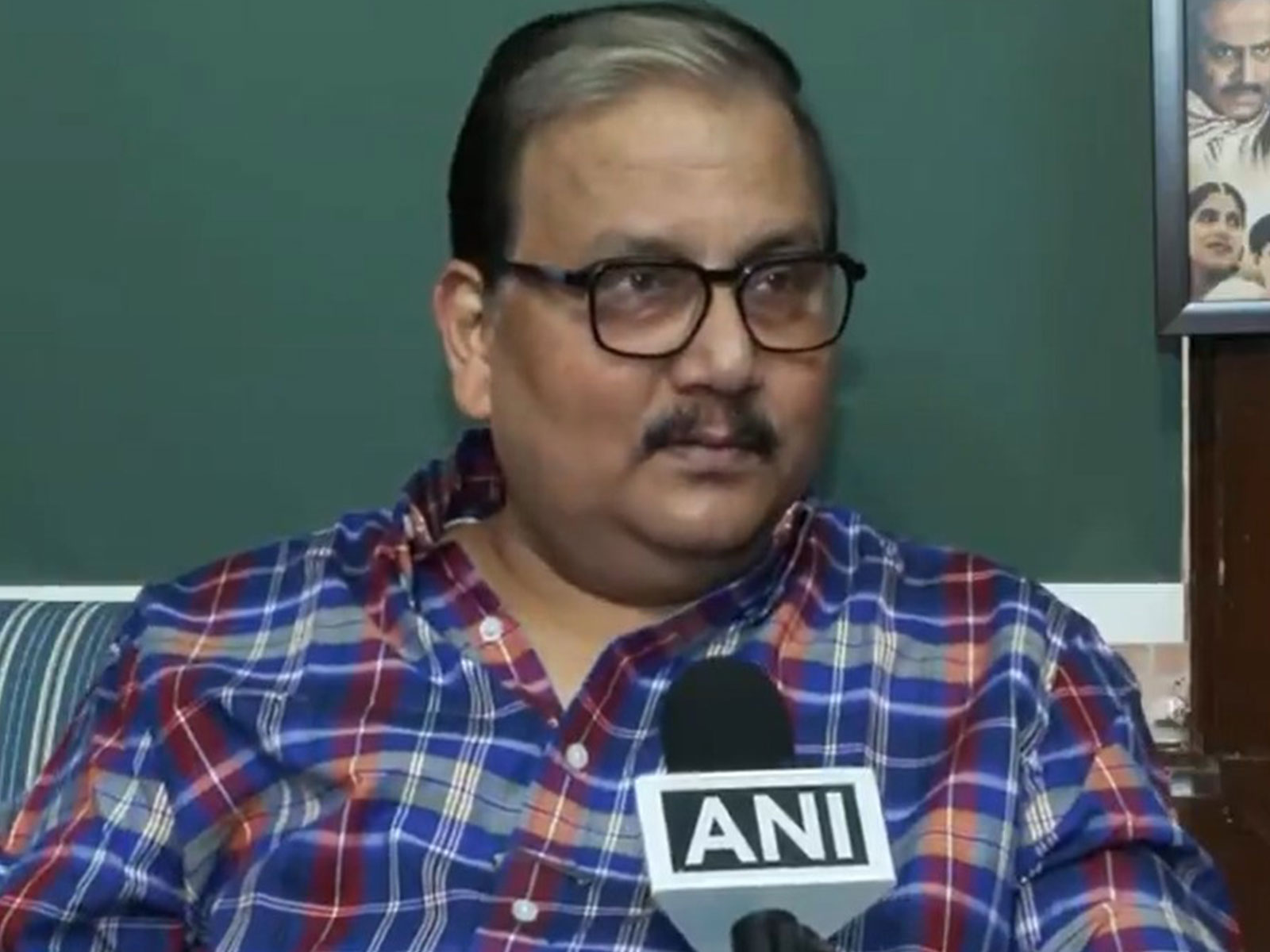
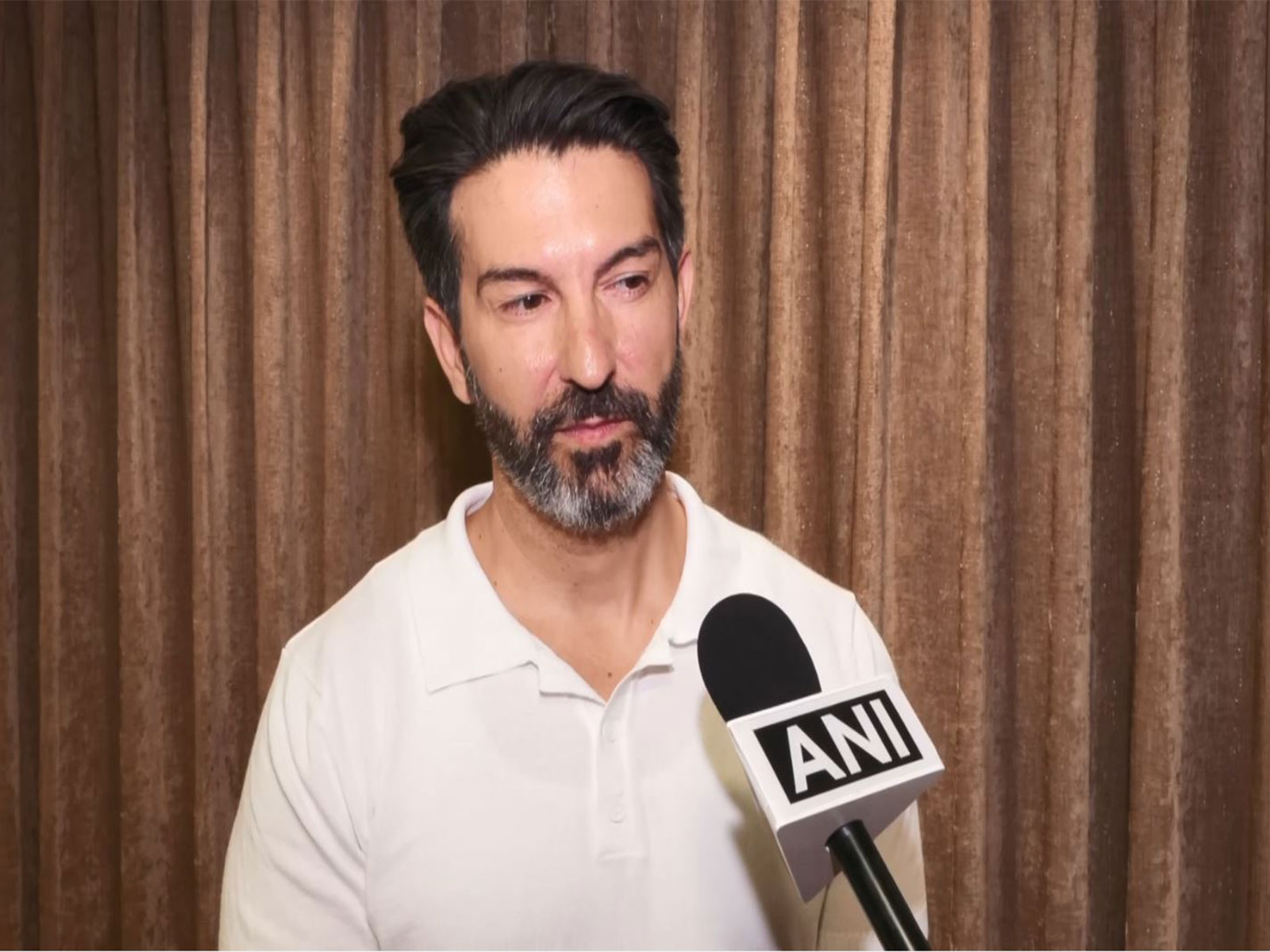
Speaking to ANI, BJP MLA Diganta Kalita praised the government for fulfilling a key election promise and described the move as historic.
"Our Chief Minister, Mr Himanta Biswa Sarma, stated previously that if we were to return to power, the implementation of the UCC would be our top priority. Today marks a truly significant--indeed, a momentous--occasion for us. This day will go down in the history of the 16th Assam Legislative Assembly," Kalita said.
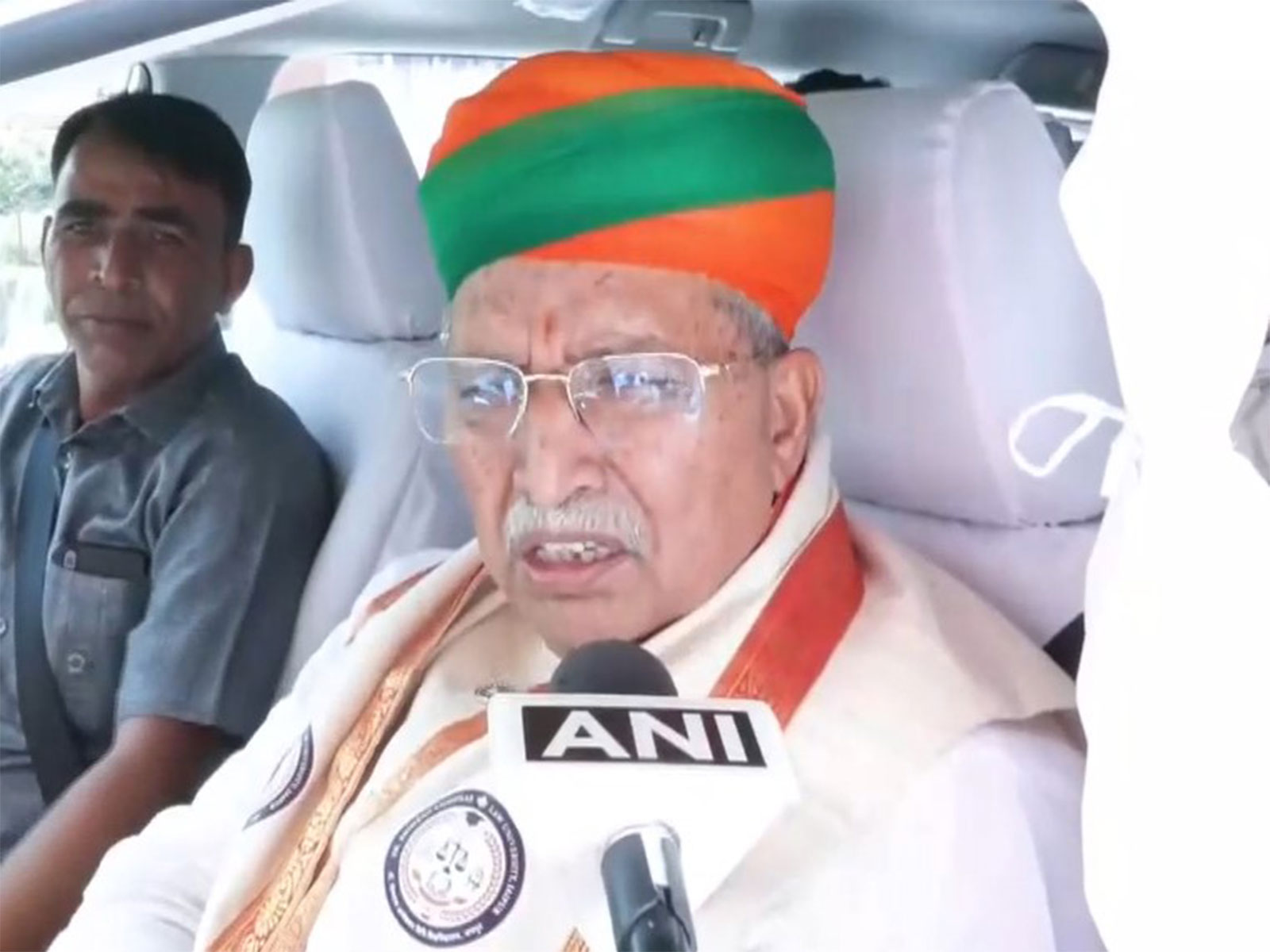
Assam Transport and Bodoland Welfare Minister Charan Boro sought to allay fears regarding the impact of the bill, particularly concerning the state's diverse indigenous populations.
"There is really no cause for undue concern regarding the UCC. Because we are a tribal people, and tribal communities are completely exempt from the UCC, whatever matters currently govern us will remain intact. It seems there is no subject here that warrants any such apprehension or alarm," he said.
After Uttarakhand and Gujarat, the Assam government on Monday introduced the Uniform Civil Code (UCC) Bill in the state Assembly, proposing a ban on polygamy and making registration of live-in relationships compulsory.
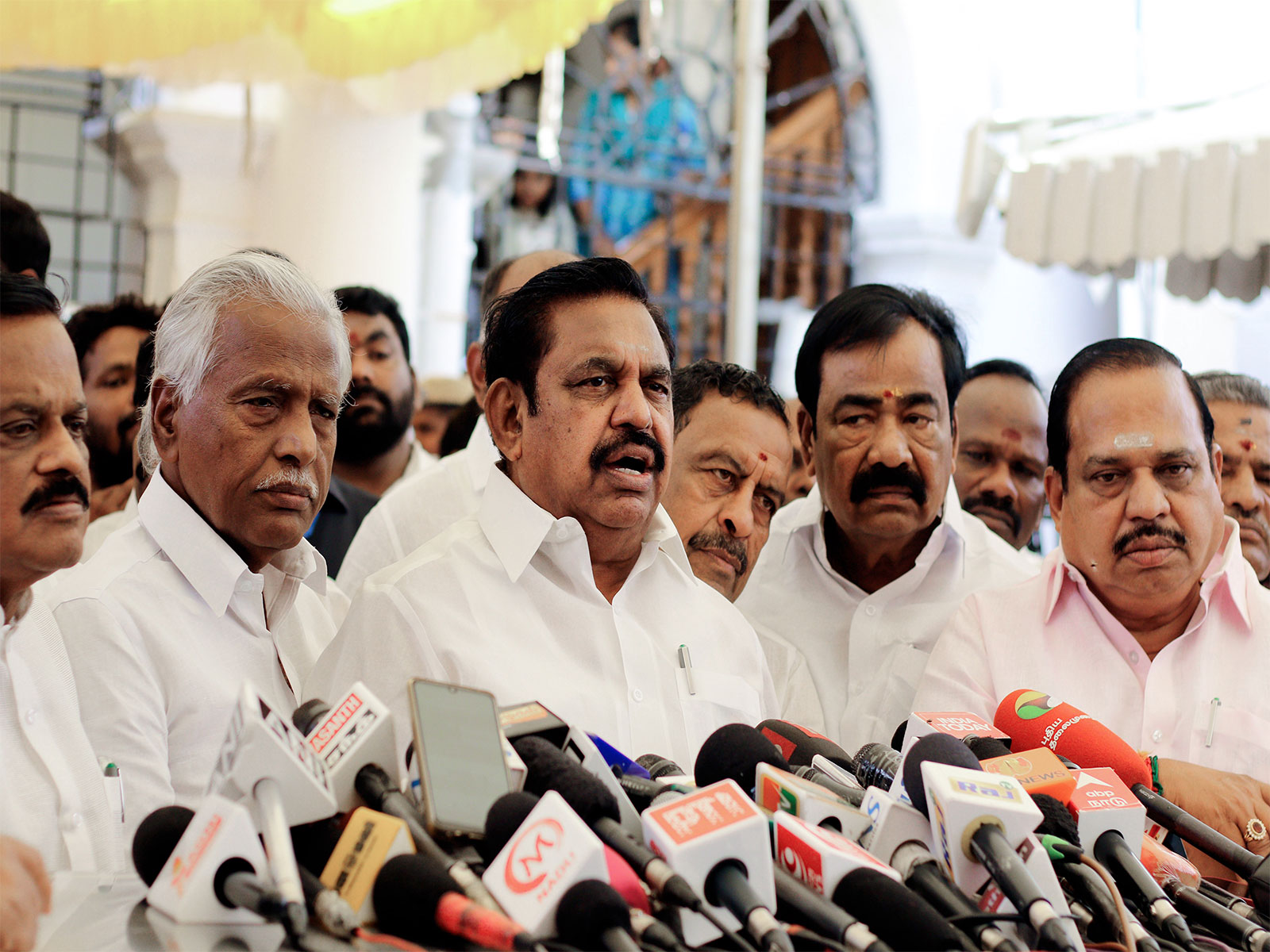
Opposition leaders, however, expressed strong reservations. Congress MLA Aminur Rashid Choudhury said the party would oppose specific provisions of the Bill within the Assembly.
"Our Leader and Deputy Leader have just been elected, and we are now heading into the House. We intend to take whatever action is necessary regarding the UCC Bill," Choudhury said.
"We have examined the legislation; we will oppose any specific clauses to which we have objections, and we will stand against the UCC in the interest of the people of Assam," he said.
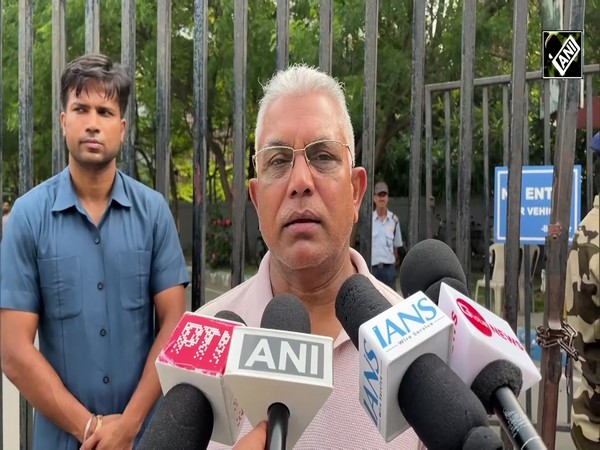
Furthermore, Raijor Dal President and MLA Akhil Gogoi described the Bill as an "attack on our private lives".
"The UCC constitutes an attack on our private lives; it is, in essence, an assault by the State. We must scrutinise this closely. To implement this, they have established a bureaucratic mechanism designed to spy on you--to monitor how you conduct yourself. How can this be? How can the State keep a constant watch over your life? Time and again, the Supreme Court has affirmed that the State cannot, under any circumstances, intrude upon or spy on an individual's private life," Gogoi argued.
Highlighting concerns over state surveillance, the Raijor Dal leader questioned the broader implications of the proposed law.
"In this current climate, our government seeks to impose a regime of constant surveillance over our personal affairs. Is the police now to dictate how we live? Are we to be subjected to such intense vigilance and 'moral policing' that none of us can live our lives with any sense of freedom or dignity? This constitutes a direct attack on our private lives and our very existence, and we must take action to put an end to it," Gogoi said.
After Uttarakhand and Gujarat, the Assam government on Monday introduced a Uniform Civil Code (UCC) Bill in the state assembly, proposing a ban on polygamy and making registration of live-in relationships compulsory.
With this, Assam has become the first state in the Northeast and the third BJP-ruled state in the country to introduce such legislation.
The BJP had promised to bring in the UCC in Assam in its manifesto ahead of the 2026 Assembly elections. The state Cabinet had approved the Bill in its first meeting held on the 13th of this month.
The Bill is expected to be taken up for discussion and passage today.
The Uniform Civil Code, Assam, 2026 Bill establishes a single civil legal framework for all residents governing marriage, divorce, succession and live-in relationships, according to the state government.
The draft bill proposes mandatory registration of marriages and live-in relationships, while setting defined timelines and penalties for non-compliance.
As per the draft, marriages are required to be registered within 60 days of the ceremony, while live-in relationships must be registered within 30 days. Deliberate failure to register marriage or divorce within the stipulated 60-day period will attract a penalty of Rs 10,000, a statement said.