"World going through difficult time but BRICS a stabilising force": Ex-Sherpa Bhattacharyya
Sep 10, 2026
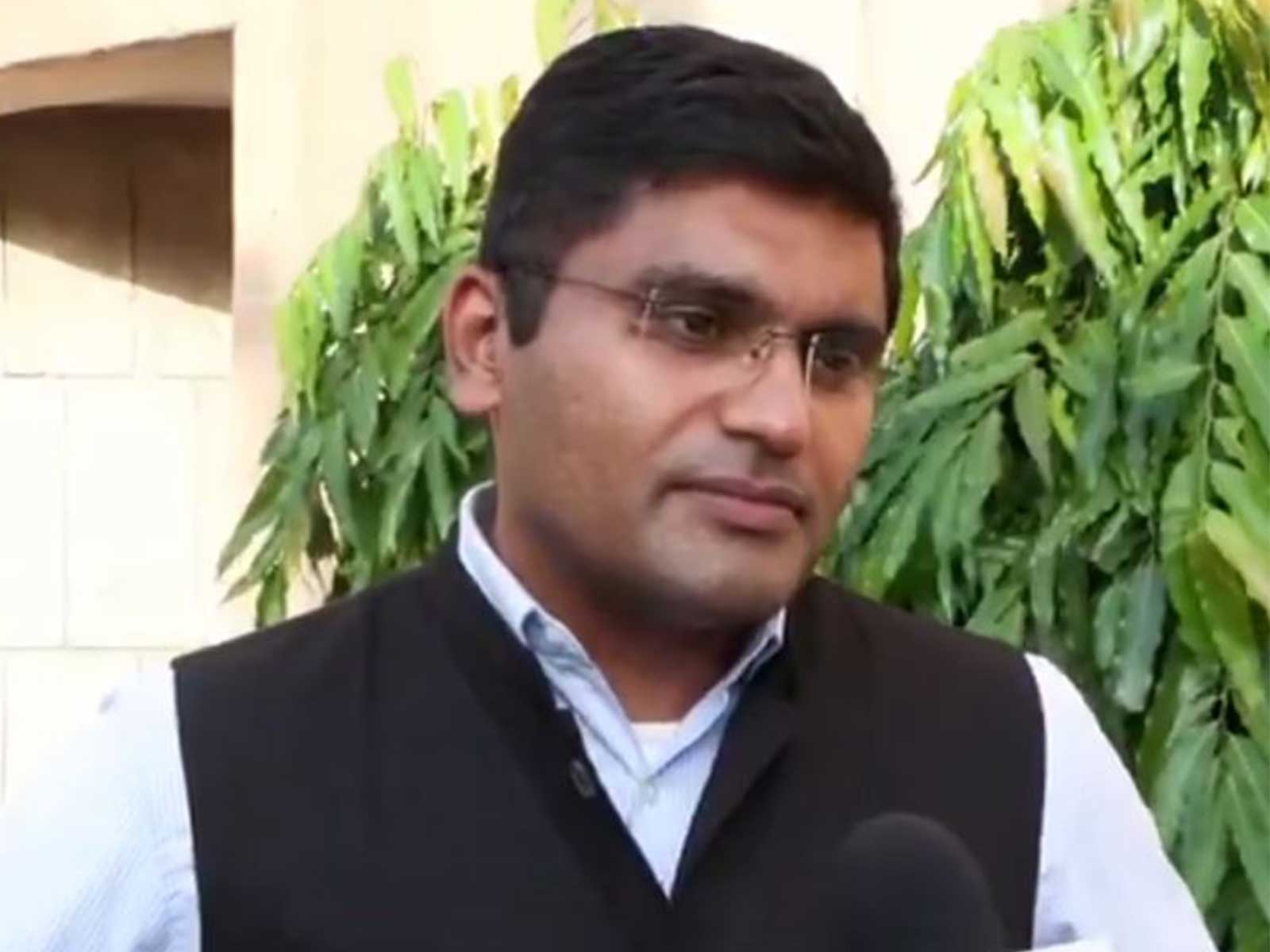
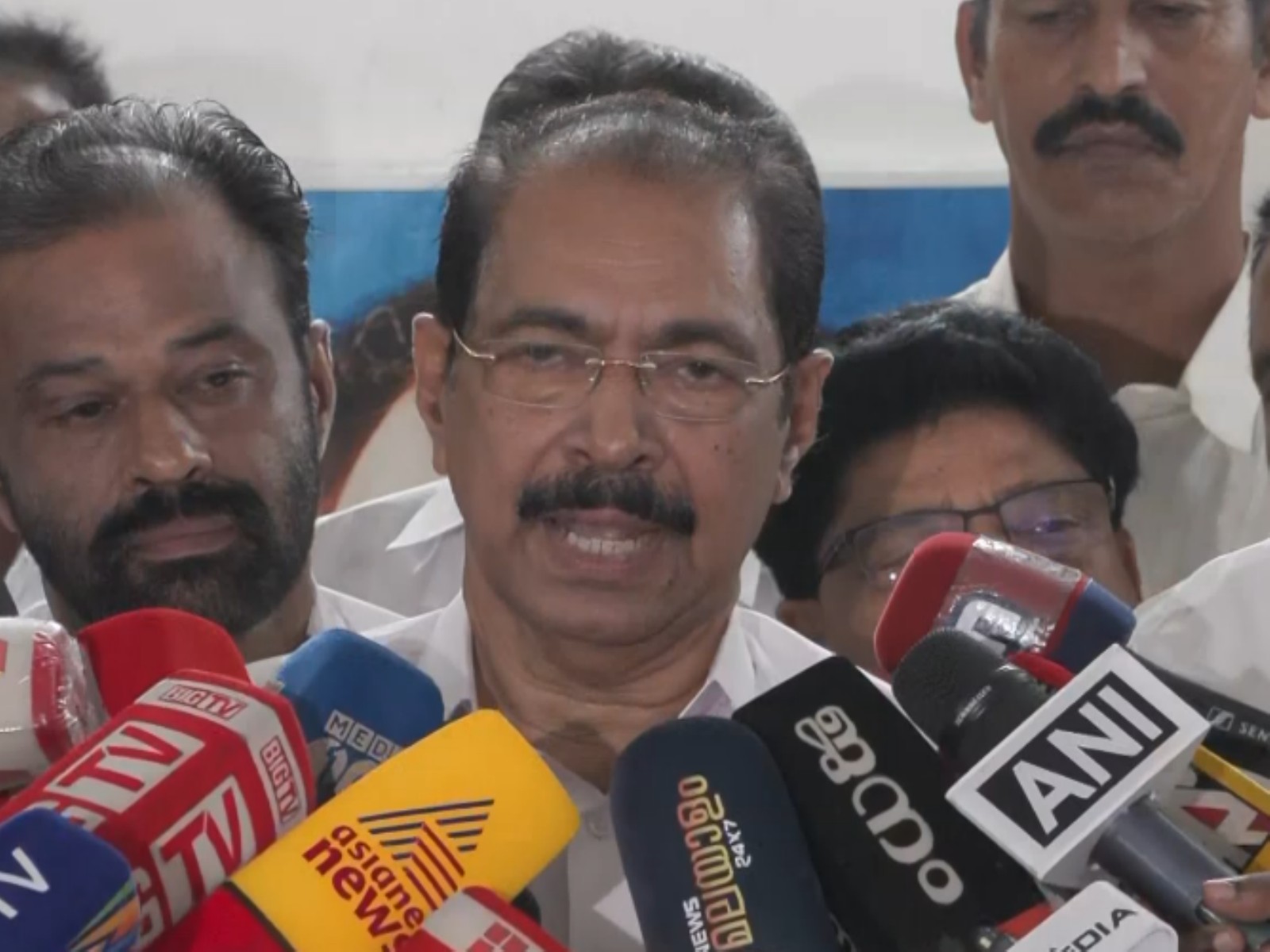
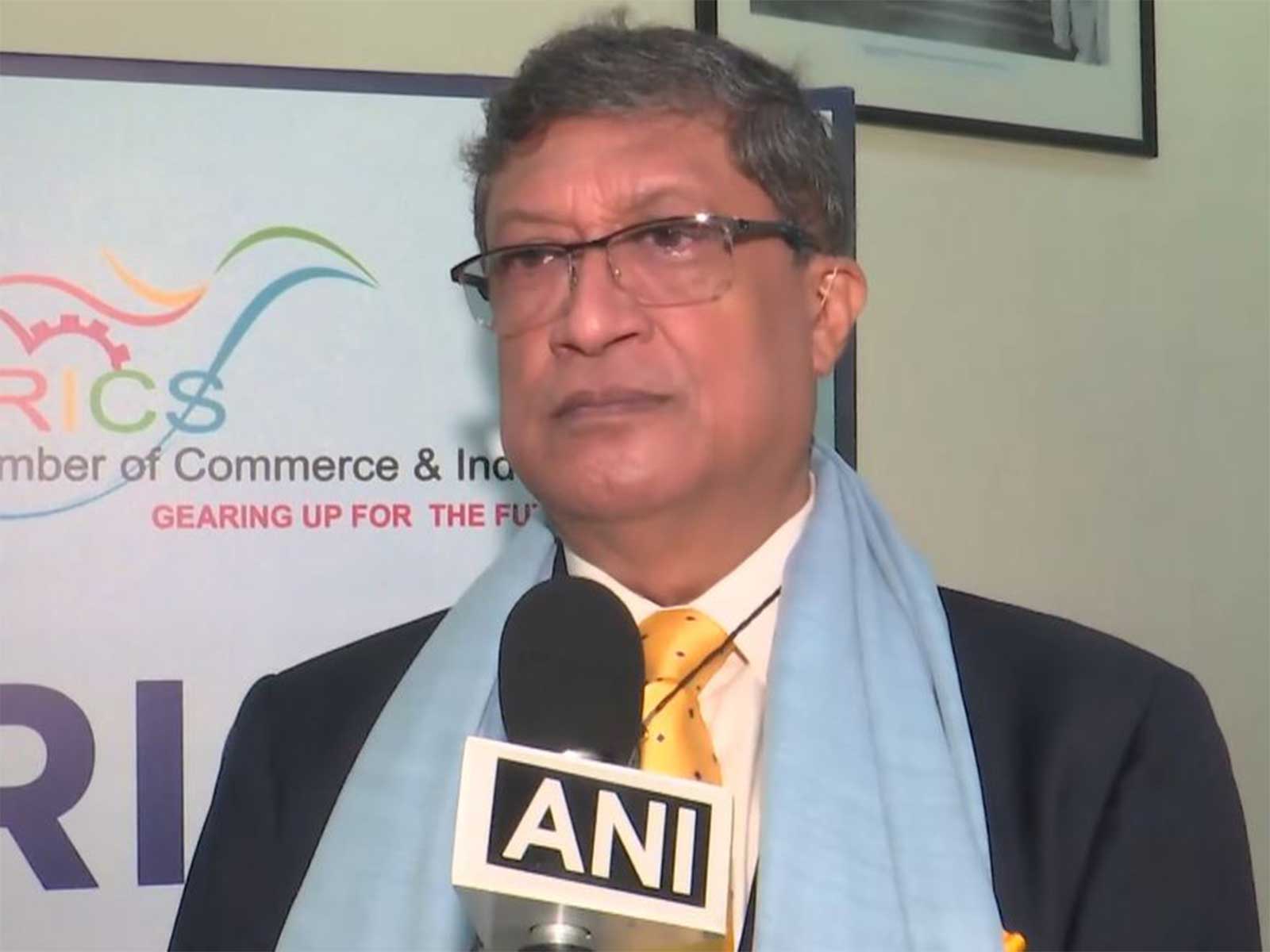
New Delhi [India], September 10 : As India prepares to host the 18th BRICS Summit in the national capital, former BRICS Sherpa and Indian diplomat Sanjay Bhattacharyya has described the grouping as a "stabilising force" at a time of geopolitical churn, saying India's leadership could provide an inspirational push to the bloc as it marks 20 years of its existence.
Speaking to ANI ahead of the September 12 and September 13 summit, Bhattacharyya said India's chairship comes at a "very crucial juncture" and praised New Delhi's agenda focused on resilience, innovation, cooperation and sustainability.
"The world is going through a difficult time, but BRICS is a stabilising force, and within that stabilising force there could be no greater inspirational force than India. I'm very happy that at this very crucial juncture of geopolitical churn and a very momentous moment for BRICS, because we are celebrating 20 years of its existence, India is in the chair. India has set the agenda very carefully when it talks about building for resilience, innovation, cooperation and sustainability. It puts a very contemporary framework on what BRICS has been trying to do. It has also put focus on something that India has always cherished, which is humanity first and people-centric," Bhattacharyya said.
"The importance for BRICS to have pragmatic, outcome-oriented actions is also something that has been emphasised. I know these are difficult times. There is a war going on; there is a lot of conflict around. But I do believe that the BRICS community, which is one of friends, will come together, and India's experience of summit diplomacy will bind them into a closer bond," he added.
The remarks come ahead of the two-day summit, which will mark the culmination of India's BRICS presidency and bring together leaders of the expanded grouping in the national capital.
Under India's chairship, the summit's agenda is centred on strengthening international cooperation across trade, digital technology, finance, energy security and global governance reform. Discussions are expected to focus on resilient global supply chains, cross-border payment integration, greater use of national currencies, MSME development, digital trade and artificial intelligence.
Energy security, climate resilience, development finance, expansion of the New Development Bank and reforms of multilateral financial and political institutions are also expected to figure prominently.
Bhattacharyya also welcomed the expansion of BRICS, saying the grouping must remain focused on its original objectives of promoting economic development and creating greater space for emerging economies in global governance.
"We must look at what it is that BRICS was born for. BRICS was born to create and provide better, faster economic development and also to change the global governance institutions. And I think in that aspect, what BRICS has always done is to provide more space to emerging economies. And today I'm very happy that BRICS has expanded from four to five to now 11 members, and we have 10 partner countries, emerging economies. But I think the challenge for BRICS, and the excitement for BRICS at the same time, is to convert this from emerging economies to emerging powers that will shape global governance," he said.
The expanded 11-member BRICS grouping comprises Brazil, China, Egypt, Ethiopia, India, Indonesia, Iran, Russia, Saudi Arabia, South Africa and the United Arab Emirates. Indonesia became a full member in 2025.
The wider BRICS framework also includes 10 partner countries -- Belarus, Bolivia, Cuba, Kazakhstan, Malaysia, Nigeria, Thailand, Uganda, Uzbekistan and Vietnam -- which participate as partner countries while remaining distinct from full members.
The summit's agenda broadly spans three pillars – political and security matters, economic and financial cooperation, and cultural and people-to-people exchanges.
With the summit expected to work towards a joint Leaders Declaration, Bhattacharyya acknowledged the difficulty of achieving complete consensus among an expanded grouping but said there was significant convergence among members.
"We should never undermine the challenges of having total consensus, but I do believe that there is great convergence within the BRICS community, even on the difficult issues. So I would expect that that convergence during the process of the summit will convert into consensus. And we hope that we shall have a New Delhi declaration that will show the light and the way for the BRICS movement, not just the individual country, the BRICS movement, to move into the next decade," he said.
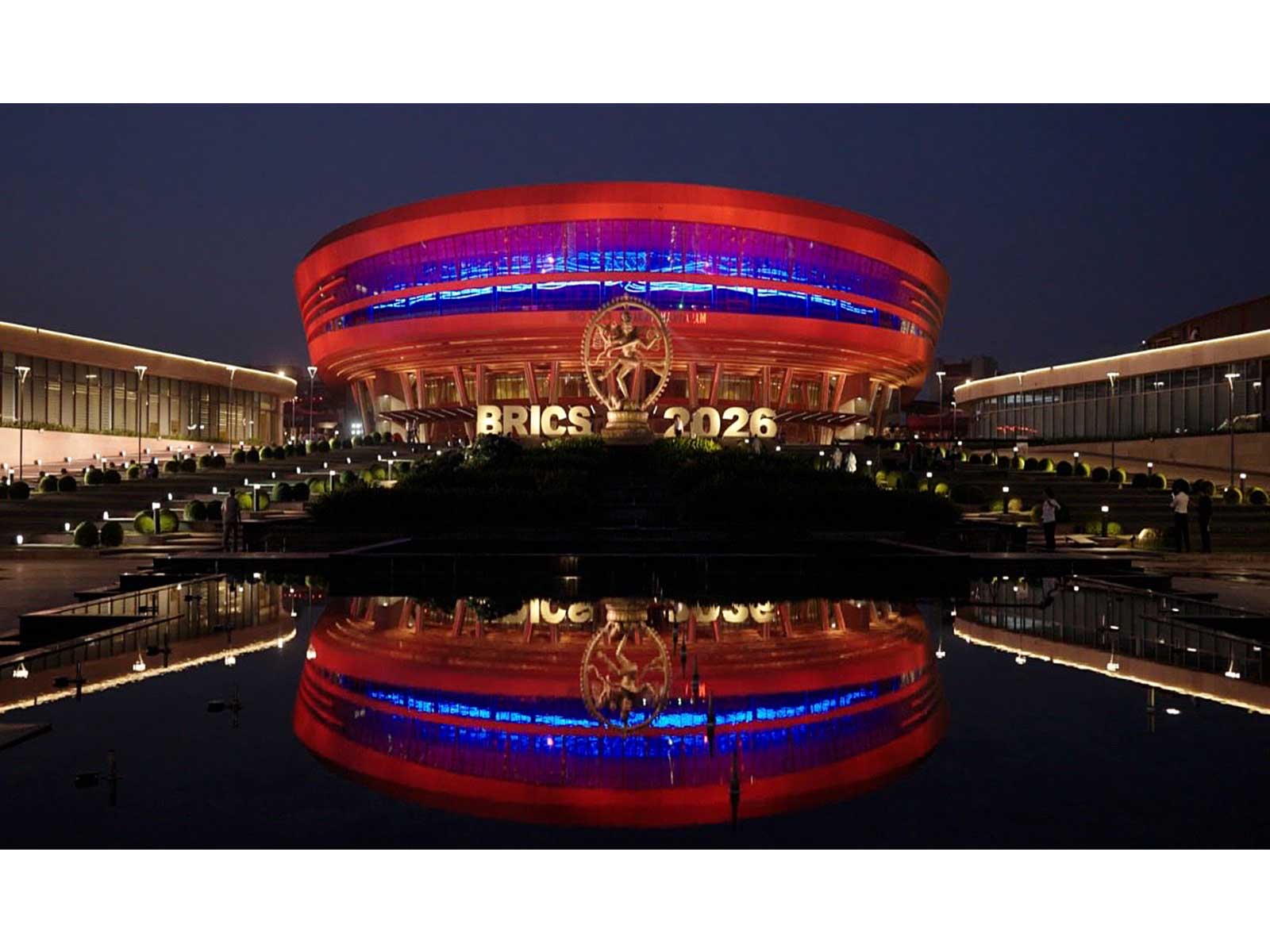
The two-day summit will be held at Bharat Mandapam in New Delhi, with leaders and senior officials from member and partner countries expected to participate.
As India hosts the bloc's leaders at a time of global conflicts and geopolitical uncertainty, the summit is expected to test the grouping's ability to translate its expanding membership and economic weight into practical cooperation and a stronger collective voice on global governance.
For Bhattacharyya, India's emphasis on people-centric development, pragmatic outcomes and summit diplomacy could help build greater cohesion within the expanded BRICS community as it enters its next decade.