From queues to campus cookout: Nepal students protest cooking gas shortage with symbolic roadside meal
Sep 10, 2026
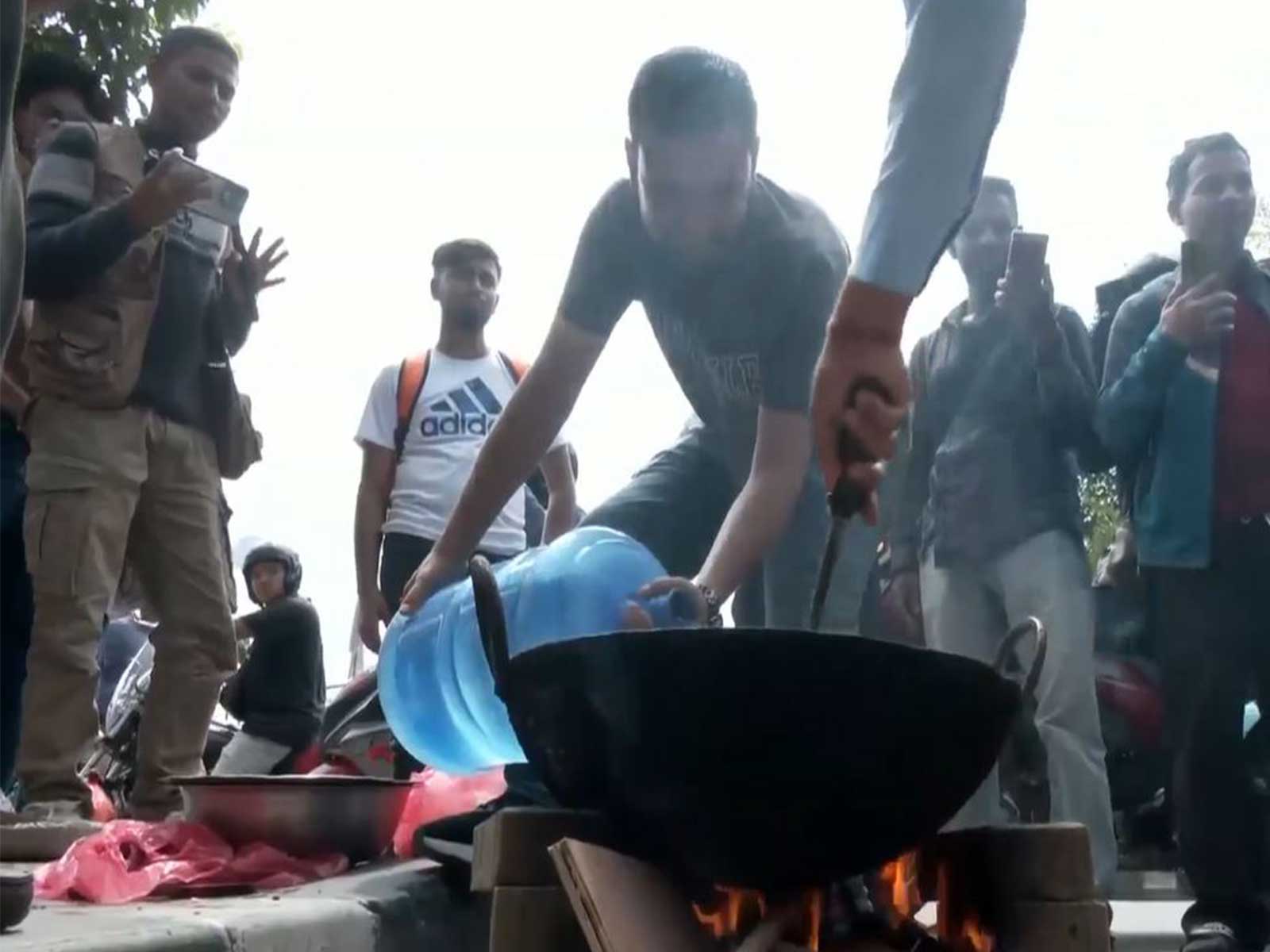
Kathmandu [Nepal], September 10 : As Nepal's cooking gas shortage continues to disrupt daily life, students in Kathmandu took their cooking pots to the streets, turning the entrance of Ratna Rajya Laxmi Campus into a makeshift kitchen to protest the crisis.
In a symbolic demonstration, students cooked rice and Gundruk-aloo (fermented leafy greens and potatoes) curry over firewood outside the campus in Kathmandu. After preparing the meal, they sat together at the gate and shared the food, drawing attention to the difficulties faced by students and the wider public amid dwindling LPG supplies.
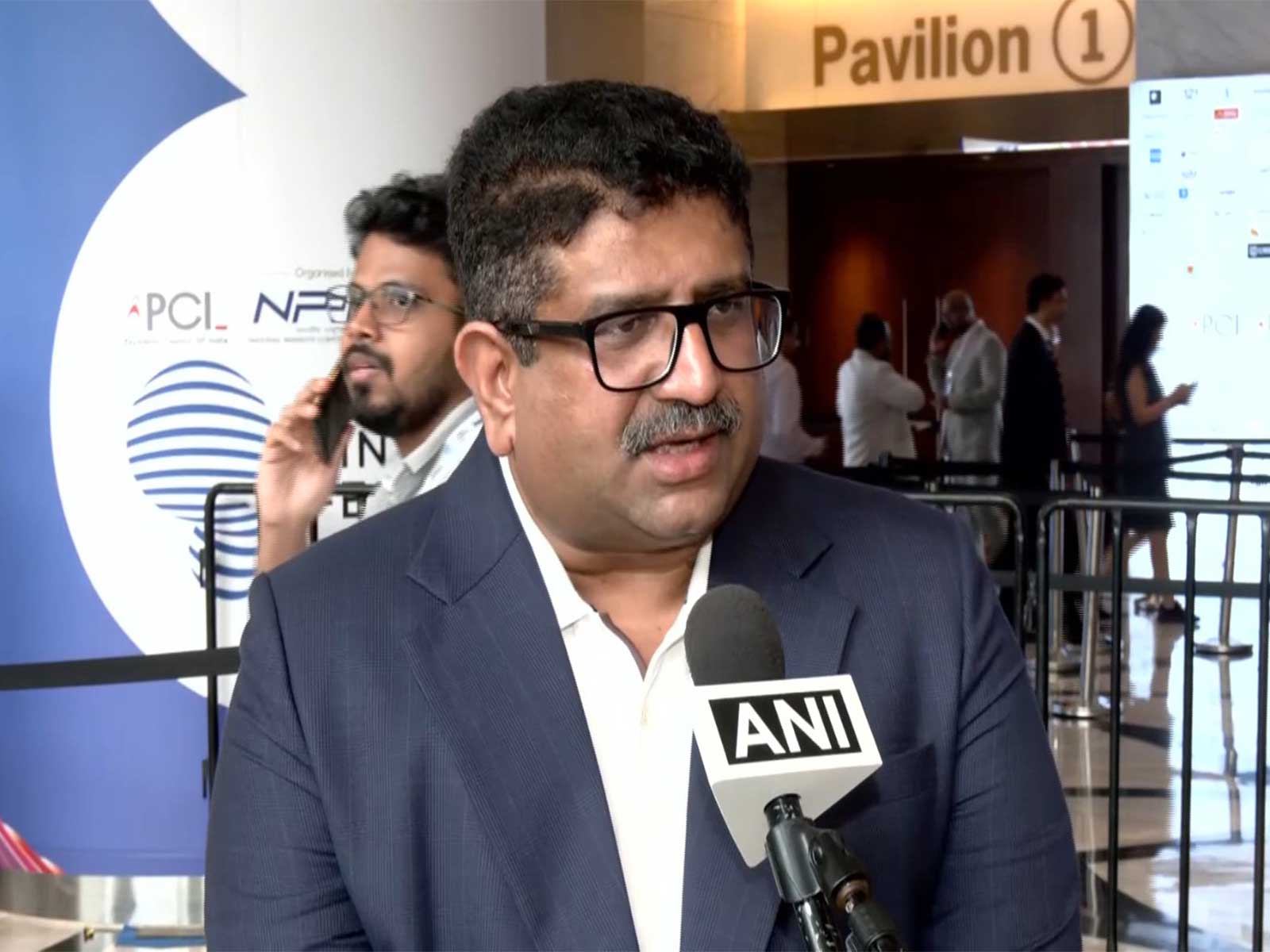
"The government is not able to make cooking gas available for the people. Prices of daily essentials are skyrocketing, and it is not able to control them. The students and the general public are reeling under these problems; as a symbolic protest, we are cooking on the roadside using the woods," Madan Dhakal, one of the protesting students, told ANI.
The protest also highlighted how the shortage has begun affecting students' routines and studies. With LPG increasingly difficult to obtain, students say they are spending hours in queues outside gas depots, while some have stopped cooking in their dormitories altogether and are instead surviving on noodles and biscuits.
"All those students and passersby are struggling to have a proper meal due to a lack of cooking gas, and we organised this protest targeting them as well to feed them a proper meal. About 40 people have eaten the meal today, which will continue throughout the day, as we are targeting those students who now are forced to eat only biscuits and noodles. For them, we have prepared the curry, ‘Gundruk and aalu’ and rice and provided them with it," Dhakal added.
The roadside meal came against the backdrop of a gas shortage that has persisted despite government efforts to improve supplies.
Nepal began rationing LPG in March amid tensions in East Asia. Around two months later, the state-owned Nepal Oil Corporation (NOC) directed companies to send full cylinders into the market. However, consumers have continued to report long queues outside gas depots as supplies remain insufficient.
The situation has been further aggravated by disruptions along the Prithvi Highway. A section of the highway has remained closed since Sunday following floods in the Trishuli basin, disrupting the movement of essential supplies into the Kathmandu Valley and contributing to higher prices as the gap between demand and supply widens.
Private gas companies have said LPG bottling plants in the Kathmandu Valley are unable to supply enough cylinders. According to them, the current supply is only around five per cent of the valley's daily requirement of 35,000 to 40,000 cylinders.
The Nepal Oil Corporation said in a statement on Sunday that until the Prithvi Highway is reopened, LPG cylinders would be refilled at plants in the Tarai districts and transported to Kathmandu through alternative routes.
The corporation said 24,494 LPG cylinders of different brands reached the Kathmandu Valley through alternative routes last Thursday after being refilled at plants in various Tarai districts. The number rose to 34,134 cylinders on Friday before standing at 29,249 on Saturday.
Despite these alternative arrangements, consumers and businesses have maintained that the supplies remain inadequate to meet normal demand in the capital.
The shortage has also raised questions over LPG import volumes. Data shows that after rationing was introduced, the NOC reduced the volume of cooking gas imports. In April, imports fell below 35,000 metric tonnes, although volumes have increased since last month. No reason has been provided for the fluctuations in LPG imports from India.
Nepal's LPG demand currently stands at around 45,000-46,000 tonnes per month, while the NOC says a similar quantity has been arriving in the country.
The shortage is particularly significant in Kathmandu and surrounding areas, where dependence on LPG is considerably higher than in other parts of the country.
According to census data, Nepal has around 6.66 million households, of which 51 per cent use firewood and 44.3 per cent rely on LPG for cooking. Bagmati Province, which includes Kathmandu Valley and has around 1.56 million households, has the country's highest LPG dependence, with 69.8 per cent of families using it for cooking.
Against this backdrop, the students' decision to cook with firewood outside their campus served as both a protest and a reminder of the everyday consequences of the shortage. Their shared meal, prepared on the roadside, sought to underline how a basic household necessity has increasingly become a source of hardship for students, commuters and families across the capital.