"You don’t want it too hot...too good": Jaishankar calls for a "Goldilocks scenario" to navigate US-China rivalry
Oct 04, 2026
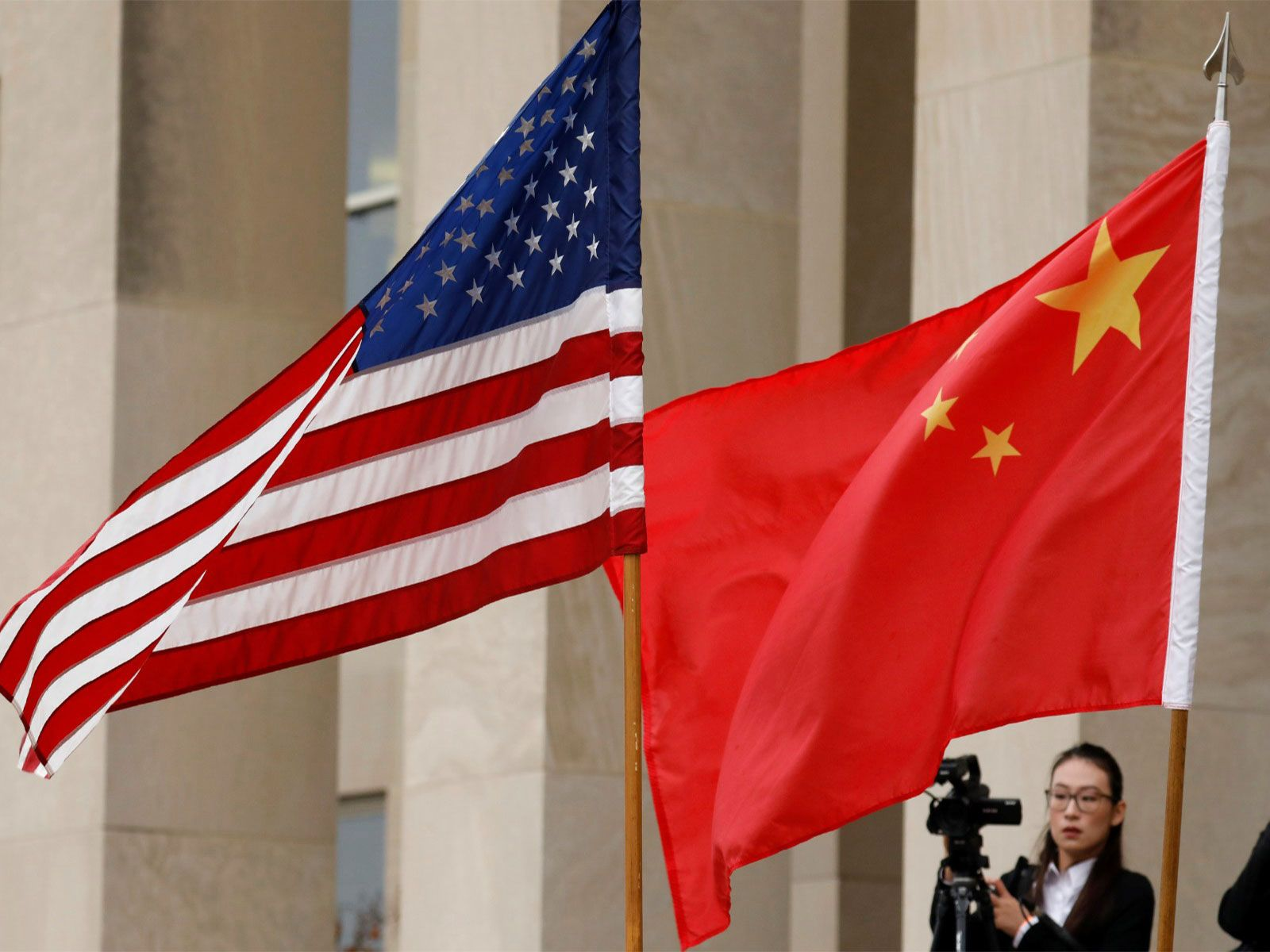
New Delhi [India], October 4 : Against the backdrop of sharpening geopolitical competition between the United States and China, External Affairs Minister S Jaishankar has advocated for a "Goldilocks scenario" in global power dynamics.
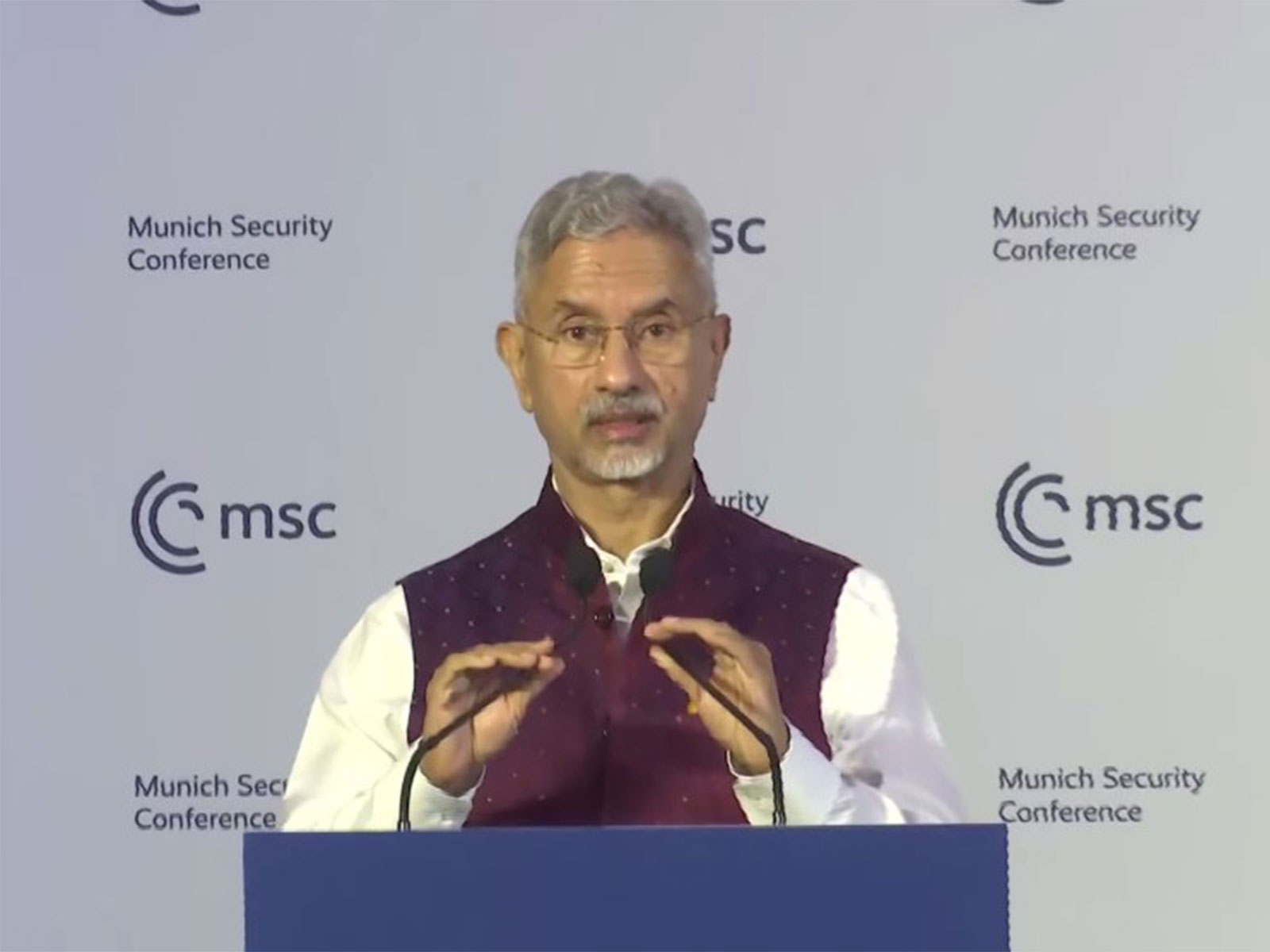
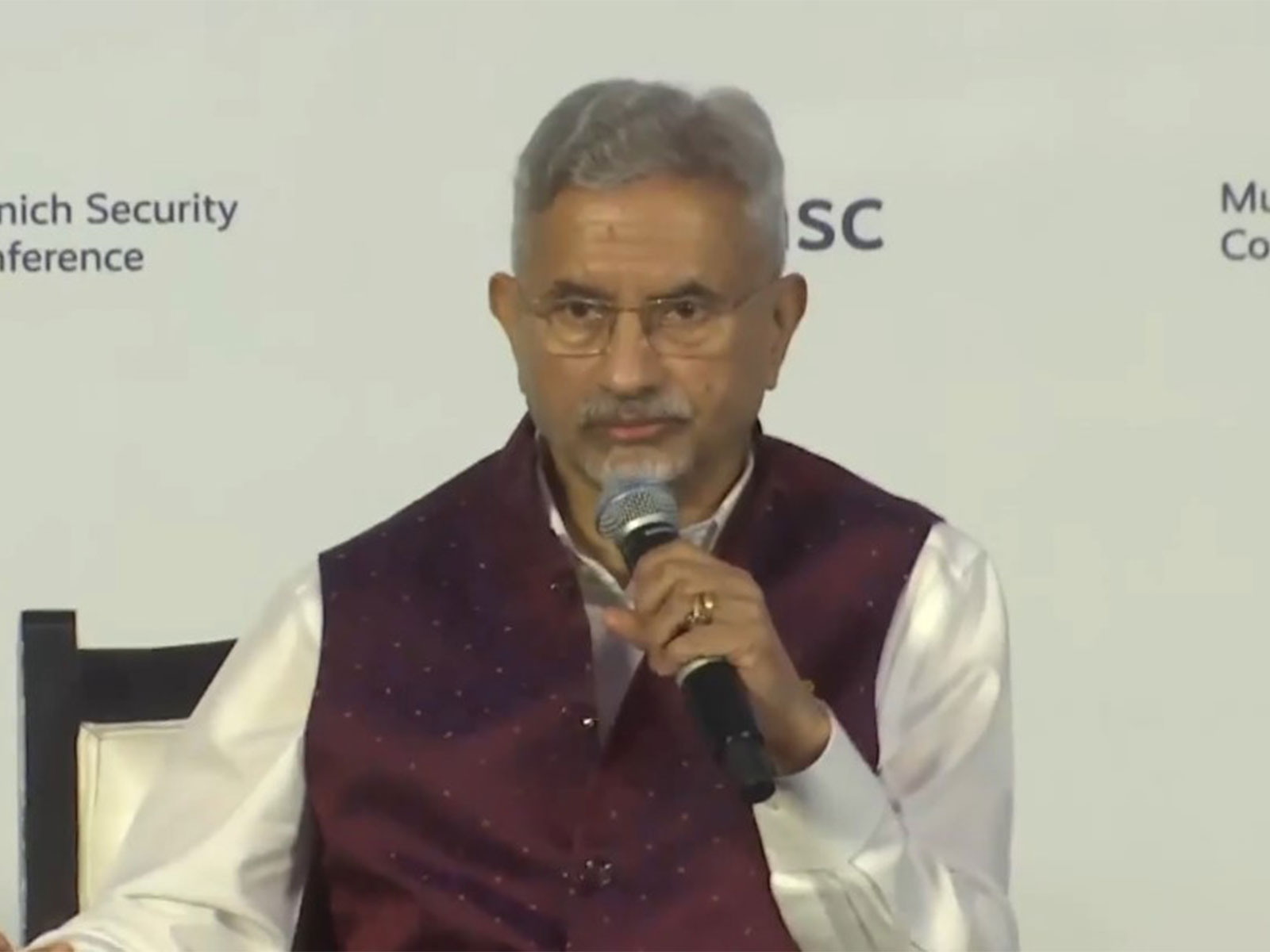
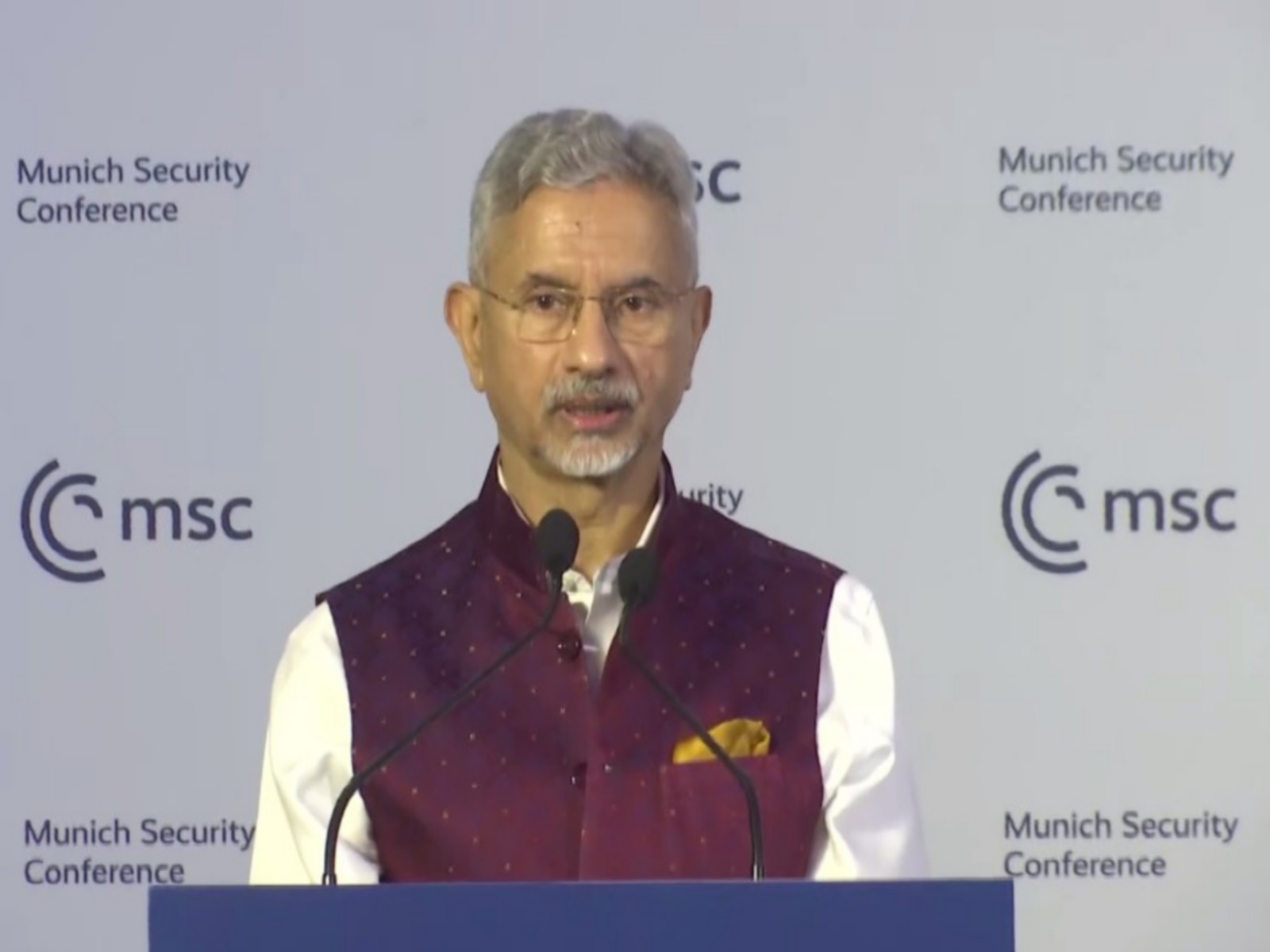
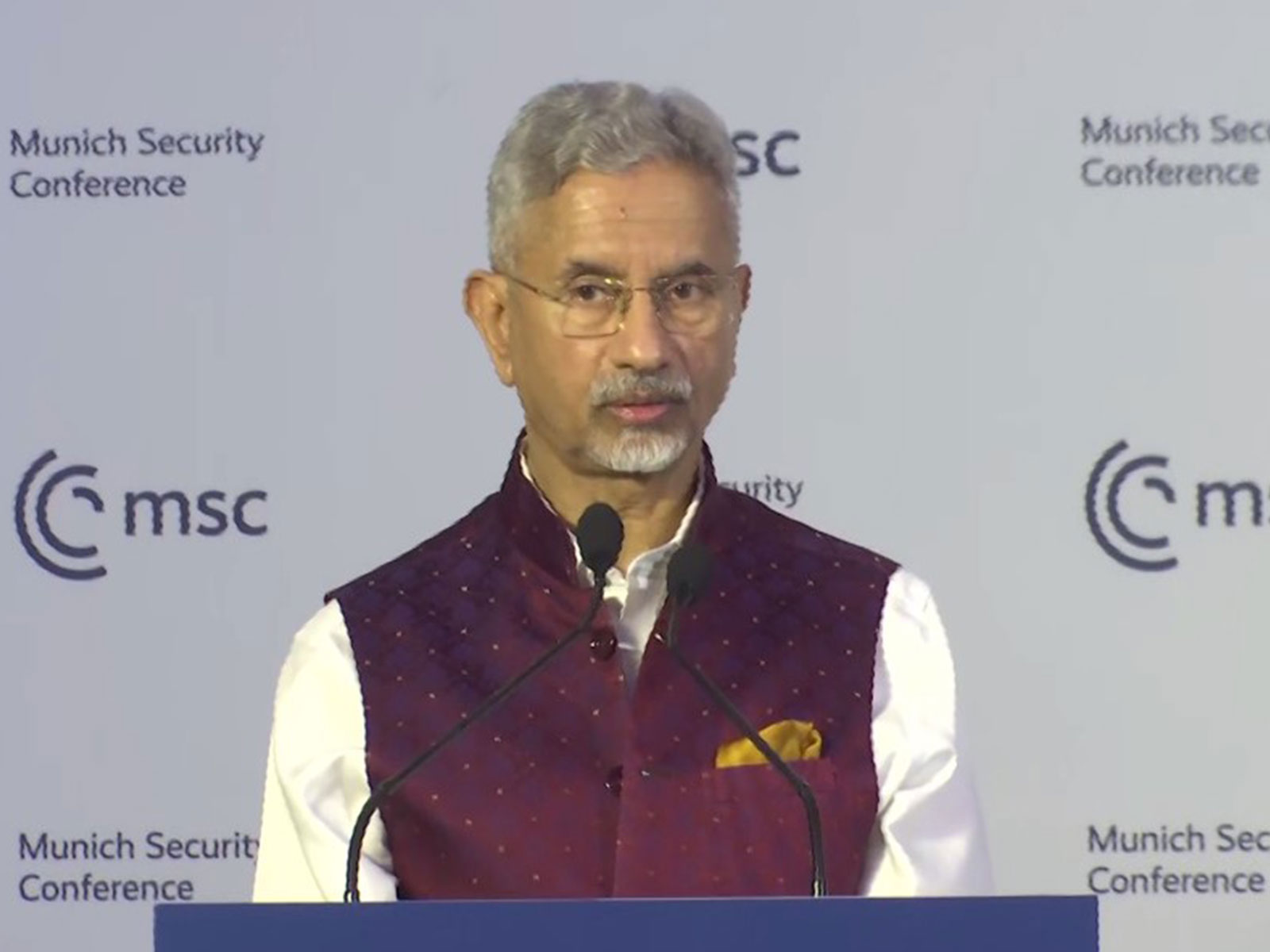
Speaking at the Munich Leaders Meeting, Jaishankar highlighted how emerging and middle powers must navigate an increasingly fractured global order through self-reliance, strategic hedging, and pragmatic partnerships rather than rigid alliances.
Setting the context for the current international landscape, Jaishankar pointed to a fundamental realignment driven by two primary forces: a shifting posture by Washington and the rapid expansion of Chinese influence.
"The landscape today is primarily marked by a radical repositioning of the United States... a posture of choice [where] it has deliberately become a lonelier power," Jaishankar observed. "The second feature of the landscape is, of course, the rise of China... And we are looking at very sharp competition."
This intense rivalry has transformed the global economy, leading to what Jaishankar described as the "weaponisation of leverage." In an interconnected world where supply chains, purchasing power, and production dominate strategic interests, he argued that the nation with the greatest command over multiple factors holds the upper hand.
"The question in an interdependent world is: who leverages what? In any transaction, does the supplier have leverage? Does the consumer have leverage? Do you get leverage by dominating production? Do you get leverage by having a great market share or having purchasing power?" Jaishankar remarked.
To prevent the international system from destabilising under this dual-power friction, Jaishankar proposed a middle-path approach.
"The answer is the player with greater command over various factors; one with greater commitment and determination is the player who is able to leverage better. Where the world is concerned, particularly in the context of US-China rivalry, I think we are looking at what is often called the Goldilocks scenario. You don't want it to be too hot; you don't want it to be too good; you want it somewhere in between at the right temperature," he remarked.
To maintain balance, Jaishankar emphasised that emerging and middle powers across both the Global South and Global North are reassessing their roles. Rather than seeking strict alignment or waiting for full ideological consensus, these nations are driven by a growing self-awareness and a push toward self-reliance, a concept central to India's own Atmanirbhar vision.
"What unites the emerging and middle powers, differentiated as they may be, is a growing self-awareness of their interest. All of them, in a way, are becoming more self-reliant," he noted. "It's a term, 'Atmanirbhar', very much in vogue in India as well. Many of them today are driven by this calculation: what is it that they bring to the table when they participate in any discussion or negotiation."
Through flexible groupings like BRICS and agenda-specific coalitions, Jaishankar noted that a new architecture is gradually taking shape—one where middle powers collectively leverage their voices to stabilise a volatile multipolar world.
"What do we mean by emerging powers, and what are they emerging from? And the answer is not that simple because there are countries that are emerging from colonisation whose economies are growing. India is a good example of that. But there are also countries which are emerging from what has been the comfort of an alliance structure till now. So one category of emerging countries you can say are from the Global South, and one category is from the Global North. Both are emerging in different ways, and what is common between them is the desire to be more relevant, to make a greater impact, and that really is a point of convergence," he stated.
Jaishankar emphasised that middle powers are increasingly focusing on strategic hedging and pragmatic partnerships rather than seeking strict alignment or identical worldviews.
"Today, most of them (emerging and middle powers) are focused on diversifying and de-risking in every sense of the term, not just their economy or their security, but also building more resilient supply chains," he explained.
"In many ways, they are working out new arrangements. They are developing agenda-based cooperation. The operating principle for emerging and middle powers should be, and perhaps is already, a reasonable degree of convergence. The days when you have to have an identity of views or a very strong congruence of interest, I think that's too high a bar today. If you have enough touch points, that is good enough for countries to work together. In this process of de-risking, diversifying, and hedging, slowly a new architecture is coming into place," he added.
Earlier, Jaishankar referred to “radical repositioning of the United States” due to which it has in a way “deliberately become a lonelier power” and said the sharp competition in the global landscape is not limited to the US and China has led to " weaponisation of any leverage that any country has”.
"No one in the room would disagree with the fact that the landscape today is primarily marked by a radical repositioning of the United States. A repositioning which is a posture of choice and, in a way, it has deliberately become a lonelier power. The second feature of the landscape is, of course, the rise of China. China, which sees itself as a unique country, is, in a way, both its self-perception and, in many ways, also the reality. And we are looking at very sharp competition,” he said.