Zelenskyy claims preliminary data indicates Russia used North Korean ballistic missile to strike Ukraine
Jul 31, 2026
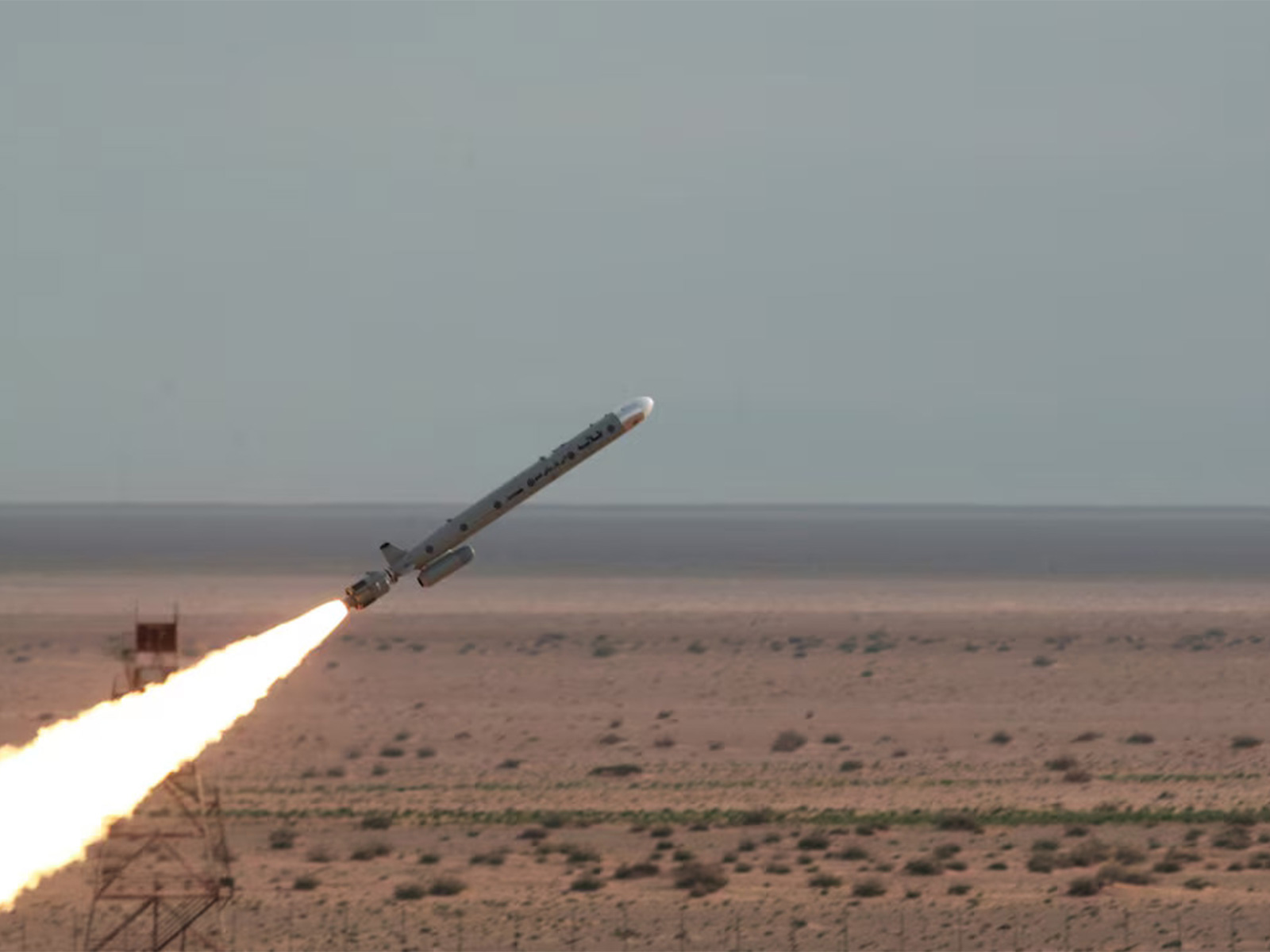
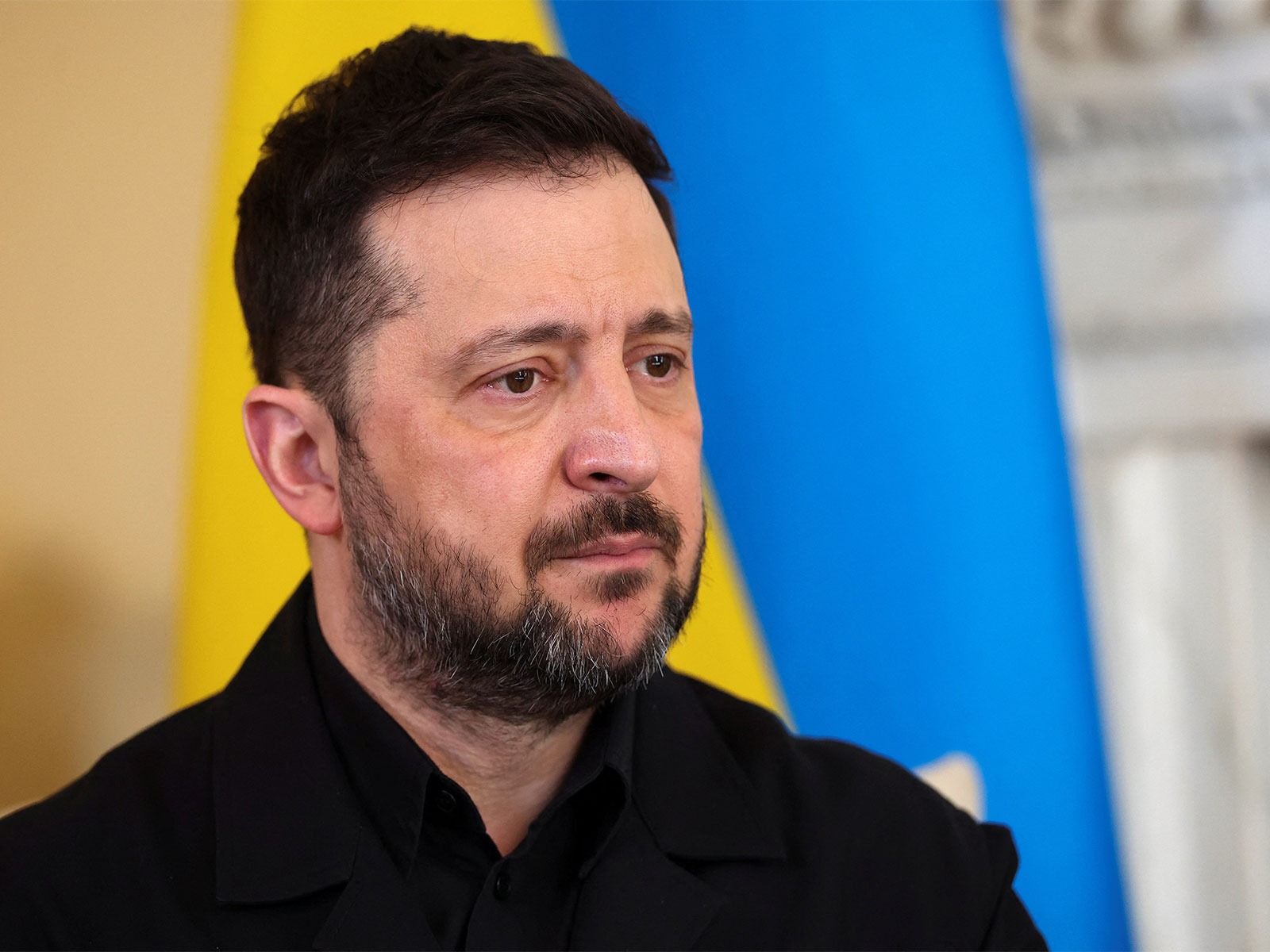
Kyiv [Ukraine], July 31 : Ukrainian President Volodymyr Zelenskyy on Thursday claimed that preliminary findings suggest Russia deployed a North Korean-manufactured ballistic missile during its latest military strike on Ukrainian territory.
Publishing a statement on Telegram, Zelenskyy stated that technical experts are currently examining the remnants of the missile utilised in the strike on the village of Radushne, adding that early indicators point towards Pyongyang's involvement.
"Our preliminary data indicate that this was a North Korean ballistic missile. There will, of course, be further examinations, and everything will be verified," he said.
The Ukrainian President asserted that the deployment of the weapon highlights the expanding military collaboration between Moscow and Pyongyang. He further accused North Korea of directly providing the Russian military with ballistic missiles, as well as personnel.
Emphasising his government's defence priorities, Zelenskyy stated that Kyiv's immediate focus remains on acquiring additional air defence capabilities, particularly interceptor missiles for Patriot systems and ammunition for other air defence platforms supplied by Western partners.
"The most important thing is not just sympathy and not just condemnation, but missiles for air defence," Zelenskyy said.
These allegations come against the backdrop of a massive wave of Russian aerial bombardments across Ukraine that claimed at least eight lives, unfolding just a day after President Zelenskyy cautioned that a "massive" assault was imminent.
The strikes reached deep into western Ukraine, extending to Lviv and prompting neighbouring Poland to scramble combat aircraft to safeguard its sovereign airspace, according to an armed forces statement on X.
Local media reported multiple detonations reverberating across the Ukrainian capital shortly after 1:00 am local time on Thursday (22:00 GMT Wednesday), with Zelenskyy later confirming the eight fatalities across several regions.
Emergency services reported that one person was killed and two suffered injuries in Kyiv. Furthermore, Al Jazeera reported that at least six people lost their lives in Dnipropetrovsk, with another casualty recorded in Poltava.
In Kryvyi Rih, Zelenskyy's hometown, located within Dnipropetrovsk, two young girls aged five and 12 were among six people killed and eight injured when a Russian Iskander-M ballistic missile landed directly on a building, stated Oleksandr Vilkul, head of the city's defence council.
"A dark night," Vilkul posted on Telegram, detailing that the missile was launched from Russia's Voronezh region and struck the residence of a large family.
Meanwhile, in Lviv, near the Polish border, emergency personnel worked frantically to clear debris and rescue individuals trapped underneath after Russian strikes wounded 26 people and damaged two residential complexes, according to Al Jazeera.
Addressing the target selection, Russia's Ministry of Defence stated that its military forces targeted "military facilities" spanning multiple regions from Kyiv to Lviv and Dnipropetrovsk, adding that three cargo vessels anchored in the Black Sea port city of Odesa were struck for purportedly carrying weapons and military equipment.
Reacting to the escalation, Zelenskyy posted on X on Thursday, "This Russian terror once again proves that protection against the Russian missile threat is the most important task when it comes to saving the lives of our people," emphasising that the endeavour cannot be "left to Ukraine alone or to any one country alone."
The aerial assault took on a wider international dimension after Ukrainian Foreign Minister Andrii Sybiha noted that a Russian projectile entered Polish airspace, coinciding with discoveries by eastern Polish authorities of a crater and scattered fragments in a field following explosion reports.
Polish Prime Minister Donald Tusk observed that the object appeared to be a "Russian Kh-101 ballistic missile" and confirmed that official investigations remain active. He noted that "there was no direct threat" because the missile "landed in an uninhabited area", adding that "we were ready to shoot it down had it continued its flight".
Following the airspace breach, NATO's Supreme Allied Commander, General Alexus Grynkewich, held direct discussions with Poland's Chief of Defence, General Wieslaw Kukula.
Condemning the strikes and highlighting the airspace infringement in eastern Poland, French President Emmanuel Macron posted on X, "France condemns in the strongest possible terms the Russian strikes that killed civilians in Ukraine, as well as the violation of Polish airspace."