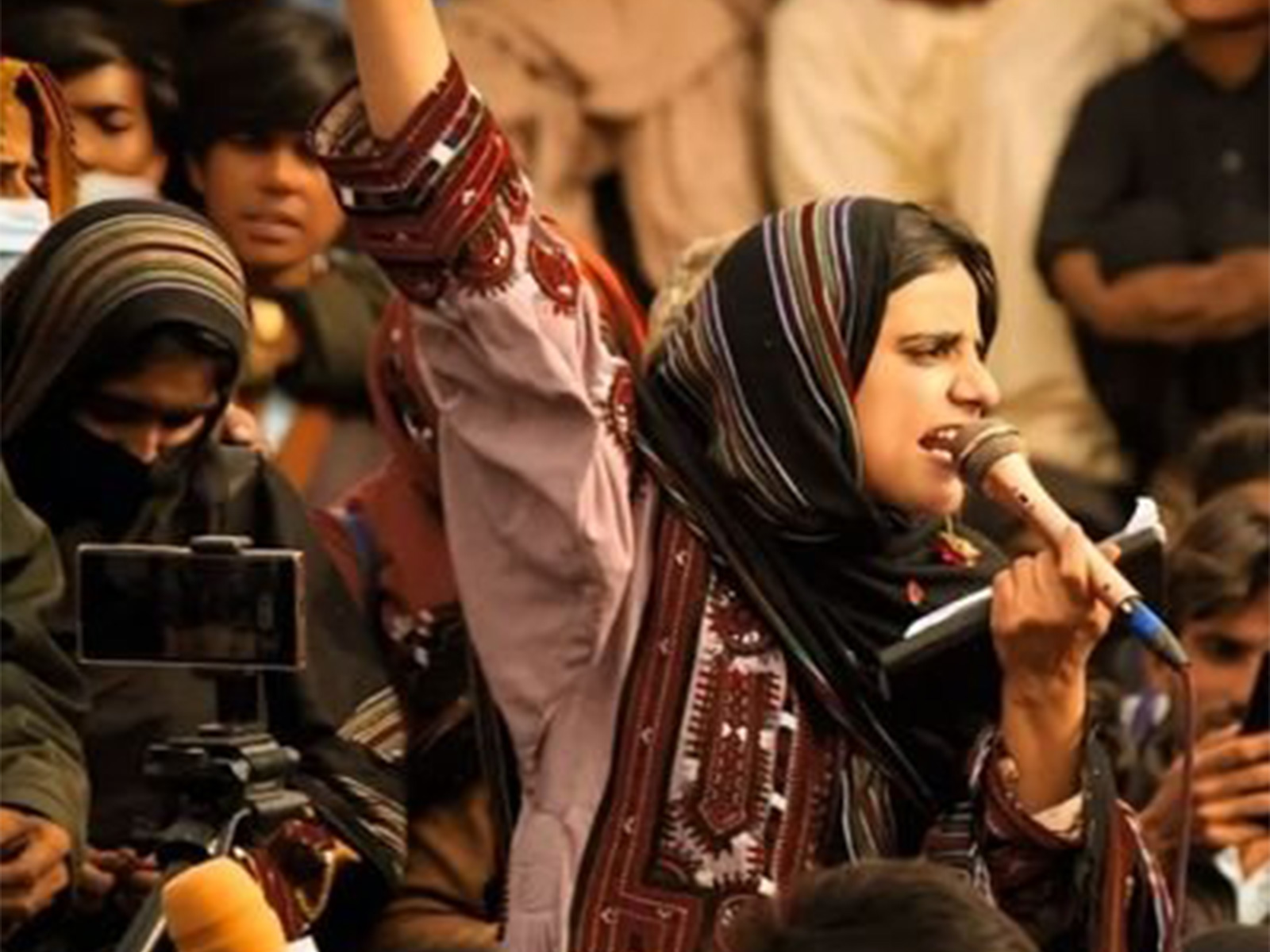
Balochistan authorities criticised as jailed BYC leaders continue protest inside prison
Jun 20, 2026
Balochistan [Pakistan] June 20 : Detained leaders of the Baloch Yakjehti Committee (BYC) have continued their sit-in protest inside Huda Jail in Quetta for the sixth consecutive day, challenging what they describe as an opaque and unjust judicial process.
The protest opposes the authorities' decision to conduct court proceedings via a "faceless trial" system rather than in an open court, as reported by The Balochistan Post.
According to The Balochistan Post, among those participating in the prison protest are BYC chief organiser Mahrang Baloch, Beebow Baloch, Gulzadi and several others, all of whom have remained in custody since March 2025. The detainees rejected the new trial format, arguing that public hearings are a fundamental constitutional and legal right guaranteed to every accused person.
In a video statement, Mahrang Baloch's sister alleged that the Prosecutor General of Balochistan intervened during a court hearing and pressured the presiding judge, claiming to represent the provincial Home Department. She stated that shortly afterwards, the court shifted the proceedings to a faceless format with daily hearings.
The new arrangement places judges, prosecutors, witnesses, defence lawyers and accused individuals in separate locations connected only through video links. Family members and legal representatives have expressed concern that they are unable to verify the identity or location of witnesses, while legal applications are reportedly not being processed through normal channels.
The families of the detained leaders have also complained about restrictions on meetings with prisoners. Mahrang's sister stated that relatives and supporters may stage public demonstrations if access to the detainees is continued to be denied, as highlighted by The Balochistan Post.
Meanwhile, the prison sit-in was accompanied by a three-day online awareness campaign involving political activists, students, lawyers, human rights advocates and members of civil society. The campaign highlighted concerns over the absence of open-court proceedings, limited legal access and restrictions on family visits, as reported by The Balochistan Post.