BJP MP Bansuri Swaraj slams opposition over "selective outrage", cites past "paper leaks" under UPA
Jul 28, 2026
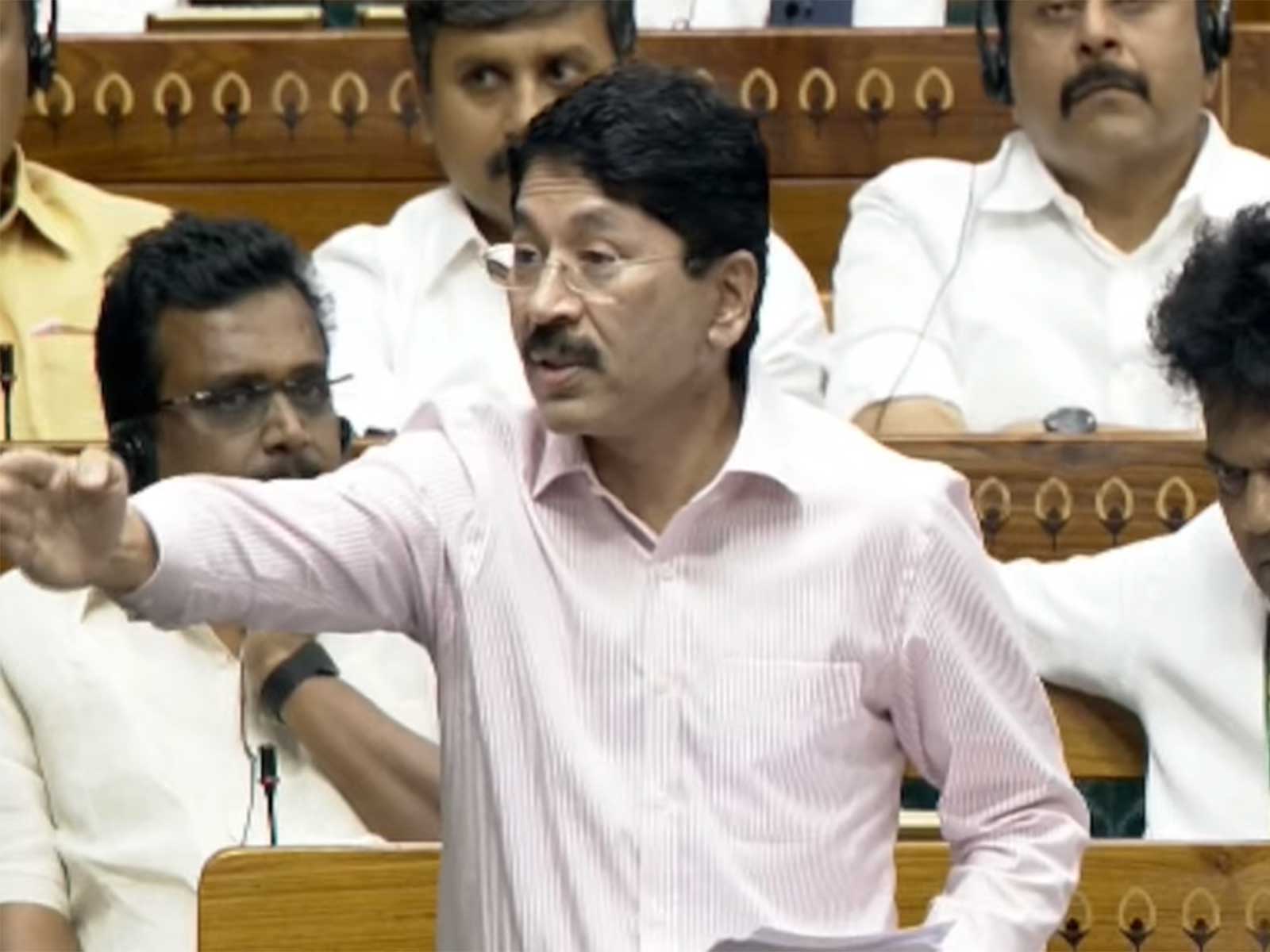
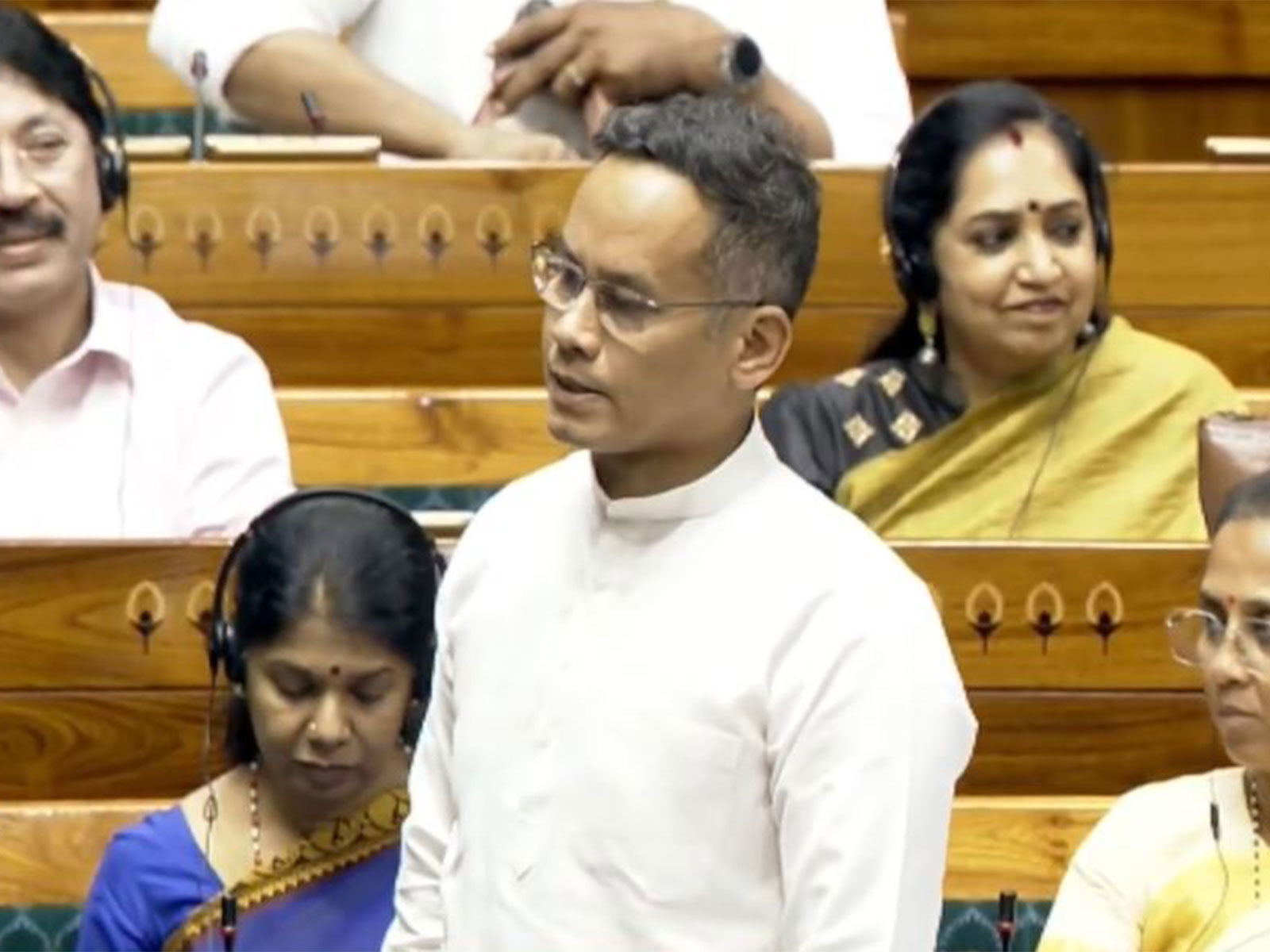
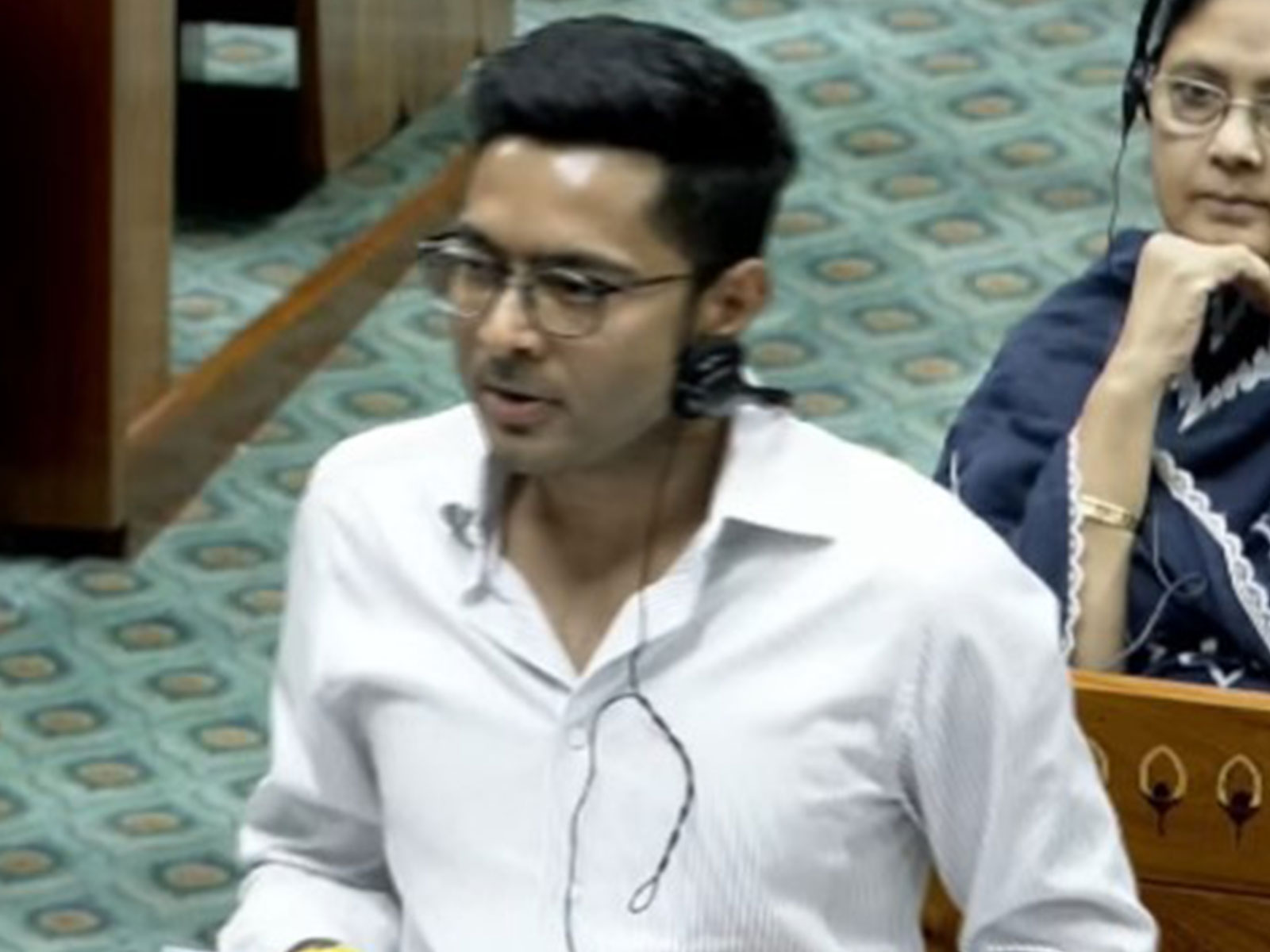
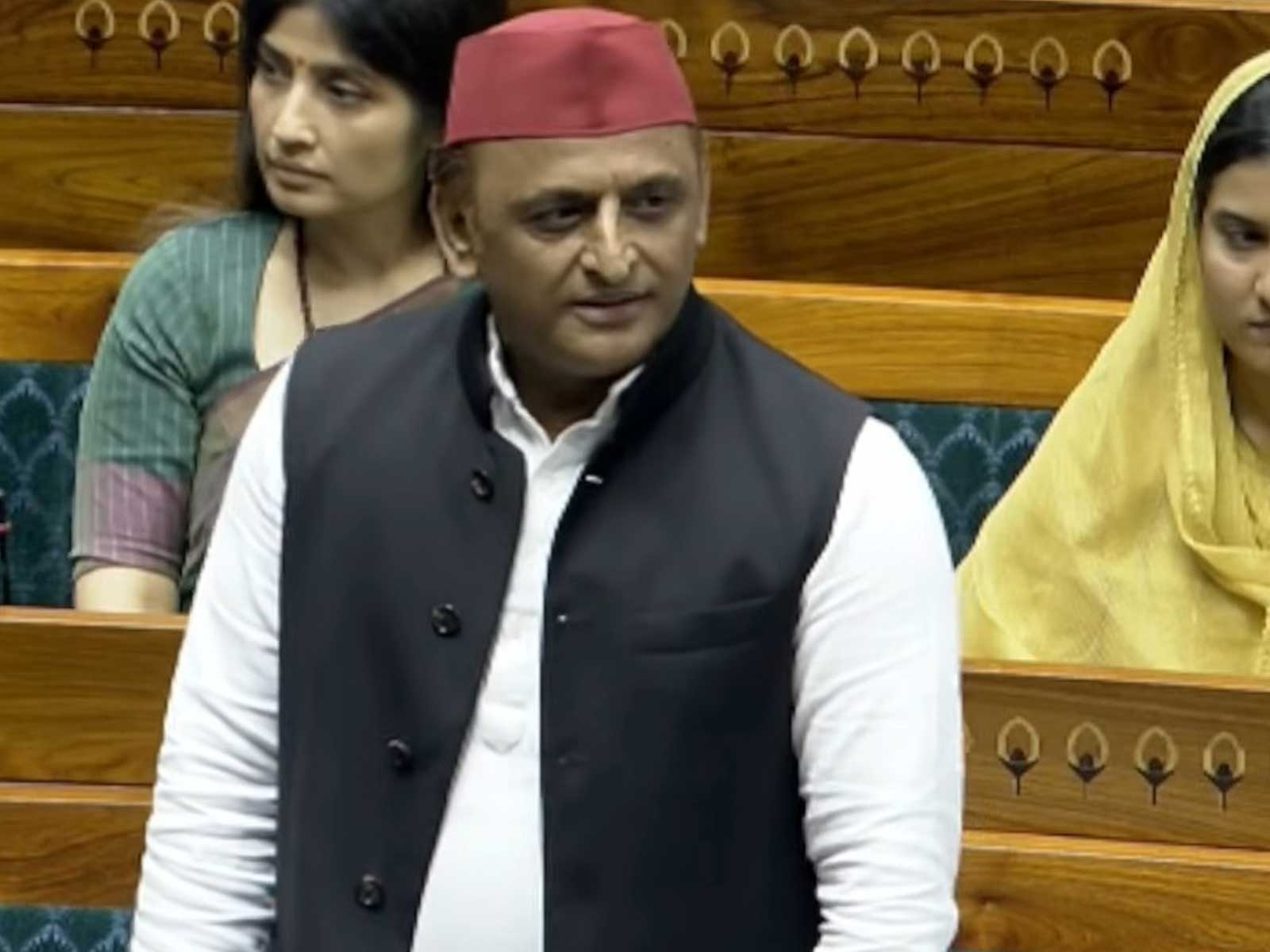
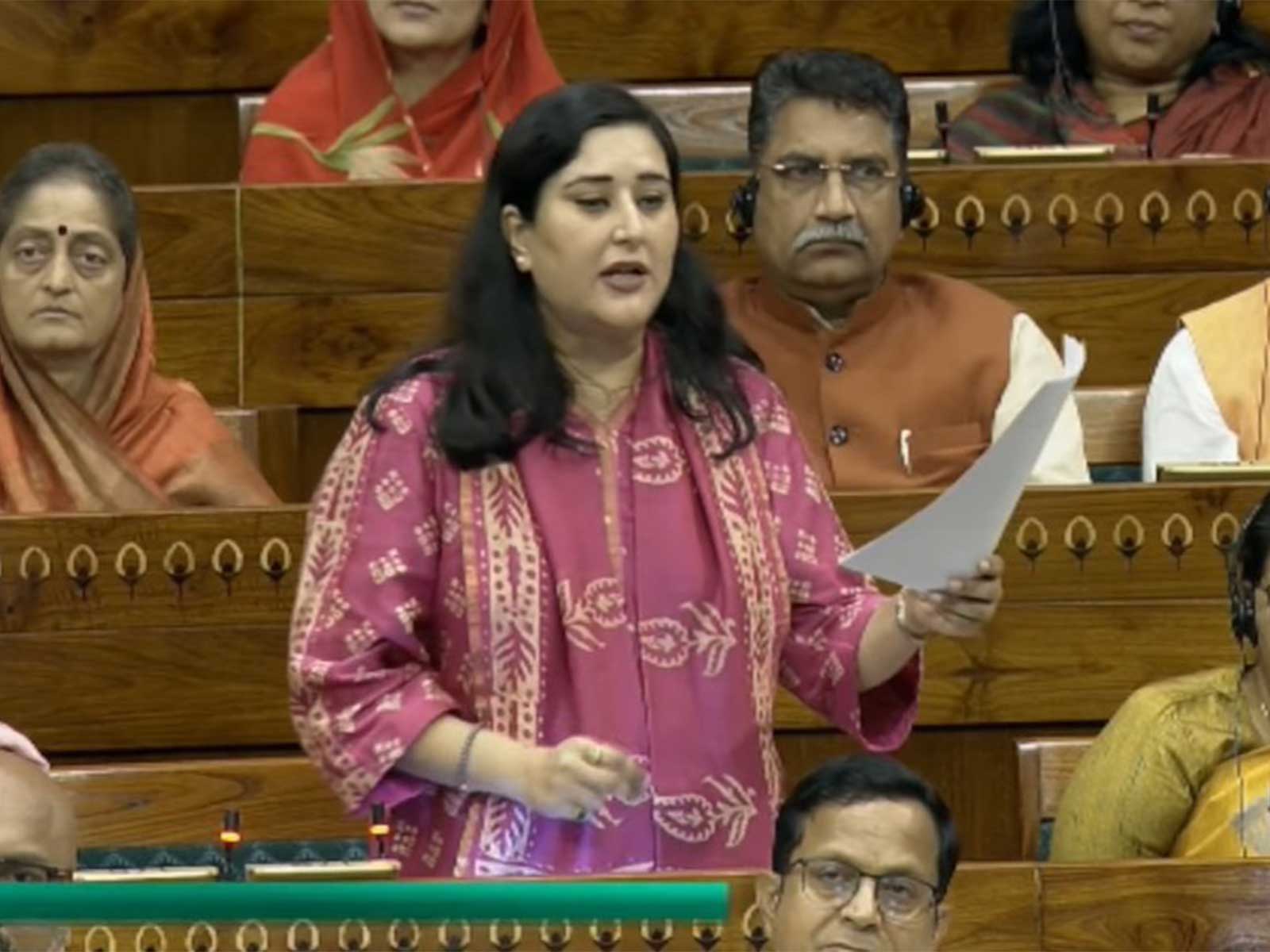
New Delhi [India], July 28 : Taking on the Opposition during a heated Lok Sabha debate on the Public Examinations (Prevention of Unfair Means) Amendment Bill, 2026, BJP MP Bansuri Swaraj on Tuesday accused Congress and the opposition of "selective outrage" on examination paper leaks, insisting the exam compromises were neither new nor confined to any one government.
Union Minister of State for Personnel, Public Grievances and Pensions Jitendra Singh introduced the Public Examinations (Prevention of Unfair Means) Amendment Bill, 2026, in the Lok Sabha on July 27, in the wake of a NEET-UG 2026 controversy this year.
"Before the opposition accuses me of whataboutery, it is not about whataboutery, but I am calling out the opposition on its selective outrage. If this fight is about principle, then how does the principle change after seeing the government," she added.
Swaraj hailed the amendment as evidence of the central government's approach and intent towards the issue.
"This is a transformative amendment. It is not only required but also the demand of the time. Bringing this amendment is evidence of Prime Minister Narendra Modi's sensible and responsible government. Prime Minister Modi saying that paper leak is a grave sin is not just a statement but his government's intent, which is why this amendment is brought here today," she said.
The BJP MP further said that law needs to evolve with the challenges that it faces, and a compromised examination dilutes the "holy covenant that binds the most striving children of India".
"A law is a living instrument. It needs to evolve with the challenges that it faces, and in a democracy as complex and large as ours, an examination is the truest, most meritocratic ritual where, under the same clock, a son a labourer and a daughter of a CEO sit down and answer the same set of questions and get judged by the same yardstick. When such examination is compromised, what gets diluted is the holy covenant that binds the most striving children of India. A quiet promise that in India, effort and merit alone shall prevail," she said.
Swaraj said an organised "examination mafia" now operates across state lines, and that the amendment was designed to close the jurisdictional gaps.
Highlighting the provision in the Bill, she said, "Today, an education mafia has been established. This bill helps in solving and ending the Jurisdiction confusion because it has a provision that the central government can create a special task force for investigation. It also has a provision that a special fast-track court is formed in each state and union territory. Not only this, but this Bill also tells investigative agencies to finish the probe in mere two months, and the fast-track court needs to provide a verdict in three months."
"If any accused thinks that the time will stretch with an appeal, then this amendment also ends this. It says that the appeal would go directly to the Division Bench of the High Court," she added.
She further emphasised the BJP-led central government's track record in the education sector since 2014.
"In the last 12 years, medical colleges and seats have been doubled. IITs have been increased from 16 to 23 and IIMs from 13 to 21. Functional AIIMS have been increased to 20 from 7. The number of universities has been increased by 60 per cent," she said.
Earlier, Parliamentary Affairs Minister Kiren Rijiju on Tuesday said the government was ready to extend the discussion on the Public Examinations (Prevention of Unfair Means) Amendment Bill, 2026, to up to 10 hours if required.
The Amendment Bill seeks to further strengthen the provisions of the Public Examinations (Prevention of Unfair Means) Act, 2024 by providing for fast-tracked investigation, speedy trial through Special Fast Track Courts, appointment of Special Public Prosecutors, time-bound disposal of appeals and more stringent penal provisions to effectively deter unfair means and organised malpractices in public examinations, according to Ministry of Ministry of Personnel, Public Grievances & Pensions.
The proposed amendments have been brought in to reinforce the existing legal framework in view of incidents of question paper leakages and organised examination-related malpractices reported in recent years. They are aimed at ensuring greater accountability, strengthening deterrence against such offences and safeguarding the integrity of public examinations.
The Bill proposes to enhance the punishment for persons resorting to unfair means by increasing the term of imprisonment to not less than five years, extendable up to ten years, as against the existing provision of imprisonment for a term of not less than three years, extendable up to five years. The maximum fine is also proposed to be enhanced from ₹10 lakh to ₹50 lakh.