CETA with UK to help take bilateral trade to $100 billion by 2030: Commerce Secretary
Jul 15, 2026
By Vishu Adhana
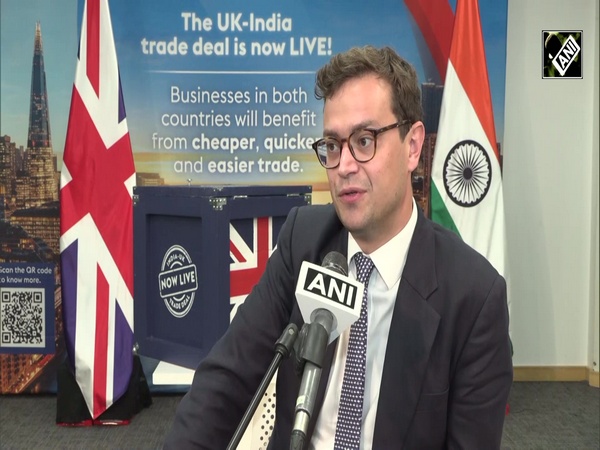
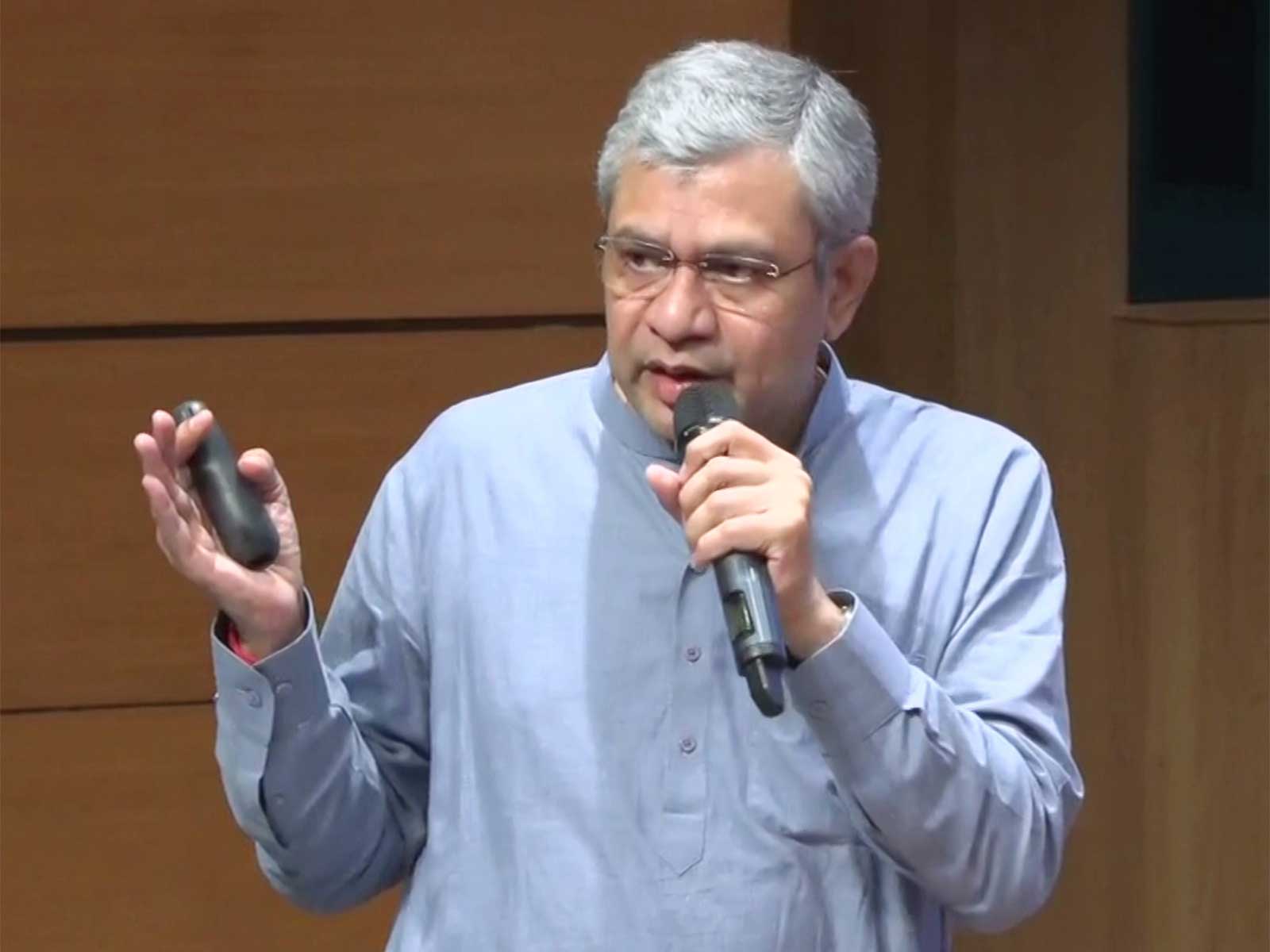
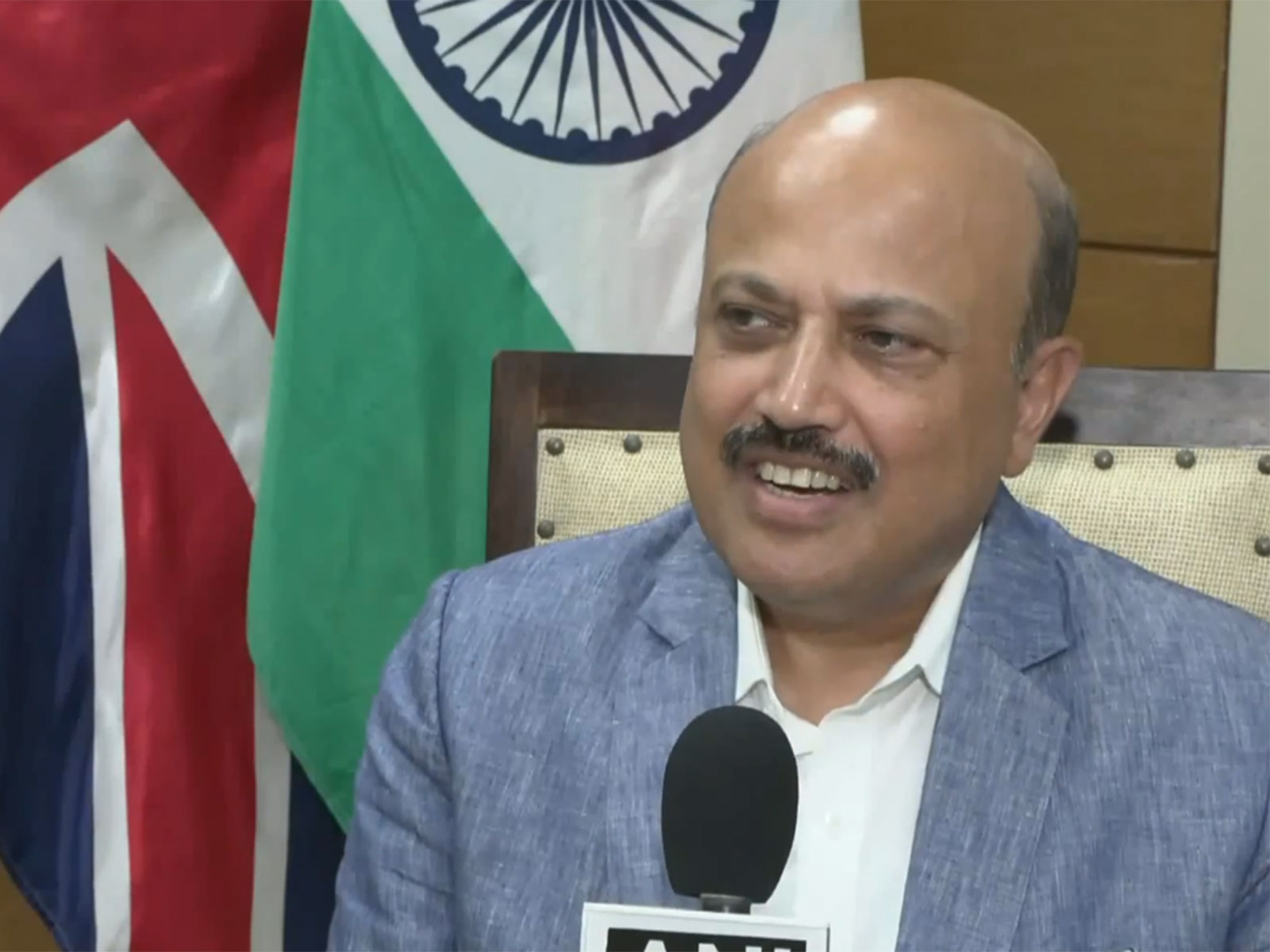
New Delhi [India], July 15 : The India-UK Comprehensive Economic and Trade Agreement (CETA) is would give a major impetus to bilateral trade and will help take it to $100 billion by 2030, Commerce Secretary Rajesh Agrawal said on Wednesday.
"From the perspective of the department which has negotiated it, the aspiration is always to see that the bilateral trade today, which is around USD 60 billion, goes up to USD 100 billion in the next three to four years by 2030," Agrawal told ANI in an interview.
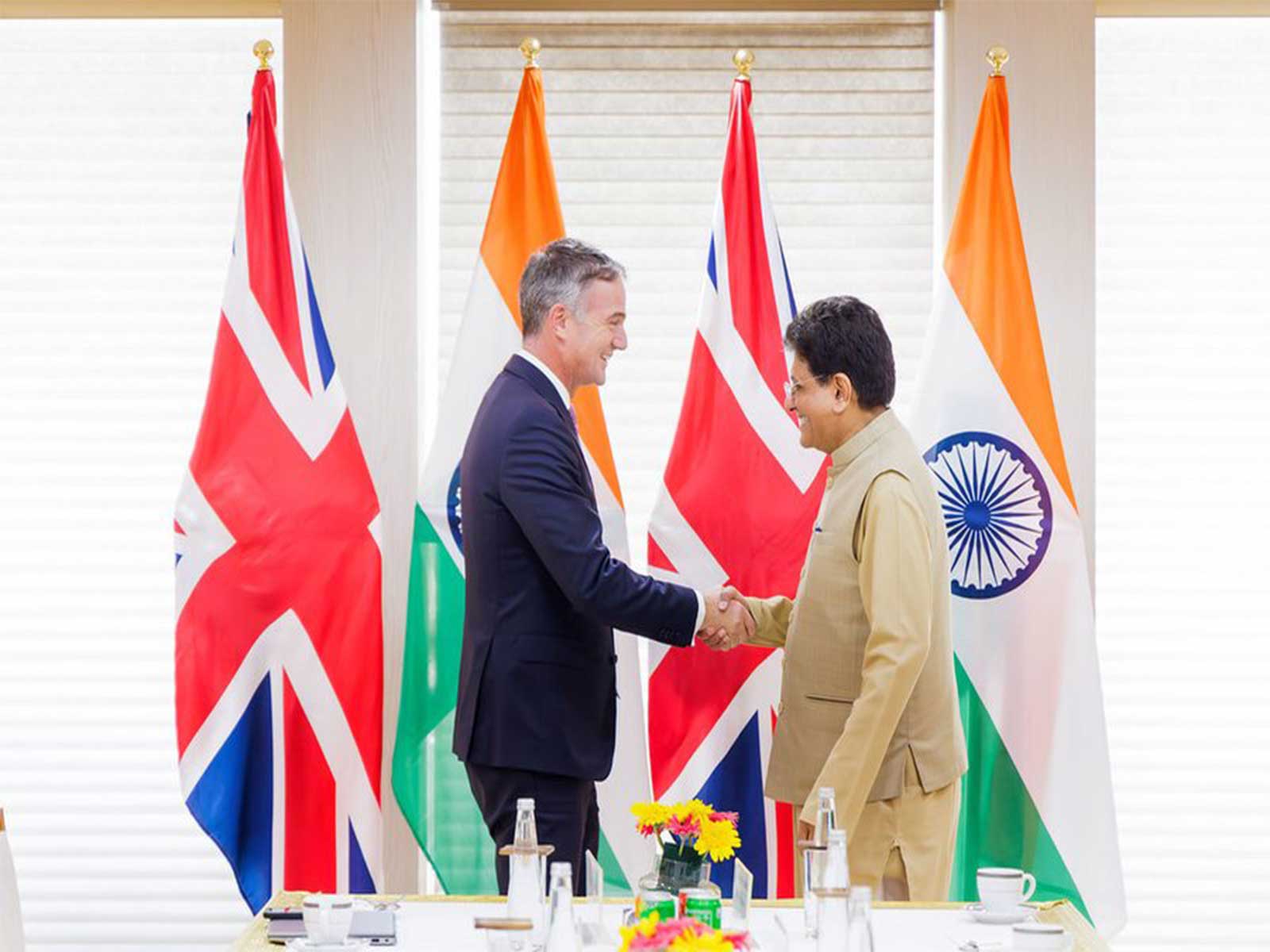
The landmark India-UK Free Trade Agreement (FTA) came into effect on Wednesday, marking "a historic moment" that will unlock new opportunities for businesses, workers and consumers in both countries while significantly deepening the bilateral economic partnership.
Agrawal said the industry has responded enthusiastically to the trade pact, describing it as a significant opportunity for Indian exporters to expand their presence in the UK market. "I think the industry is very upbeat about this deal. They have shown very positive energy. This deal is a huge opportunity for them to grow trade in the UK," he said.
According to Agrawal, exporters across multiple sectors have already begun taking advantage of the tariff concessions available under the agreement from the very first day of its implementation. He said consignments worth more than USD 140 million were being dispatched to the UK from different parts of the country on Wednesday, benefiting from the preferential tariff regime.
"If business as usual carries on, I think the trade deal will give an impetus to the forward-looking trajectory of our bilateral trade and give it a real jump and take it to USD 100 billion by 2030," he noted.
The Commerce Secretary said the government's immediate focus is to ensure that businesses across the country understand and utilise the opportunities created by the agreement. The Department of Commerce plans to conduct extensive outreach programmes in districts across India to familiarise exporters, startups, budding entrepreneurs and existing industries with the benefits available under the FTA.
He said the department would work closely with Export Promotion Councils (EPCs), industry associations and state governments to spread awareness about the agreement so that businesses of all sizes can leverage reduced tariffs and expand exports to the UK.
Beyond boosting merchandise trade, Agrawal said the agreement would also encourage greater investment flows between the two countries by providing tariff certainty, regulatory predictability and harmonised rules.
"Trade agreements are not just harbingers of good trade. They provide tariff predictability, regulatory predictability and harmonisation of regulations. All this gives businesses certainty, and if there is business certainty, businesses will also invest on both sides," he said.
He added that increased investment would help create integrated supply chains between India and the UK while also opening new pathways for Indian companies to become part of global value chains.
Addressing concerns over non-tariff barriers, Agarwal said the agreement contains detailed provisions on sanitary and phyto-sanitary measures and technical barriers to trade, providing institutional mechanisms to resolve issues quickly if they arise.
On the proposed Carbon Border Adjustment Mechanism (CBAM) under consideration in the UK, he said India has conveyed that the benefits arising from the trade agreement should not be diluted by other regulations and will continue engaging with the UK to address the issue if required.
Speaking about India's broader trade agenda, Agarwal said negotiations on several other free trade agreements remain underway. He said India continues to work towards concluding trade agreements with countries including Canada, while discussions with the United States are progressing under the framework announced earlier this year. He added that the government hopes to conclude more trade agreements during the year, subject to convergence between negotiating partners.