China’s new ethnic unity law raises fresh concerns over Uyghur rights
Sep 09, 2026
Beijing [China], September 9 : China has introduced a new law aimed at strengthening ethnic unity, but the legislation has raised fresh concerns over the future of the Uyghur community, according to a report by Voice of Uyghurs.
The Ethnic Unity and Progress Promotion Law came into force on July 1, after being approved by China’s top legislature in March. According to the report, Beijing says the law is intended to promote equality, reduce discrimination and encourage development among China’s 56 ethnic groups.
Chinese authorities have presented the legislation as an important step toward building a stronger and more united country. However, Voice of Uyghurs says the law has created new questions about whether efforts to promote national unity could place additional pressure on minority communities to give up aspects of their cultural, religious and national identity.
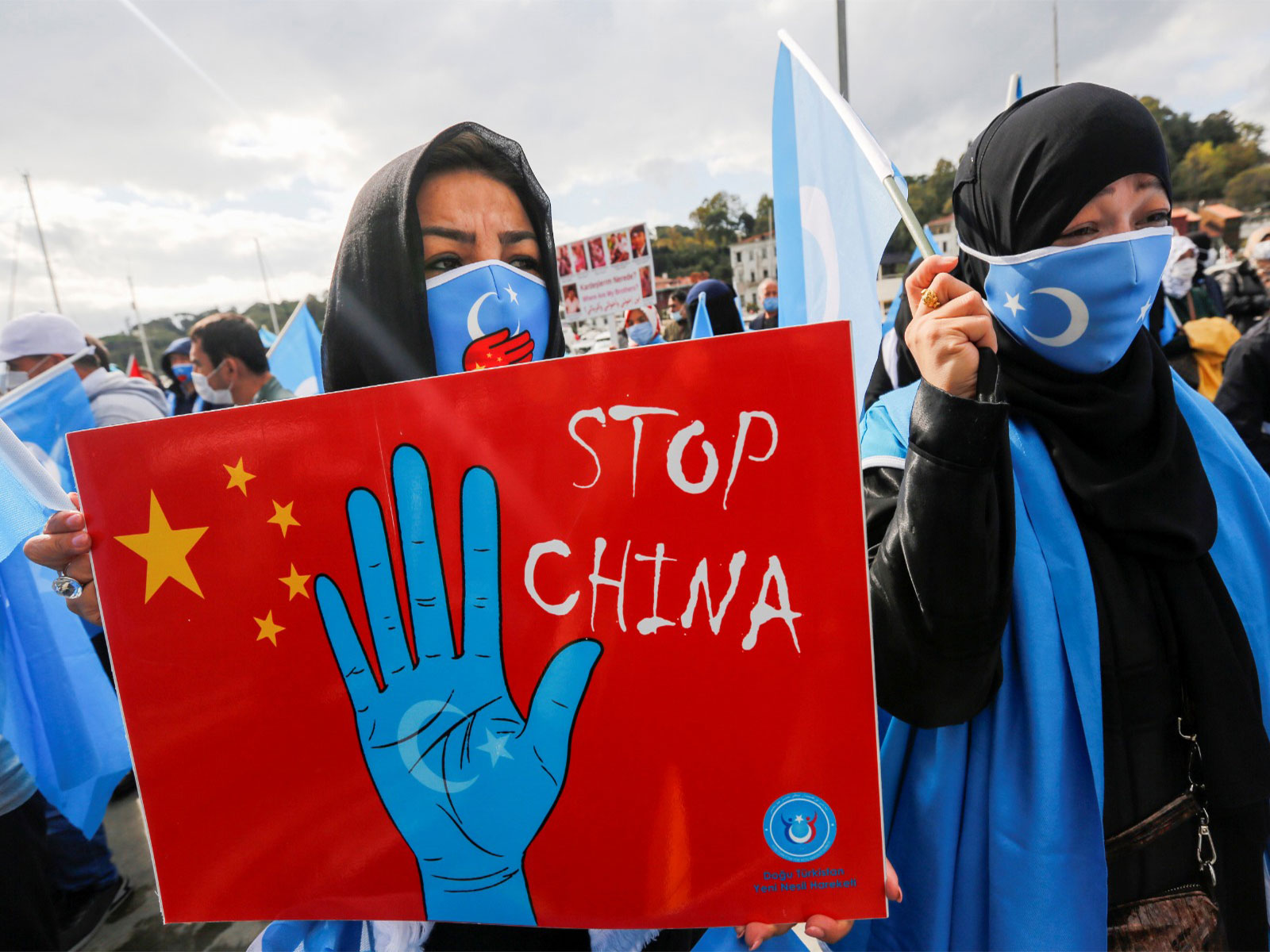
The legislation comes after years of international criticism over China’s policies in Xinjiang, where the Uyghur community forms the largest ethnic minority population.
According to the Voice of Uyghurs report, human rights organisations have accused Chinese authorities of imposing widespread restrictions on Uyghur religious practices, cultural expression and political expression. The report also cites concerns raised over mass surveillance, arbitrary detention and forced labour.
It further notes that in 2022, the United Nations human rights office said serious human rights violations had taken place in Xinjiang and that some of the abuses may constitute crimes against humanity.
China has strongly rejected such accusations. As cited in the report, Beijing maintains that its policies in Xinjiang are aimed at combating terrorism, separatism and religious extremism. Chinese officials have also pointed to economic growth, improved infrastructure and better public services as evidence that government policies have benefited the region.
The new law does not specifically identify Uyghurs as a target. Instead, according to Voice of Uyghurs, it establishes a broader legal framework for promoting what Beijing describes as ethnic unity.
The legislation encourages greater integration between different ethnic communities and promotes what Chinese authorities describe as a shared sense of belonging to the Chinese nation.
The Voice of Uyghurs report says critics fear that the government's definition of ethnic unity could increase pressure on minority communities to adopt a common national identity at the expense of their own cultural traditions.
One of the key areas of concern is language.
The law promotes the use of standard Chinese while also stating that minority languages should be respected and protected. Beijing's stated position, as cited by the report, is that a common language can help strengthen communication and national unity while ethnic groups continue to preserve their cultural traditions.
Critics, however, have pointed to what they describe as growing pressure on minority languages in education and public life. For Uyghurs, the report notes, language is closely linked to their history, literature and identity.
Voice of Uyghurs says critics fear that if the Uyghur language has less space in schools and public institutions, its role in everyday life could gradually decline.
Religion represents another major area of concern.
Most Uyghurs are Muslim, and according to the report, religious practices in Xinjiang have faced strict government controls. Human rights organisations cited by Voice of Uyghurs have reported restrictions on religious education, worship and other forms of religious expression.
The report says critics fear that the new law could potentially increase such pressures if authorities apply broad definitions to activities considered threats to ethnic unity.
According to Voice of Uyghurs, critics are concerned that peaceful cultural or religious activities could face greater scrutiny if officials consider them inconsistent with the government's vision of national unity.
The concerns, the report adds, may extend beyond China's borders.
Uyghur activists and members of the Uyghur diaspora in other countries have for years spoken publicly about conditions in Xinjiang. Voice of Uyghurs says rights groups fear that the new legal framework could increase pressure on people living overseas who criticise China's ethnic policies.
This, according to the report, has transformed the legislation into an issue that extends beyond domestic policy and into the wider international human rights debate.
Beijing, however, maintains that the new law is about equality, stability and development.
As cited by Voice of Uyghurs, Chinese authorities say ethnic minorities have equal rights and that their languages, traditions and cultural practices are protected. The Chinese government also argues that stronger national unity is necessary for the country's long-term stability and prosperity.
The central disagreement, therefore, is not simply over whether China should promote ethnic unity, but over what that unity should mean.
The Voice of Uyghurs report highlights the distinction between a shared national identity that exists alongside cultural diversity and an approach that could lead to assimilation.
Critics fear that China's approach could encourage assimilation, with minority communities gradually expected to adopt the dominant culture.
The real test, according to the report, will now be how the new law is enforced.
Voice of Uyghurs notes that the wording of the legislation alone does not determine what its impact on Uyghurs will be. Instead, much will depend on how local authorities interpret and apply its provisions, and whether people can continue to express their cultural, religious and linguistic identities without fear of punishment.
For the Uyghur community, the report argues, the issue goes beyond the introduction of a new law.
It concerns whether Uyghurs can preserve their language, practise their faith, maintain their traditions and pass their cultural identity on to future generations.
While Beijing says the new law will bring China's different ethnic communities closer together, Voice of Uyghurs says the international community will be watching closely to determine whether the legislation protects diversity, or comes at the cost of it.