Created in 1947, inaugurated by Nehru: How DUSU launched Jaitley, Rekha Gupta, and why it still matters
Sep 19, 2026
By Rythum Chauhan
New Delhi [India], September 19 : As ABVP claimed the DUSU presidency for 2026-27, the result has once again put the spotlight on a student union that has long doubled as a launchpad for many national leaders. Yet how did a student body that began as a proposal in a university committee room become a contest that parties and the public watch so closely?
Over 77 years, Members of Parliament, Chief Ministers, Union Ministers and legislators have risen through DUSU's ranks. That record, together with a tradition of activism that runs from the Quit India Movement to the Emergency, is why DUSU remains relevant long after its founding.
According to the student union's historical records, a provisional committee under VKRV Rao, then head of DU's Economics Department, brought college union presidents together to draft a constitution for one central body in 1947.
Officially marking its beginning, India's first Prime Minister Jawaharlal Nehru formally inaugurated the student union on April 9, 1949. From day one, DUSU had the name of one of the country's most prominent leaders behind it.
It also inherited a tradition of activism which has become synonymous with student politics in recent times.
In 1942, students of Hindu, St Stephen's and Indraprastha College had mobilised for the release of leaders jailed during the Quit India Movement.
The stakes rose in 1973, when DU replaced indirect elections, in which college councillors chose the leaders, with direct voting. A contest that had been settled among a few hundred college representatives became a campaign for every student's vote, giving student wings of political parties more reason to invest in it.
Within two years, the union showed it could matter beyond campus. In 1975, under president Arun Jaitley, DUSU organised protests against the Emergency, and Jaitley was arrested under MISA. A student election was no longer just a campus affair, but rather a place where a future political leader was being tested for a national crisis.
In 1990, the Mandal Commission's OBC quota set off rallies and heated debates across DU. The country's biggest social question was being argued in North Campus, and DUSU was where students took sides.
The election of Rajiv Goswami, one of the most prominent faces for anti-reservation protests, as president the following year showed how national debates could reshape campus politics.
By then, the pattern was visible in the careers of its alumni. Jaitley, president of ABVP in 1974-75, became a part of the Bharatiya Janata Party (BJP) and was mentored by former Deputy PM LK Advani. Jaitley went on to become Union Finance Minister and Leader of the House in the Rajya Sabha.
Rekha Gupta, DUSU president in 1996-97, became the General Secretary of Delhi BJP and National Vice President of the Mahila Morcha and is today Chief Minister of Delhi. Vijender Gupta, a Vice-President in 1984-85, became Speaker of the Delhi Assembly, and Vijay Goel, president in 1977-78, became a Union minister.
The route runs across party lines. Ajay Maken (NSUI, president 1985-86) became a Union minister, and Alka Lamba (NSUI, 1995-96) went on to lead the All India Mahila Congress. Each success made the next contest matter more. Parties fielded stronger candidates, campaigns grew bigger, and the media watched more closely.
As the stakes grew, so did concerns about money and muscle in the polls. In 2006, the Lyngdoh Committee guidelines brought spending limits, age criteria, and curbs on campaign methods, in an effort to keep the contest credible.
Recently, the Delhi High Court raised concerns over violations of the guidelines and, on Friday, prohibited any victory procession following the declaration of DUSU election results, directing that the ban would apply not only on roads but also within the university campus and hostels.
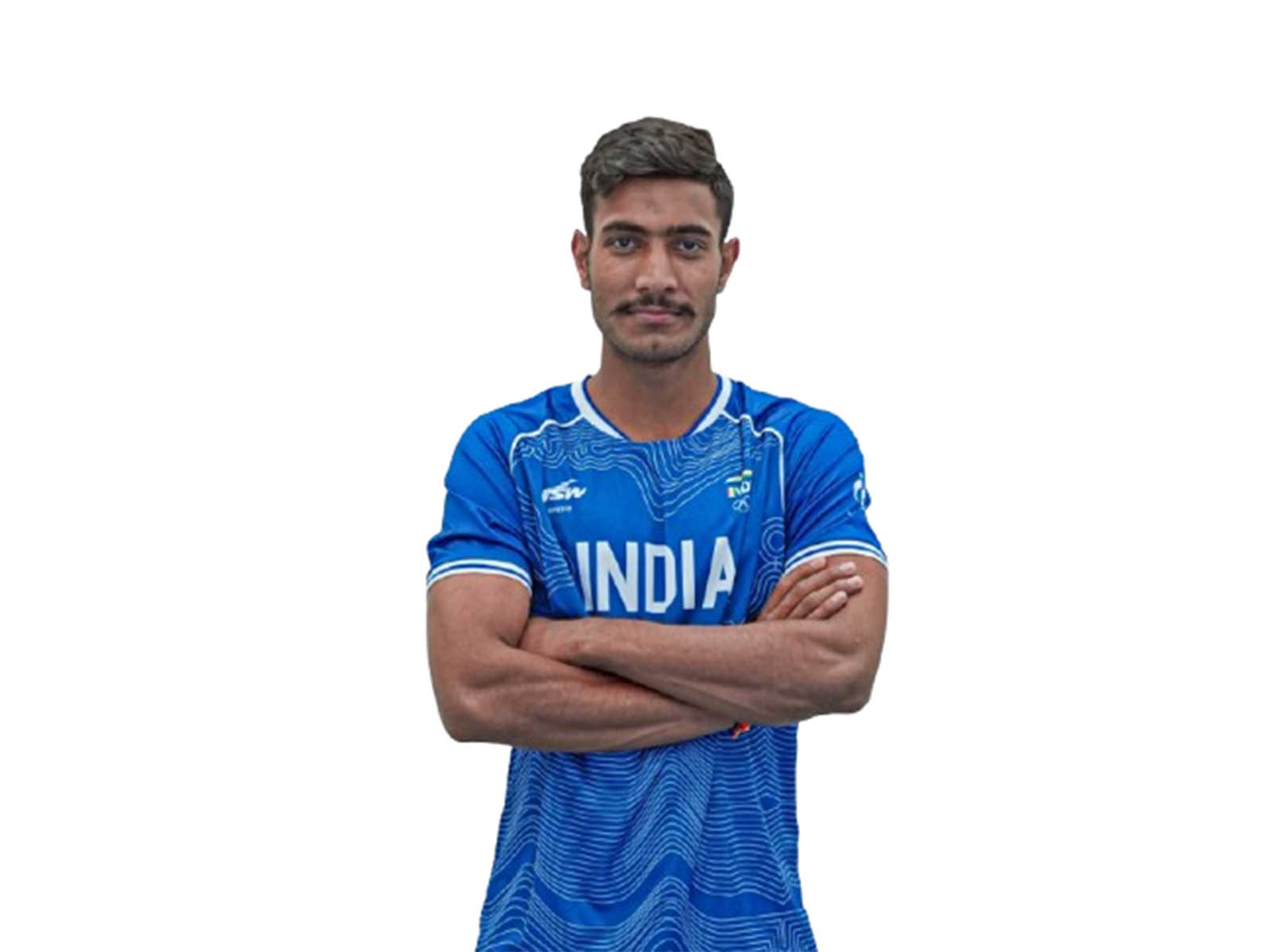
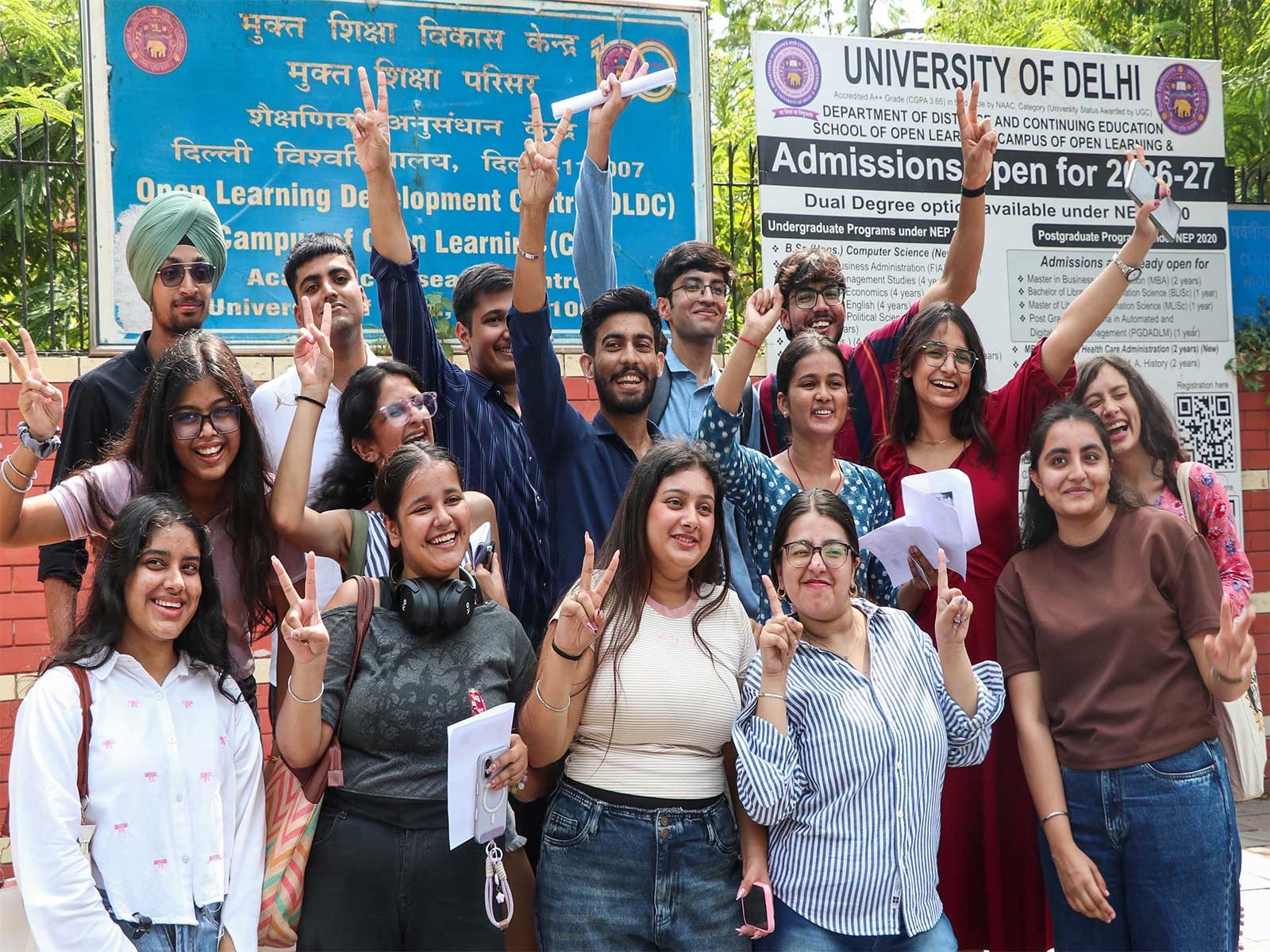
That history is why DUSU election results continue to draw attention. In the results announced today, ABVP secured three of the four key posts in the DUSU elections, with Yash Dabas winning the President post, Riya Chhawdi securing the Secretary position, and Lakshya Raj Singh winning the Joint Secretary post. Independent candidate Deepanshu Shokeen, a former NSUI member, emerged victorious for the Vice President post.
The main fight once again pitted ABVP, which has seen several of its DUSU presidents shift to the BJP, against the Congress's student wing, NSUI, creating a loose mirror of the contest in national politics.
What can look like routine student politics has, time and again, set the course of national careers. Seven decades on, DUSU remains the place where that path begins.