First-ever theatre conference organised in Kashmir to raise awareness of theatrical legacy of region
Sep 15, 2026
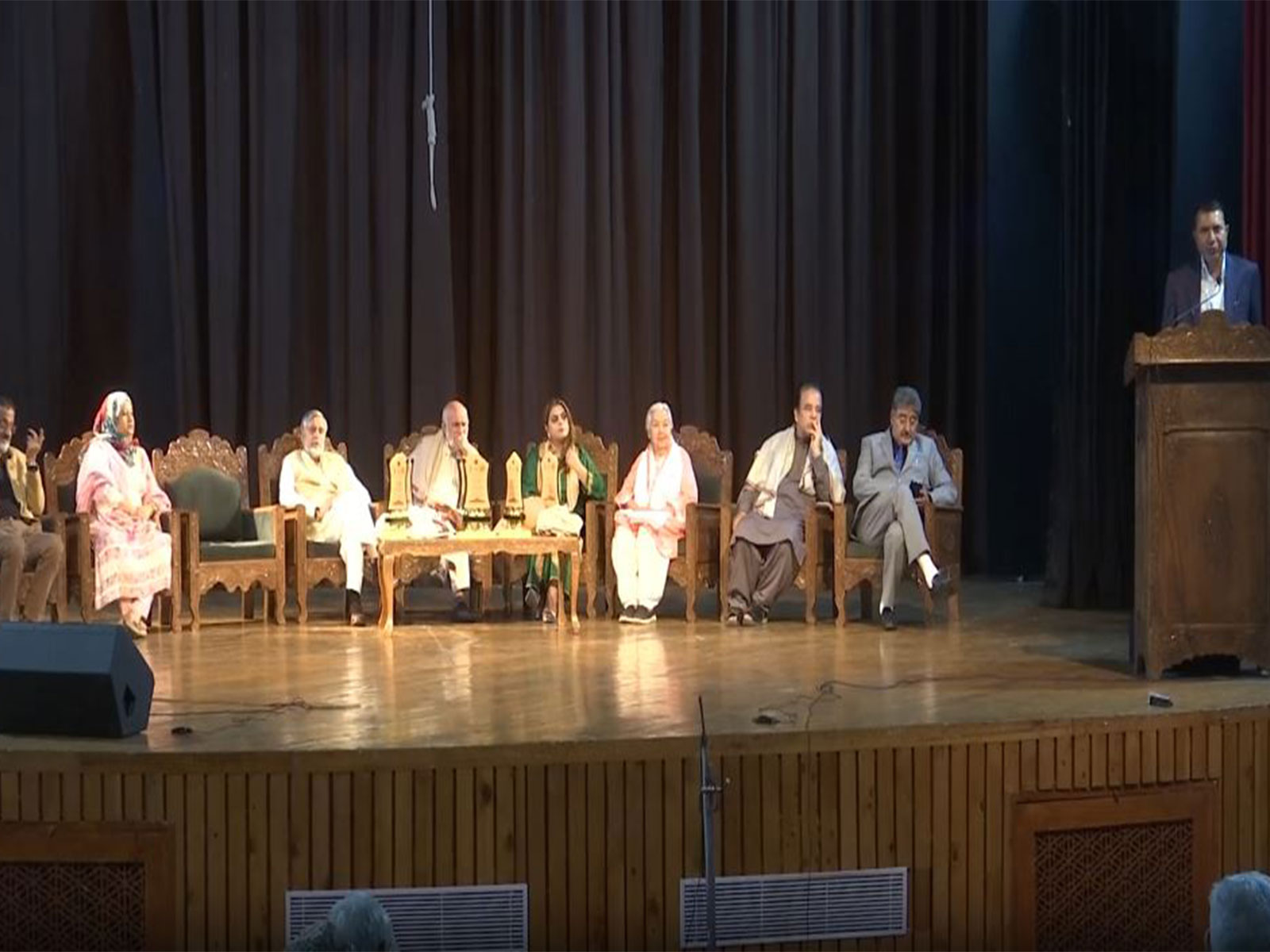
Srinagar (Jammu and Kashmir) [India], September 15 : Authorities organised the first ever conference on theatre in Kashmir, aimed at promoting and creating awareness among youth about the region's centuries-old theatrical legacy, which dates back nearly thousands of years but has suffered setbacks over more than three decades of conflict and the pressures of the modern world.
The three day conference was organised by Mushtaque Ali Ahmad Khan, Chairman of Actors Creative Theatre (ACT), in collaboration with the Jammu and Kashmir Academy of Art, Culture and Languages (JKAACL), to revive and carry forward the region's ancestral theatrical heritage and provide a proper platform for future generations of art lovers to showcase their talent.
The conference commenced with academic paper-reading sessions conducted by prominent theatre personalities, and also marked the celebration of seventy years of theatre history in Kashmir. The inaugural function was held with great enthusiasm and cultural zest, featuring the popular Kashmiri folk dance 'Roff', performed with elegance and vibrancy. The evening session concluded with the staging of a Kashmiri play centred on drug abuse and its harmful effects on society.
Speaking on the significance of the conference, Mushtaque Ali Ahmad Khan, Chairman of ACT and the event's organiser, said, "I understand that we've never had this kind of theatre conference in my life. I've never even seen one. It's been scheduled for three days so we can hear from as many experts as possible who know about theatre, who have made a significant contribution. We want to find out what our theatre's history has been over the last 70-75 years, what our track record looks like, where it stands right now, and where Kashmir's theatre will be in the next 20-30 years," he said.
Khan added that the deliberations from the conference would be compiled into a report and submitted to relevant authorities to help shape future policy on theatre.
"We have 25 people speaking on this over three days. We'll compile their speeches into a report and share it with the government and the organisations responsible for art and culture. That way, they can take steps to help move theatre forward," he said.
On whether staging plays alone was sufficient to keep theatre relevant among the youth, or whether structured conferences were equally necessary, Khan said both approaches complemented each other.
"I believe both are necessary. In our meetings, we discuss what we've done, what we're going to do, and then we play it out. We only play it out after bringing it up in the meeting. And once we do, it gets discussed again in the next meeting whether it's that specific play or our overall production. So, these two things complement each other, and both are important," he said.
Detailing the schedule of activities planned to make the conference engaging for participants and the audience, Khan said the event included a mix of academic sessions like debate and drama performances by both school kids and professionals.
"I just randomly wanted kids to perform, so I invited them too. There will also be experimental players," he said.
Renowned theatre personality and Bollywood actor Lalit Parimoo, who also participated in the conference, highlighted its importance for the promotion of theatre in the region. Parimoo said the conference was a significant step towards sustaining interest in theatre among the younger generation while ensuring quality is maintained.
"Keeping theatre alive, keeping it high quality, and sparking an interest in young people towards its different departments; building awareness, training, and passion is definitely important. So, the step the Art and Culture Department has taken in this direction is a really important one in my eyes," he said.
He further said the outcomes of the conference, drawing on inputs from theatre practitioners both from Kashmir and outside, should translate into a concrete roadmap for the future.
"The results that come out of this, along with the takeaways from the many theatre practitioners from Kashmir and outside, as well as people like me who are contributing to this, the best of it all, we should create an action plan around the text, and a roadmap for the next 5, 10, 20, and 30 years, which will benefit everyone," he said.
The three-day conference is expected to conclude with a compiled report of recommendations, which organisers said would be presented to the government and cultural bodies to support long-term efforts towards reviving and sustaining Kashmir's theatrical tradition.