Food inflation composition shifts as protein-rich items, processed foods drive price pressures: Finance Ministry Report
Aug 31, 2026
New Delhi [India], August 31 : India's food inflation is undergoing a shift in its composition, with protein-rich items, processed foods and edible oils emerging as major contributors to price pressures, even as the persistence of El Nino conditions raises risks for crop yields and food prices, noted the Monthly Economic Report of August 2026 released by the finance ministry.
Consumer Food Price Index (CFPI)-based inflation rose to 5.52 per cent in July 2026, from 5.32 per cent in June, although the pace of increase moderated compared with the previous two months.
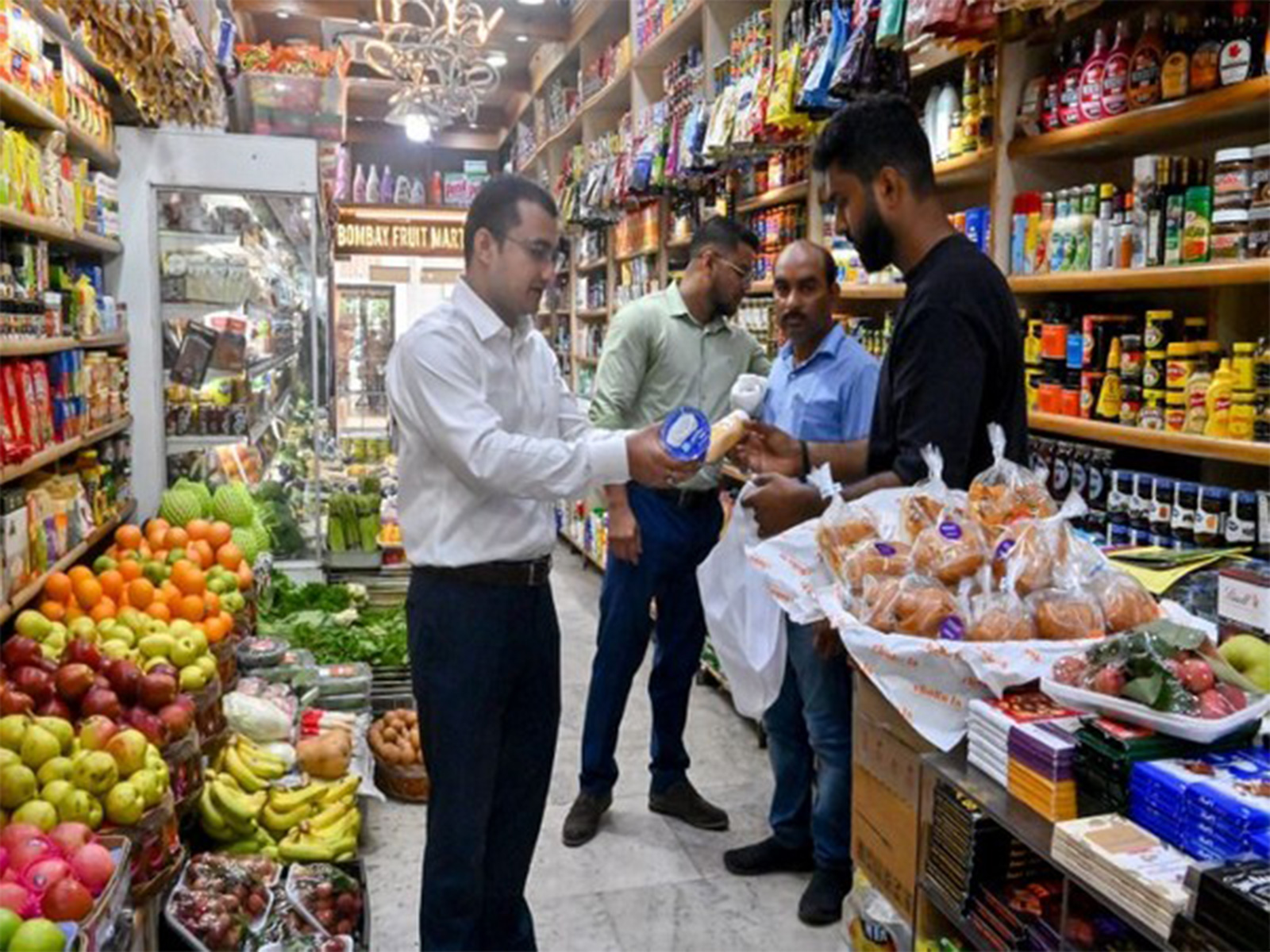
The report said, "The protein-rich items (including fish) and processed food (including sugar, confectionery and beverages) have emerged as the key contributors to food & beverages inflation in July."
It added that fruits and nuts continued to contribute to food inflation, while the contribution of cereals and cereal products accelerated between April and July.
The shift comes as several food items, including milk, chicken, mutton, fish, refined oil, onion and arhar/tur, recorded notable inflation in July compared with the previous month, according to the review.
The review flagged rising global vegetable oil prices as a potential source of persistent inflationary pressure for India, given the country's dependence on imports of crude palm, soybean and sunflower oils.
The report noted that the FAO Vegetable Oil Price Index remained elevated, with inflation at 17.3 per cent in July 2026.
It said, "Consequently, domestic edible oil inflation rose steadily from 2.82 per cent in March to 7.84 per cent in July, reflecting the lagged pass-through of higher landed costs to retail prices, posing persistent upside risks to headline inflation."
The report attributed the global tightening in vegetable oil supplies partly to the diversion of palm, soybean and rapeseed oils towards biofuel production as an alternative to petroleum diesel.
The food inflation outlook is also being clouded by the persistence of El Nino conditions.
The report cautioned that, "The persistence of El Nino raises the risk of a weaker or uneven monsoon and, consequently, of pressure on crop yields and food prices."
At the same time, the review also cautioned against drawing a direct one-to-one link between El Nino and agricultural outcomes, pointing to irrigation, procurement and food-stock mechanisms as important buffers.
It said, "In the months ahead, particular attention may be required to pulses, oilseeds, rice and other rainfall-sensitive crops."
The review's broader outlook remains cautious, saying, "The outlook for domestic food inflation and agricultural output remains cautious, with an intensifying El Nino expected to peak in late 2026."
It said the weather phenomenon could pose downside risks to crop yields during the late-August flowering and grain-formation stages and affect soil moisture and winter temperatures important for upcoming Rabi crops, particularly wheat and mustard.
Against the backdrop of food-price pressures, the government has also taken measures aimed at improving sugar availability ahead of the festive season.
The review said the government had amended the import policy for raw sugar to allow 10 lakh metric tonnes of duty-free imports under the tariff rate quota (TRQ) until October 31, 2026.
It also noted measures to restrict sugar stockholding by institutional buyers, including confectioners, soft drink manufacturers and sweetmeat sellers, with government and local authority institutions exempted.
The measures come amid concerns over dry weather and patchy monsoon conditions affecting sugarcane yields, heightened seasonal consumption and new sources of demand from biofuels. The review said the policy was aimed at preventing hoarding and stabilising prices.
The report also noted that vegetable-price pressures had moderated in July, even though onion and garlic prices remained elevated. Onion inflation stood at around 22 per cent and garlic inflation at 35 per cent, with the report linking the deterioration in stored onion from the previous Rabi crop to unseasonal hail and rainfall in Maharashtra and Madhya Pradesh.
Overall, the review indicates that India's food-inflation challenge is becoming less concentrated in vegetables, with protein-rich foods, processed foods, cereals and imported edible oils assuming greater importance, while weather risks could determine the trajectory of food prices in the months ahead.