Geneva exhibition highlights atrocities in Bangladesh, Pakistan
Oct 03, 2026
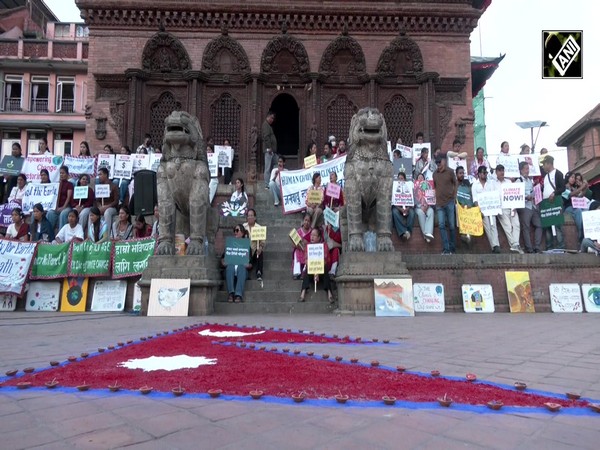
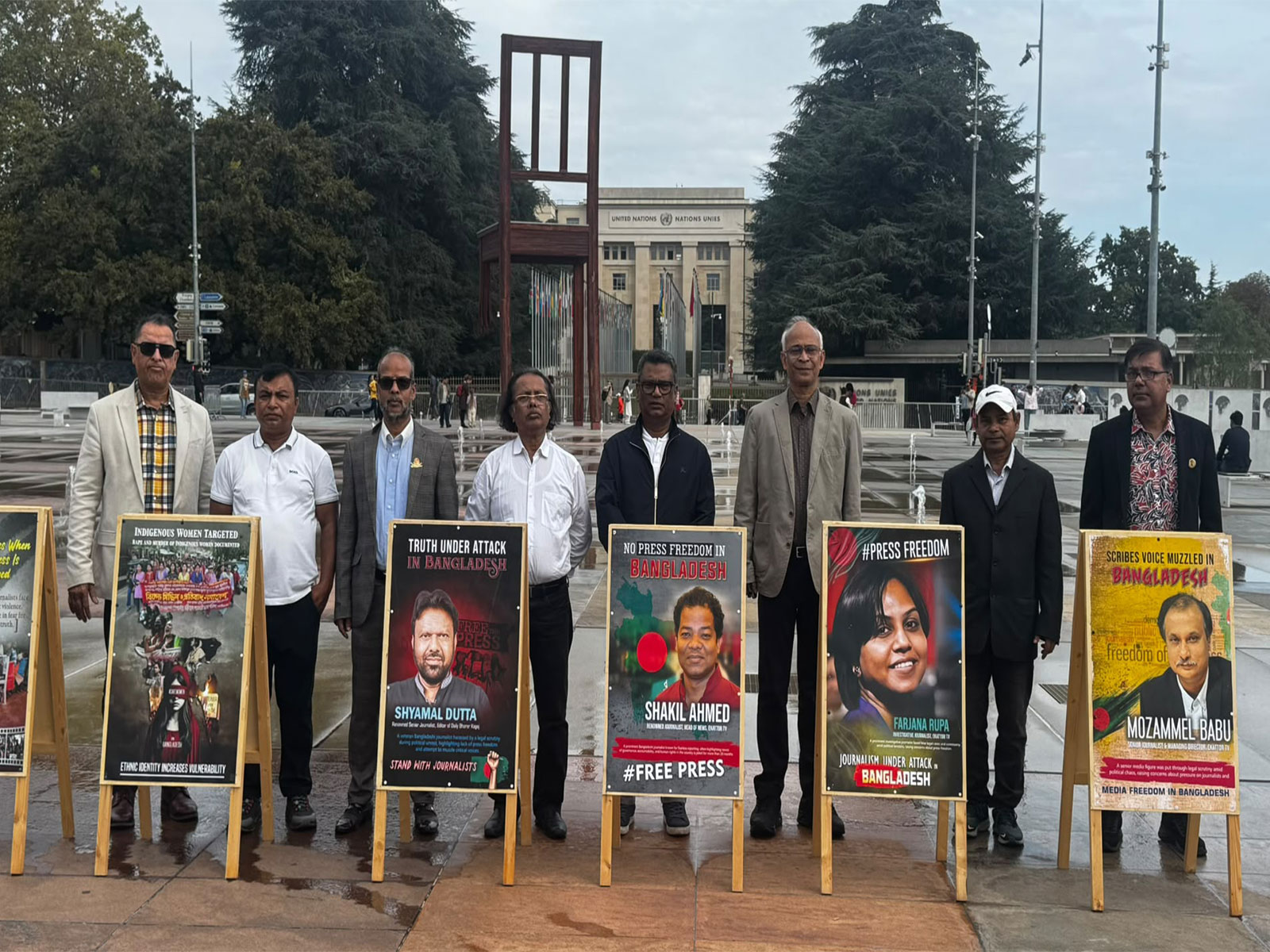
Geneva [Switzerland], October 3 : Allegations of human rights violations in Bangladesh and Pakistan were raised during a three-day photo exhibition organised by Bangladeshi diaspora members in Geneva, held alongside the ongoing 63rd session of the United Nations Human Rights Council.
The exhibition, held near the iconic Broken Chair monument, displayed around 30 posters, with organisers saying 15 focused on Bangladesh and 15 on Pakistan. The 63rd Human Rights Council session is being held in Geneva from September 7 to October 7.
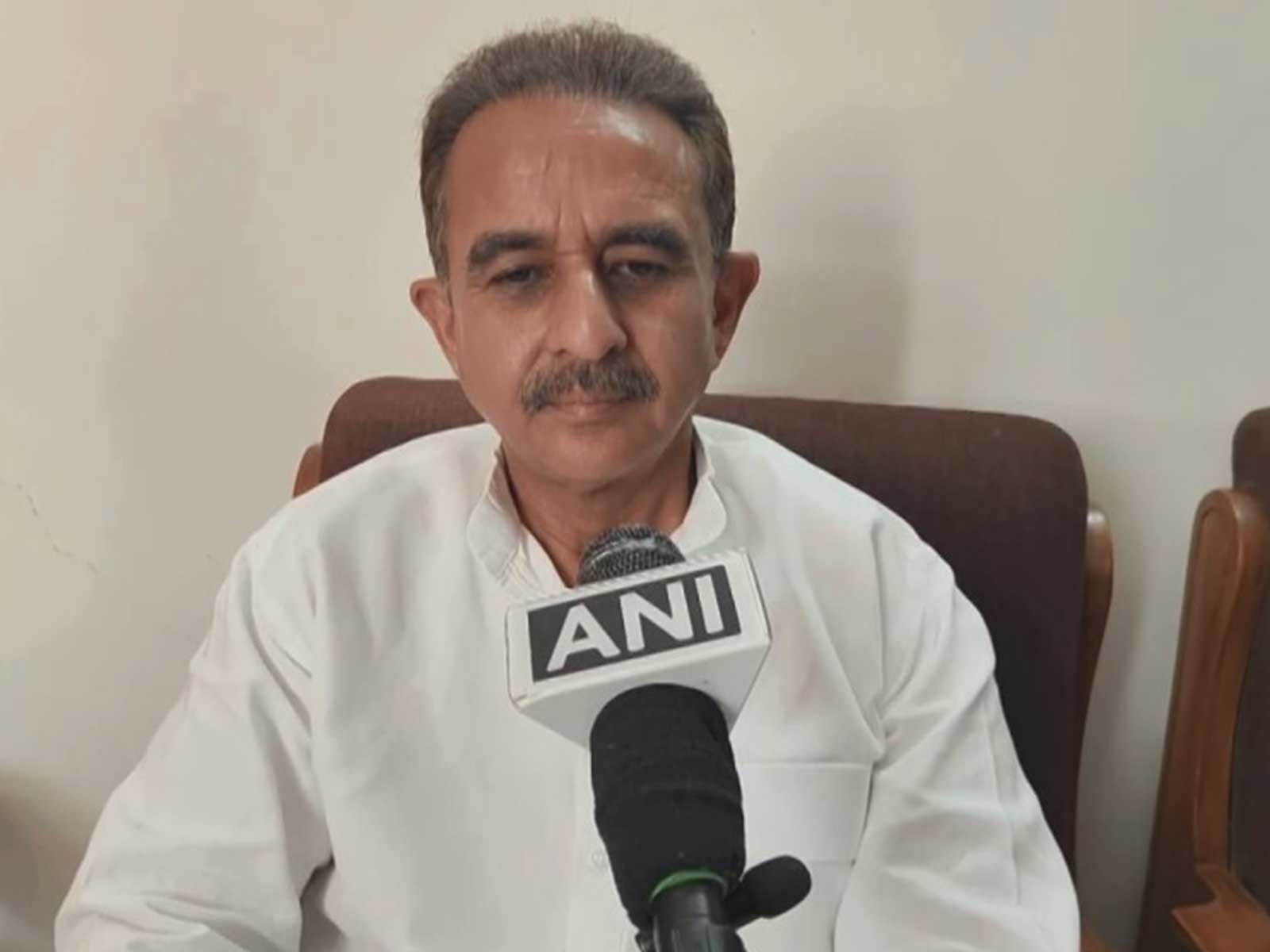
Addressing the gathering, former Bangladesh parliamentarian Abu Sayeed Al Mahmood Swapon alleged that the exhibition sought to draw international attention to what he described as continuing human rights violations in Bangladesh.
“We are now in front of the United Nations Geneva office, the Broken Chair. Here we organise a poster exhibition on the basis of human rights violations in Bangladesh and Pakistan,” Swapon said.
Referring to the 1971 Bangladesh Liberation War, he said, “We don't forget that. Even now, Pakistan is patronising extremism in Bangladesh. Still they are working, and they are patronising the extremists in Bangladesh.”
He further alleged that Bangladesh was facing serious challenges to law and order and democratic freedoms.
“Bangladesh has become a valley of kill, a valley of death,” Swapon said, alleging that thousands of people had been killed and that minorities and children had also suffered.
“In Bangladesh, there is no rule of law, freedom of expression, no right to association,” he alleged, adding that he wanted the international community to focus on “democracy, rule of law, freedom of speech, human rights, the security of the minorities in Bangladesh” and political rights.
Swapon also called for “a free, fair and inclusive election in Bangladesh.”
Rahman Khalilur Mamun, a Bangladeshi human rights activist, said the exhibition was intended to bring the issues before an international audience gathered in Geneva.
“Through this photo exhibition, we have displayed around 30 posters — 15 on Bangladesh and 15 on Pakistan — highlighting what we describe as the oppression being carried out by military forces and authorities against ordinary people, minorities and poor communities,” Mamun said.
He alleged that Pakistan had supported extremist groups and raised concerns over the situation of Baloch, Sindhi and other communities.
“We are also raising our voice against what we describe as oppression within Pakistan against the Baloch people, the people of Sindh, the people of PoJK and other communities,” he said.
Mamun also referred to the events of 1971, saying, “We have not forgotten the atrocities committed in our country in 1971... We can never forget the genocide that took place.”
“We are raising our voice against these atrocities here through this poster exhibition. At the same time, we are also highlighting and exposing what is happening in Bangladesh,” he added.