Haryana: Over 16,552 MW power available for uninterrupted supply; 2.20 lakh rooftop solar systems to be installed
Jun 02, 2026
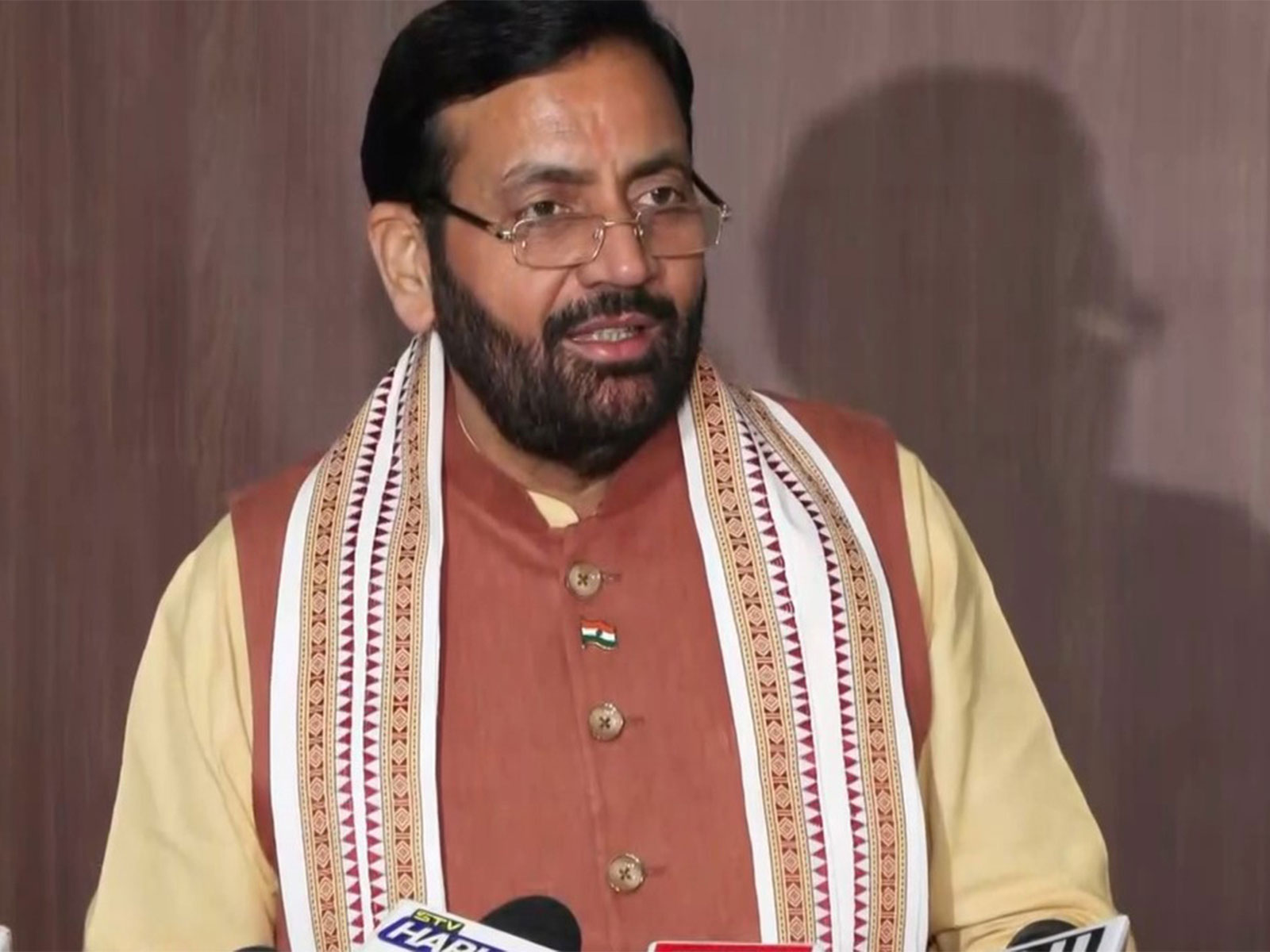
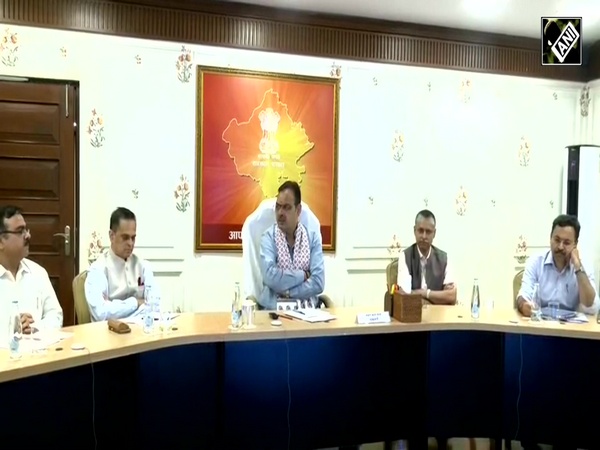
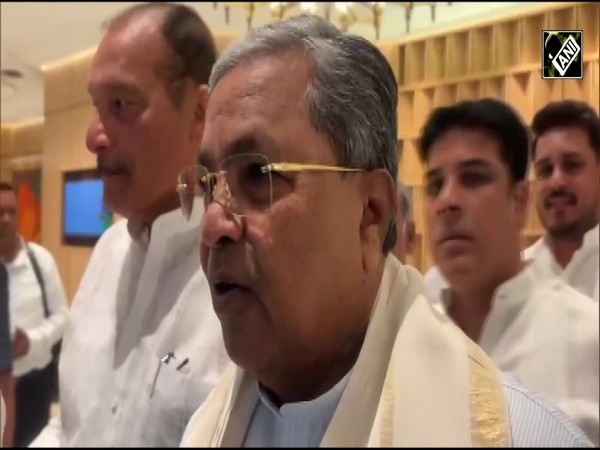
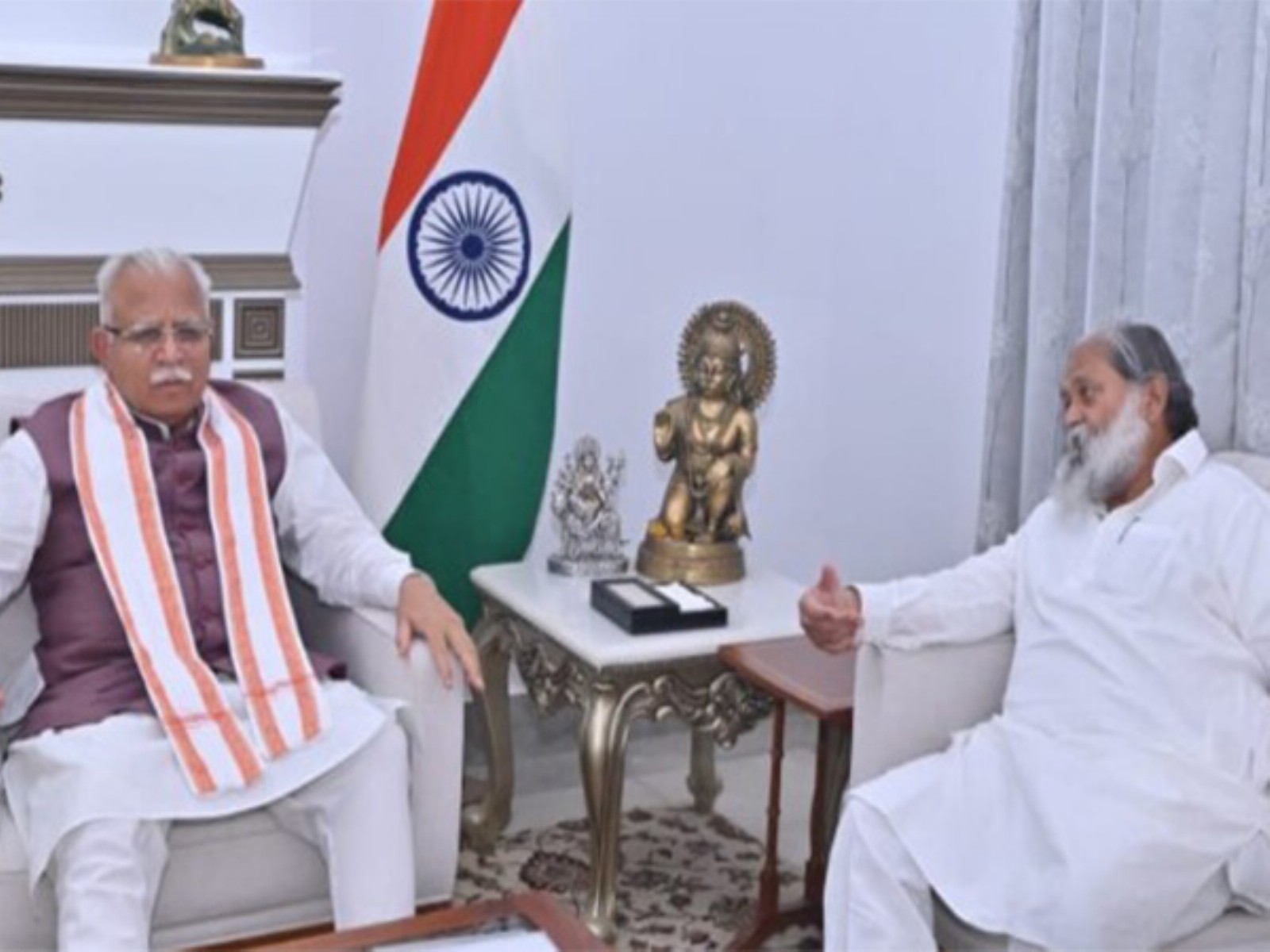
Chandigarh (Haryana) [India], June 2 : Union Power Minister Manohar Lal on Tuesday chaired a high-level review meeting at Haryana Niwas to assess the performance of the state's power utilities and various centrally sponsored schemes, emphasising that meeting growing electricity demand while reducing losses is the "need of the hour."
The meeting was also attended by Haryana Energy Minister Anil Vij.
Union Power Minister Manohar Lal said that meeting the growing electricity demand while reducing losses in the power sector is the need of the hour.
He emphasised that power utilities must adopt modern technologies and implement target-oriented schemes and projects to ensure an uninterrupted, high-quality, and reliable electricity supply to consumers, a release said.
He said that electricity is not only an essential public service but also an economic resource whose generation and distribution involve high costs. Therefore, strengthening and modernising the power distribution system is crucial.
The Union Minister was chairing a review meeting late last evening at Haryana Niwas, Chandigarh, to assess the performance of Haryana's power utilities and various centrally sponsored schemes. Haryana Energy Minister Anil Vij was also present at the meeting.
During the review, Manohar Lal stressed the importance of improving power supply systems, reducing technical and commercial losses, increasing revenue generation, and modernising the distribution network. He observed that Haryana has made significant progress in the power sector and should continue efforts toward achieving near-zero power losses. He directed officials to take effective measures to minimise the gap between electricity billing and actual power supplied.
Officials informed the meeting that the aggregate line losses of Haryana's power utilities, which stood at around 34 per cent in 2013-14, have declined substantially over the years. Expressing satisfaction over the improvement, the Union Minister instructed officials to accelerate reform measures further.
Reviewing the implementation of the prepaid metering system, Manohar Lal directed that it be introduced in a phased manner. He suggested that the first phase should cover government offices, government buildings, and residential premises of government employees. Subsequently, consumers with connected loads above 10 kilowatts and other consumer categories should be brought under the system. He instructed officials to initiate the process within the stipulated timeframe.
During the review of the Smart Metering Programme, the Union Minister said that rapid expansion of smart meters would enhance transparency and efficiency in the power sector while helping reduce losses.
On the occasion, Energy Minister Anil Vij said that all new electricity consumers in Haryana would be provided smart meters in the future. He added that smart meters are equipped with advanced technology and can be integrated with solar energy systems.
The Union Minister appreciated the success of the 'Mhara Gaon-Jagmag Gaon' scheme, describing it as a landmark initiative in improving rural power supply in Haryana. He informed that 6,117 villages in the state are currently receiving 24-hour electricity supply.
He said that earlier, only a limited number of villages enjoyed round-the-clock power, whereas Haryana is now among the leading states in ensuring electricity availability in rural areas.
The Minister also reviewed the works being undertaken under the Revamped Distribution Sector Scheme (RDSS) in Gurugram and Faridabad and directed officials to complete all pending projects within the prescribed timelines.
The meeting also reviewed the state's present and future electricity demand and availability. Officials informed that Haryana currently has over 16,552 MW of contracted power capacity. Of this, approximately 9,929.92 MW comes from thermal, nuclear, and gas-based sources, while 6,622.58 MW is sourced from hydro, solar, wind, biomass, and other renewable energy resources.
Officials further apprised that Haryana's peak electricity demand during the current year is expected to reach around 16,454 MW, which can be comfortably met with the available capacity. Looking ahead, the state's peak demand is projected to rise to approximately 19,481 MW by 2029-30, and long-term planning is already underway to meet future energy requirements.
The meeting also reviewed the PM Surya Ghar: Muft Bijli Yojana. Officials informed that Haryana has set a target of installing 2.20 lakh rooftop solar systems during the current year, of which nearly 86,000 systems have already been installed.
The Union Minister directed that special priority be given to small and middle-income consumers under the scheme so that a larger number of households can benefit from solar energy and reduce their electricity expenses. He emphasised that promoting clean energy is the need of the hour and that public participation is essential for its success.
The meeting also reviewed the PM-KUSUM Scheme and other major energy projects and programmes. Necessary directions were issued to ensure their effective implementation.