India-Bangladesh water talks to continue through Joint Rivers Commission, structured dialogue: MEA on Teesta Project
Aug 18, 2026
New Delhi [India], August 18 : India-Bangladesh discussions on the Teesta and other shared water issues will continue through the bilateral Joint Rivers Commission and established structured dialogue mechanisms, the Ministry of External Affairs said on Tuesday, while underlining that New Delhi's position on the Teesta River project has already been conveyed to Dhaka.
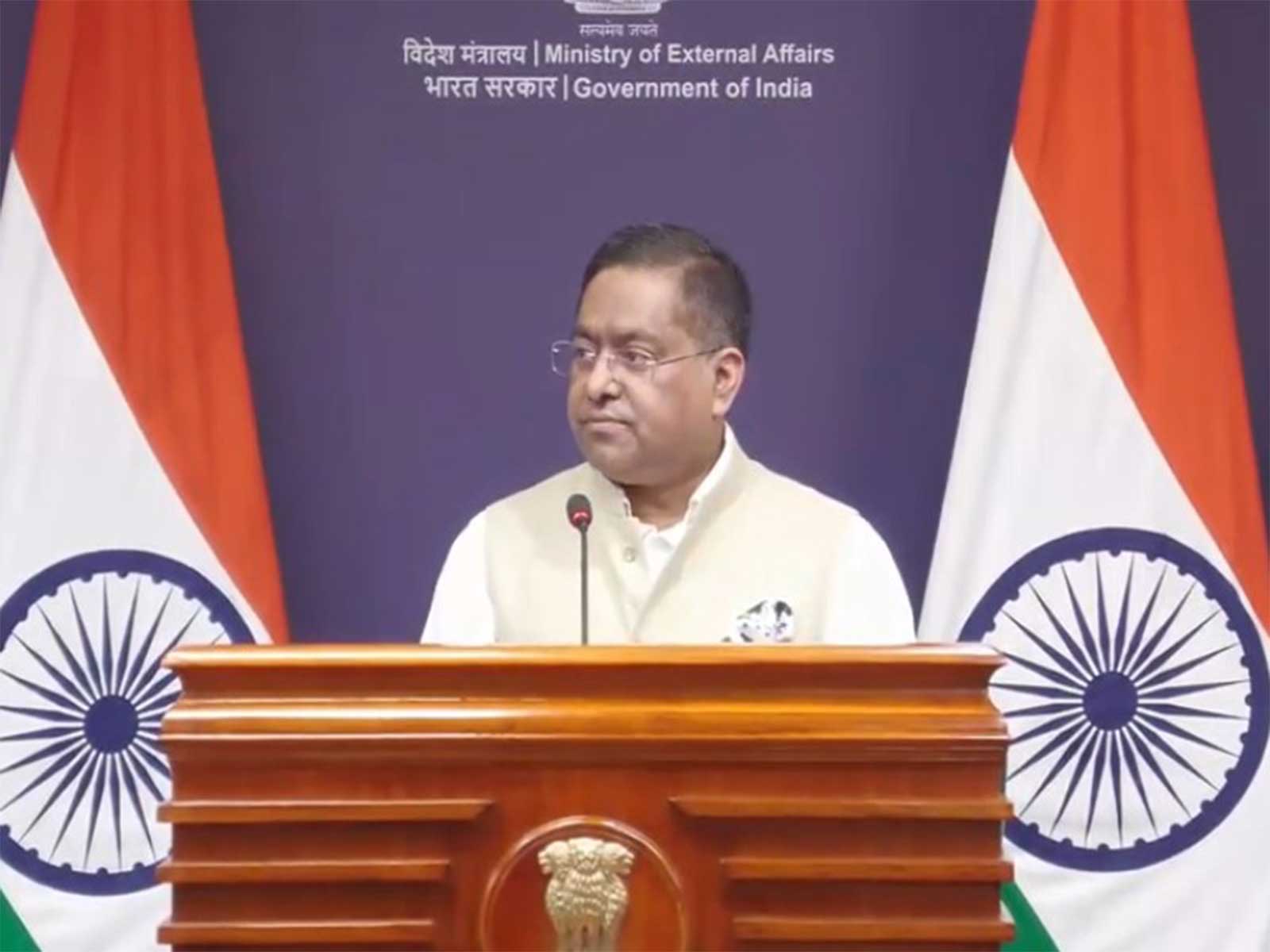
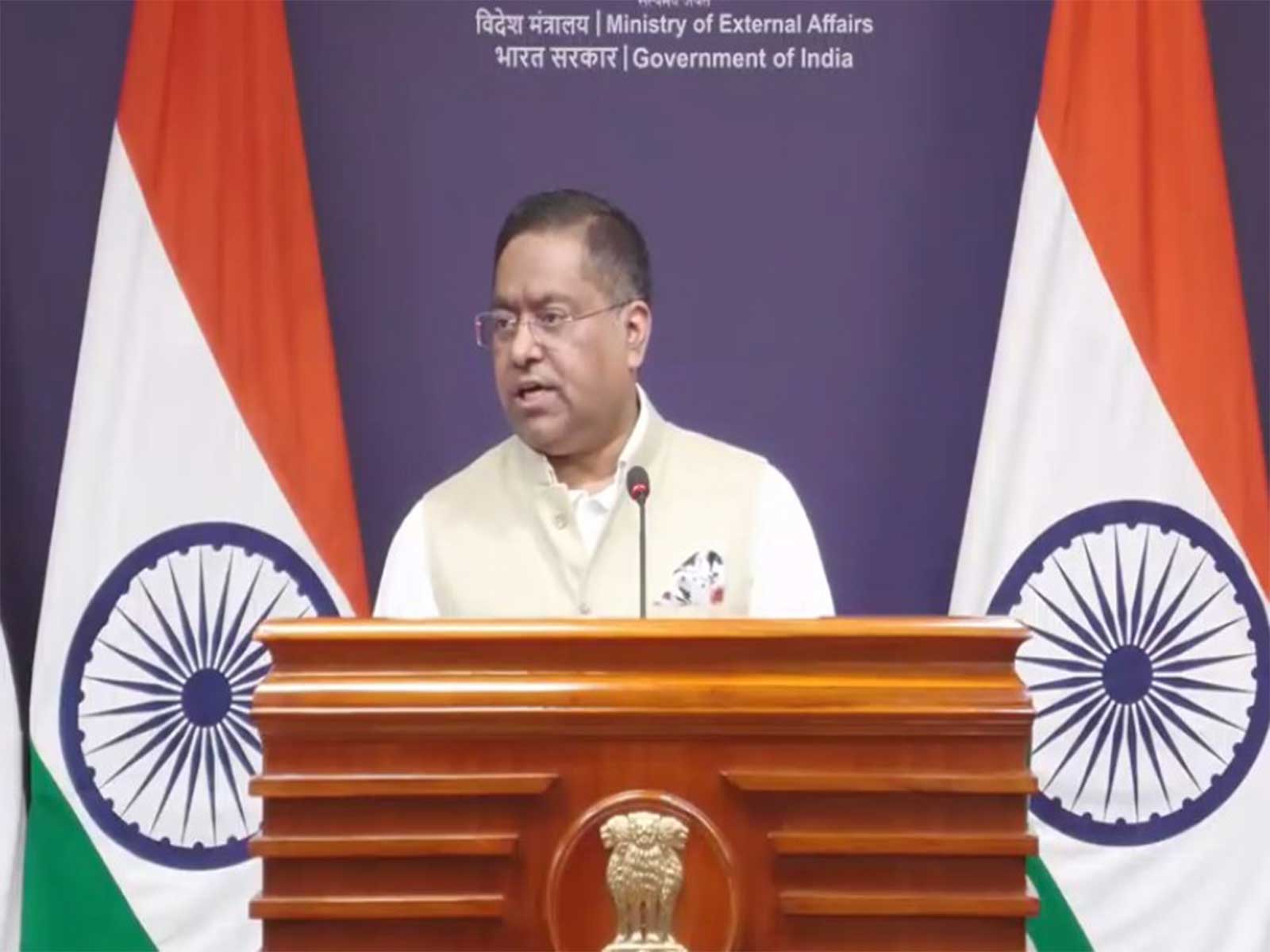
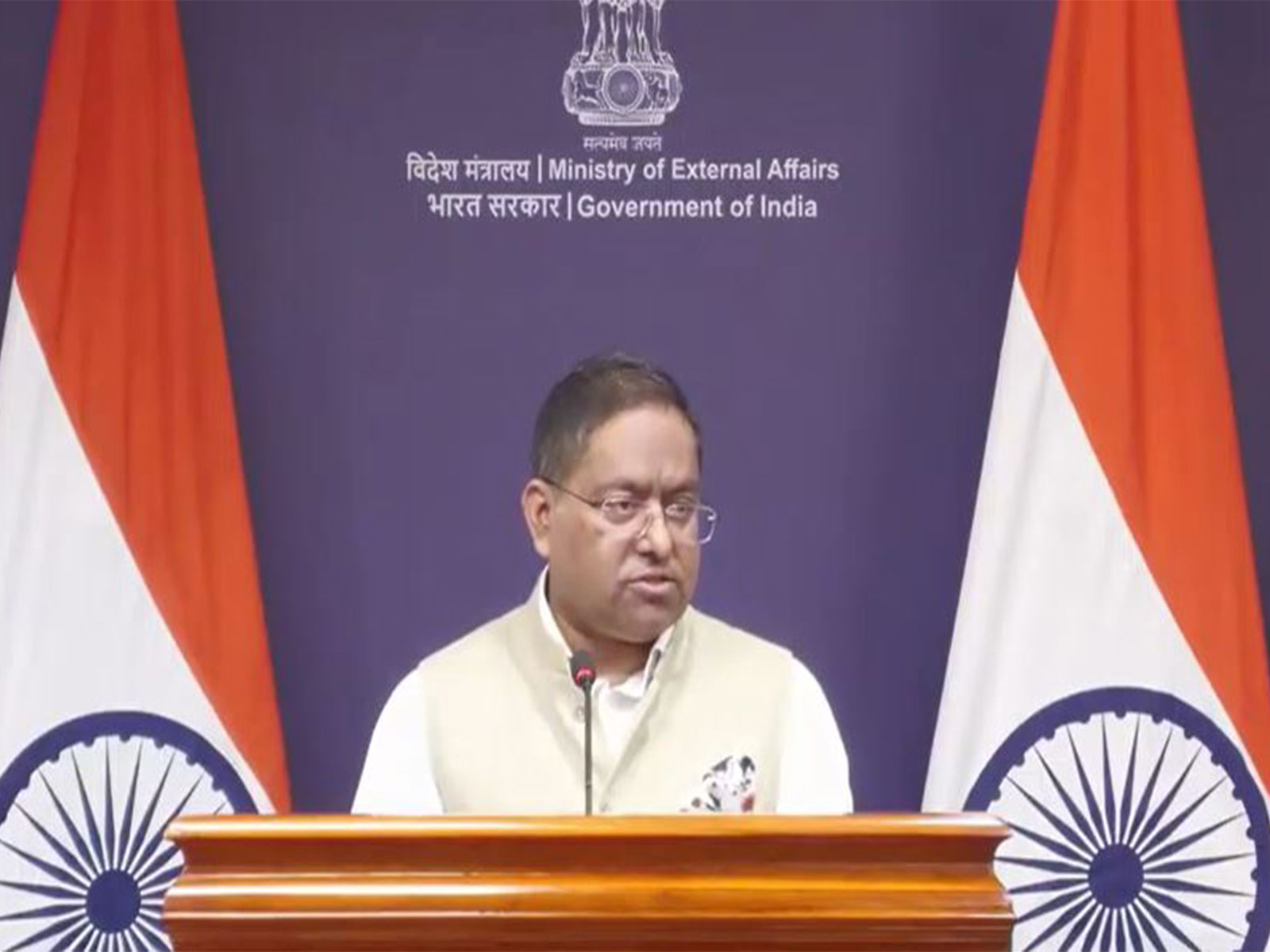
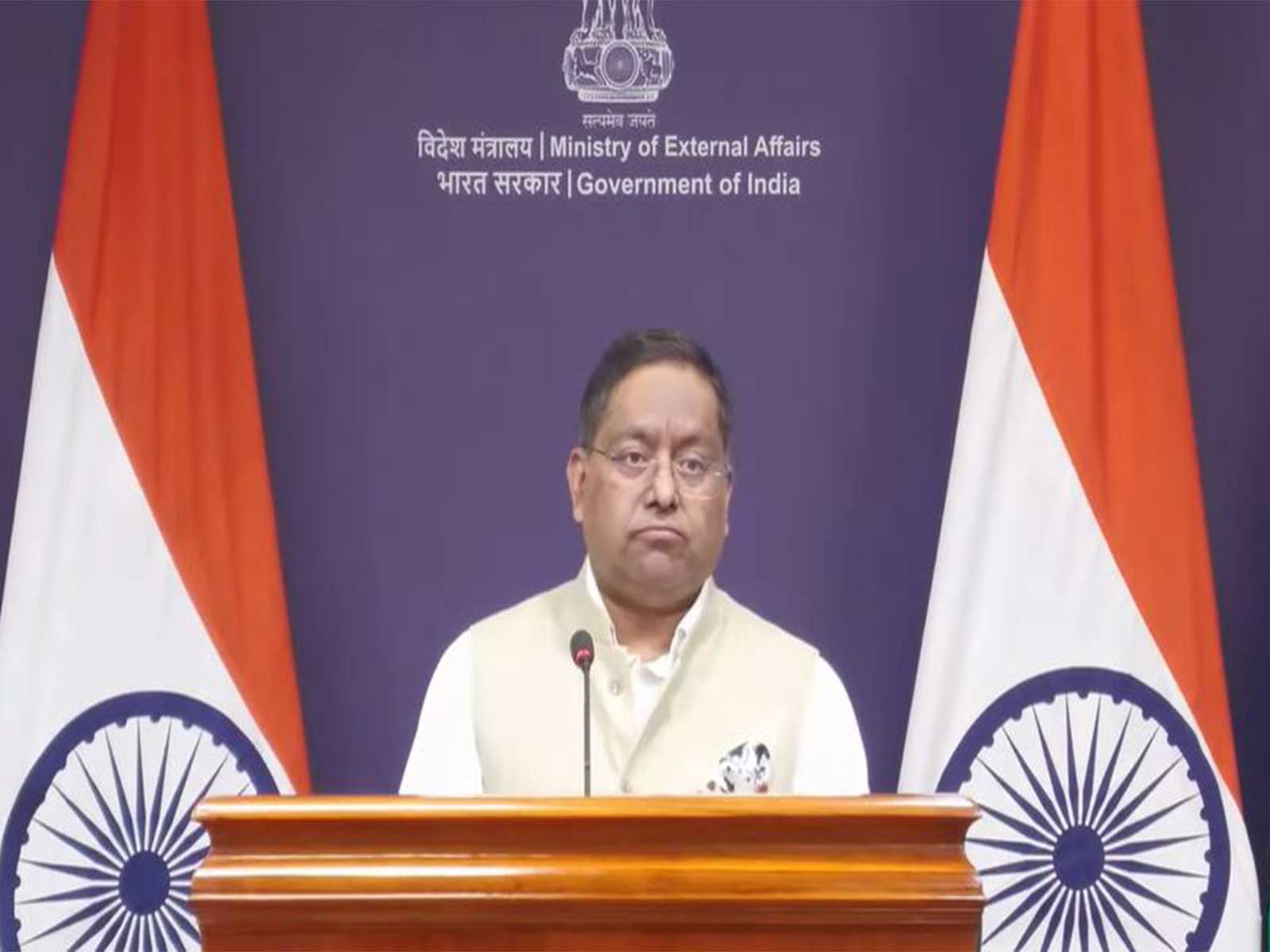
Addressing a biweekly media briefing, MEA spokesperson Randhir Jaiswal, responding to a question on Bangladesh's position on the Teesta issue, said that India and Bangladesh share 54 rivers and that water-related matters are addressed through established bilateral mechanisms.
"There are several rivers which are shared between Bangladesh and India. In fact, to be precise, to pinpoint the numbers, 54 rivers are shared between the two countries. And all water-related collaboration or discussions that have to happen between the two countries, they have to be done through the bilateral Joint Rivers Commission or Joint Rivers Commission that we have with Bangladesh, along with the structured dialogue mechanisms that are in place," Jaiswal said.
The Teesta has remained a longstanding issue between India and Bangladesh, involving both water-sharing and broader river management concerns. Bangladesh has sought a more equitable share of Teesta waters, while a comprehensive water-sharing agreement has remained pending, partly due to opposition from West Bengal over its own water requirements.
The two countries share 54 rivers, with the Ganga Water Treaty of 1996 governing dry-season water sharing at the Farakka Barrage. The Teesta issue has remained unresolved despite several rounds of bilateral engagement.
An agreement proposed in 2011 sought to allocate 42.5 per cent of Teesta waters to India and 37.5 per cent to Bangladesh, with the remaining share accounting for other considerations. The proposal, however, did not materialise amid opposition from West Bengal.
India has previously maintained that water-related matters with Bangladesh are discussed through structured bilateral mechanisms that meet periodically.
Last month, the MEA spokesperson speaking on India's position regarding the Teesta River Comprehensive Management and Restoration Project, said that New Delhi's views had already been communicated to Bangladesh.
"India's development assistance for projects in Bangladesh is based on a mutually agreed roadmap, which is regularly reviewed. Our views on the Teesta River project have been previously conveyed to the Bangladesh side. We will factor all related developments in our overall approach to the Teesta issue," Jaiswal said last month.
This remark came amid renewed attention on the Teesta project following Bangladesh Prime Minister Tarique Rahman's visit to China in June, during which he said Dhaka had secured Beijing's support for the initiative.
China has maintained that its proposed cooperation with Bangladesh on the Teesta project is not directed at any third country.
Chinese Foreign Ministry spokesperson Guo Jiakun, in June, said Beijing was prepared to support Bangladesh's Teesta River comprehensive treatment and rehabilitation project, describing it as a livelihood initiative of importance to Dhaka.
"The comprehensive treatment and rehabilitation of the Teesta River is a livelihood project the Bangladeshi side attaches high importance to. China is ready to do what it can to support this project," Guo said.
Responding to concerns over the geopolitical implications of Chinese involvement, Guo said, "I would like to stress that China-Bangladesh cooperation does not target any third party and should be free from third-party influence."
Separately, the MEA, today, said India is examining Bangladesh's request for an additional 8,000 litres of fuel, taking into account New Delhi's own requirements, refining capacity and fuel availability.
Responding to a question on whether a decision had been taken on Dhaka's request, Jaiswal said India has an ongoing energy cooperation framework with Bangladesh.
"As far as the additional request is concerned, we are examining this given our own requirements, given our refining capacity, and also the availability that is there on our side," he said.
On Bangladesh's request regarding pending infrastructure projects and whether Dhaka had approached New Delhi for their resumption, Jaiswal reiterated India's broader approach towards development cooperation with its neighbour.
"India desires positive, constructive and forward-looking relations with Bangladesh based on mutuality of interest and reciprocity," he said.
The comments come as India and Bangladesh continue to engage on water, energy and development cooperation while seeking to maintain established bilateral mechanisms for addressing areas of mutual concern.