India-EFTA trade pact completes one year, USD 100 bn investment commitment to support jobs, growth: Goyal
Oct 01, 2026
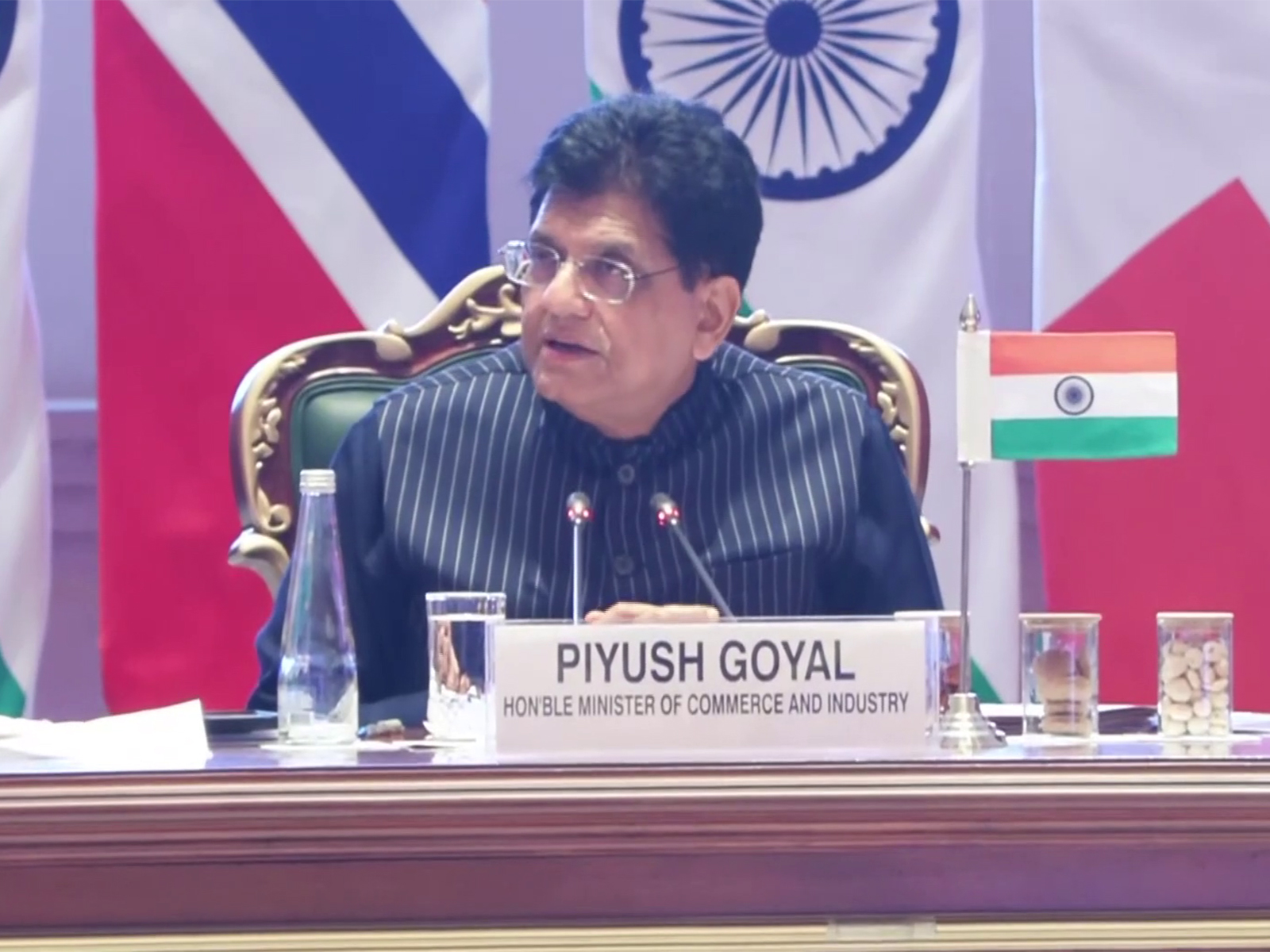
New Delhi [India], October 1 : The India-European Free Trade Association (EFTA) Trade and Economic Partnership Agreement (TEPA) has completed one year of implementation, with the pact providing wider market access for Indian exporters and EFTA nations committing to promote USD 100 billion in investments in India over the next 15 years, Union Minister of Commerce and Industry Piyush Goyal said on Wednesday.
In a social media post, Goyal said the agreement, which came into force on October 1, 2025, marked an important milestone in India's economic engagement with EFTA nations and was expected to help create 1 million direct jobs.
“This will support greater investment, strengthen our manufacturing and services sectors and contribute to sustainable economic growth,” Goyal said.
India and EFTA signed the TEPA on March 10, 2024. The agreement became effective on October 1, 2025, marking India's first free trade agreement with four developed European nations.
EFTA comprises Iceland, Liechtenstein, Norway and Switzerland. The intergovernmental organisation was established in 1960 to promote free trade and economic integration among its members.
Under the agreement, EFTA has committed to provide market access on 92.2 per cent of tariff lines covering 99.6 per cent of India's exports. This includes 100 per cent of non-agricultural products.
India, meanwhile, has covered 82.7 per cent of tariff lines, accounting for 95.3 per cent of EFTA's exports, while safeguarding sensitive sectors such as dairy, soya, coal and sensitive agricultural products.
Goyal said exports of motor cars and other motor vehicles, heavy waters and moulding patterns have grown significantly since the implementation of TEPA.
“This is just the beginning,” Goyal said, adding that the agreement was opening new avenues for Indian businesses across sectors and strengthening opportunities for exporters.
The agreement covers 14 chapters dealing with areas including market access for goods, rules of origin, trade facilitation, trade remedies, sanitary and phytosanitary measures, technical barriers to trade, investment promotion, services and intellectual property rights.
It also includes provisions covering trade and sustainable development and other legal and horizontal areas.
The pact is also aimed at expanding India's services exports through digital delivery, commercial presence, professional mobility and Mutual Recognition Agreements (MRAs) in fields such as nursing, accountancy and architecture.
The investment and employment commitment is a key feature of the agreement, with the pact targeting USD 100 billion in investments and 1 million direct jobs in India over 15 years.
The agreement is aimed at expanding market access, supporting manufacturing and innovation and strengthening cooperation in technology and sustainability.
The government has described TEPA as a significant trade partnership for India, with the agreement seeking to deepen economic ties with EFTA countries while creating opportunities for Indian businesses in goods and services.