India expresses hope for "peace and stability" in West Asia following US-Iran peace deal
Jun 18, 2026
Paris [France], June 18 : Foreign Secretary Vikram Misri on Thursday reiterated India's commitment to regional peace following the recent diplomatic breakthrough between the United States and Iran.
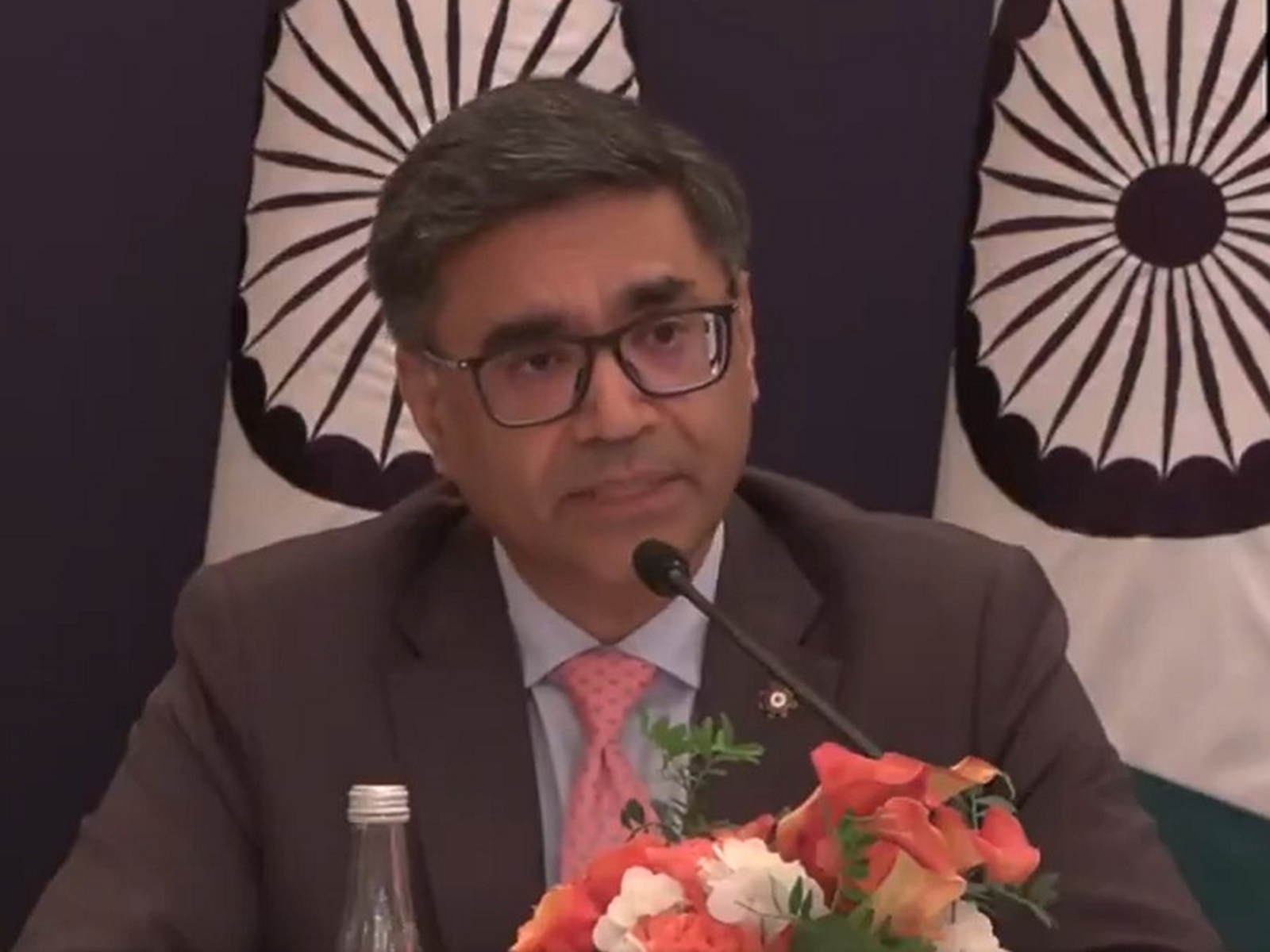
Briefing the press following the 52nd G7 Summit, the Foreign Secretary stated that India remains focused on the evolving situation in West Asia, which has been a primary subject of discussion during Prime Minister Narendra Modi's engagements with global leaders.
"Of course, the focus was on the situation in West Asia. In his meetings with his counterparts and also in his interventions at the G7, the Prime Minister expressed once again India's desire to see sustained peace and security in this region," Misri said.
The Foreign Secretary highlighted that India views the recent diplomatic understanding between Washington and Tehran as a critical step toward de-escalation.
"India welcomed the developments that have taken place through the understanding that has been reached between the United States and Iran and hopes to see a rapid return to peace and stability in this region," he added.
This comes as US President Donald Trump and Iranian President Masoud Pezeshkian have virtually signed a 14-point memorandum of understanding (MoU) aimed at ending hostilities between the two countries, reopening the Strait of Hormuz, and launching a 60-day process to negotiate a final agreement on sanctions and Iran's nuclear programme.
Citing a White House official, CNN reported that Trump personally signed the memorandum on Wednesday while meeting French President Emmanuel Macron in Paris. The agreement, which was also signed by Pezeshkian, immediately came into effect.
CNN reported that the United States released the official text of the "Islamabad Memorandum of Understanding between the United States of America and the Islamic Republic of Iran."
A senior US administration official described the agreement as a mechanism to immediately reopen the Strait of Hormuz, address Iran's stockpile of enriched uranium and create a framework for phased economic relief linked to Iranian compliance.
"This is fundamentally an agreement that allows us to open the Strait of Hormuz immediately, commit the Iranians to destroying the nuclear dust, and then gives us a dial where if the Iranians dial up their good behaviour, we respond by dialling up the kind of economic and sanctions relief that can make them a more prosperous country," the official was quoted by CNN as saying.
According to Press TV, Iranian Foreign Ministry spokesperson Esmaeil Baghaei confirmed that the text of the memorandum had been finalised and signed by both sides. He stated that consultations with Oman and other countries had been underway for some time and that arrangements for managing the Strait of Hormuz had largely been agreed upon.
Baghaei said safe maritime passage would be ensured while preserving "the sovereignty and authority of the Islamic Republic of Iran over the Strait of Hormuz."
The 14-point agreement includes an immediate and permanent cessation of military operations, including in Lebanon, and a pledge to conclude negotiations on a final deal within 60 days, extendable by mutual consent.
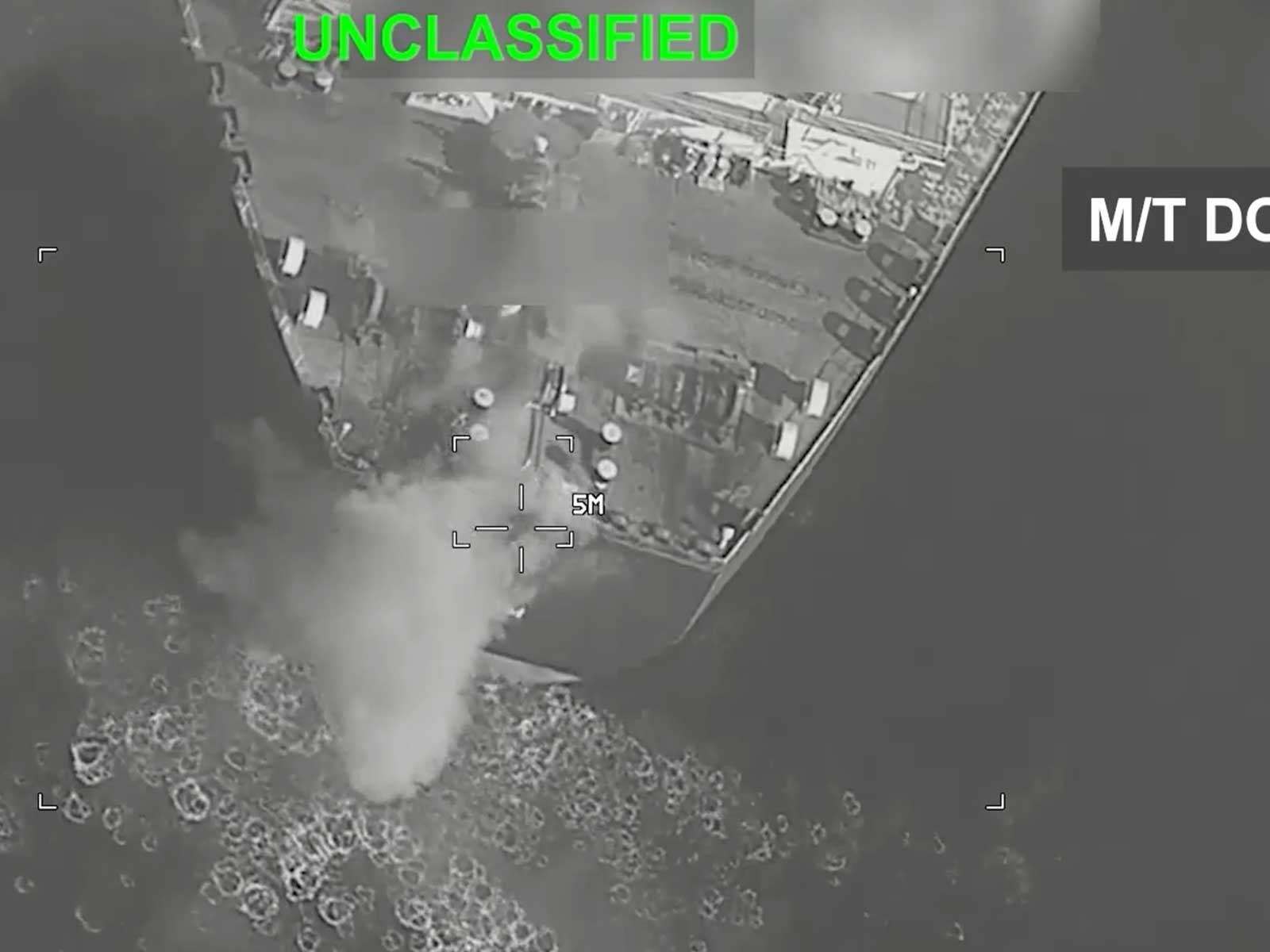
Under the memorandum, the United States will begin removing its naval blockade and related restrictions, while Iran will facilitate the safe passage of commercial vessels through the Strait of Hormuz free of charge for an initial 60-day period.
The document also outlines plans for the phased lifting of sanctions, the release of frozen Iranian assets, Treasury waivers for Iranian oil exports, and a US-backed reconstruction and economic development programme for Iran worth at least USD 300 billion.