India, Finland seek to scale circular economy solutions and deepen industrial cooperation
Sep 16, 2026
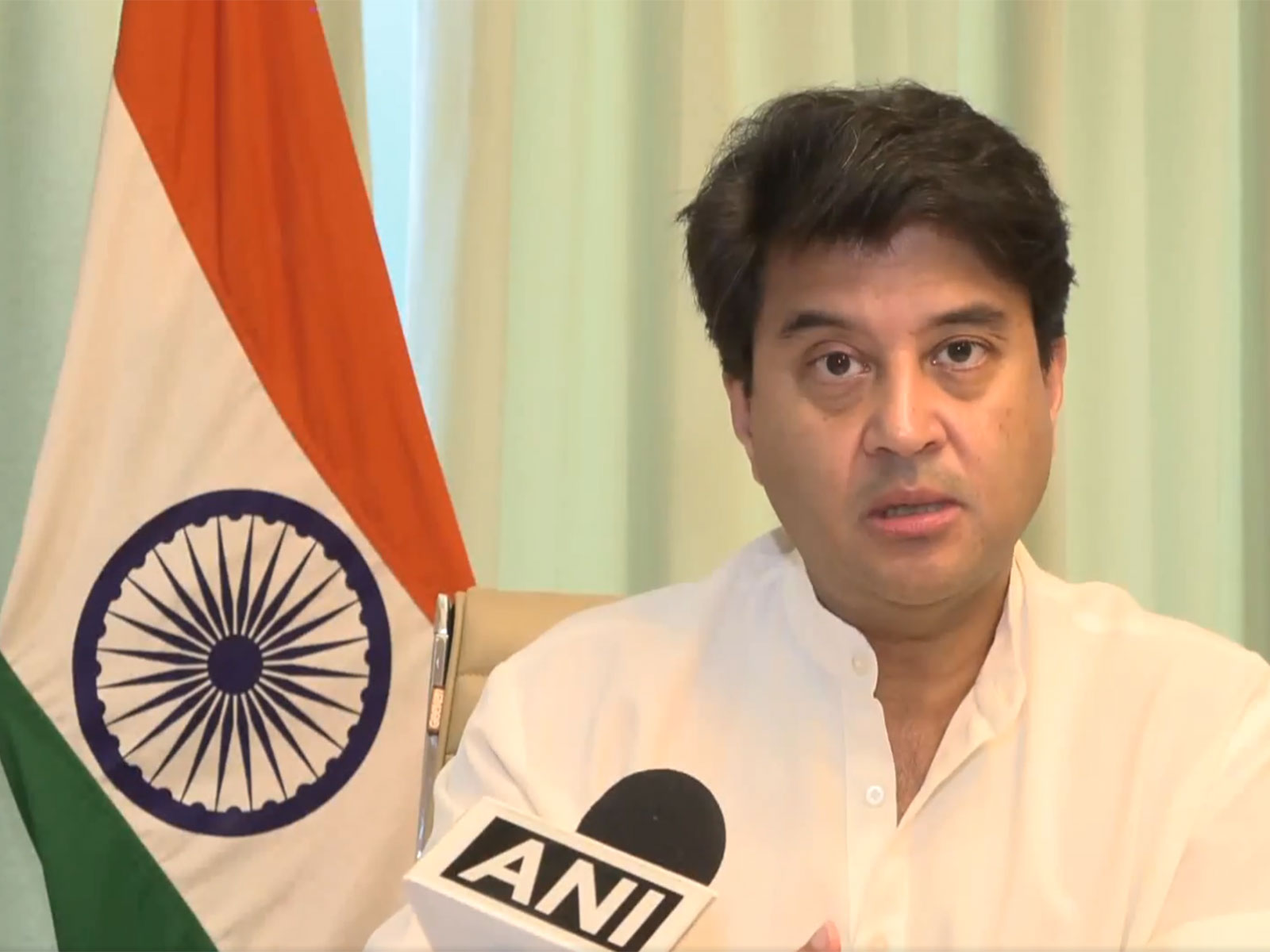
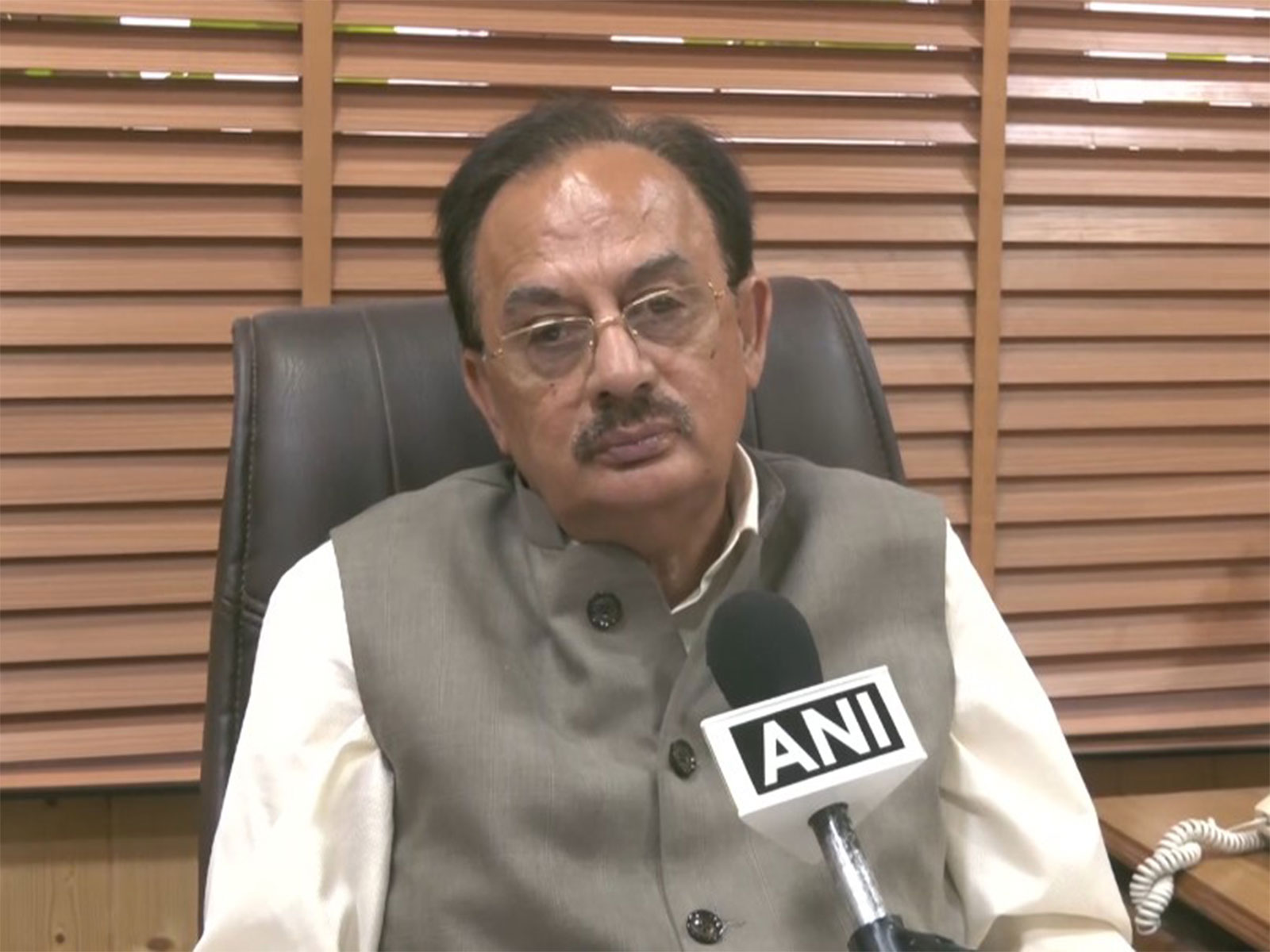
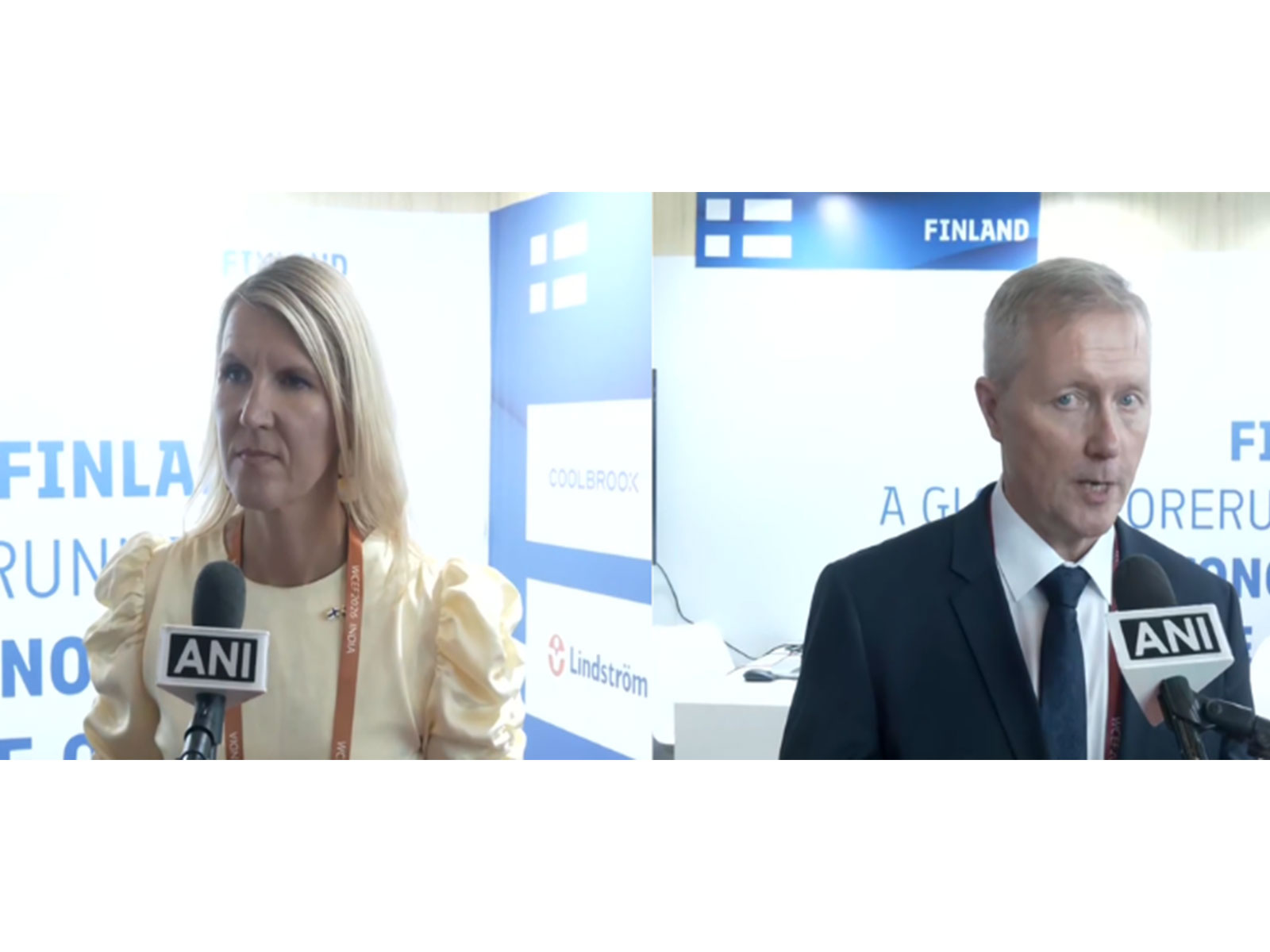
New Delhi [India], September 16 : Scaling circular economy solutions and aligning business practices with policy frameworks remain central to driving sustainable global growth, said Sari Multala, Minister of the Environment and Climate Change of Finland.
Speaking to ANI at the sidelines of the World Circular Economy Forum 2026, Sari Multala said on Wednesday that the discussions focused on cross-border business integration, energy resilience, and the formulation of coherent sector-wide roadmaps to advance industrial efficiency and resource sustainability.
Highlighting the potential for bilateral cooperation, Multala emphasized that practical enterprise models can flow between both nations.
"I think there are many companies here present and I think there can be practical solutions that Finnish companies can bring here to India or the other way around. Cooperation between companies, businesses, they can learn from each other and we can scale the circular economy solutions and make it also good business at the same time," Multala said.
She noted that Finland, being among the early adopters of a national circular framework, offers valuable operational insights for emerging markets.
"I think we are one of the first countries to have a road map for circular economy. I think there is a lot to learn from our experiences where there have been hiccups where we can go faster. And of course having the people here who are actually doing the work, the businesses, the companies together with governmental people we can outline policies together with what the business needs and make it also good business and for the better of the people," she added.
Turning to the geopolitical climate, Multala pointed out that global headwinds make clean transitions and domestic energy generation essential for economic stability.
"Under the current geopolitical volatility, we have to work together and we have to go faster there where we have the possibilities, no matter how difficult the situation is internationally. And I think nowadays energy security is even more important and self-sufficiency more important than previously and I think there we have a lot to learn from the Finnish example where we've been able to make the energy transformation to 95% fossil free electricity production still having the one of the lowest prices in Europe, combining with homegrown energy. So energy security, competitiveness and also security at the same time," Multala said.
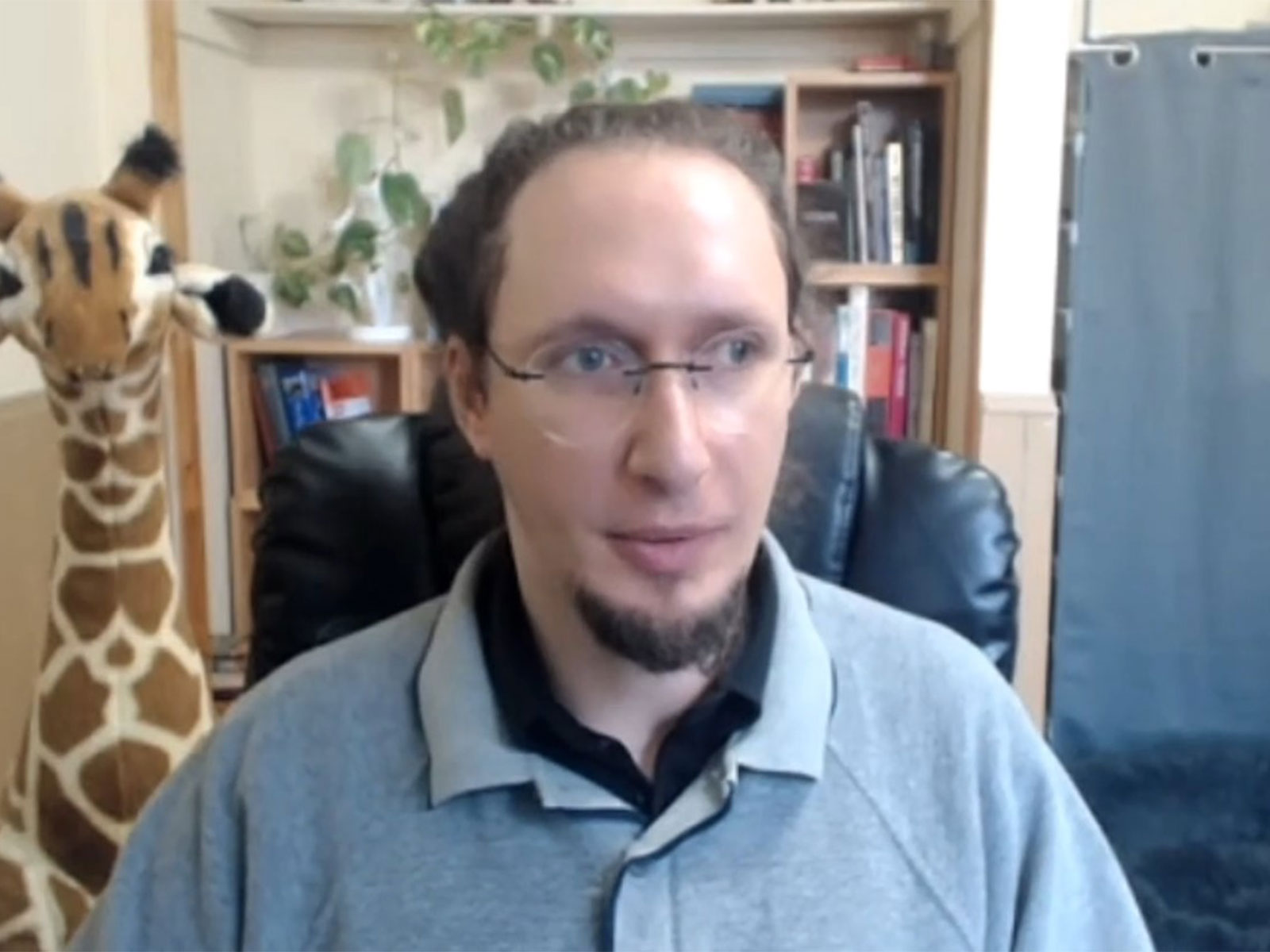
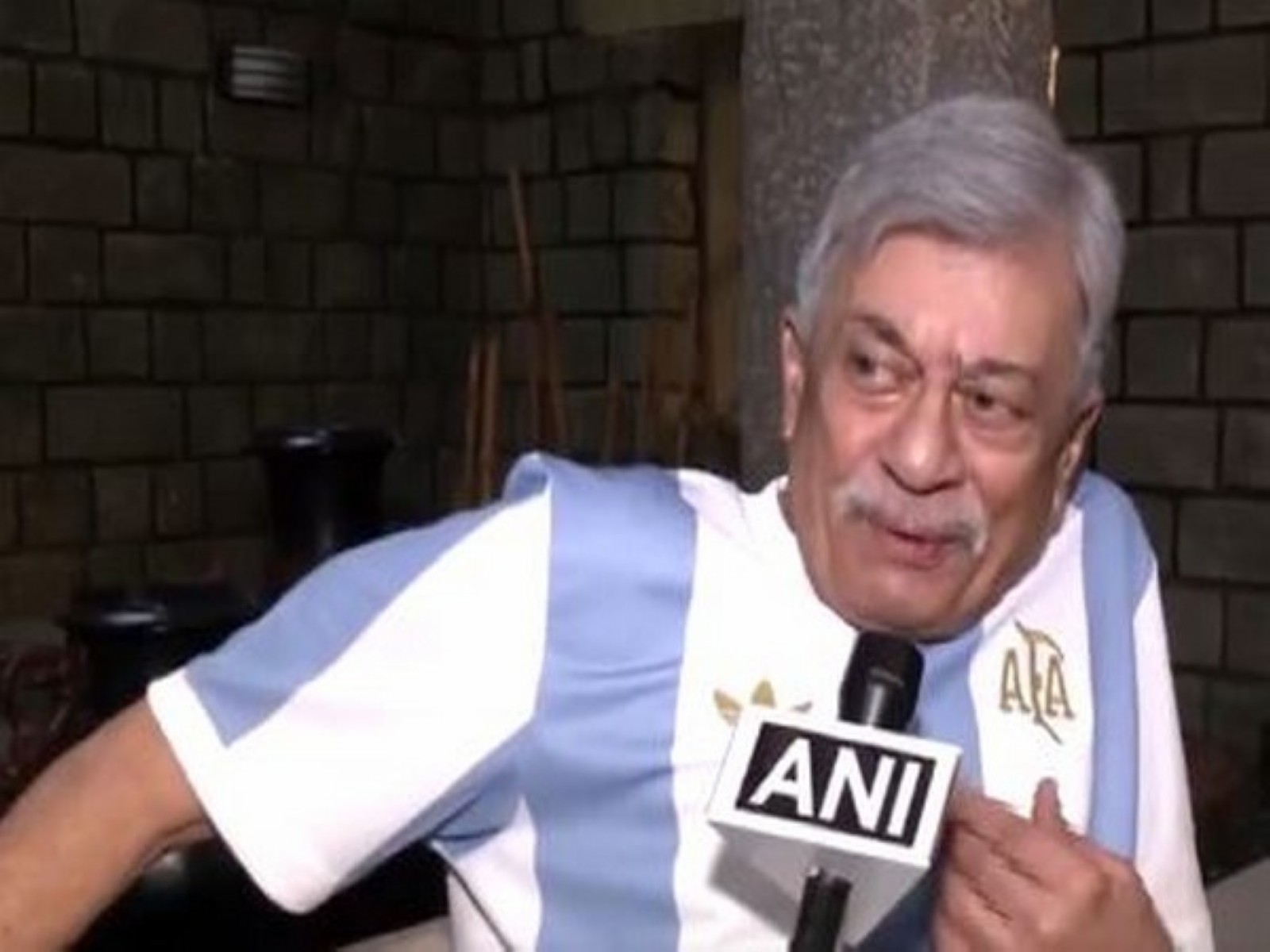
Echoing these views, Mika Sulkinoja, World Circular Economy Forum Coordinator, highlighted the sustained engagement between global stakeholders and Indian institutions over the past two years, which began in April 2024 following an official visit by NITI Aayog to the Brussels forum.
Sulkinoja noted that Indian industries and policymakers have already implemented several sectoral strategies, creating fertile ground for long-term circular roadmaps.
"I truly hope that we are able to somehow facilitate the transition to a circular economy here in India. I've learned that there are already sectoral plans which are already there. The industries are speaking the same circular economy language as we are. What needs to be done perhaps in the future is to bring these sectors together and make a coherent plan for India for the future related to the circular economy. And that is clearly in the making," Sulkinoja said.
Characterizing India as an economic powerhouse, Sulkinoja observed that India's trajectory has significant implications for global trade and sustainability targets.
"India is naturally an economic powerhouse, rapidly growing economy and seeking solutions to do its businesses in an efficient manner. It is a very important player in world economics as well. So what happens here in India makes a difference for the whole global community in terms of business and sustainability as well. And there's a lot of things, a lot of opportunities for the whole world if we work together, especially for Finland being a foreign country, a small nation. I do think that there are solutions which could be deployed and scaled up together with India," he said.
Sulkinoja identified key domains for potential joint action, including digitalization, enhanced recycling systems, and process optimization across traditional sectors such as the chemical and forestry industries, where Finnish expertise can complement Indian industrial capabilities.