Indian oil firms need to be more acquisitive overseas to strengthen energy security: Executive Director, Upstream Energy, S&P Global
Jun 23, 2026
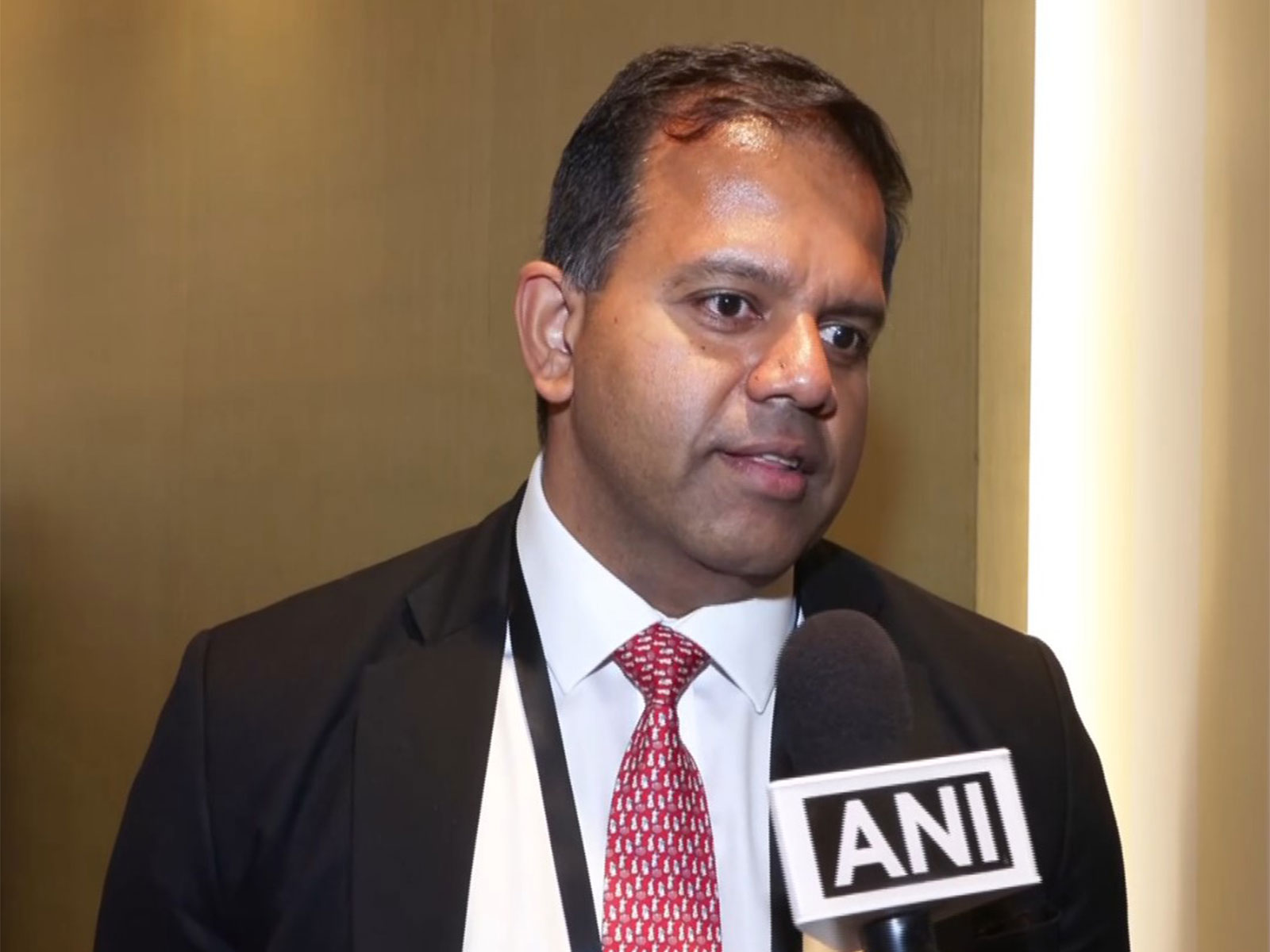
New Delhi [India], June 23 : India's national oil companies need to step up acquisitions of overseas oil and gas assets to strengthen the country's long-term energy security amid rising demand and a widening gap between domestic production and consumption, according to Nick Sharma, Executive Director, Upstream Energy at S&P Global.
Speaking to ANI on Tuesday, Sharma said recent geopolitical developments have once again highlighted the importance of securing energy resources beyond domestic borders.
He noted that India faces a growing imbalance on the upstream energy side and said the country needs a two-pronged strategy of attracting more investment into domestic exploration while also expanding the international presence of its state-owned oil companies.
"Security is a bit of a predicament, particularly on the upstream side where there's a big growing imbalance. I think for India coming out of the current crisis, it's very important that they look at how do they strengthen investment into the country, but more importantly, how do the national oil companies go overseas and be a bit more acquisitive to kind of help push that gap," Sharma said.
According to him, import diversification and energy security cannot rely only on domestic efforts.
He said India's national oil companies such as IOC and ONGC have seen limited overseas growth over the last decade, even as the country's energy demand has continued to rise.
"I think for the national oil companies, the last decade, we've seen very little growth from the IOC, ONGC to go overseas. I think these recent events have really brought back the security angle," Sharma stated.
He added that national oil companies across Asia are increasingly recognising the need to diversify their resource base through international acquisitions.
"Most national oil companies, whether from India or Southeast Asia, they're all realizing, look, buffer our bases a little bit and part of that story is to be a bit more internationally acquisitive, buy out some more assets and opportunities," he said.
Sharma argued that acquiring overseas resources would help India manage its growing demand-supply gap. Referring to India's dependence on imported crude, he said the country faces a "5 million barrel per day gap on oil" and that international acquisitions should become a major focus area.
"When you look at India's 5 million barrel per day gap on oil and the continuing growth of the Indian economy, the oil story can't be avoided. You need to be more internationally acquiring assets. And that has to be quite a broad-based and a pretty strong effort for the Indian national oil companies," he said.
On building inventories, Sharma said stockpiling comes with significant costs and that securing overseas oil and gas resources could be a more sustainable approach to improving energy security.
He added that one of the biggest challenges facing the sector is a reduction in global exploration spending compared to a decade ago, making it harder to attract companies into high-risk frontier basins despite India's strong long-term demand outlook.
According to Sharma, continued exploration success in deepwater and ultra-deepwater regions could eventually encourage greater participation from global energy companies and help strengthen India's domestic energy production over time.