Iran's FM Araghchi says "waiting for definitive opinions" from mediators on 7-day ceasefire proposal to US
Sep 27, 2026
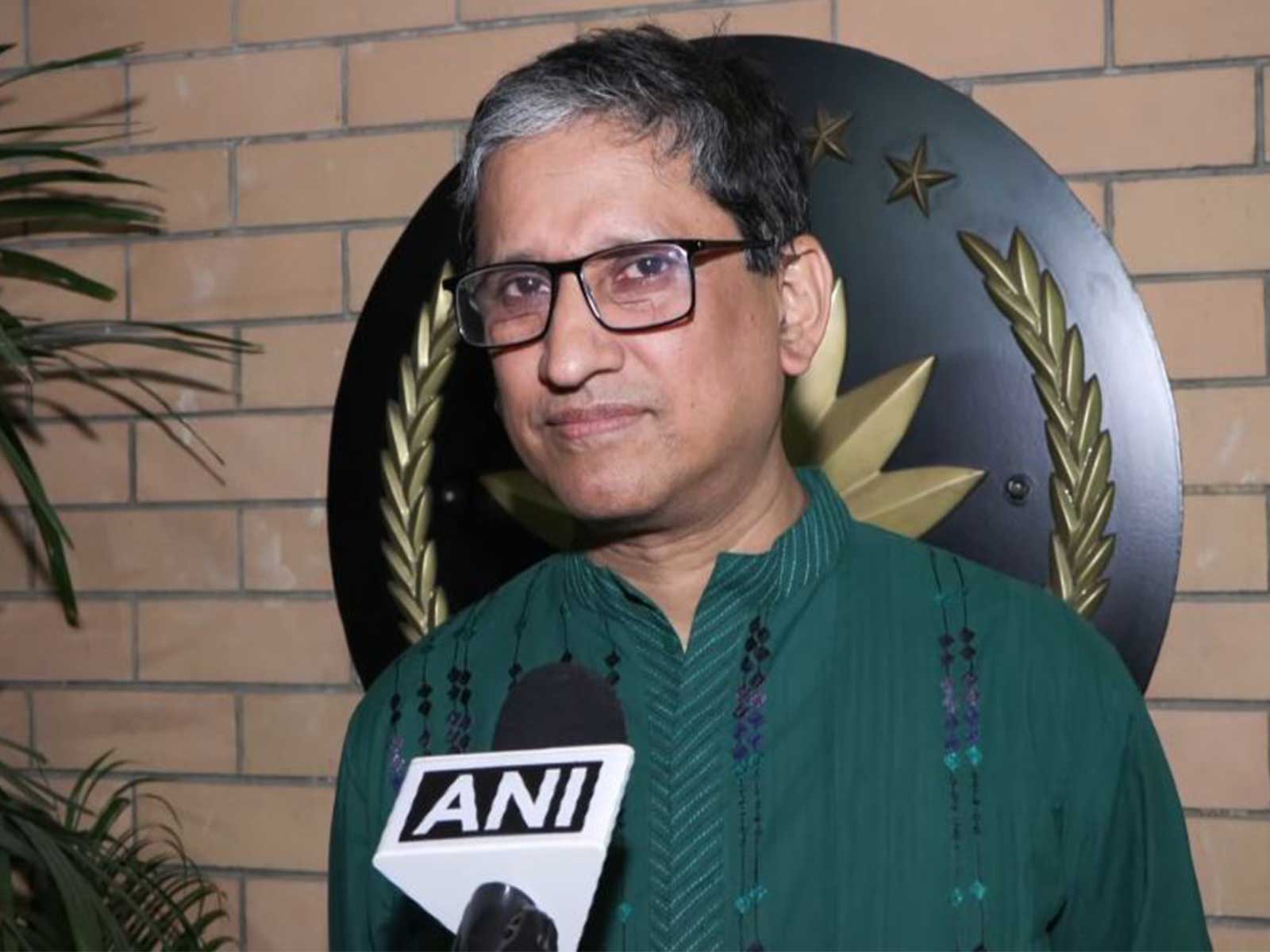
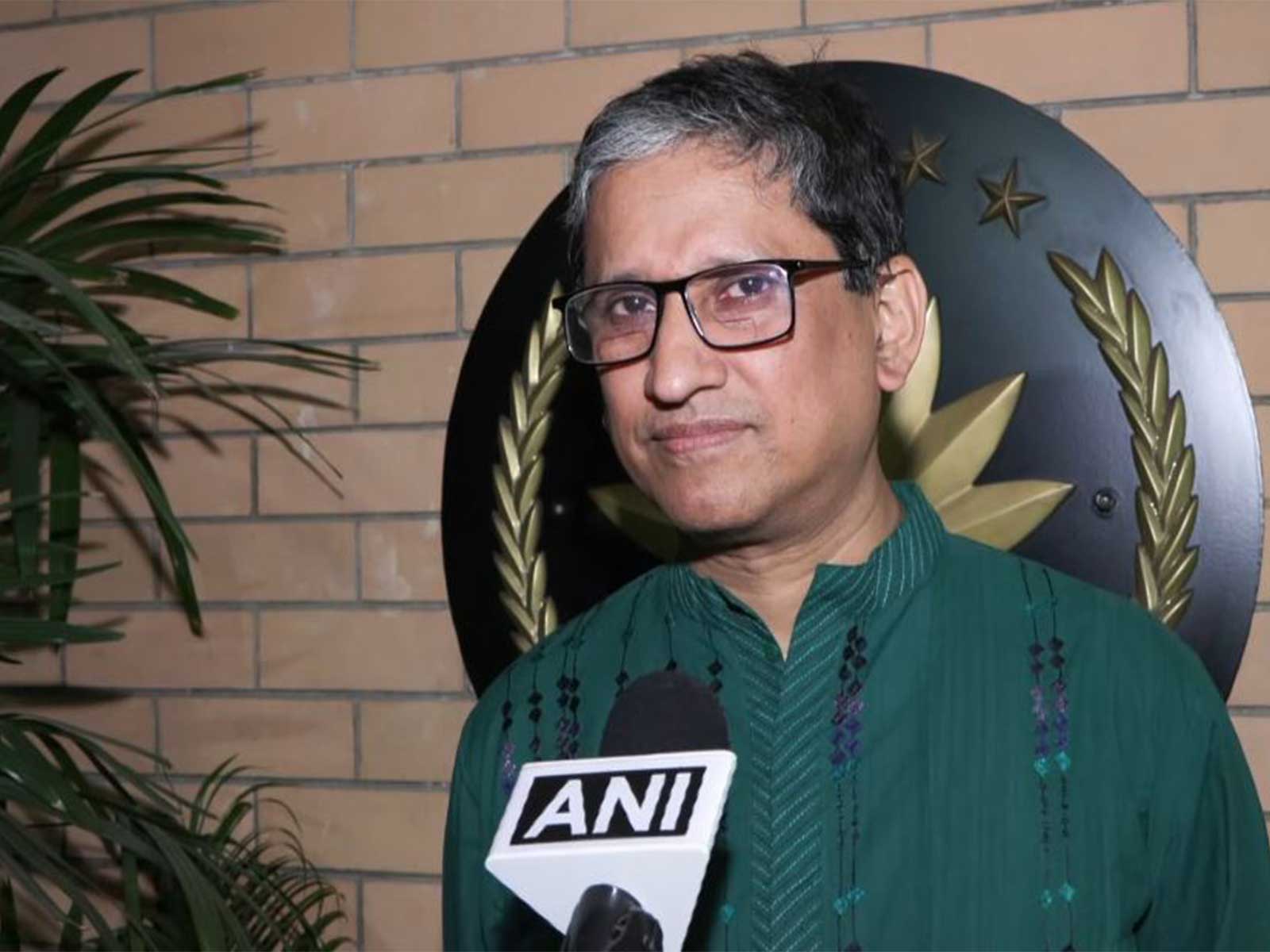
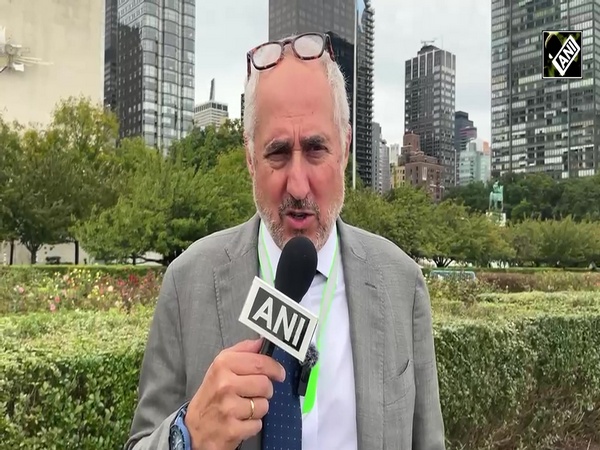
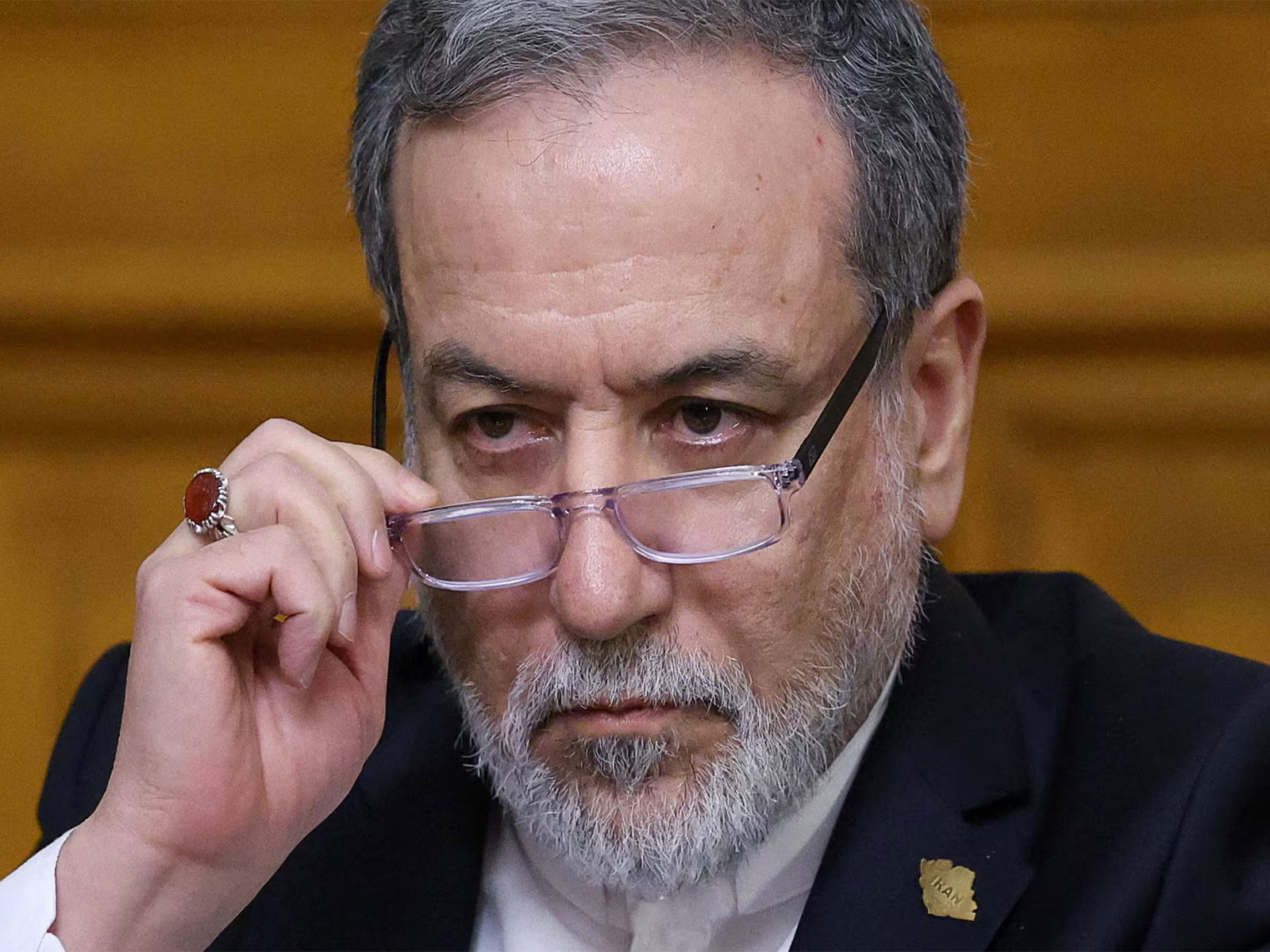
New York [US], September 27 : Iranian Foreign Minister Seyyed Abbas Araghchi on Saturday (local time) said that Tehran had witnessed the first reaction from the US President on its proposal but was waiting for mediators to convey the "definitive opinions" before making a decision.
Speaking to Islamic Republic of Iran Broadcasting (IRIB) and Islamic Republic News Agency (IRNA) reporters on the sidelines of the UN General Assembly, Araghchi said that Iran had presented its plans during meetings and that they were conveyed to the American side through intermediaries.
"The plans we presented were reviewed, explained, and discussed in meetings. They were also conveyed to the American side by intermediaries," he said, according to his official Telegram Channel.
"We have seen the first reaction from the US President, but nothing has been conveyed to us from the mediators yet. Of course, the US President has made many good and also contradictory statements, which unfortunately are heard a lot from him. We are waiting for the definitive opinions to be conveyed to us by the mediators, and we will make a decision based on that," he added.
On the Strait of Hormuz, Araghchi said that Iran's conditions for opening the waterway and advancing negotiations had been set by the Supreme National Security Council and were conveyed during meetings with mediators.
"In all of these meetings, our main line was to state the conditions of the Islamic Republic of Iran for the opening of the Strait of Hormuz and for the progress of the negotiations; conditions that have been set by the Supreme National Security Council," he said.
"We were obliged to explain and present these conditions here and defend them. Alhamdulillah, this was done formally in all the meetings we had. In the meetings we had with the mediators, these conditions were fully conveyed, explained and elaborated, and they also conveyed these matters to the American side," he added.
Araghchi, in a statement on Telegram, said that Iran had defended its positions, policies, and conditions during the meetings and presented various plans for a diplomatic path.
"We defended our positions, our policies, and the conditions we had set in all meetings, and the whole world, the fair countries of the world, became aware of the fact that the Islamic Republic of Iran, just as it has defended its own country well, has always appeared strong in the field of diplomacy, and especially by presenting various plans and determining a diplomatic path, it has been able to direct the diplomatic atmosphere in its favour," he said.
He reiterated that Iran's conditions for opening the Strait of Hormuz remained unchanged.
"In any case, our conditions are clear, and any move forward to open the Strait of Hormuz is contingent on the fulfilment of these conditions, and we will not back down from them," he said.
Araghchi said that Iran continued to support a negotiated solution while maintaining what it considers the rights and legitimate demands of the Iranian people.
He said, "Our enemies have tried every path they could, but they have not succeeded. There will be no other path than a negotiated solution based on honour and justice, ensuring the rights of the Iranian people and meeting their legitimate demands."
"Only a negotiated solution can get them out of this impasse. This is our position. Many countries share our position and understand it," he added.
He said that Iran had not closed the path of diplomacy but had not renounced its rights either.
"There is no one in the world now who can accuse the Islamic Republic of Iran of not having tried the path of diplomacy. We are in a superior political position because we have never closed the path of diplomacy and negotiations, but we have never renounced our rights either," he said.
"Whenever our enemies chose another path, we stood firm against them on that path as well," he added.
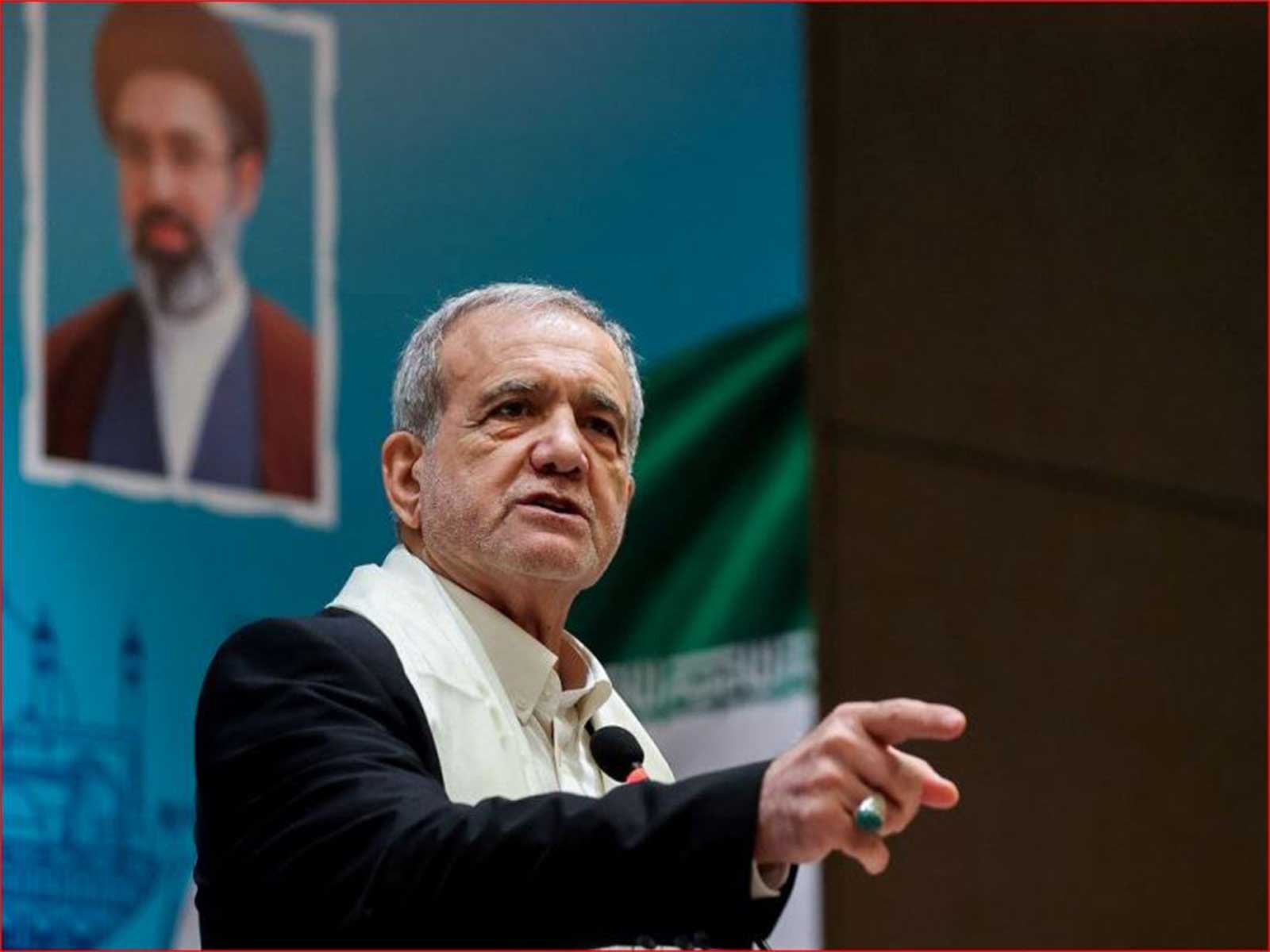
Araghchi also said that Iran's presence at this year's forum had been active, with the Iranian President Pezeshkian hosting numerous meetings and interviews on the sidelines of the 81st UNGA High Level Week.
He said, "Our presence at this year's forum was very dynamic. The President left and returned this morning, but his presence was very active; numerous meetings, numerous interviews, and that very powerful speech he gave at the forum. Alongside him, I also had numerous meetings that you must have followed in the news. In all of these meetings, our main line was to state the conditions of the Islamic Republic of Iran for the opening of the Strait of Hormuz and for the progress of the negotiations; conditions that have been set by the Supreme National Security Council."
Araghchi also said that the outlook for the Iranian people is bright.
He added, "The outlook for the Iranian people is bright. The Iranian people have demonstrated their strength in the military, diplomatic, economic, and counter-sanctions arenas."
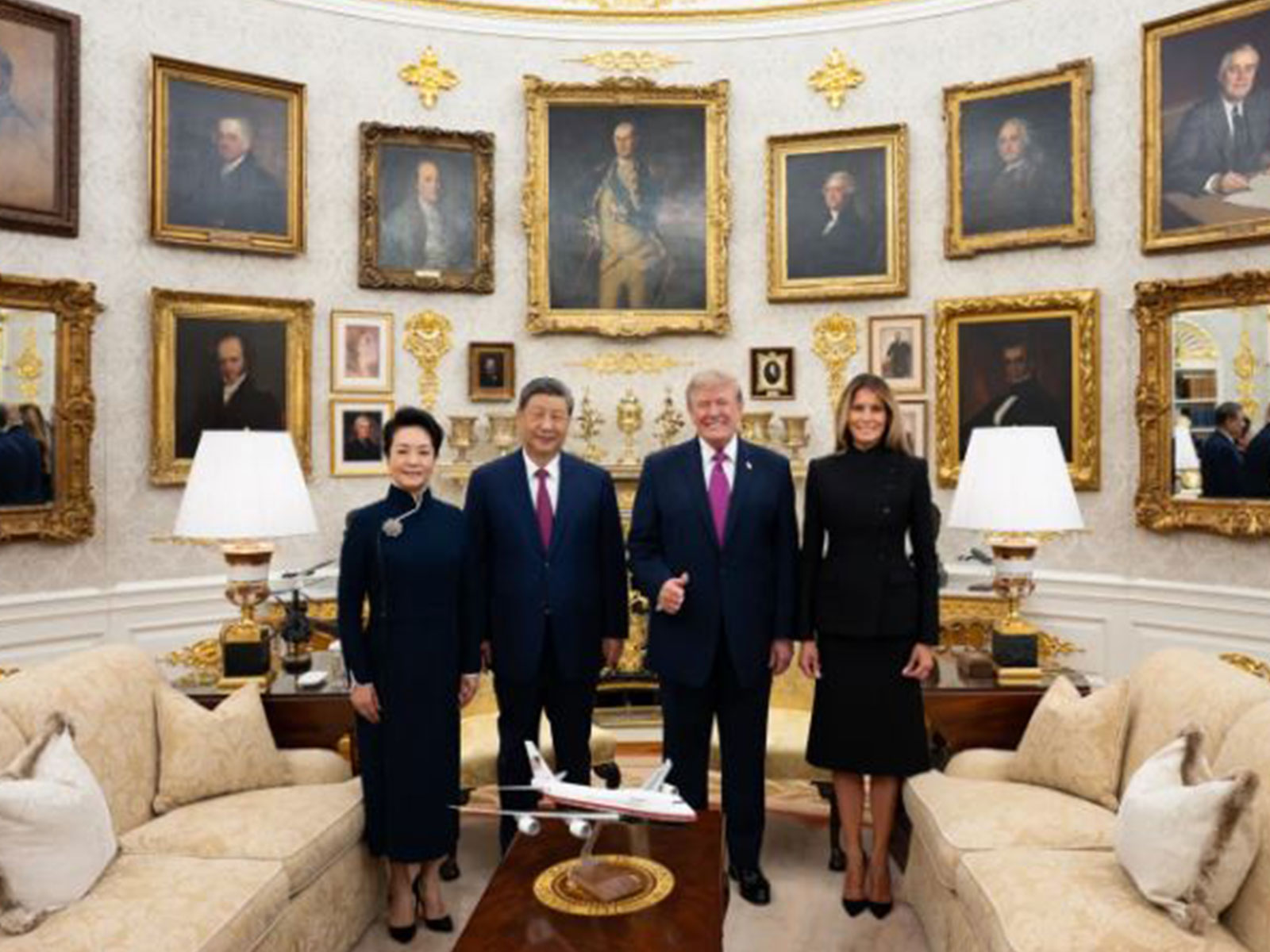
His remarks come as Iranian President Masoud Pezeshkian said that Iran will remain resolute and not retreat in the face of the United States and Israel, as US President Donald Trump rejected Iran’s proposal for a seven-day ceasefire and reopening of the Strait of Hormuz.
Addressing people who had gathered at the airport to welcome him after his return from the United Nations General Assembly in New York, Pezeshkian said, “We stand firm with strength, we are at the service of our people, we will stand until our last breath, and we promise that as long as we have life in our bodies, we will be honest servants to the people; you have put us to shame, I do not consider myself worthy of your presence, I am your servant.”
US President Trump had rejected Iran’s proposal for a seven-day ceasefire.
Speaking to reporters on Saturday (local time), Trump forcefully stated, “I reject this agreement. They want an agreement to be made under which the Strait of Hormuz is immediately opened, because they are severely failing,” he added.
“They want an agreement to be made under which the Strait of Hormuz is immediately opened, because they are severely failing,” he added.
With the Iranians holding firm in the face of Trump's threat of annihilation and him rejection of the peace overture, the heat in West Asia is likely to get more intense once the US mid-term elections get done and dusted.