Japan, Australia pivot to "resilient" supply chains to counter China, Middle East volatility
May 04, 2026
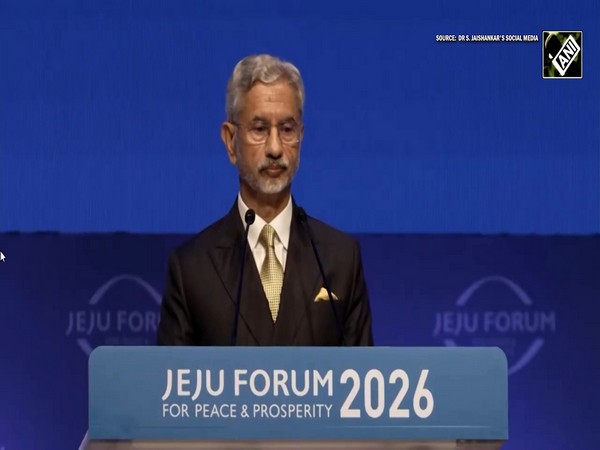
Canberra [Australia], May 4 : In a strategic move to counter China's grip on global resources, the leaders of Japan and Australia on Monday pledged to intensify their partnership to secure consistent supplies of energy and critical minerals.
According to Kyodo News, the agreement comes as the ongoing Middle Eastern conflict and Beijing's dominance in the rare earth sector pose significant risks to economic stability.
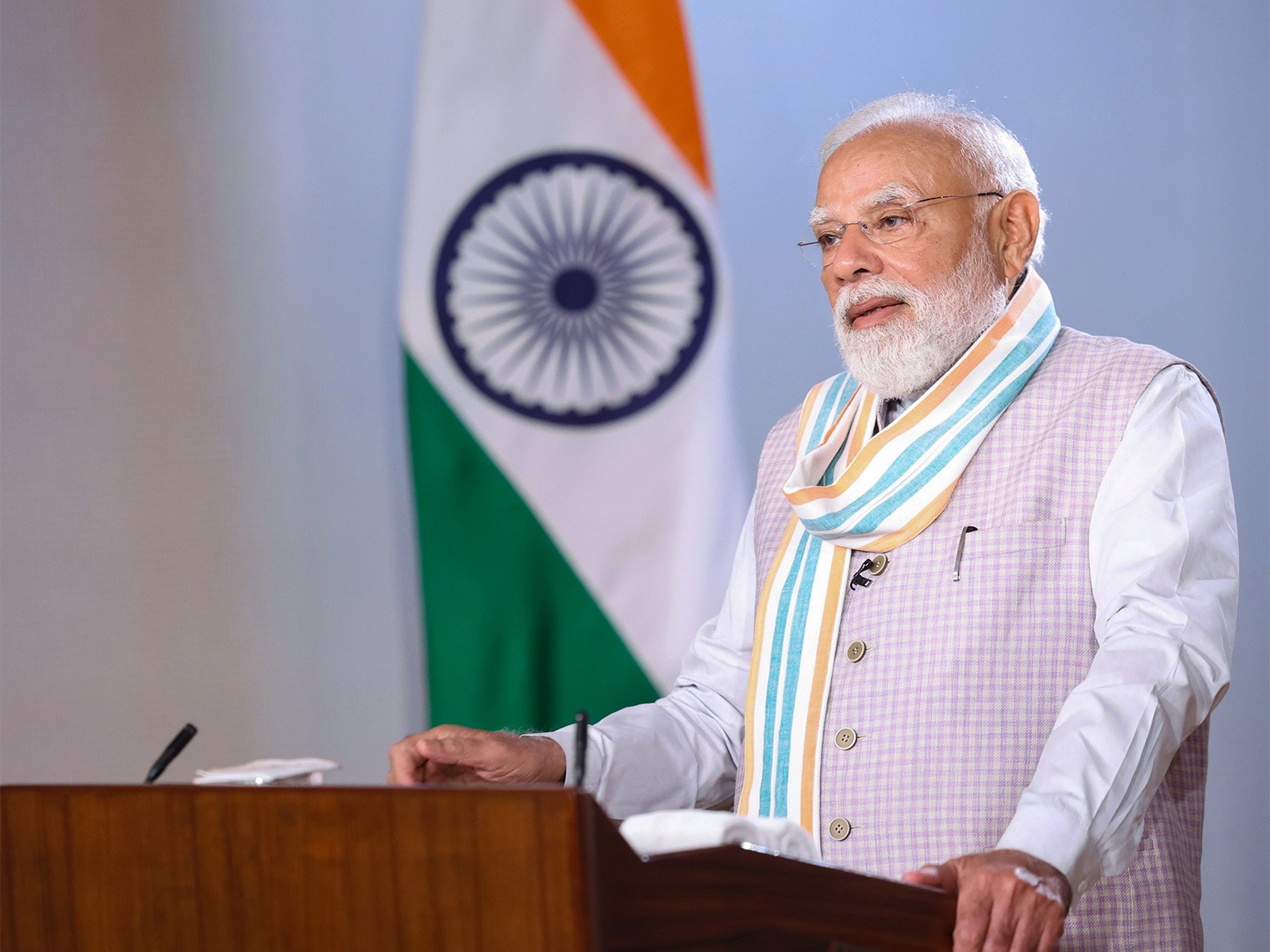
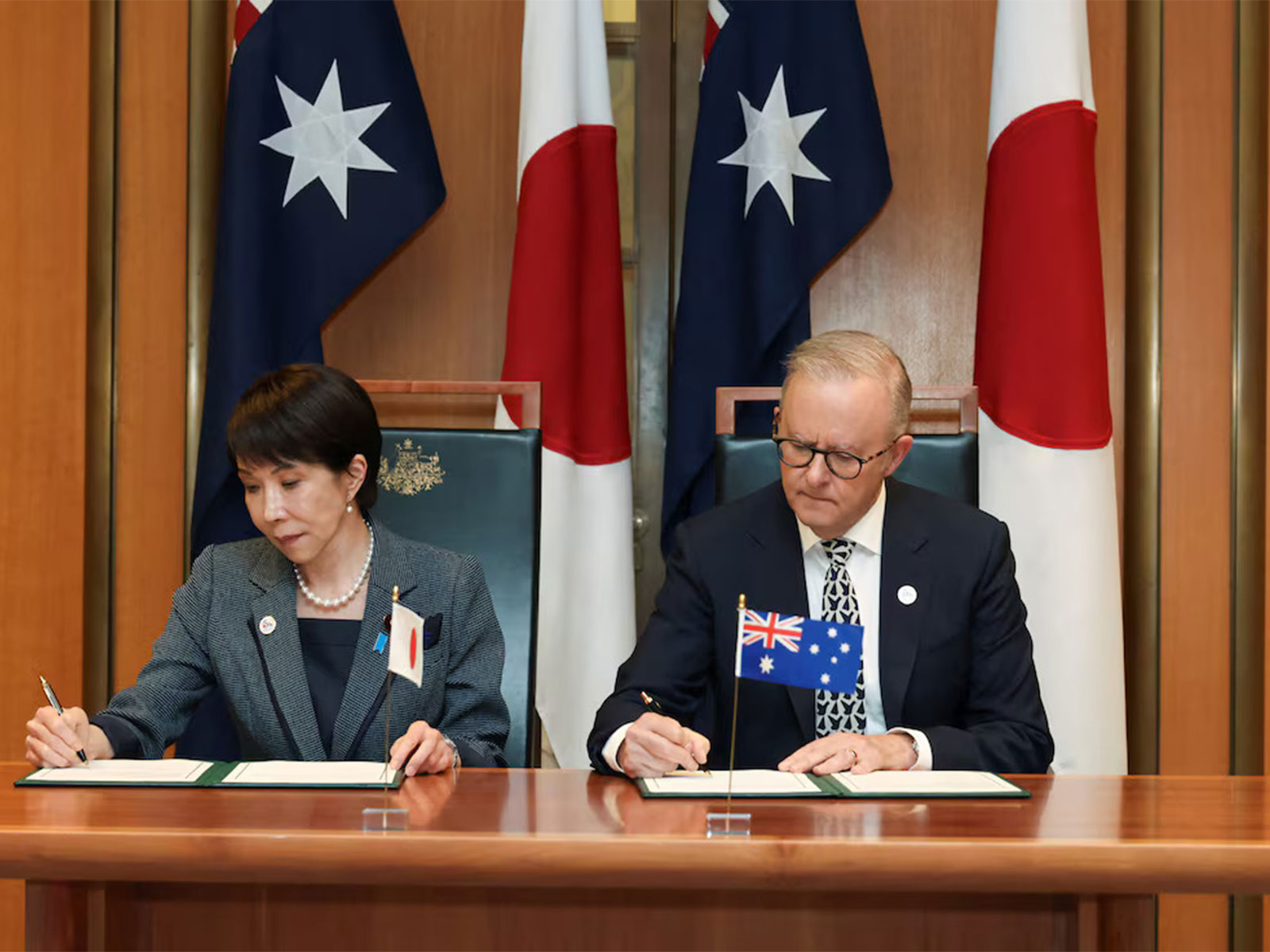
Japanese Prime Minister Sanae Takaichi and her Australian counterpart, Anthony Albanese, met in Canberra to solidify ties across multiple sectors.
Beyond resources, the two leaders confirmed their intention to deepen collaboration in cybersecurity and national defence.
The summit yielded five key outcome documents, highlighted by a joint declaration on economic security. This agreement focuses on constructing "resilient supply chains" for energy, food, and rare earths, materials indispensable for the manufacturing of semiconductors and electric vehicles.
Kyodo News highlighted the geopolitical stakes, noting that China currently mines roughly 70 per cent of the world's rare earths and handles nearly 90 per cent of their refinement.
While Australia is a significant producer, Japan remains dangerously dependent on Chinese imports.
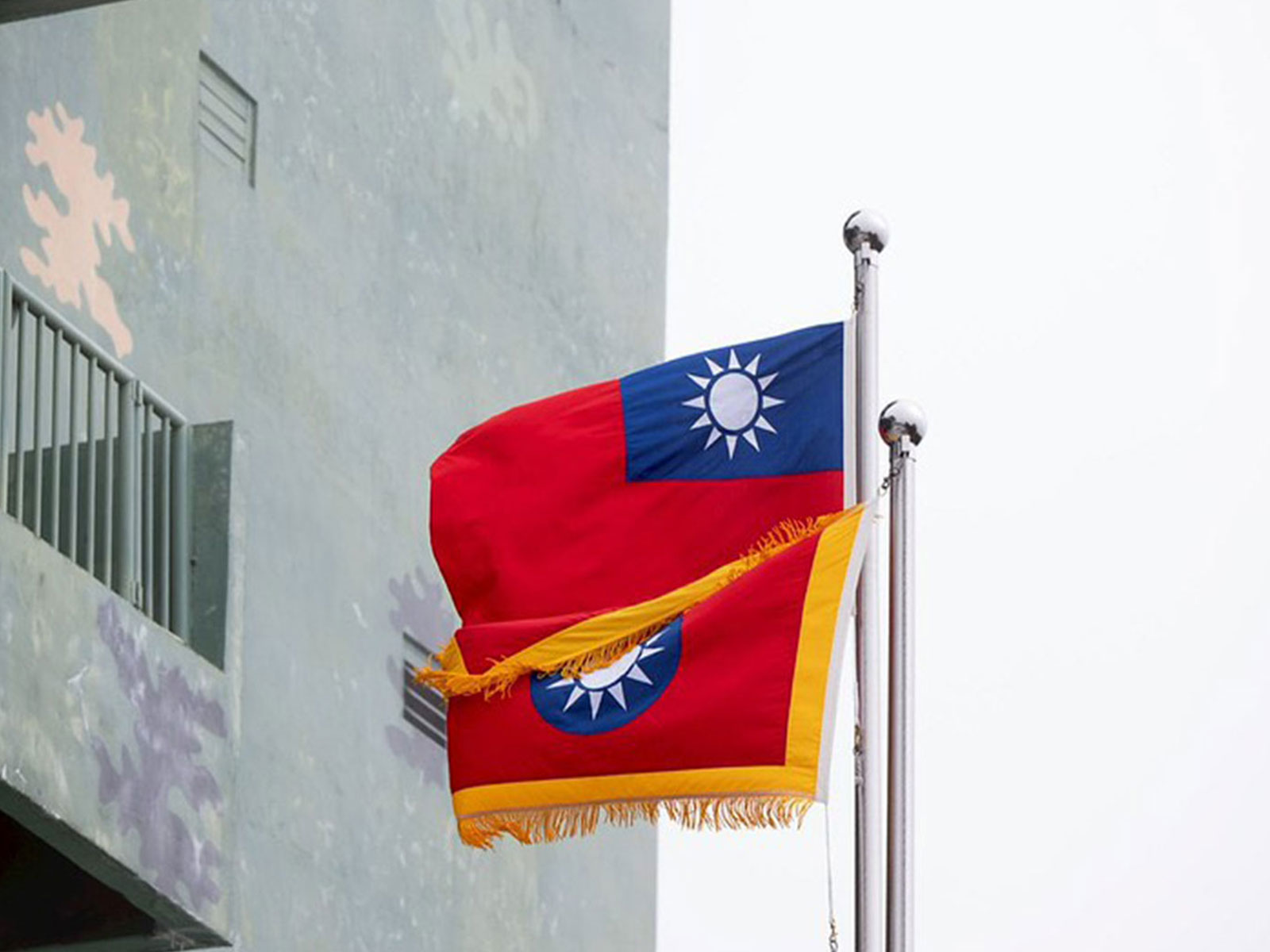
The situation has grown more precarious since Beijing implemented stricter export controls on dual use items earlier this year. These restrictions are widely viewed as a retaliatory strike following Takaichi's November statement that Japan could potentially deploy its Self Defense Forces to assist the US in the event of an attack on Taiwan.
Energy security also dominated the agenda. The US Israeli conflict with Iran, which ignited in late February, has severely hampered global oil transit and sent prices soaring.
For a nation like Japan, which relies heavily on imported petroleum, these disruptions present a major hurdle.
Australia serves as Japan's primary source of liquefied natural gas; however, the relationship is reciprocal in its vulnerabilities.
Kyodo News reported that Australia is also dependent on petroleum imports from Asian countries that process Middle Eastern crude, following the closure of several domestic refineries over the past few decades.
Security ties between the two US allies have accelerated alongside their shared concerns regarding China's naval assertiveness in the Indo Pacific.
A reciprocal access agreement implemented in 2023 has already paved the way for more efficient troop movements and collaborative military exercises.
Adding to this momentum, Kyodo News noted that the two nations recently finalised contracts to provide the Australian navy with its first three stealth frigates, modelled after Japan's advanced Mogami class vessels.
The visit marks a milestone for Takaichi, who assumed office in October, as it aligns with the 50th anniversary of the basic treaty of friendship between the two nations.
Her five day diplomatic tour, which began on Friday, also included a stop in Vietnam.