Ken-Betwa project: Rahul Gandhi backs protestors' demands for adequate compensation, rehabilitation
Jul 27, 2026
New Delhi [India], July 28 : Leader of Opposition in the Lok Sabha, Rahul Gandhi, on Monday expressed solidarity with people affected by the Ken-Betwa river link project in Madhya Pradesh seeking adequate compensation and rehabilitation.
Sharing a poem and visuals on X, Rahul Gandhi said that the protesters demanded fair compensation via non-violent means and termed the tribal people as the "original owners of the country."
The Congress leader alleged that the Modi government fears both truth and non-violent resistance. He criticised police action in Chhatarpur earlier this month.
"The tribal brothers and sisters of Madhya Pradesh had sat on a water satyagraha and hunger strike because their land was taken away for the Ken-Betwa project, but they received neither fair compensation nor dignified rehabilitation. The 'truth' is that tribals are the original owners of the country--the first right to water, forests, and land belongs to them alone. And their 'satyagraha' is because that very right is being snatched from them today."
"In their unique way, their demand is simply this: provide a proper means of livelihood--or else life is no different from a funeral pyre. But even this is unacceptable to the BJP government. Instead of listening to them, their peaceful protest is being crushed with police force. We stand with our tribal brothers and sisters. We will secure justice for them--compensation and rehabilitation will have to be provided," he added.
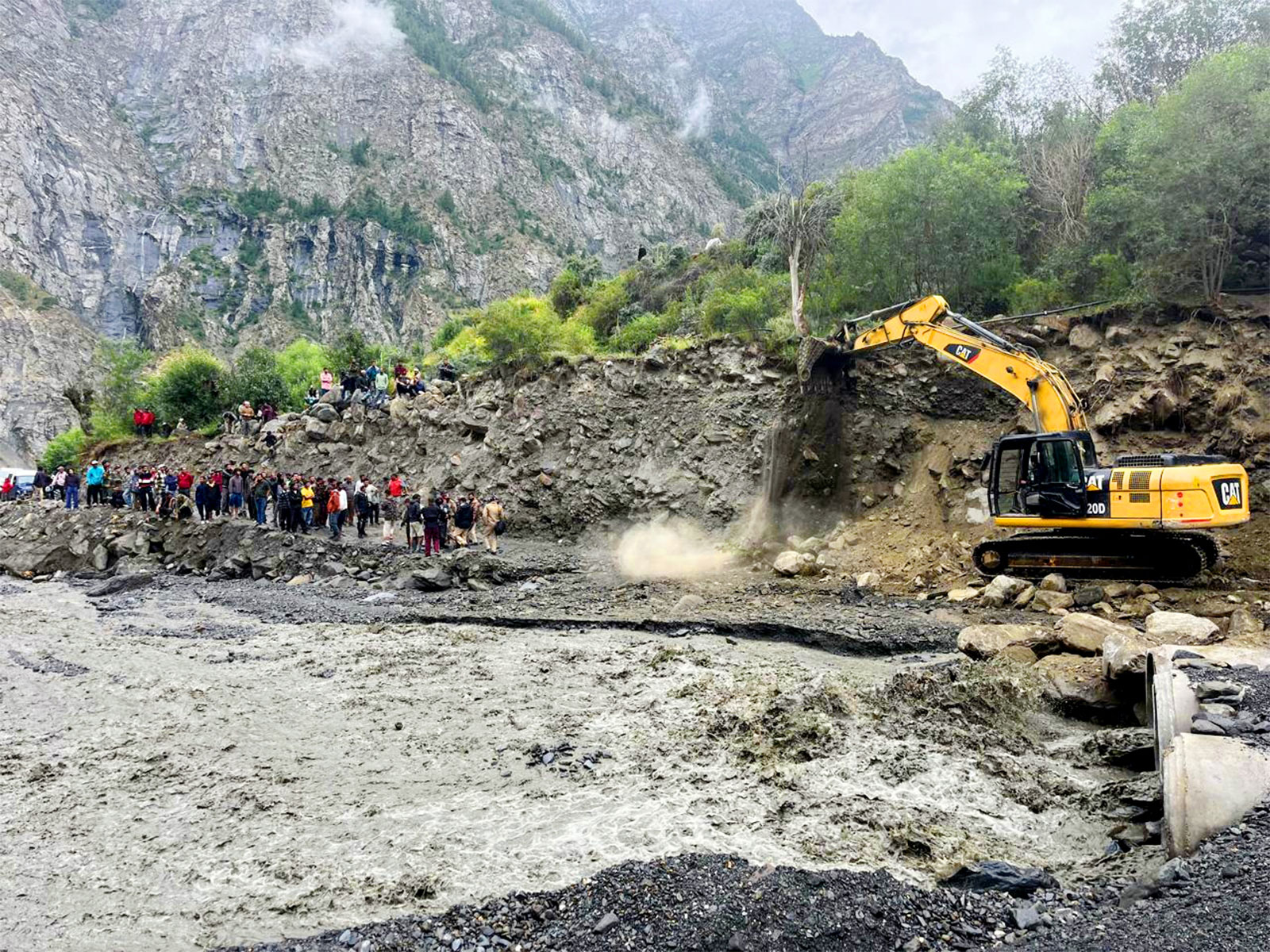
The protesters in Chhatarpur, Madhya Pradesh, led a 'Chita Andolan', demanding fair compensation for the land acquired for the Ken-Betwa project. The protests began in April.
The river link project has an estimated cost of Rs 44,605 crore and is scheduled to be completed by 2030.
Prime Minister Narendra Modi, who chaired the 51st PRAGATI Meeting in May, called the Ken-Betwa project a model for other States to resolve inter-State water issues through cooperation, timely clearances, technology-based monitoring and mission-mode execution.