Maharashtra Dy CM unveils Tata Mumbai Marathon 2026 socio-economic and health impact report
Sep 08, 2026
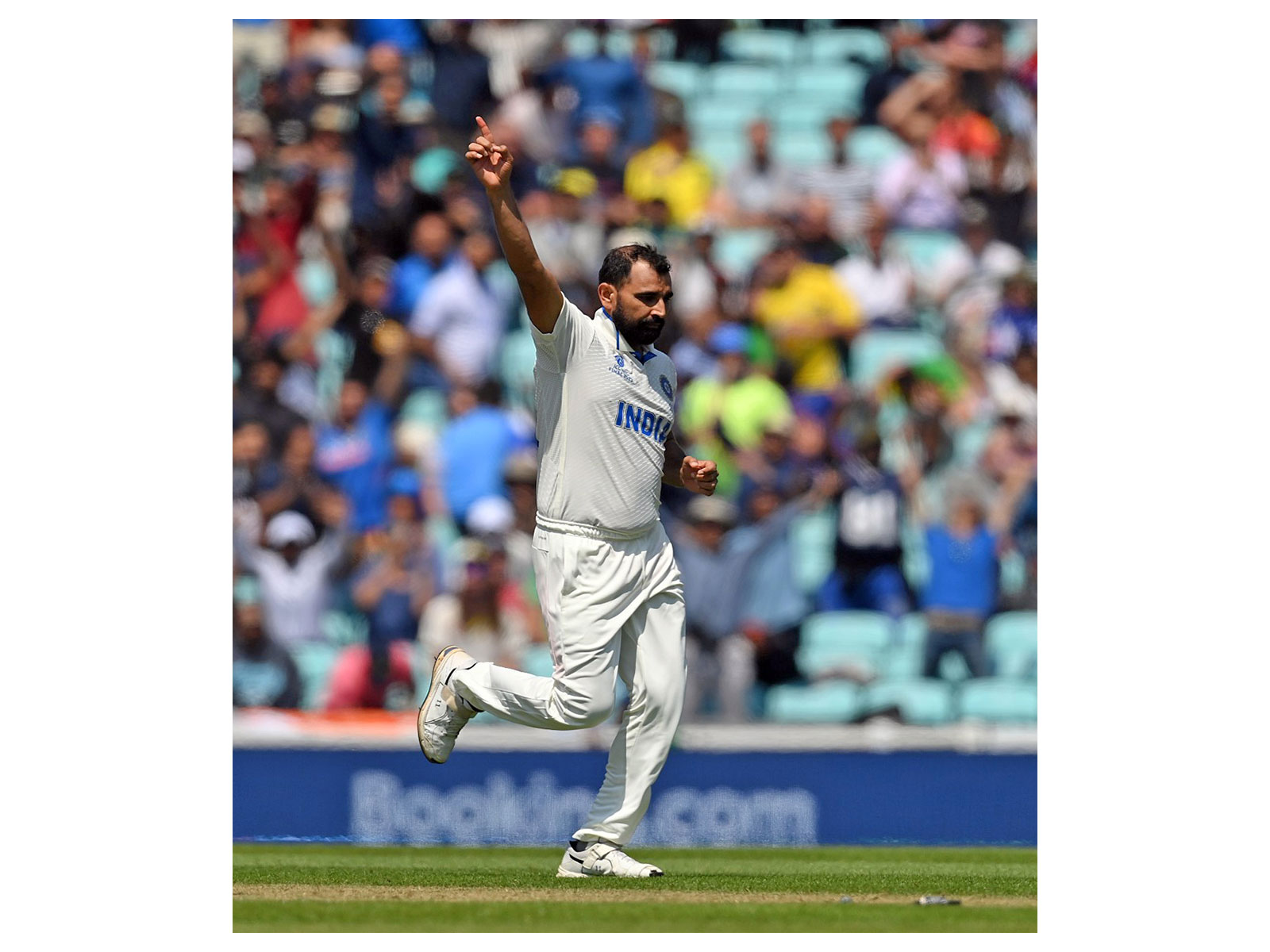
Mumbai (Maharashtra) [India], September 8 : The Tata Mumbai Marathon (TMM) has emerged as more than just a premier distance-running event, with its 2026 edition generating Rs 663.23 crore in socio-economic and health impact while driving change across fitness, health, the economy, communities and sustainability, according to a press release.
TMM, a World Athletics Gold Label Race and one of Asia's largest marathon events, has, over its 21-year journey, evolved into a movement whose impact travels far beyond race day.
The Government of Maharashtra’s continued support for the Tata Mumbai Marathon reinforces the event’s enduring legacy of inspiring healthier lifestyles, fostering civic pride and bringing communities together through the spirit of running. The Tata Mumbai Marathon is the only sporting event to be sponsored by the Government of Maharashtra for the next five years, further underscoring the importance of the event to the state and the city.
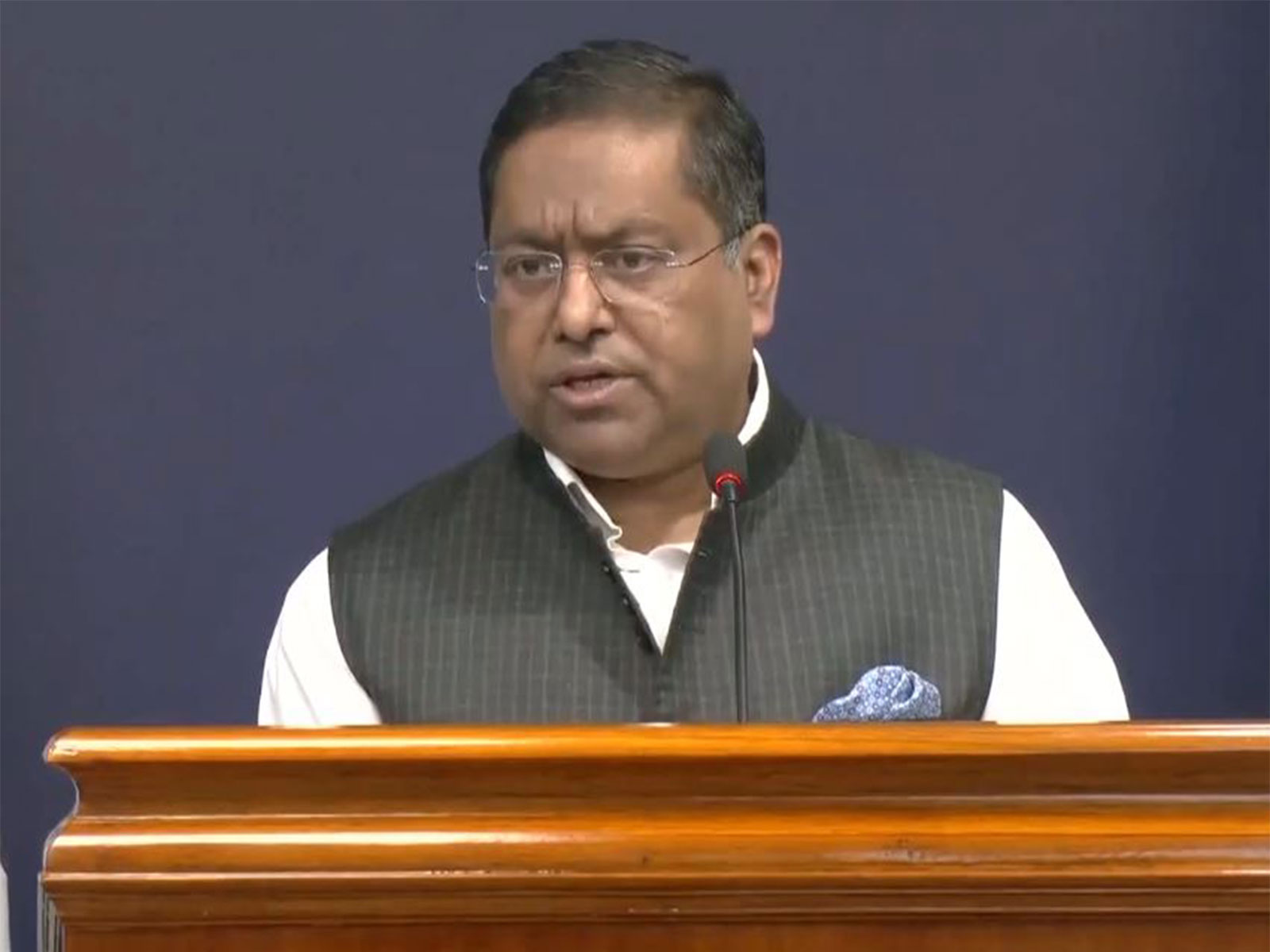
Sunetra Ajit Pawar, Deputy Chief Minister and Minister of Sports & Youth Welfare, Government of Maharashtra, said, “While handling the responsibility of Maharashtra government’s Sports and Youth Welfare Department, I have a dream that in Maharashtra, sports should no longer remain merely a matter of competition but should become a part of everyone’s lifestyle. So, our message is very clear: ‘Fit Maharashtra, Capable Maharashtra’, and initiatives like TMM will be of great help in taking this message to every household.”
“The impact of this marathon is not limited to the sporting arena alone - because of this marathon, industries such as tourism, travel, fitness and sports have generated an estimated ₹650 crore in revenue. This makes one thing clear: this is not just an activity confined to the sports field, but a force that creates opportunity and brings new energy and momentum to a larger economy,” she said.
“I am delighted to be participating in the Dream Run myself, because for me, it is not just a run measured in kilometres; it is the first step taken in the direction of our dreams. Whatever your dream may be, taking that first step towards fulfilling it is the most important thing of all,” she added.
Chhagan Bhujbal, Minister for Food, Civil Supplies and Consumer Protection of Maharashtra, said, “The Tata Mumbai Marathon has grown from a sporting event into a movement and an integral part of Mumbai’s identity. What began as an event that brought the administration, Municipal Corporation and Police together has today become a globally recognised marathon, bringing together people from all sections of society. Its impact extends beyond the race, inspiring greater awareness of fitness and active lifestyles, while showcasing Mumbai’s energy, enthusiasm and spirit to audiences across the world. The Tata Mumbai Marathon is truly a platform that unites the city and puts Mumbai on the global sporting map.”
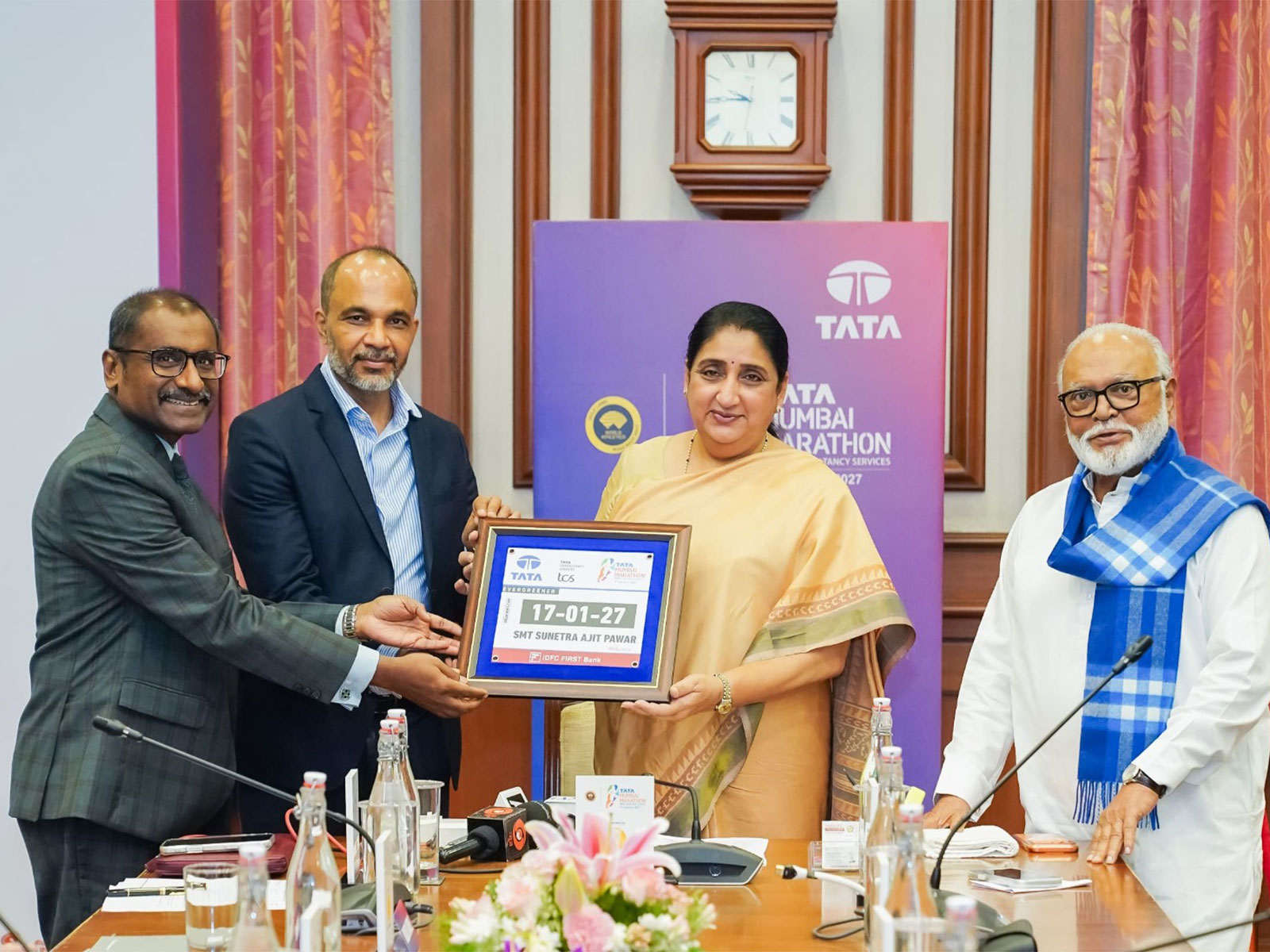
Procam International, in collaboration with The International Institute of Sports Management (IISM), unveiled the findings of the Tata Mumbai Marathon 2026 Socio-Economic & Health Impact Report at Sahyadri Guest House, Mumbai, in the presence of Sunetra Ajit Pawar, Dy. Chief Minister and Sports Minister, Government of Maharashtra.
The Dy Chief Minister also registered for the Dream Run, reinforcing the inclusive spirit of an event that brings together citizens across ages, abilities and fitness levels.
If the Marathon is where Mumbai tests its endurance, the Dream Run is where Mumbai comes together.
The most accessible and inclusive expression of the Tata Mumbai Marathon, the Dream Run brings together families, friends, colleagues, first-time participants, senior citizens, the differently abled and communities – many of whom may never otherwise experience the energy and collective spirit of race day. It remains at the heart of the Tata Mumbai Marathon, opening the movement to people across ages, abilities and fitness levels.
Dream Run registrations open from September 8, 2026, at 7:00 am. until September 13, 2026, at 11:59 pm., or until all available running places are taken.
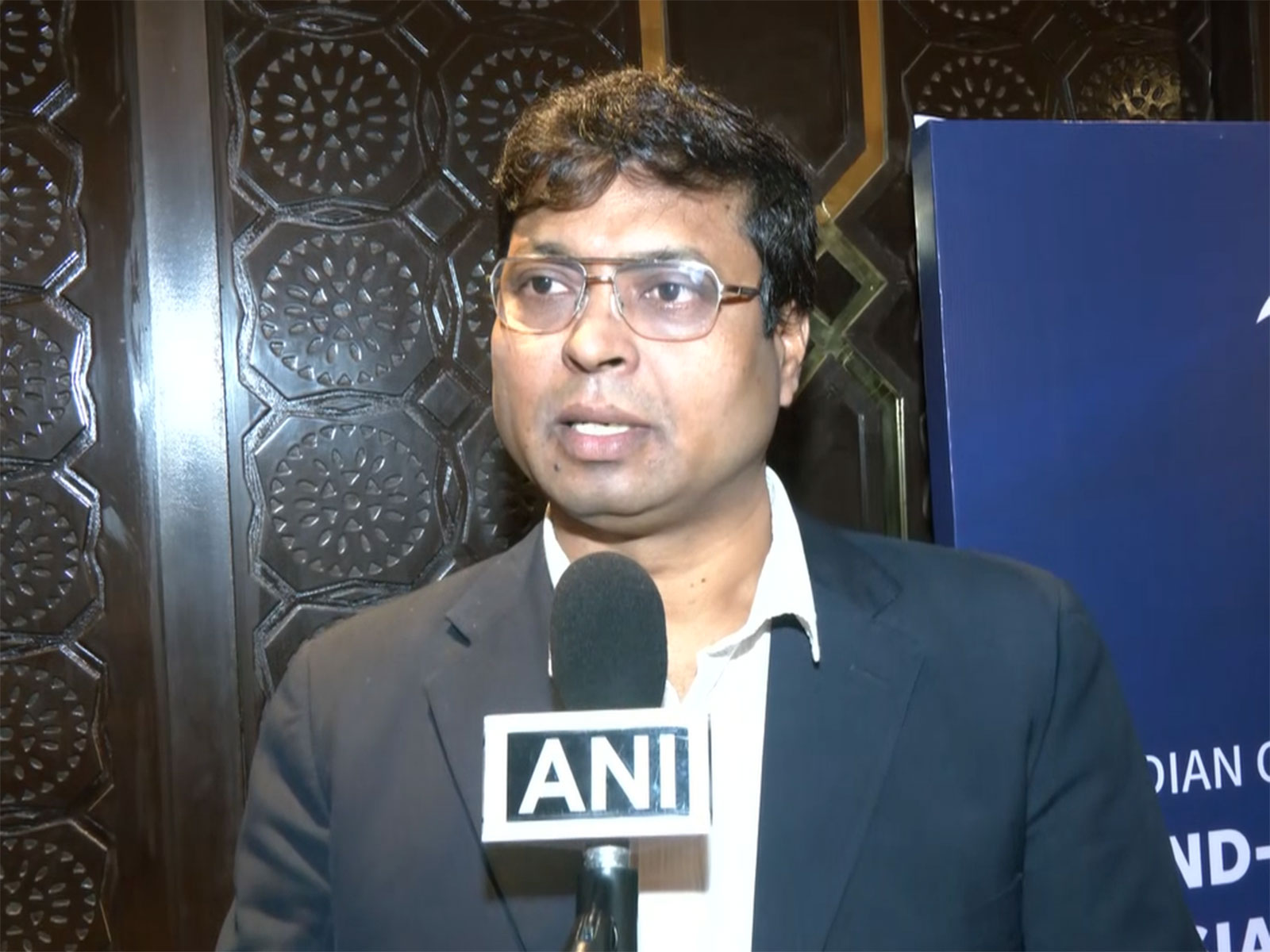
Ujjwal Mathur, President, India Business & Strategic Accounts–Growth Markets, TCS, said “The Tata Mumbai Marathon means different things to different people, but at its heart it is about people coming together with a shared sense of purpose. What makes it special is the way it brings communities together, inspires healthier lifestyles, and supports causes that matter. Over the years, it has grown into a movement that touches lives in many ways. This report helps us better understand the scale and depth of that impact.”
The Tata Mumbai Marathon is increasingly creating an economic ecosystem that extends well beyond race day. What begins with an individual signing up for a race translates into investments in training, nutrition, sportswear, technology, travel and hospitality, while creating additional opportunity for businesses across the city. The report demonstrates how the growing culture of distance running is also contributing to the state’s wider sports and wellness economy.
Vivek Singh, Joint Managing Director, Procam International, said: “The Tata Mumbai Marathon was built on the belief that every step can create a larger impact, and the 2026 Socio-Economic & Health Impact Report is a powerful affirmation of that belief. What is particularly encouraging is how this impact has evolved and grown over the years, from ₹202.78 crore in 2020 to ₹663.22 crore in 2026 — extending well beyond race day to influence participation, health and fitness, economic activity, philanthropy and sustainability. Today, the Tata Mumbai Marathon is a movement that demonstrates how sport can create meaningful and lasting change for people and the city.”
Economic Impact at a Glance
- Rs 602.54 crore economic impact generated
- Rs 277.58 crore spent on health, nutrition and training
- Rs 120.76 crore generated through food, accommodation and local travel
- Rs 112.88 crore spent on shoes and apparel
- Rs 87.79 crore spent on technology, gear and equipment
- 64% of businesses reported increased revenues
- 67% of businesses reported higher customer footfall
- 43% of businesses extended operating hours during the Marathon period
The Tata Mumbai Marathon continues to grow not only in scale, but also in reach and diversity. The 2026 edition brought together participants from across India and overseas, reflecting the growing appeal of distance running and TMM's position as one of Asia’s most prestigious mass-participation sporting events. Importantly, the rise in women participants and first-time runners indicates that the movement is continuing to attract new communities to the sport.
Participation Impact at a Glance
- 70,065 participants
- Runners represented 37 States & Union Territories
- Participants came from 46 countries
- 17,803 outstation participants
- 18,862 women participants
- 11.6% growth in female participation
- Women accounted for 27% of the overall field
- 60% of participants were aged between 25 and 44
Health Impact: From Running a Race to Building Healthier Lives
One of the most significant trends emerging from the report is the shift from event-led participation to lifestyle-led change. For many participants, the Tata Mumbai Marathon is not simply a race to prepare for, but a catalyst for making sustained changes to fitness, nutrition, training and mental well-being. The findings point towards a growing understanding of running as part of a more holistic approach to health.
Health Impact at a Glance
67% started running for health
81% prioritised nutritious meals as part of their preparation
75% trained three or more days a week
94% valued mental preparation
98% valued strength training
77% adopted injury-prevention methods
49% reported weight loss
Social Impact: Turning Participation into Purpose
Beyond individual health and economic activity, the Tata Mumbai Marathon continues to give people an opportunity to connect their sporting journey with causes and communities they care about. As India’s largest sporting platform for philanthropy, TMM has built a strong culture of giving, bringing together individuals, corporates, NGOs and the wider community to create meaningful social impact. Its philanthropic ecosystem supports causes aligned with the United Nations Sustainable Development Goals, showing how sport can inspire participation with purpose.
Social Impact at a Glance
Rs 60.68 crore raised, taking cumulative funds raised across 21 editions beyond the ₹500 crore milestone.
11,632 dedicated fundraisers launched personal campaigns in support of causes they care about.
180 individuals raised over ₹2 lakh each, including 11 Change Legends who raised over ₹1 crore each.
30,000+ donors contributed to the fundraising movement.
Corporate India remained a strong pillar of generosity, with 194 companies fielding 275 teams.
300+ NGOs benefited from the platform.
Sustainability Impact: A Lasting Environmental Impact
TMM recognises the power of sport to advance sustainable development and contribute to the United Nations Sustainable Development Goals. Sustainability is embedded across the event, with a focus on Reduce, Reuse, Recycle, Repurpose and Inclusion—reducing the environmental footprint of the race while creating meaningful outcomes that extend beyond race day.
Sustainability Impact at a Glance
TMM Green Bib, an Agro Forest Initiative, has raised ₹1.18 crore, supporting the planting and commitment of 18,000+ trees and engaging 6,490+ supporters, while creating sustained livelihoods and income for farmers in Solapur.
In partnership with MCGM, waste generated along the race route is collected, segregated and processed through Dry Waste Collection Centres, maximising recycling and composting.
TMM works with NGOs to drive last-mile impact, including waste segregation and recycling through Stree Mukti Sanghatana, and repurposing event materials into shelter solutions for underserved communities. Mumbai Roti Bank collects surplus food from the event and redistributes it to hospitals, cancer patients and their families, and Maitrayana Foundation redistributed shoes to young girls.
The race generated 21.8 tonnes of waste & 100% of the waste was processed and diverted away from landfills
429 cubic metres of landfill volume saved
49,147 kg CO₂e emissions avoided
The Tata Mumbai Marathon's sustainability initiatives have also received international recognition under the World Athletics for a Better World framework, reflecting the event's continued focus on responsible and sustainable event delivery.
For 21 years, the Tata Mumbai Marathon has shown how a race can move a city, inspire a nation and create change that lasts well beyond race day. And as India prepares to run once again, its impact continues to move forward — one step, one runner and one cause at a time.