Manish Malhotra to Anita Dongre: Ten Takes on The Great Indian Bride in 2026
Oct 08, 2026
PNN
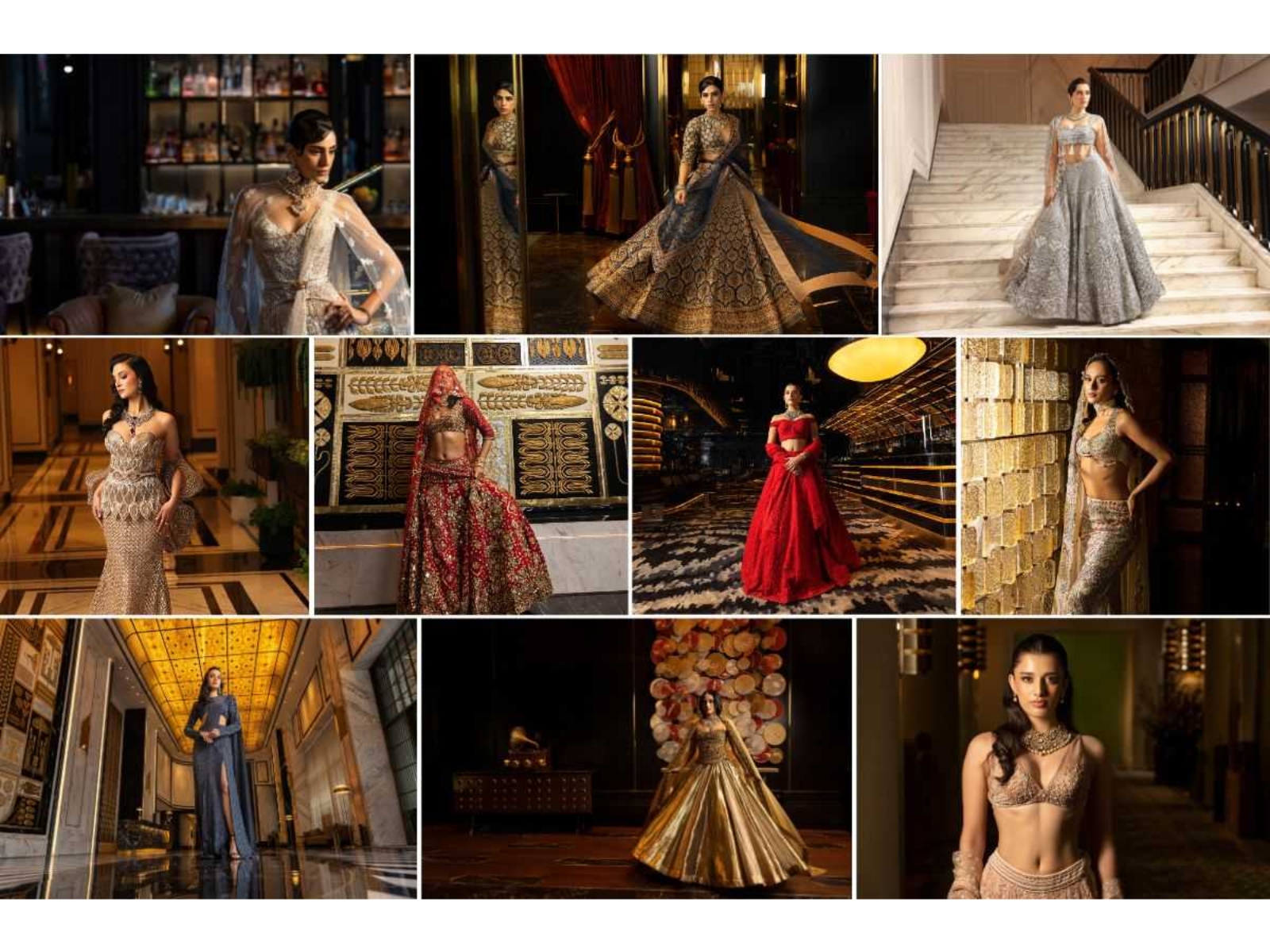
Mumbai (Maharashtra) [India], October 8: A red lehenga with mirror work, an ivory ensemble with a sheer cape, a beige fishtail silhouette beneath a sweeping veil. Bridal dressing takes distinctly different forms in The Great Indian Bride, the opening section of The Great Indian Wedding Book’s sixth edition. Across ten design houses, the editorial explores how colour, cut and craftsmanship can shape a wedding wardrobe around the woman wearing it.
The featured houses are Manish Malhotra, Falguni Shane Peacock, Abhinav Mishra, JJ Valaya, Amit Aggarwal, Ritika Mirchandani, Shantnu Nikhil Couture, Aisha Rao, Anita Dongre and Itrh. Their looks range from richly embroidered lehengas to sculptural contemporary forms, offering inspiration for different celebrations within a wedding.
“Bridal fashion is where many brides begin imagining their wedding,” says Atul Pandey, Publisher, The Great Indian Wedding Book and co-founder of India’s Best Wedding Makers. “We wanted to bring the best design perspectives together so a bride can look beyond a single idea of what she should wear, understand the choices available and find what connects with her. The Great Indian Wedding Book brings out this and a lot more through its 6th edition.”
From mirror work to sculpted silhouettes
Manish Malhotra’s EVARA pairs zardozi and zari embroidery with sculpted silhouettes. His advice places lasting value at the centre of the bridal wardrobe.
“Let your heritage inspire you, let craftsmanship tell your story, and choose pieces that make you feel beautiful beyond the wedding day. Your trousseau should not just hold memories of your wedding but become a part of the many beautiful chapters of your life,” says Manish Malhotra.
Abhinav Mishra’s CRIMSON draws inspiration from the Rangoon flower. “The lehenga brings together our signature mirror work, intricate handcrafted embroidery and floral detailing, creating a rich yet contemporary interpretation of the classic Indian bridal red,” says Abhinav Mishra.
Shantnu Nikhil Couture offers another expression of red through a crimson lehenga from Becoming, with a sculpted bodice, sweeping proportions and tonal embroidery.
JJ Valaya’s Siddi brings Indian and African influences into its design language. “I wanted the collection to feel rooted without being nostalgic,” says the designer.
Ritika Mirchandani’s The Third Path explores the collision between traditional craft and contemporary form. Her advice is direct: “Choose pieces that celebrate your individuality while keeping comfort first.”
Aisha Rao’s Beatrice, from the Priyasi collection, pairs a beige appliqué fishtail lehenga with a long veil. “At Aisha Rao, our design philosophy centres on purposeful luxury,” says the designer.
Anita Dongre’s Forest Rose silk lehenga features threadwork, zari and sequins, with motifs inspired by a wild rose. “In your journey to finding the perfect look, start with emotion,” says Dongre. “So, dress for the feeling you want to remember.”
Falguni Shane Peacock’s ivory ensemble combines delicate embroidery with a sheer cape. “We wanted this look to feel soft, timeless and very bridal, while still having a modern sensibility,” say Shane Peacock and Falguni Peacock. “It’s a look that celebrates traditional craftsmanship but feels fresh and effortless for the bride of today.”
Bridal couture through Pravin Talan’s lens
Photographer Pravin Talan translated that vision into a visual editorial connecting couture with architecture. Known for his work across fashion, architecture and the world of special forces, Talan created With Love from Taj in 2012, the first fashion shoot inside the Taj Mahal.
For this editorial, Fairmont Mumbai’s expansive interiors provided a setting for photographs built around the relationship between the woman, her clothes and the space she occupies.
“This shoot was about making a lifestyle statement fusing the elements of high-fashion, bridal couture and ultra-modern sleek spaces,” he says. “The goal was to build visual stories around today’s young, confident women in urban settings, and the incredible scale and architecture of the Fairmont provided the perfect backdrop to bring that alive. I worked on setting the mood, the lighting, and capturing the moments where this character comes alive.”
How styling and beauty complete the look
Tanya Ghavri’s styling connects the different design approaches through jewellery, draping and a considered balance between the outfit and its accessories.
“The styling was imagined as a modern, cinematic take on Indian bridal couture. Each look was designed to tell a different story while feeling part of one world,” she says.
Hair and makeup by Shradha Luthra emphasizes beauty choices that complement each ensemble.
“For me, hair and makeup are always about bringing cohesiveness to the entire look. It’s about knowing how much to do and where to stop, rather than going overboard with any one element,” she says.
For readers building a wardrobe across wedding ceremonies, the editorial offers a way to compare different approaches to colour, silhouette and detail. Traditional red, softer neutrals and metallic finishes sit alongside one another, showing how varied a bridal wardrobe can be.
The Great Indian Wedding Book is an annual coffee-table publication covering bridal fashion, venues, food and beverage, photography, invitations, gifting and entertainment. Its sixth edition opens with The Great Indian Bride before exploring the wider choices involved in planning a wedding.
Media photographs: Accompanying bridal editorial collage. High-resolution individual photographs and credits: https://drive.google.com/drive/folders/1xee4-ScJZ5xB5-GdO3-oJGl9DLla4V_i?usp=sharing
For media enquiries:
Cresita Fernandes
Cresita@tgiwb.com
+91 8082040252
(ADVERTORIAL DISCLAIMER: The above press release has been provided by PNN. ANI will not be responsible in any way for the content of the same.)