Maritime State Development Council adopts targets for 2030, 2047; sets March 2027 deadline for ‘One Nation One Port Process’ reforms
Oct 14, 2026
New Delhi [India], October 14 : The 21st Maritime State Development Council (MSDC) meeting concluded in Mumbai with the adoption of targets under Maritime India Vision 2030 and Maritime Amrit Kaal Vision 2047, along with a March 2027 deadline for implementing key port reforms across the country.
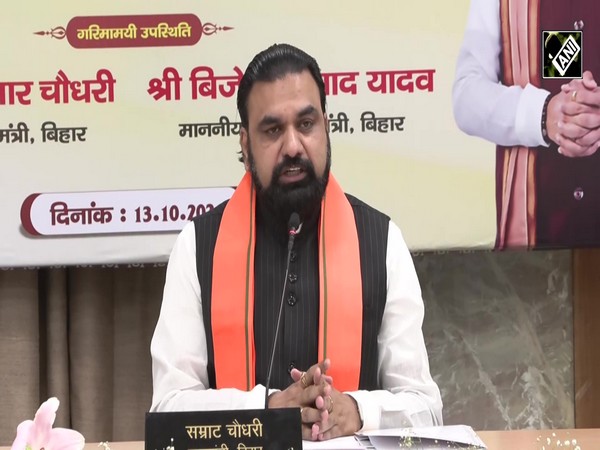
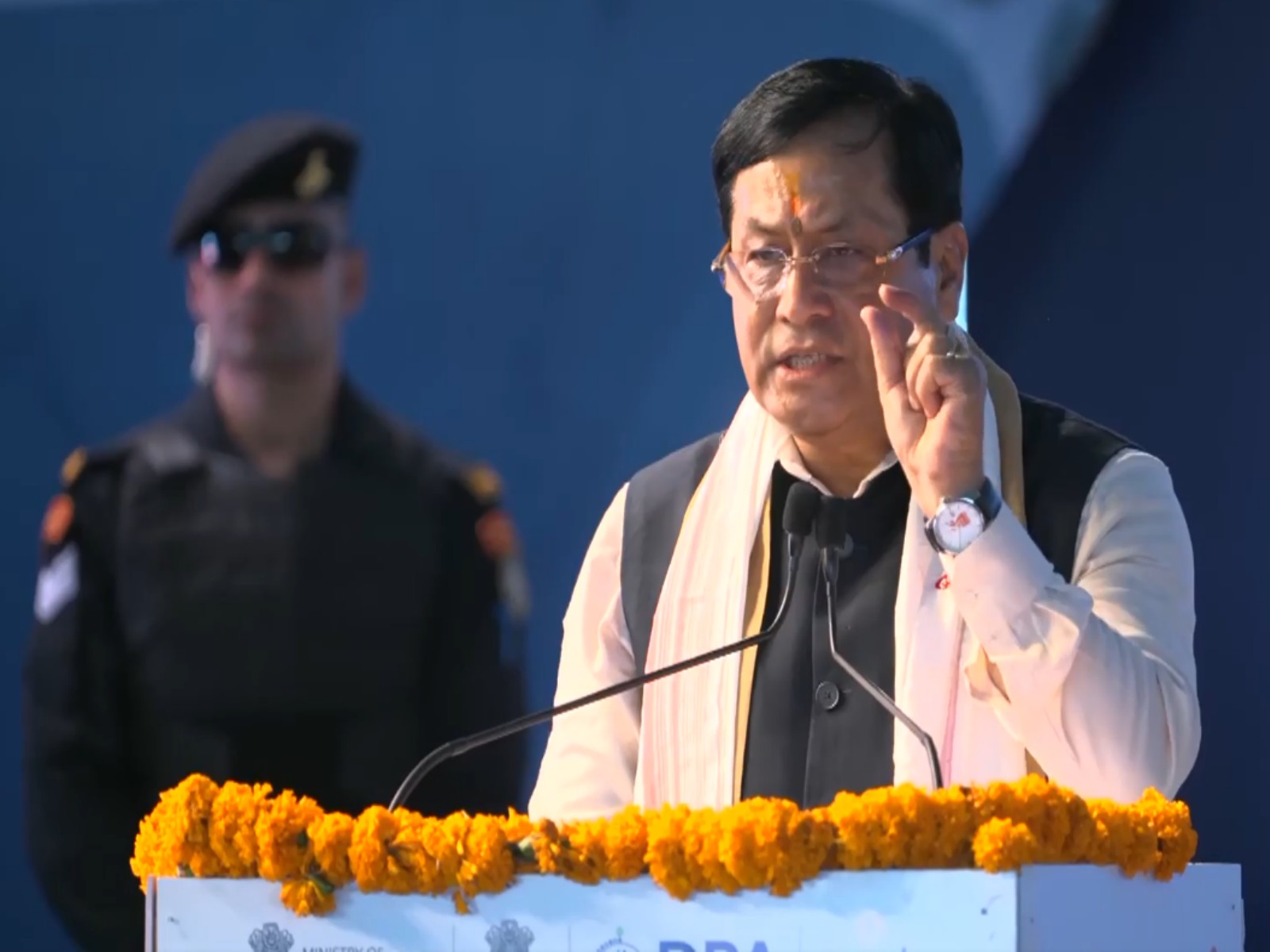
The meeting, chaired by Union Minister for Ports, Shipping and Waterways Sarbananda Sonowal, brought together ministers from coastal states, administrators of Union Territories, senior officials of State Maritime Boards, chairpersons of major ports and representatives of central ministries and maritime institutions.
This was the first MSDC meeting after the Council was recognised as a statutory consultative body under the Indian Ports Act, 2025, notified on May 15, 2026. Originally constituted in 1997, the Council now has an enhanced mandate to promote integrated maritime growth, coordinated policymaking and planned infrastructure development.
Among those present were Gujarat Finance Minister Kanubhai Desai, Goa Ports Minister Digambar V Kamat, Maharashtra Fisheries and Ports Development Minister Nitesh Rane, and Puducherry Minister Malladi Krishna Rao.
The meeting was preceded by visits to the Mumbai Port Authority Cruise Terminal and Jawaharlal Nehru Port Authority (JNPA) to showcase India's cruise and container port capabilities.
During the deliberations, the Council adopted targets under Maritime India Vision 2030 and Maritime Amrit Kaal Vision 2047, which together identify more than 500 initiatives across ports, shipping, inland waterways, shipbuilding, green shipping and international collaboration.
States and State Maritime Boards were urged to prepare port master plans for ports other than major ports, aligned with the national targets. The Ministry of Ports, Shipping and Waterways will share the standardised template used by major ports.
The Council also endorsed the priorities of the National Perspective Plan and urged states to fast-track multimodal connectivity projects involving roads, railways, inland waterways, pipelines and conveyors.
It further called for the development of port-linked industrial clusters, with land availability, ready-to-use infrastructure and faster approvals, in coordination with the ministry. These clusters are to be integrated with port capacity expansion and connectivity projects.
On statutory compliance, the Council approved draft MSDC regulations and guidelines on port data and tariff transparency. It also directed states and Union Territories to notify subordinate rules under Section 77 of the Indian Ports Act within three months.
"The Indian Ports Act gave the MSD council its legal foundation. Today the Centre and the coastal states turned that foundation into a shared work plan, with deadlines every one of us has agreed to meet," Sonowal said.
"This is cooperative federalism in maritime governance, delivering for our ports and for port-led industrialisation," he added.
In a major step towards improving ease of doing business, the Council resolved to implement the One Nation One Port Process (ONOP) reforms across all ports by March 2027. The reforms include One Nation One Documentation, port process re-engineering and inter-ministerial process reforms.
It also set March 2027 as the deadline for all ports to integrate with the Maritime Single Window (MSW-Sagar Setu) to enable unified digital processes nationwide. The Council further mandated the electronic publication of port tariffs to improve transparency.
To support implementation, Sonowal launched the Ready Reckoner for Implementing ONOP, a guide for major and other-than-major ports. The document includes references to central circulars issued by the Central Board of Indirect Taxes and Customs, the Ministry of Home Affairs and the Ministry of Health and Family Welfare for inter-ministerial process reforms. It also outlines the steps expected from state and Union Territory governments to expedite implementation.
The Council also prioritised port connectivity, shipbuilding and cruise shipping. It called for faster implementation of connectivity projects under Sagarmala, the National Coastal and Inland Shipping Strategic Plan, a shift of cargo towards coastal shipping, and the development of shipbuilding, ship-repair and ship-recycling clusters.
It also endorsed the use of the Maritime Development Fund, Shipbuilding Development Scheme and Shipbuilding Financial Assistance Programme to support financing, along with the development of cruise shipping infrastructure at major and non-major ports.
A key announcement at the meeting was the introduction of two credit risk insurance products for India's shipbuilding industry under the National Shipbuilding Mission. Developed under the Shipbuilding Development Scheme, the policies aim to reduce financial risks in large-scale ship manufacturing.
The Shipbuilding Project Credit Risk Insurance Policy (SbPCP), developed by ECGC Ltd., will cover export projects, while the Business Credit Shield Policy-Shipbuilders (BCSPS), developed by The New India Assurance Company Ltd., will cover domestic projects.
The Centre will subsidise insurance premiums and provide direct support to insurers in the event of claims by shipyards.
"Building a ship is a massive, multi-year journey, a single missed milestone payment could stall an entire shipyard’s operations. With these new insurance policies, we are stepping in to give them a real safety net. We want our shipyards to focus on what they do best, building world-class vessels, without the fear of delayed payments or sudden global market shifts holding them back," Sonowal said.
Emphasising the significance of the meeting, the Union Minister said the Council had entered a new statutory phase that would strengthen cooperative federalism in maritime governance.
"The MSDC has now entered a new statutory phase, strengthening cooperative federalism in maritime governance. With the adoption of MIV 2030 and MAKV 2047 targets, India’s ports and shipping sector will be future-ready, competitive and aligned with global standards. The Council’s resolutions today mark a decisive step towards integrated maritime growth and port-led industrialisation," he said.
Calling the meeting "a meeting of Team India", Sonowal linked the Council's work to Prime Minister Narendra Modi's call of "Sabka Saath, Sabka Vikas, Sabka Vishwas and Sabka Prayas".