NEET row, coaching stress to feature in SC panel final report on student suicides
Jul 08, 2026
By Vishu Adhana
New Delhi [India], July 8 : The Supreme Court-appointed National Task Force on student mental health is expected to flag competitive entrance examinations, including the recent NEET controversy, coaching pressure, frequent curriculum changes and structural inequalities as major contributors to student distress, according to sources familiar with the panel's deliberations.
The task force, headed by former Supreme Court judge Justice (Retd) S Ravindra Bhat, was constituted in March 2025 to examine the rising incidence of student suicides in higher educational institutions and recommend preventive measures.
While its mandate is confined to higher education, the panel is said to have concluded that many sources of stress originate much earlier, during school education and the highly competitive entrance examination process.
The panel submitted its interim report on June 8, in which it argued that student suicides in India cannot be understood only as a mental health issue.
According to a person associated with the exercise, the final report is expected to be submitted in October, moves away from viewing student suicides solely through the lens of mental illness and instead treats them as the outcome of multiple structural pressures.
"Mental health is only one part of the picture. Every student who thinks of suicide is not necessarily suffering from a mental disorder. There are multiple stressors, academic pressure, discrimination, financial hardship, social isolation, language barriers, family expectations and institutional challenges -- that accumulate over time," the person said.
The panel is learnt to have examined how frequent changes in curriculum, teaching methods, and education policies can add to anxiety among students. Officials involved in the exercise said sudden shifts in school curricula, modifications in examination patterns and changing academic requirements often leave students struggling to adapt before they even enter universities.
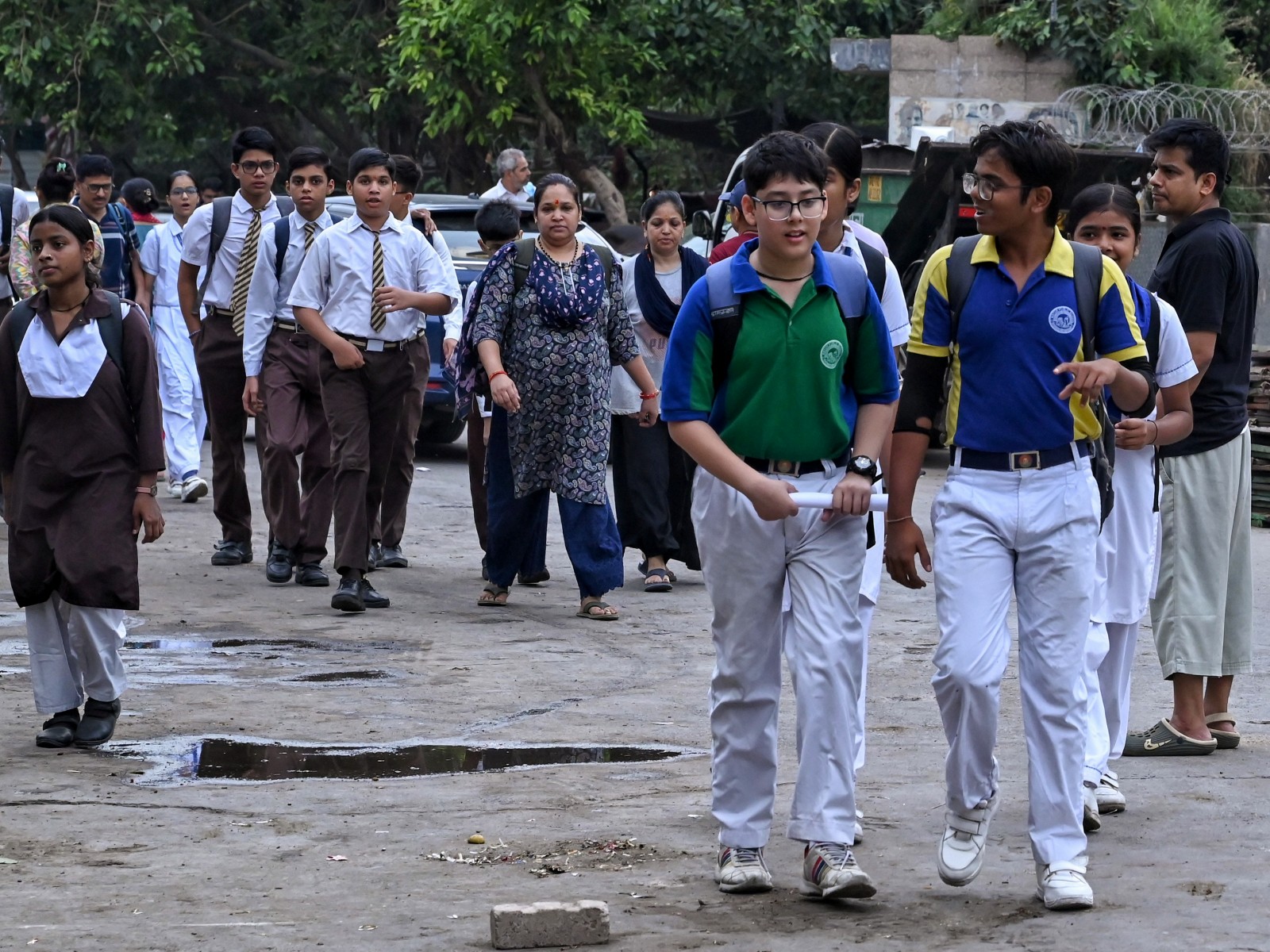
The NEET examination held on May 3 was cancelled following allegations of a question paper leak and was re-conducted on June 21. The episode caused immense anxiety among students and was linked to several student suicides. Meanwhile, the implementation of the National Education Policy (NEP) has brought significant changes to the education system, including the introduction of new NCERT textbooks, curriculum reforms, and the rollout of the three-language policy.
The Supreme Court noted in Amit Kumar & Ors v. Union of India (2026) that student suicides in India had doubled over a decade, reaching 13,000 cases in 2022 -- more than farmer suicides in the same year -- and constituting 7.6 per cent of all deaths by suicide in the country. It then constituted an NTF to study the causes, review existing laws and institutional mechanisms, and recommend a framework for prevention.
Although the task force does not directly cover school education or entrance examinations, it is expected to flag that stress associated with competitive examinations such as NEET and the coaching ecosystem begins long before students reach higher educational institutions.
"The stress starts there. Coaching culture, academic competition and entrance examinations create immense pressure. While these areas are outside the formal mandate of the task force, they cannot be ignored because they eventually feed into the higher education ecosystem," the person said.
The report is also expected to highlight the difficulties faced by students from non-English backgrounds after joining technical institutions, where English is often the primary medium of instruction. These challenges, coupled with feelings of isolation, discrimination and inadequate academic support, are understood to have emerged repeatedly during consultations.
Another issue likely to receive attention is the rapid expansion of higher education without corresponding improvements in infrastructure and student support services. According to people aware of the discussions, overcrowded campuses, shortage of faculty, hostel constraints, delays in scholarship disbursal and limited interaction between teachers and students have all been identified as significant stress points.
The task force has gathered inputs through one of the country's largest consultations on student well-being.
Around 60,000 teachers, nearly 16,000 colleges and universities, and between 2.5 lakh and 3 lakh parents and members of the public responded to its surveys.
The panel also conducted field visits to around 40 institutions and interacted with students from diverse backgrounds, including women, Scheduled Castes, Scheduled Tribes, students from the Northeast, persons with disabilities and learners from economically weaker regions.
The panel is also expected to recommend reducing excessive curriculum load and shifting the focus from rote learning towards critical thinking and reasoning.
It is learnt to favour policies that allow students greater freedom to pursue disciplines aligned with their interests rather than being pushed into careers chosen primarily by parents or societal expectations.
"The objective should be the overall wellness of children. Education policies should reduce unnecessary academic pressure and encourage logical thinking instead of information overload," the person said.
The NTF had submitted an interim report to the Supreme Court in November last year and has since continued consultations with educational institutions and stakeholders before finalising its recommendations. The final report is expected to be submitted to the apex court later this year.