"One Nation, One Election not against federalism": JPC Chairperson PP Chaudhary
Oct 30, 2026
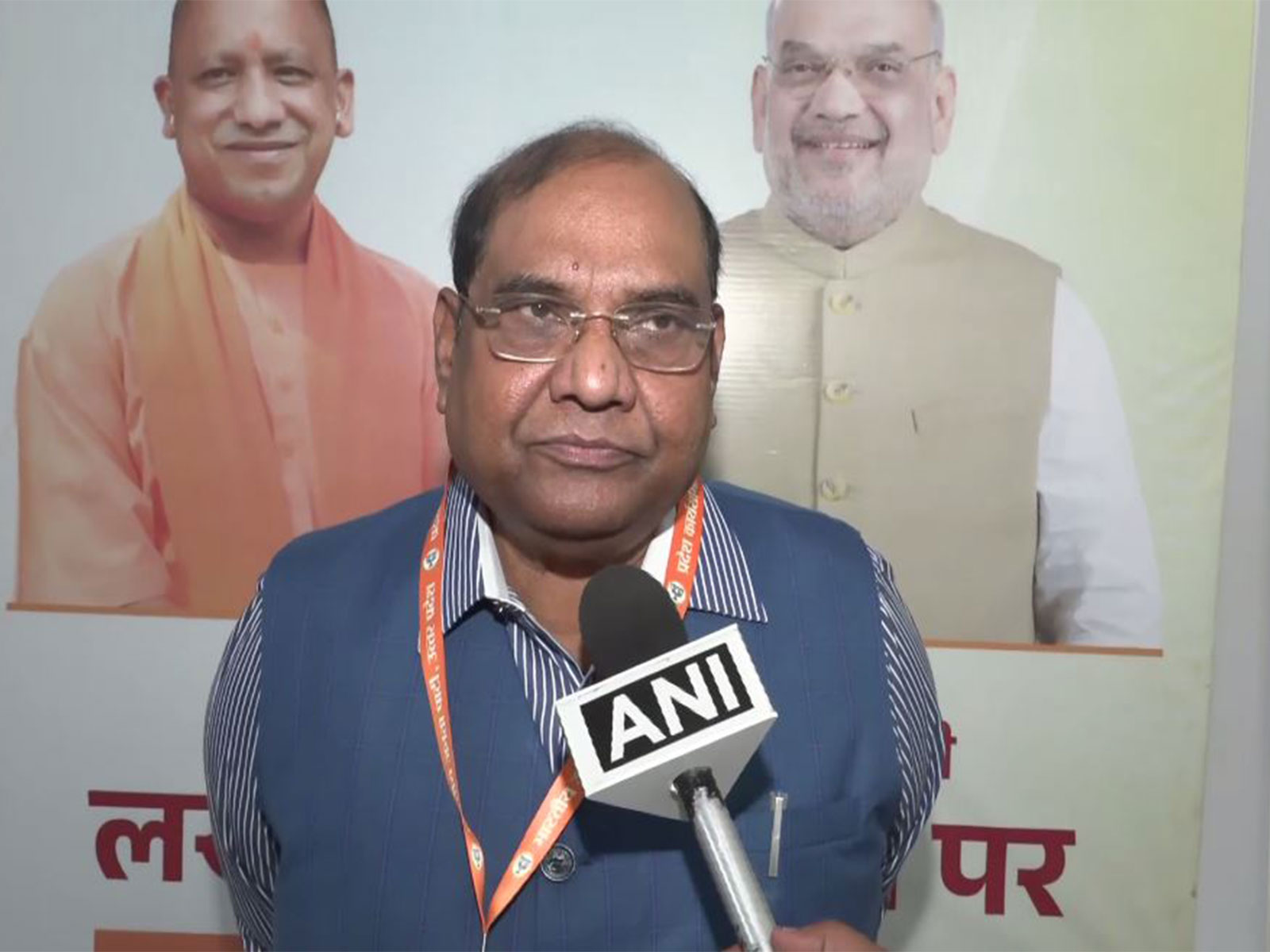
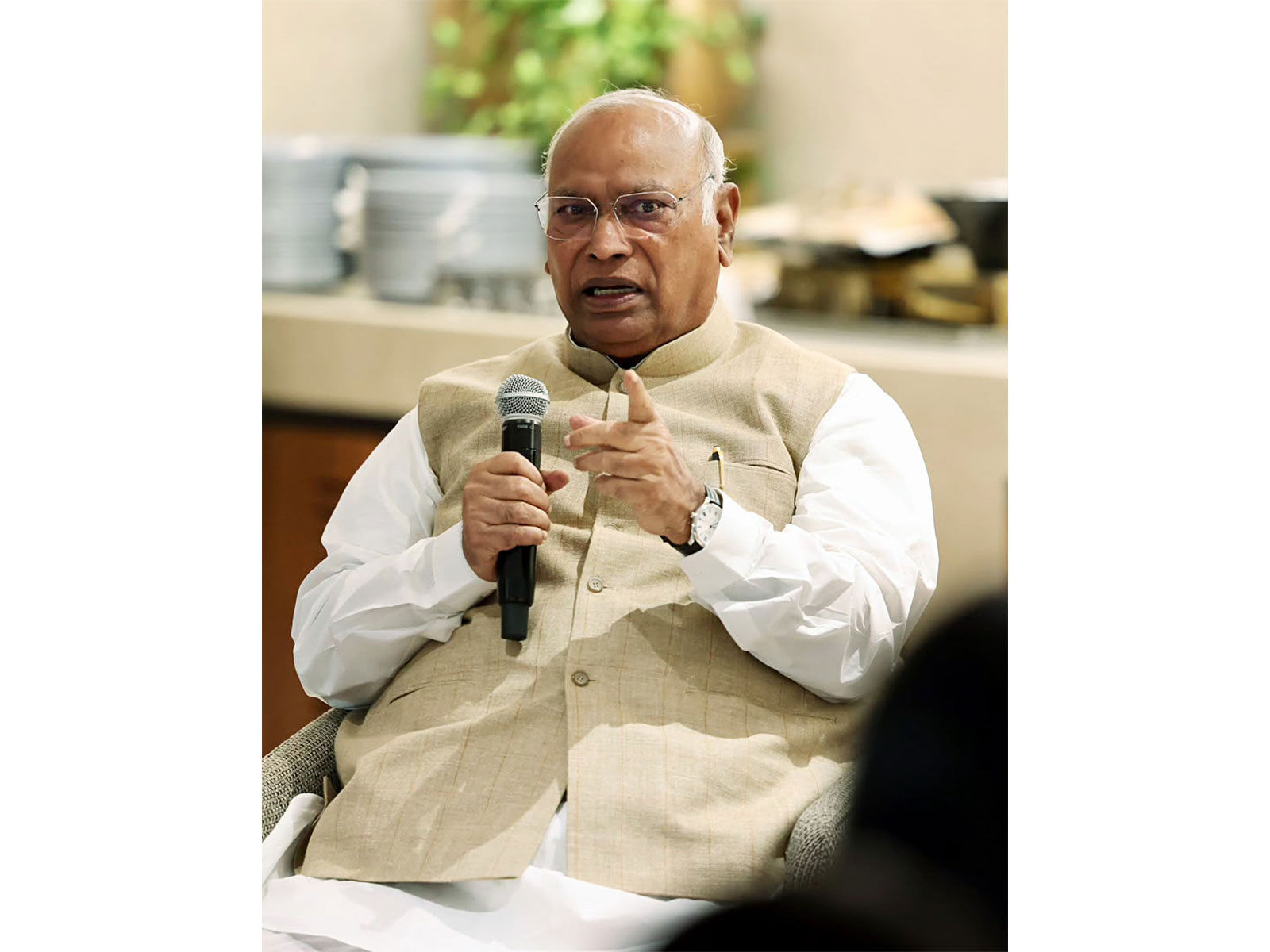
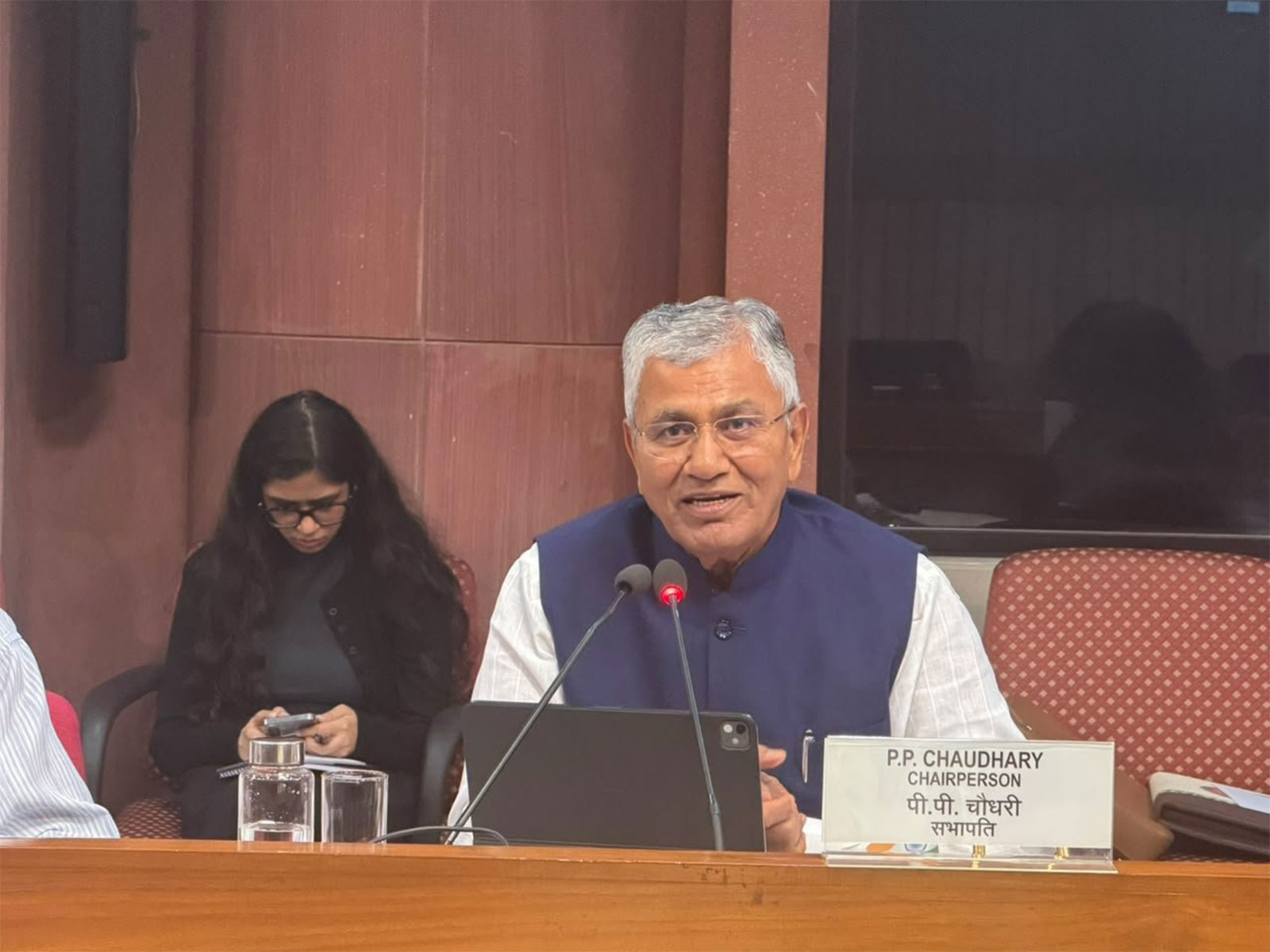
New Delhi [India], October 30 : Senior BJP MP and Chairperson of the Joint Parliamentary Committee (JPC) on 'One Nation, One Election', PP Chaudhary said that experts have dismissed concerns regarding federalism, arguing that regional parties stand to benefit from a synchronised electoral system.
Speaking to ANI, Chaudhary shared that the committee engaged with eminent economists, political scientists, and senior members of the Prime Minister’s Economic Advisory Council (EAC-PM) to examine the economic, structural, and political dimensions of holding simultaneous polls across the country.
"Joint Parliamentary Committee meeting on One Nation, One Election was held today, attended by eminent economists, political scientists and other members of the Prime Minister’s Economic Advisory Council. They shared valuable insights on the economic and political implications of simultaneous elections, and committee members sought clarifications on various issues," he said.
Addressing lingering apprehensions that simultaneous national and state assembly elections might marginalise regional political groups or weaken federal structures, Chaudhary highlighted insights drawn by global experts during the depositions.
"One key argument was that One Nation, One Election is not against federalism. Drawing facts and research from several countries, the experts argued that regional parties can become stronger through a proper distribution of power between the Centre and the States. They pointed out that regional parties gained prominence when the Centre became weaker, countering the concern that simultaneous elections would disadvantage them. The experts also highlighted the economic costs of frequent elections," he said.
He further said that while the Union Government allocates approximately Rs 5 lakh crore annually toward social security schemes, the execution and delivery of these programs are frequently delayed or impacted during poll periods due to administrative bottlenecks.
"Frequent elections also slow down government welfare schemes, as the administration is repeatedly engaged in election duties. The Centre spends around Rs 5 lakh crore annually on social security schemes, but their implementation can be affected during election period," he said.
Earlier today, the Joint Parliamentary Committee convened to review the Constitution (One Hundred and Twenty-Ninth Amendment) Bill 2024 and the Union Territories Laws (Amendment) Bill, 2024, engaging with domain experts to assess the long-term socio-economic impact of synchronising national, state, and union territory elections.
The depositions before the JPC contended that India's staggered election cycle results in massive fiscal waste, discourages private corporate investment, ties up the administrative and security apparatus and perpetuates a campaign culture which, in turn, is detrimental to good governance and the health of democracy.