Peace process sustainability rests heavily on mutual accountability: Iranian envoy Mohammad Fathali
Jun 18, 2026
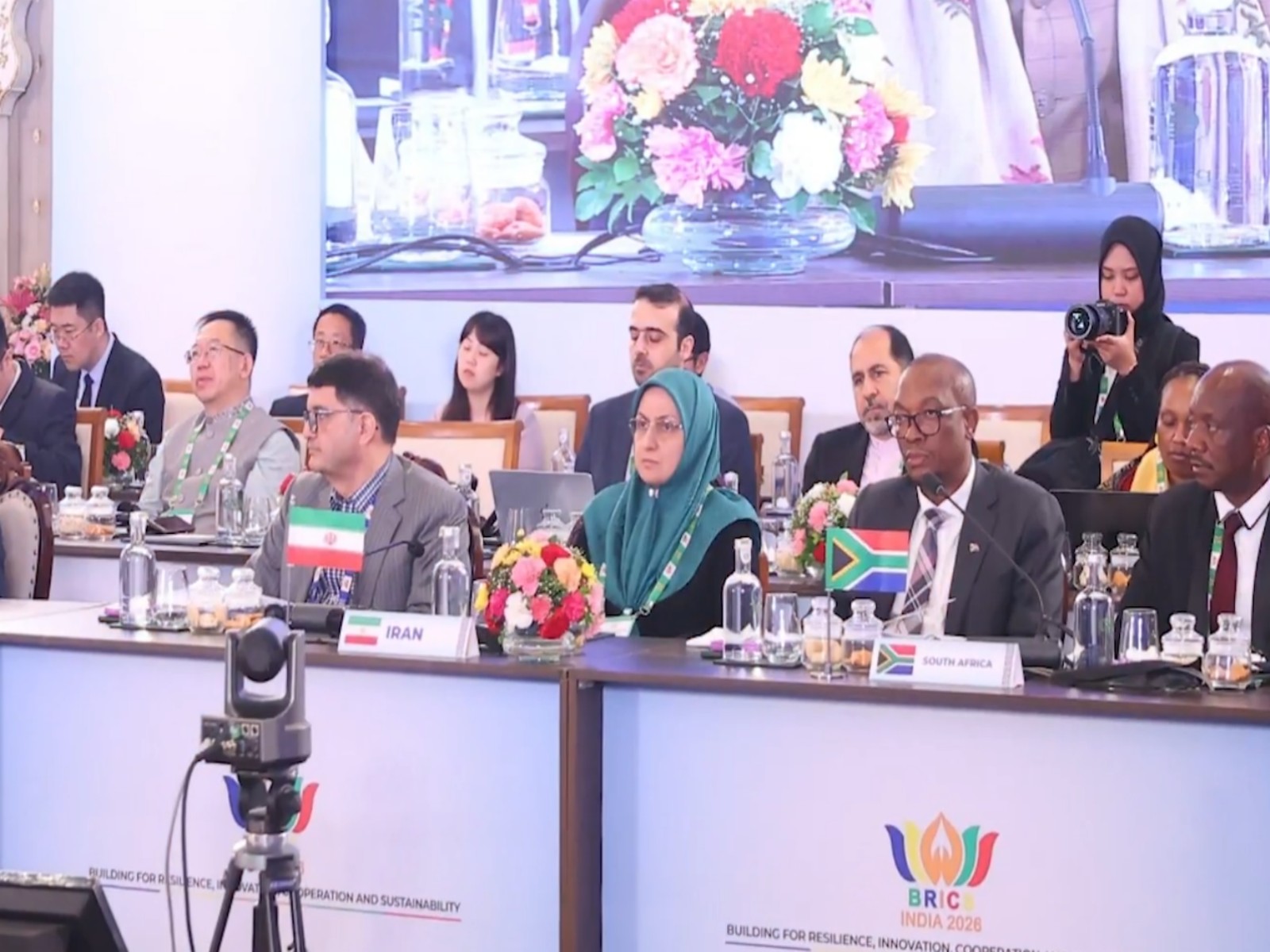
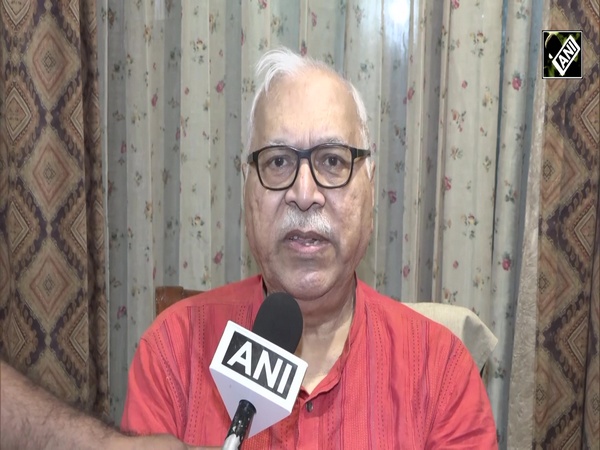
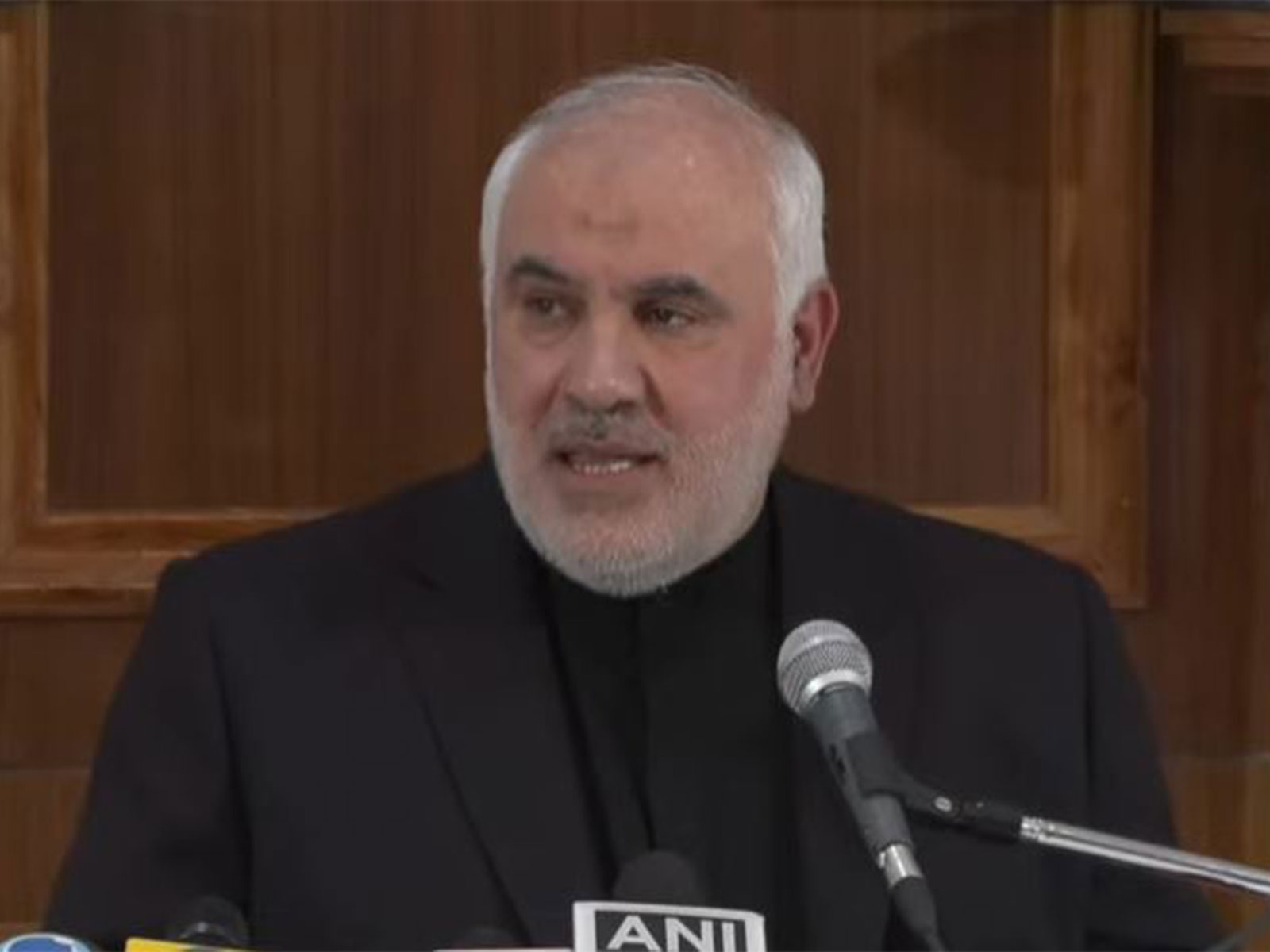
New Delhi [India], June 18 : Addressing the long-term durability of the recent diplomatic breakthrough, Iranian envoy Mohammad Fathali has stated that the sustainability of the peace process rests heavily on mutual accountability, noting that the current accord possesses the unique potential to establish lasting regional stability if all global signatories uphold their responsibilities in good faith.
In an exclusive interview with ANI, Fathali asserted that while Tehran remains fully committed to its international obligations, the ultimate success of the agreement will depend on whether all parties maintain strict adherence to their diplomatic promises.
"Ultimately, any judgment regarding the sustainability of this agreement depends on the extent to which all parties adhere to their commitments," Fathali said.
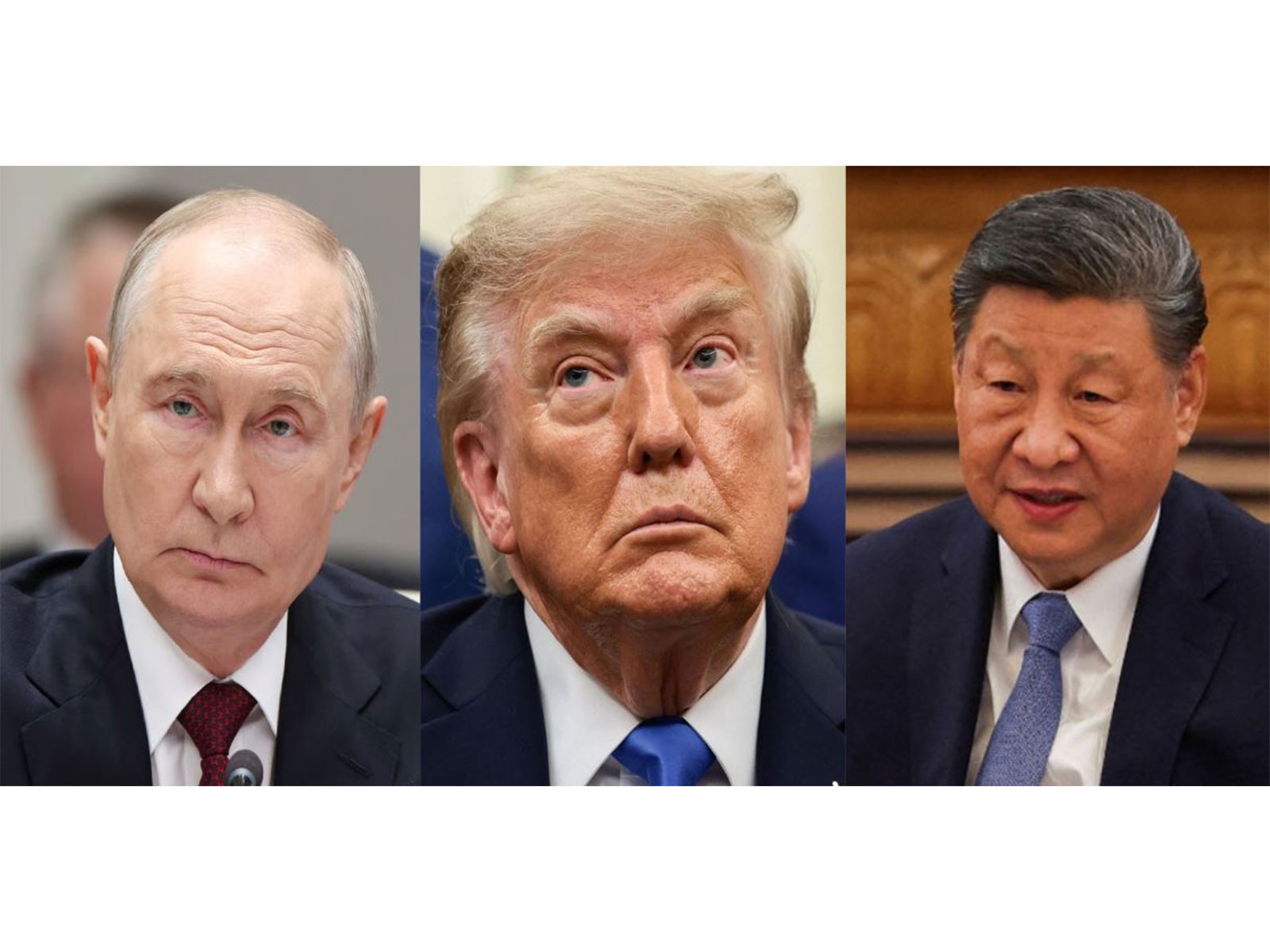
These observations follow a highly anticipated diplomatic breakthrough on Thursday, where US President Donald Trump and Iranian President Masoud Pezeshkian signed a historic peace deal aimed at bringing an end to the months-long war in the Middle East. Trump put his signature to the Memorandum of Understanding (MoU) during a dinner with French President Emmanuel Macron at the Palace of Versailles following a G7 summit.
The 14-point US-Iran agreement provides for an immediate cessation of military operations, including in Lebanon, and commits both countries to pursuing a final agreement within 60 days. It also includes provisions for the removal of the US naval blockade, safe passage of commercial vessels through the Strait of Hormuz, phased sanctions relief, the release of frozen Iranian assets, and a US-backed economic development programme for Iran worth at least USD 300 billion.
Furthermore, the memorandum states that Iran has reaffirmed it will not develop or acquire nuclear weapons and envisages future discussions regarding enriched uranium stockpiles under the supervision of the International Atomic Energy Agency (IAEA).
Reflecting on past diplomatic friction to contextually frame this newly signed peace process, the Iranian envoy drew a sharp historical contrast regarding compliance, highlighting that Tehran has a proven track record of honouring its international covenants.
"The Islamic Republic of Iran has consistently demonstrated its commitment to its international obligations and has never violated its agreements. By contrast, it was the United States that unilaterally withdrew from the 2015 agreement (the JCPOA)," he stated.
Despite these historical challenges and deep-seated geopolitical hurdles, Fathali described the current accord as a potential watershed moment that could fundamentally transform international diplomacy and build mutual trust across the region.
"Nevertheless, we believe that the current agreement has the potential to become a historic turning point in the region and in international relations, provided that all parties uphold their commitments in good faith and with a full sense of responsibility. If such an approach prevails, this agreement can serve as a foundation for lasting stability, cooperation, and mutual trust. However, if commitments are disregarded, it is only natural that its continuity and success will face significant challenges," Fathali said.