Pharmaceuticals Department launches Special Campaign 6 with 12,208 cleanliness drives, targets pendency, e-waste disposal
Oct 02, 2026
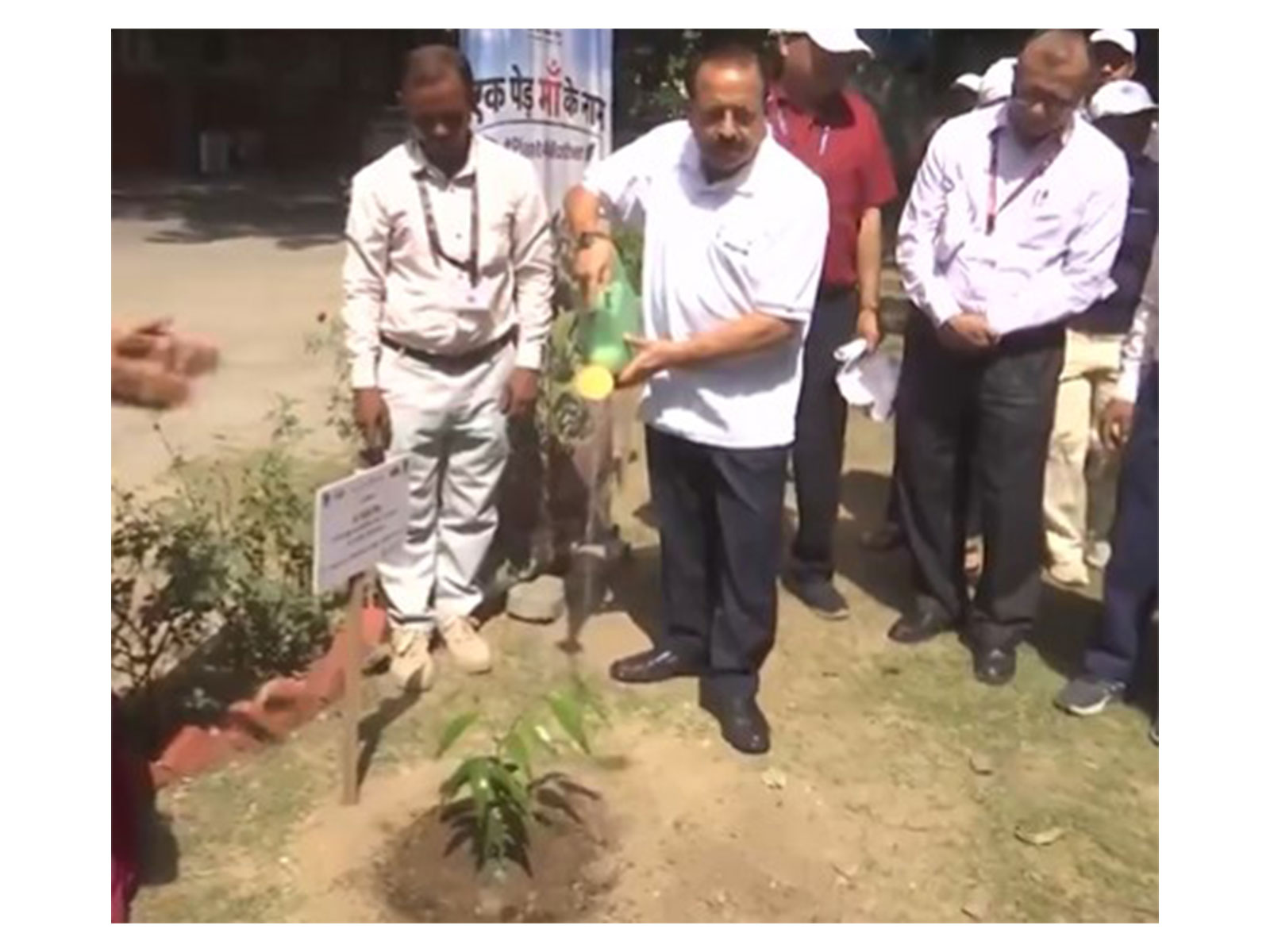
New Delhi [India], October 2 : The Department of Pharmaceuticals (DoP), along with its attached and subordinate organisations, including the National Pharmaceutical Pricing Authority (NPPA), Pharmaceuticals and Medical Devices Bureau of India (PMBI), National Institutes of Pharmaceutical Education and Research (NIPERs) and public sector undertakings (PSUs), commenced Special Campaign 6 on Friday on the occasion of Gandhi Jayanti, in pursuance of the guidelines issued by the government.
As per the Ministry of Chemicals and Fertilisers, following an intensive preparatory phase from September 15 to September 30, where baseline targets, site identifications and record inventories were completed, the Department has now transitioned into the active implementation phase running upto October 31.
As part of Special Campaign 6, 12,208 cleanliness campaigns and outstation office drives have been scheduled across the organisational units of the Department of Pharmaceuticals and its attached and subordinate organisations.
The campaign also focuses on active tracking and resolution of pending references and grievances. These include four MP references, two Parliamentary Assurances, one Inter-Ministerial Cabinet proposal, 58 State Government references, two PMO references, 72 Public Grievances registered through CPGRAMS, 18 Public Grievance Appeals and 20 Easing of Rules/Process items.
Under the record management component of the campaign, 2,716 physical files and 20 e-files will be reviewed to optimise workspace and streamline documentation.
The campaign also includes systematic management and disposal of scientific e-waste. A total of 1,011 obsolete equipment items have been identified for disposal through recyclers empanelled by the Ministry of Environment, Forest and Climate Change (MoEFCC), including 602 units of information technology and telecommunication equipment, 196 consumer electrical, electronic and photovoltaic units, 53 large and small electrical appliances, five laboratory instruments and 154 other electronic assets and electrical tools.
The scientific e-waste management initiative focuses on safe segregation and disposal of obsolete equipment in compliance with the E-Waste Management Rules. The campaign also prioritises the swift liquidation of pending public grievances, Parliamentary Assurances and official references.
Space optimisation is another key focus area, with systematic review of records and clearance of scrap aimed at promoting clean and clutter-free working environments across the organisational units.
The Department remains committed to institutionalising Swachhata and elevating governance standards throughout this month-long nationwide initiative. Daily progress updates and best practices will be shared via the national SCDPM portal.