PIL in Supreme Court seeks time-bound probe, trial in fake drug casesPIL in Supreme Court seeks time-bound probe, trial in fake drug cases
Sep 16, 2026
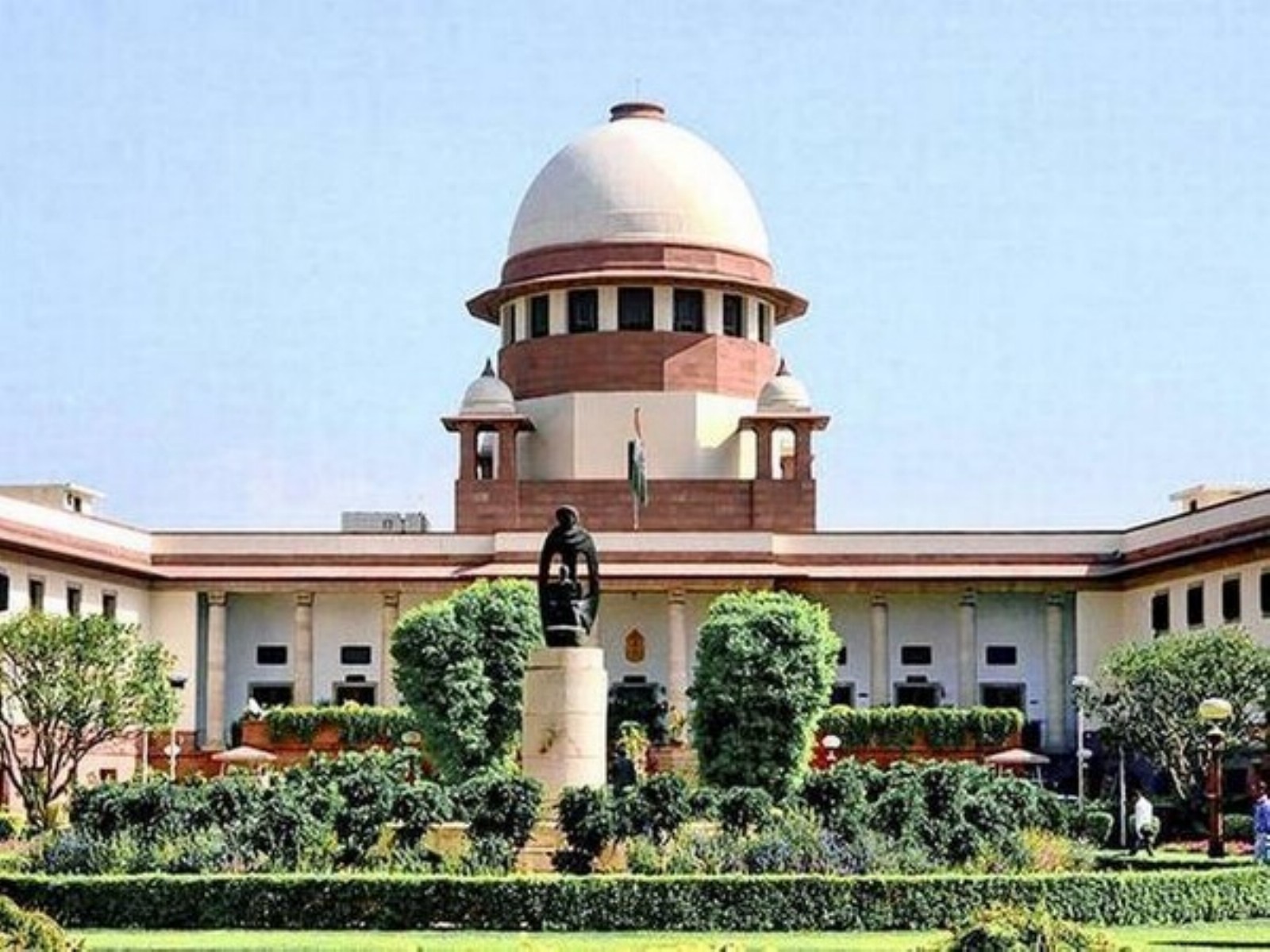
New Delhi [India], September 16 : A PIL has been filed in the Supreme Court seeking a uniform national framework to tackle the manufacture and sale of fake and adulterated medicines, alleging that gaps in the existing system allow such rackets to operate with limited accountability.
The PIL filed by advocate Ashwini Upadhyay sought directions to the Centre and States to complete investigations into fake drug cases within three months and trials within one year.
It also sought time-bound forensic examination of seized medicines, mandatory videography of search and seizure proceedings, and a standard operating procedure for investigation and prosecution.
The petition also sought assessment and confiscation of the properties of fake drug manufacturers, sellers, and financiers under the Prevention of Money Laundering Act, Benami Property Act, and Black Money Act.
It also sought a graded sentencing policy for fake drug offences, including consideration of consecutive sentences in appropriate cases, and a direction to the Law Commission to prepare a report recommending changes to prevent the circulation of counterfeit medicines.
The petitioner has cited recent reports of fake cancer drugs being supplied to more than 90 hospitals in Bengaluru, along with earlier cough syrup deaths and seizures of spurious medicines, to contend that the problem extends beyond isolated incidents.
The plea alleged that the Drugs and Cosmetics Act, 1940, does not provide a comprehensive framework for time-bound investigation, forensic examination, financial investigation, witness protection and prosecution of organised syndicates.
It proposed a national digital monitoring system to track cases from registration of the offence to final disposal, along with coordinated action by agencies including State Police, CBI, Enforcement Directorate, Customs and forensic laboratories.
The petition also raised constitutional questions concerning the right to health and life under Article 21, protection against arbitrariness under Article 14, and the State’s obligations under Article 47.
The matter is yet to be heard by the Supreme Court.