"Pressure on Russia should work": EU’s Kaja Kallas announces 1,600 sanctions listings against Moscow
Oct 12, 2026
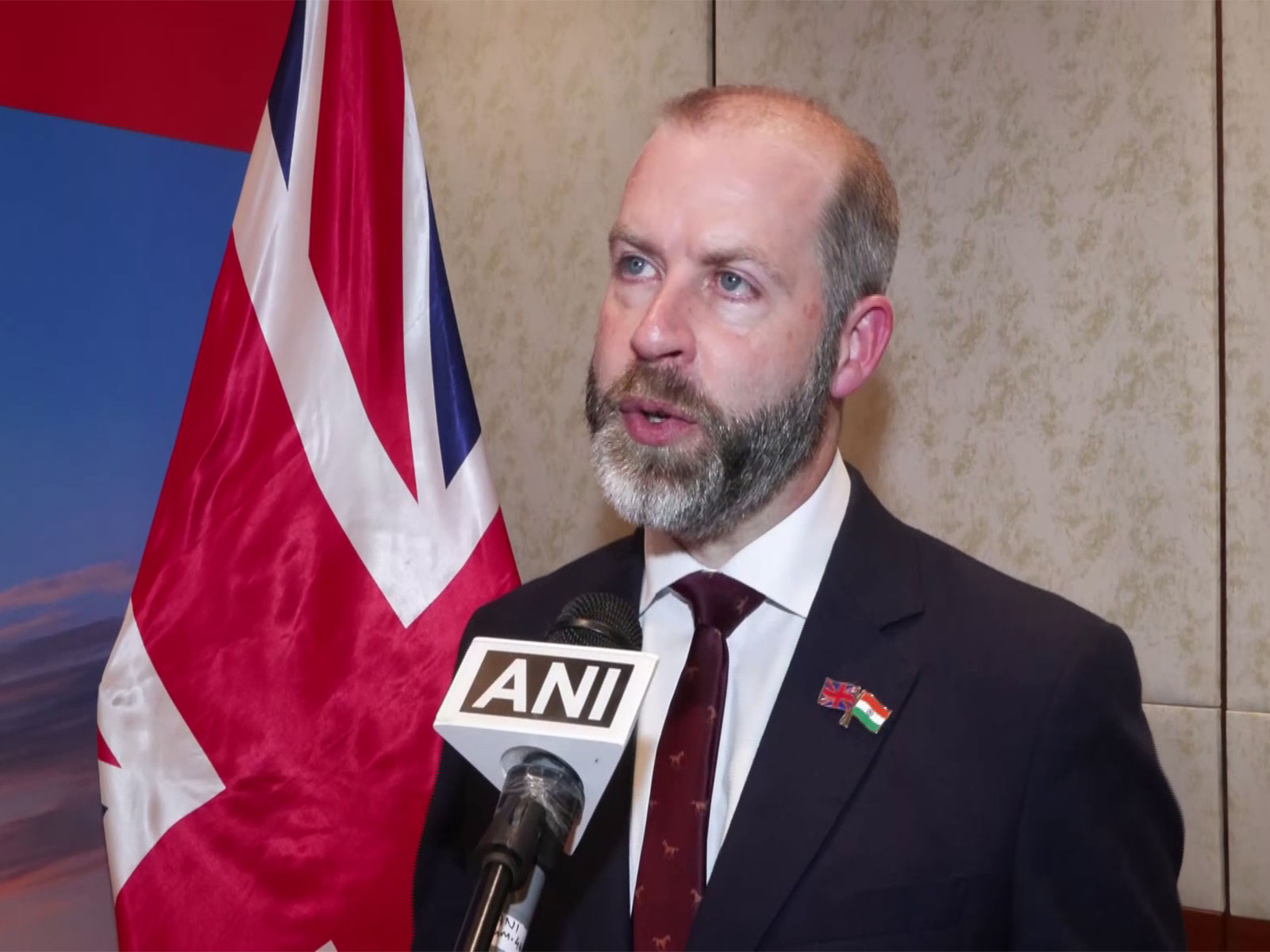
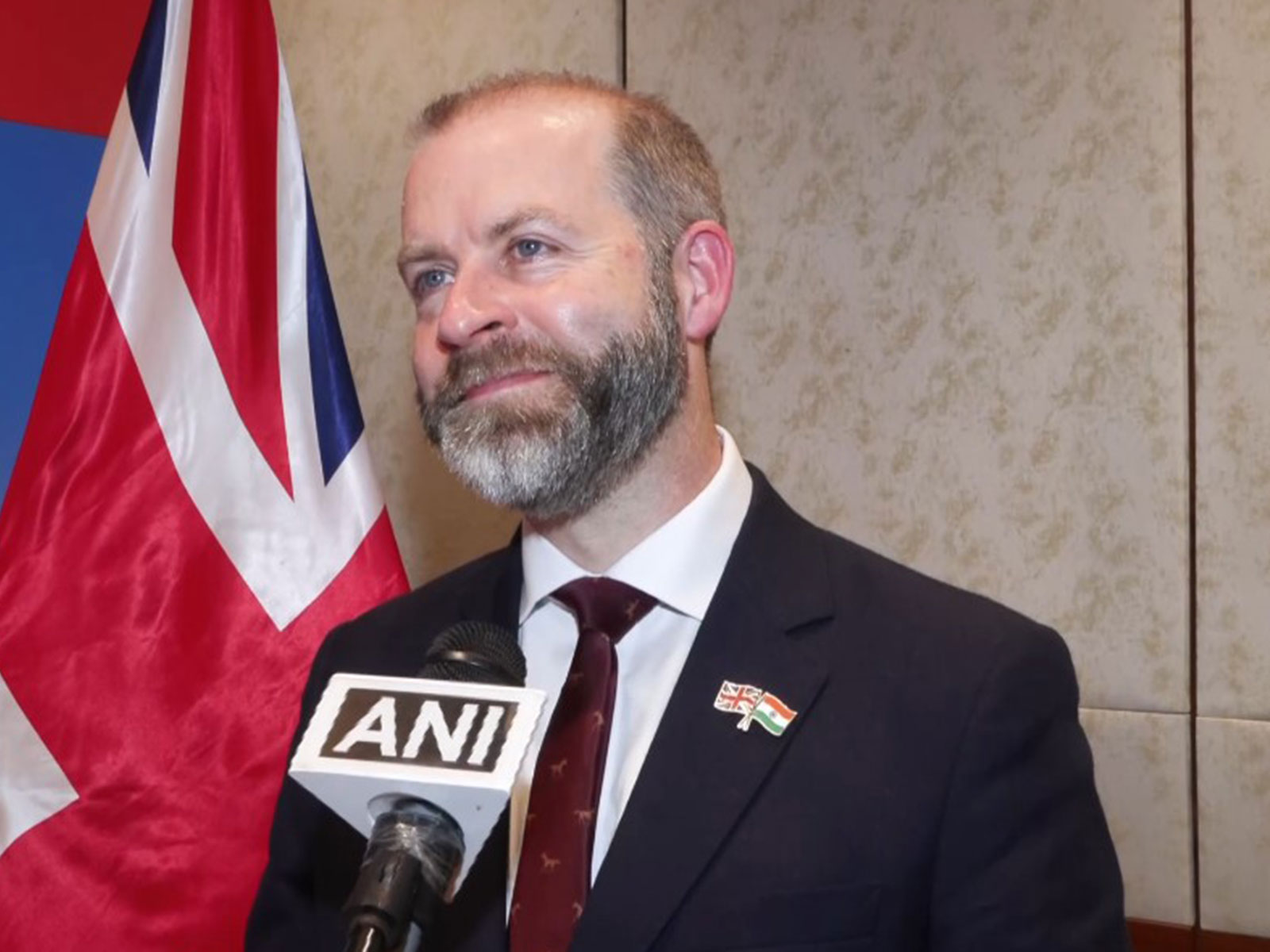
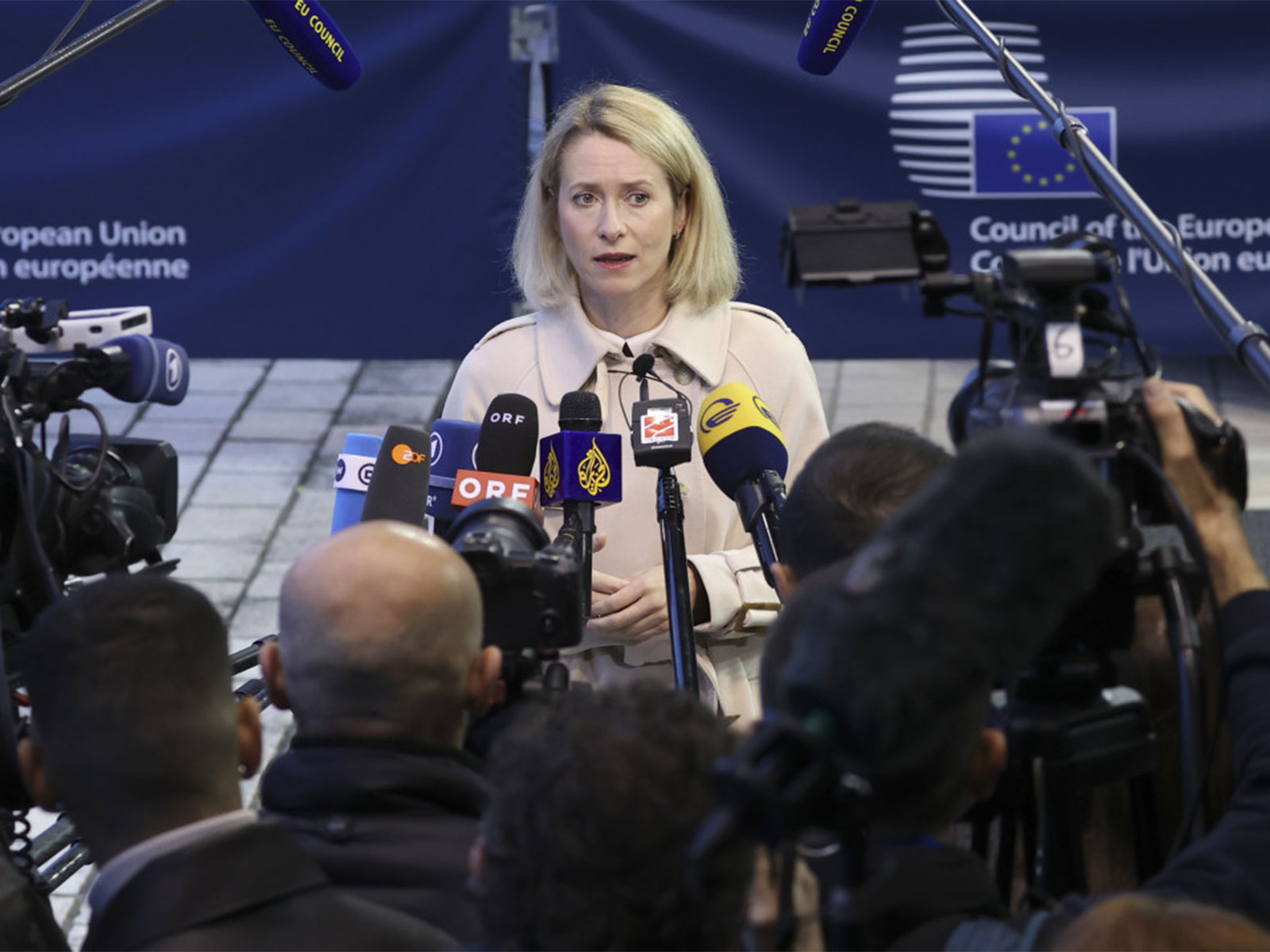
Luxembourg City [Luxembourg], October 12 : European Union foreign policy chief Kaja Kallas on Monday announced nearly 1,600 sanctions listings targeting Russia’s military-industrial complex and individuals linked to elections in occupied Ukrainian territories, asserting that sustained economic pressure on Moscow was necessary to end the war.
This comes as Ukrainian President Volodymyr Zelenskyy questioned Russia’s intentions amid US President Donald Trump’s push for an energy ceasefire.
Addressing the media, Kallas said the European Union had adopted its largest-ever set of sanctions listings, targeting companies supplying components for Russian weapons systems and individuals involved in what she described as sham elections in the occupied territories of Ukraine.
“The main topic is war in Ukraine. We have now 1,600 listings that we are putting forward regarding the Russian military-industrial complex, but also the sham elections in Russia regarding the occupied territories of Ukraine,” Kallas said.
According to a European Council press release, the bloc adopted restrictive measures against 1,569 individuals and entities, including 826 Russian companies and 743 individuals serving as chief executive officers of those companies.
The latest package brings the total number of individuals and entities listed under the EU sanctions regime supporting Ukraine’s territorial integrity to nearly 4,600.
The measures specifically target mid-level suppliers that form a crucial part of Russia’s military-industrial network. These companies collectively generate an annual turnover of at least 20 billion euros and employ more than 250,000 people, according to the European Council.
The listed companies supply components used in advanced Russian weapons systems, including missiles, unmanned aerial vehicles and aircraft. These components include semiconductors, microcircuits, computers, communication equipment, radar systems, aviation and missile technology, explosives, ammunition, optics and navigation systems.
The EU said the measures were adopted in response to Russia’s continued aggression against Ukraine, particularly military operations targeting civilian infrastructure and causing suffering among the civilian population.
Under the sanctions framework, listed entities are subject to asset freezes, while individuals face travel bans to the European Union. The provision of funds or economic resources to those listed, directly or indirectly, is also prohibited.
Responding to a question about the diesel deal between Trump and Russian President Vladimir Putin, Kallas said the EU would continue pursuing sanctions, arguing that pressure on Moscow was essential to bringing the conflict to an end.
“That is why we are continuing our path. We are now adopting 1,600 listings because we only see that pressure on Russia would work. Russia has started this war. We should not forget about this. We should put the pressure on Russia so that they will stop,” she said.
Kallas added that if Russia ended its military campaign, Ukraine would no longer need to take measures to defend itself against Russian attacks.
She expressed hope that the proposed energy ceasefire between Russia and Ukraine would hold, but said the EU had yet to see evidence that Moscow would adhere to it.
“We hope that this ceasefire will hold, but we have not seen it holding so far,” she said.
Defending the effectiveness of the sanctions regime, Kallas said the restrictions had deprived Russia of significant financial resources that could otherwise have supported its military campaign.
“The sanctions have deprived them of €1 trillion, and that €1 trillion is not going to fund this war,” she said.
She also pointed to EU measures targeting Russia’s so-called shadow fleet, which Western governments have accused Moscow of using to circumvent restrictions on oil exports and generate revenue.
Kallas acknowledged that Russia continued to find ways to evade sanctions but said the EU was adapting its measures in response. She noted that the bloc had adopted new listings at its previous 10 Foreign Affairs Council meetings.
The EU foreign policy chief also called for closer coordination with the United States, arguing that a more unified approach among Western partners could increase pressure on Moscow.
“UK is aligned with us, but if US would be aligned, if they enacted the Graham Bill regarding Russia, we could really put the pressure so that Russia will finish this war,” she said, referring to proposed US legislation aimed at increasing pressure on Russia.
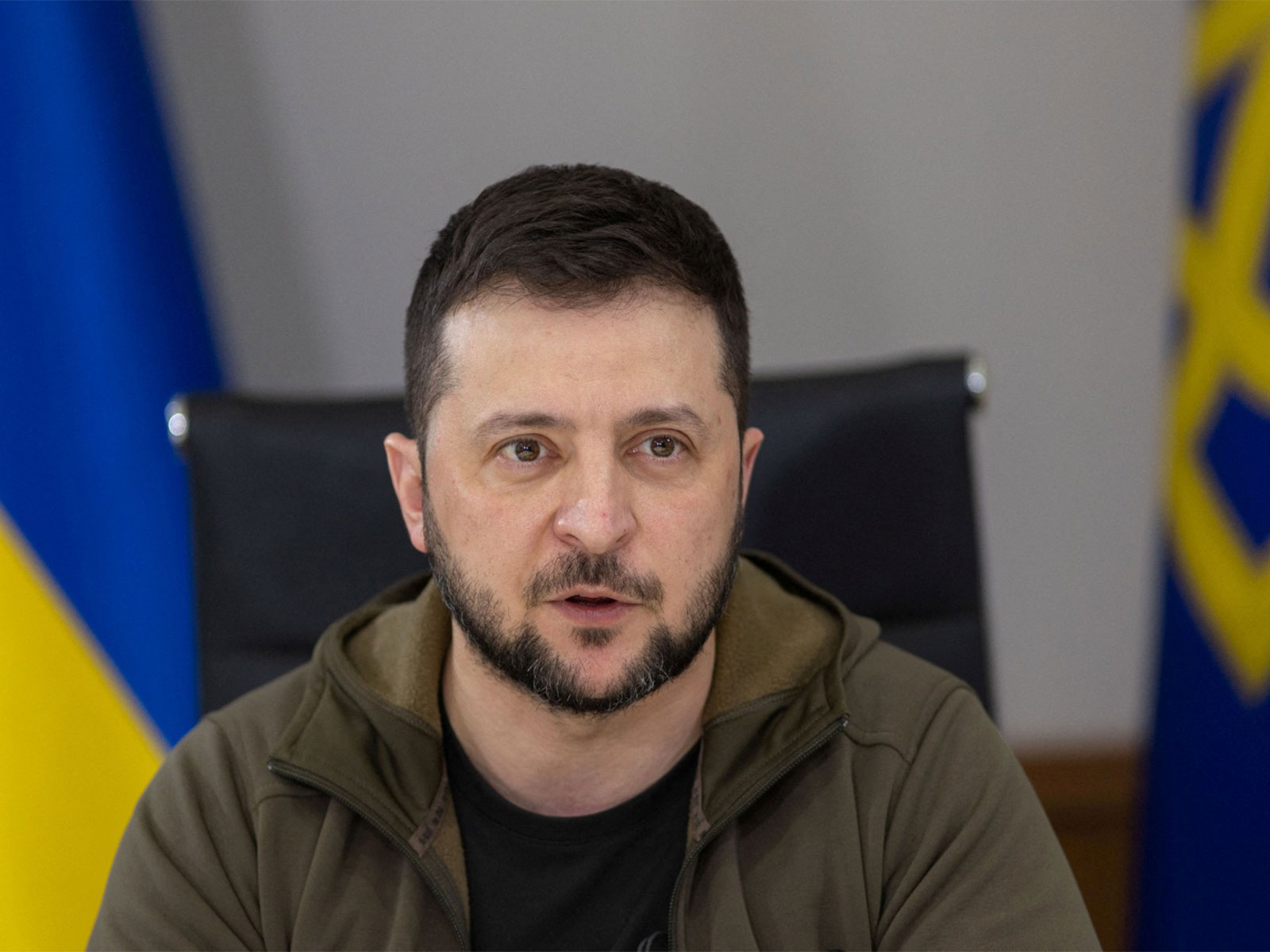
Meanwhile, Ukrainian President Volodymyr Zelenskyy on Monday (local time) said Kyiv saw no signs that Russia wanted to end the war, questioning Moscow’s intentions amid Trump’s push for an energy ceasefire between the two countries.
In a post on X, Zelenskyy said there were no indications of de-escalation from Russia and warned that the international focus on energy supplies risked overlooking the threat of a potential agricultural crisis due to disruptions in Ukrainian grain exports.
“We currently see no signs from Russia that it wants to end the war. We see no basic steps toward de-escalation,” Zelenskyy said.
Speaking at the Warsaw Security Forum, the Ukrainian President warned that Russia’s blockade of maritime routes could disrupt grain supplies to countries across Africa, Asia and the Middle East.
“Everyone is talking about diesel and forgetting about grain. In a month or two, everyone will start talking about an agricultural crisis. There won’t be enough food for countries across Africa, some Asian countries, and the Middle East, because we export millions of tons of grain to these very markets. And now Russia is blocking the sea,” he said.
Zelenskyy called for a broader international response to emerging risks, urging countries to address potential food shortages alongside energy-related concerns.
In a separate post on X, he questioned the impact of Russian diesel exports on global fuel prices and proposed a potential “diesel deal” with Trump.
Zelenskyy said Ukraine could refrain from striking Russian diesel infrastructure if Kyiv received guarantees that its own energy system would be protected.
“If we can be guaranteed protection for our power system, then we will not strike Russia’s diesel infrastructure in response,” he said, emphasising that protecting electricity supplies was essential for civilians and could also help European countries facing shortages.
His remarks came after Trump announced an immediate energy ceasefire between Russia and Ukraine, urging both sides to honour the truce.
Zelenskyy welcomed the proposal, stating that Ukraine supported the ceasefire but stressing that Russia must also commit to it. He added that Kyiv was awaiting further details from Washington.
Kallas also responded to Trump’s calls for Ukraine to hold fresh presidential elections amid the ongoing conflict.
She said elections during wartime presented significant challenges, particularly when a country was simultaneously facing external attacks.
“Well, almost every constitution has a provision that when you have a war going on, then you cannot have elections,” Kallas said.
She added that Zelenskyy had indicated his willingness to hold elections as soon as possible if a ceasefire were established.
Kallas argued that conducting elections during an active conflict could intensify divisions within the country at a time when national unity was important.
“Elections are always fighting between different groups inside the country, while the attacks are coming from outside, and that is why it is really important to keep people together while the war is going on,” she said.
She expressed confidence that Ukraine would hold elections if Russia ended the war, reiterating that the priority should be to bring the conflict to an end.
On the proposed energy ceasefire, Kallas said protecting energy infrastructure was particularly important as Ukraine prepared for winter, when damage to power facilities could worsen conditions for civilians.
She said the proposed arrangement should not be limited to refineries and stressed the importance of preventing attacks that endanger civilian lives.
“Personally, I would also welcome that the ceasefire would include people not being killed. Not only energy, but also food is extremely important because the winter is going to be cold,” she said.
Kallas also questioned whether the proposed arrangement would adequately address the broader humanitarian consequences of the war, adding that the EU was seeking clarity on Russia’s commitment to the ceasefire.