“Rahul Gandhi’s Balaghat visit was dramatic, unserious": MP Dy CM Rajendra Shukla
Oct 01, 2026
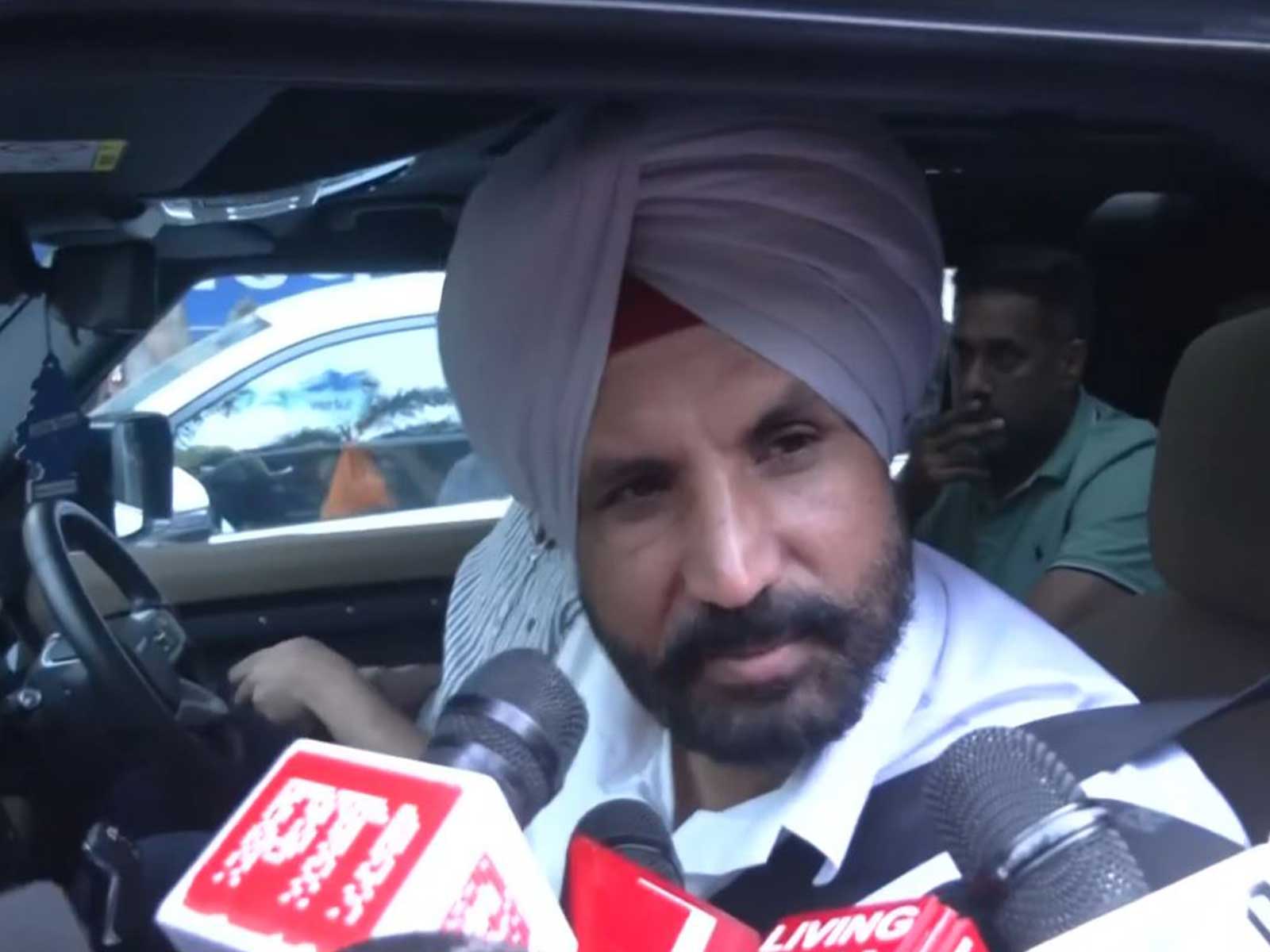
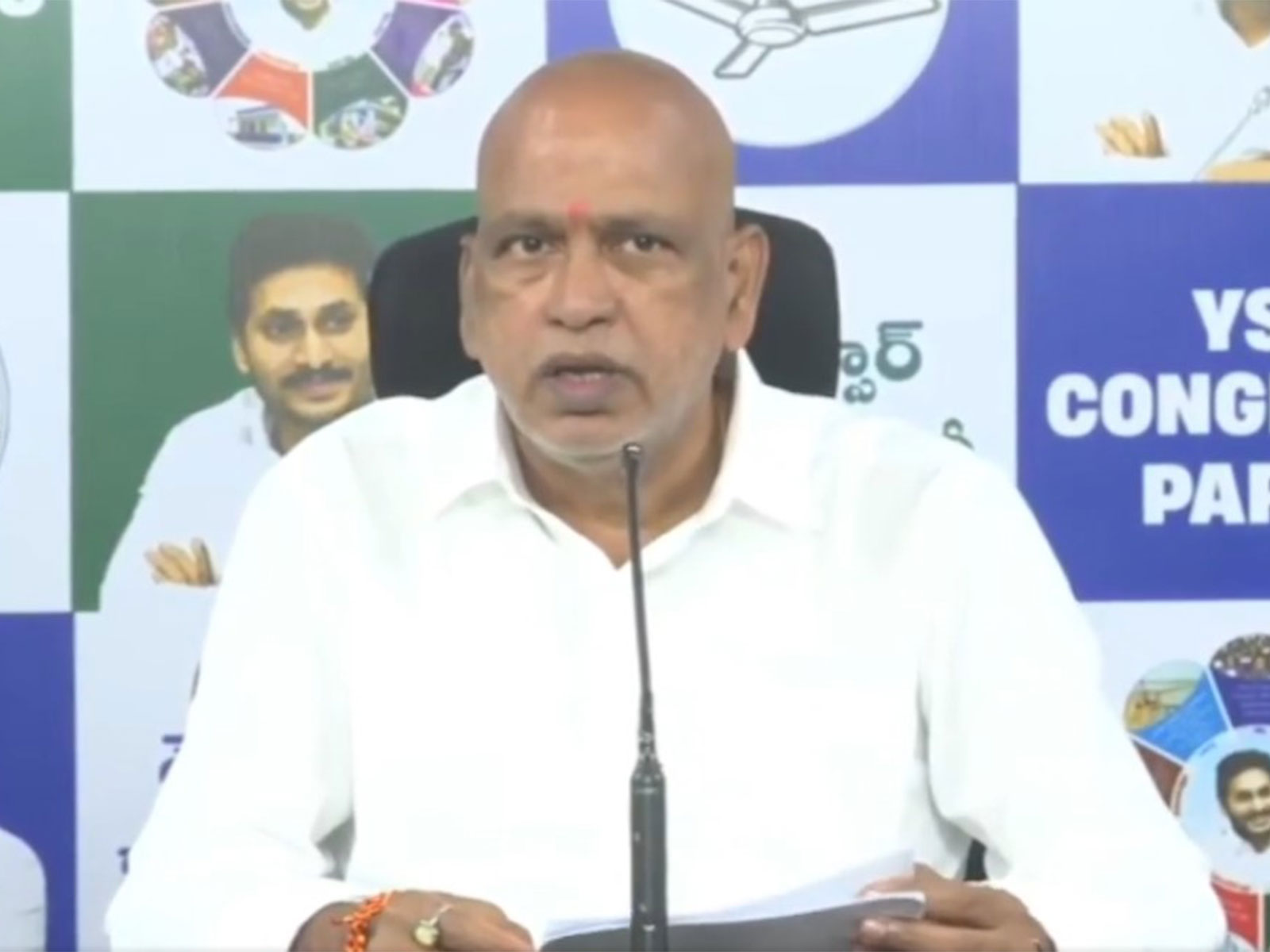
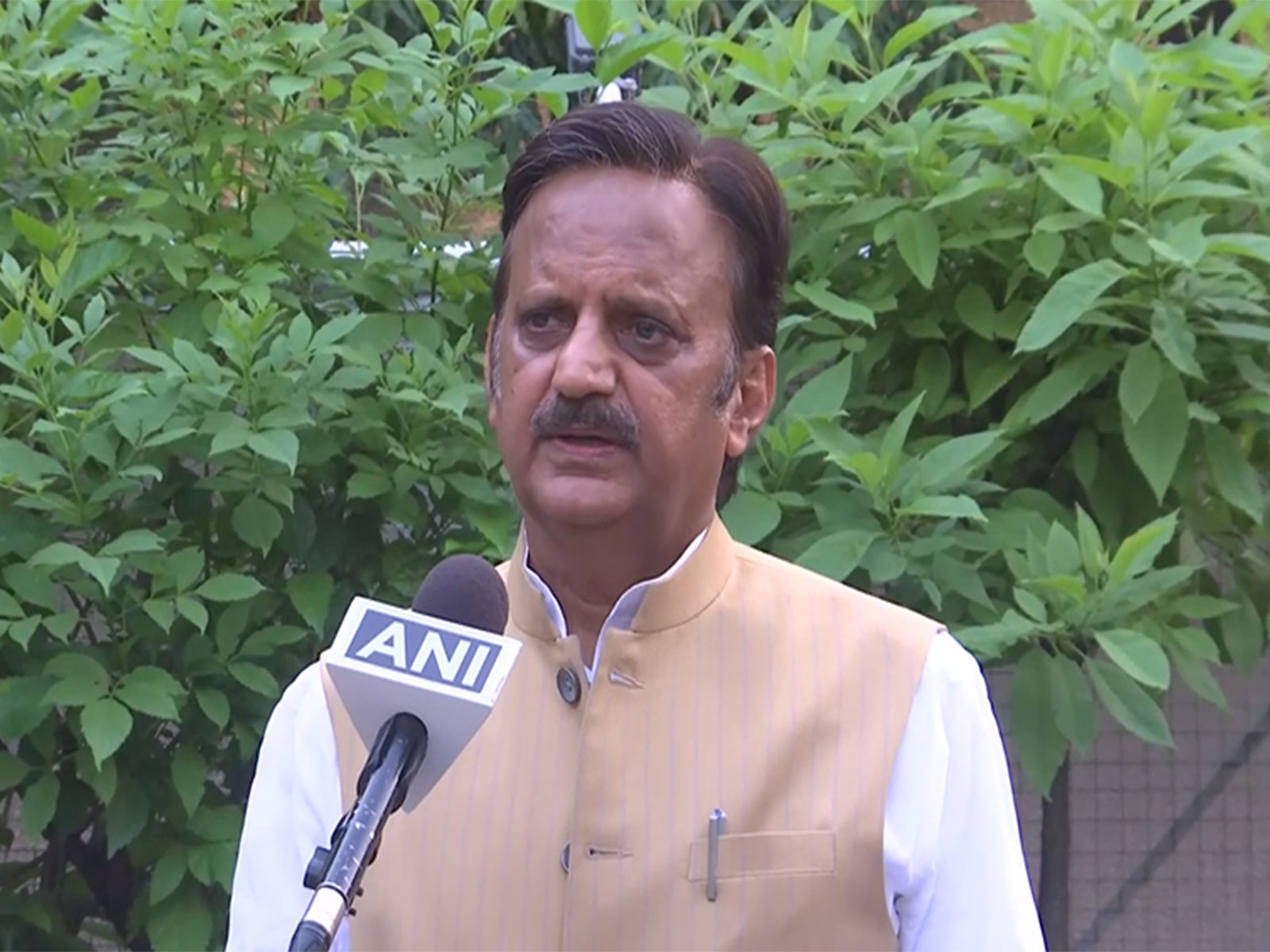
Bhopal (Madhya Pradesh) [India], October 1 : Madhya Pradesh Deputy Chief Minister Rajendra Shukla on Thursday criticised Congress leader Rahul Gandhi over his visit to Balaghat, calling it “dramatic” and “very unserious”, while accusing the Congress of failing to address Naxalism during its tenure at the Centre.
The Deputy CM remarked after Rahul Gandhi visited Balaghat on Thursday and alleged that tribal communities in the district were facing a lack of healthcare, education and employment opportunities, and accused the Madhya Pradesh government of failing to fulfil its responsibilities.
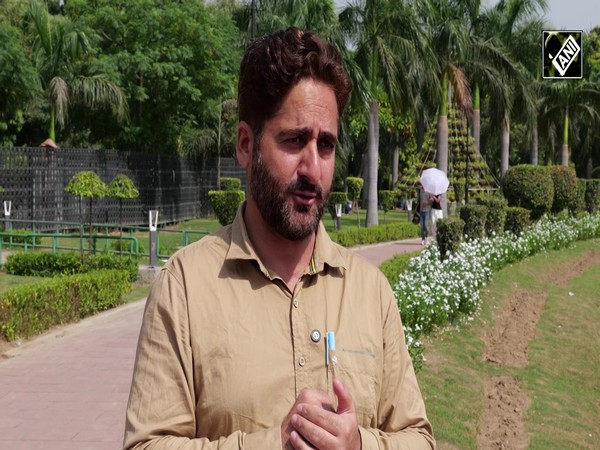
Shukla told ANI, “Rahul Gandhi’s visit was dramatic and he appeared very unserious. He forgot that he had come to Balaghat, which was completely in the grip of Naxalism. Naxalites had entered the house of the then Madhya Pradesh Home Minister and beheaded him in a very unfortunate incident. Even at that time, they did not show enough sensitivity to seriously work on a campaign to eliminate Naxalism.”
The Dy CM further alleged that the Congress-led UPA government had been in power between 2004 and 2014 but failed to effectively tackle Naxalism and claimed that the “Red Corridor” from Nepal to Tirupati received a boost during that period.
“If anyone can be held responsible for increasing terrorism and Naxalism in the country, it is the Congress party. People in those areas become apprehensive when they remember Rahul Gandhi and the Congress party because these are the people who did not eliminate Naxalism,” Shukla said.
He said eliminating Naxalism was necessary to ensure access to education, healthcare, nutrition, roads, telecommunications and women’s empowerment in tribal areas, adding that the BJP government under Prime Minister Narendra Modi was working in that direction.
Responding to allegations that corruption persists and that tribal areas lack adequate health and education facilities, Shukla termed the allegations “baseless”.
“They make baseless allegations… they make allegations just for the sake of making allegations, perhaps hoping that by chance they may come to power. Their objective is to come to power, but the country is suffering from the unseriousness with which Congress governments have worked after coming to power,” he said.
On allegations that the government remains absent when tribal communities need assistance, Shukla cited various government initiatives running for the tribal people in their areas.
“If we were absent, why would we be running medical mobile units in those areas? Why would the Pradhan Mantri Janjati Adivasi Nyaya Maha Abhiyan (PM-JANMAN) have been launched, with an allocation of Rs 24,000 crore? Why would the Dharti Aaba Janjatiya Gram Utkarsh Abhiyan be launched? Why would the Aahar Anudan Yojana for Baiga, Sahariya and Bhariya communities be implemented, under which a woman from each family is provided assistance of Rs 1,500 like Ladli Behna?” he said.
Dy CM Shukla added that they (Congress) are talking about the issues, but it has been proven that if there is a government that works, it is the Bharatiya Janata Party government.
During the Balaghat visit, Congress Leader Rahul Gandhi alleged that the situation amounted to a complete government failure in Madhya Pradesh and said he would raise the issue in Parliament.
“This is a complete government failure in Madhya Pradesh. Wherever you go, you see it; it is a total, 100 per cent government failure. I will raise this issue in the Lok Sabha. I will raise in the Lok Sabha not just their case, but the issue of what is being done to all the tribals across the country,” the Congress leader said.
The visit comes after reports of more than 30 deaths among tribal children in Balaghat’s tribal-dominated areas. The exact toll and medical circumstances surrounding the deaths have been subject to evolving official assessments.
A Centre-led investigation has reportedly identified multiple health conditions, including measles, malaria, co-infections, respiratory distress, dehydration, malnutrition, anaemia and shock, rather than a single disease or pathogen.